
Introduction to Smart Homes
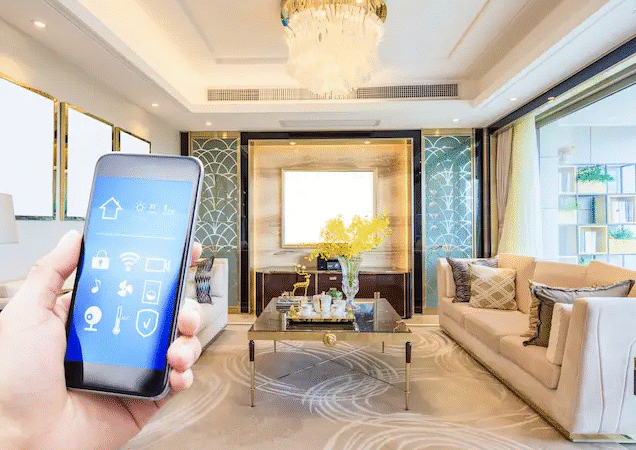
A smart home is defined as a residence that utilizes technology to allow remote management and monitoring of systems and appliances. This integration of technology enhances convenience, efficiency, and security, making daily living more streamlined and enjoyable. Smart homes incorporate various devices, such as smart thermostats, lighting, home security systems, and appliances all designed to seamlessly connect and communicate with each other, often via the internet.
The evolution of smart homes can be traced back to early innovations in home automation. Initially, these technologies were limited and primarily focused on increasing energy efficiency, such as programmable thermostats. However, as technology advanced, the concept of a smart home expanded significantly. The advent of the Internet of Things (IoT) played a pivotal role in this transformation, allowing devices to not only connect to the internet but also to communicate with each other, leading to enhanced interoperability.
Today, smart homes are characterized by their stylish integration of technology into the decor and overall lifestyle. Rather than being seen as futuristic gadgets, smart home devices are increasingly designed to complement the aesthetics of modern interiors. Products now seamlessly blend sophisticated technology with stylish design, making them appealing additions to any home environment. As a result, consumers are more inclined to embrace these innovations not just for their practicality but also for their ability to enhance the visual appeal of their living spaces.
This transition towards stylish tech signifies a growing consumer demand for both functionality and design within the realm of smart homes. Homeowners are increasingly seeking solutions that not only simplify their lives but also align with their personal style and design preferences. As smart home technology continues to evolve, it is likely that the focus on aesthetic integration will only become more pronounced.
The Importance of Design in Smart Home Technology
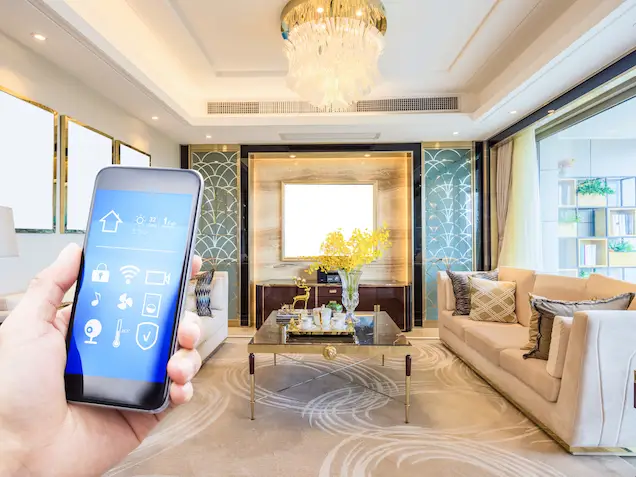
In recent years, the integration of smart home technology into everyday life has become increasingly prevalent. Consumers today are not only focused on the functionality of these devices but also on their aesthetic appeal. Designers and manufacturers are now recognizing the importance of creating smart home devices that seamlessly blend into modern interiors. This shift towards prioritizing design indicates a growing consumer expectation for products that are as visually appealing as they are practical.
The rise of designer brands within the tech sector exemplifies this trend. Leading companies are collaborating with renowned designers to craft products that enhance both the visual and functional aspects of a smart home. These partnerships enable brands to cater to a demographic that values design as a critical component of their purchasing decisions. Aesthetic considerations influence consumers’ perceptions of quality and innovation, making design an essential factor in gaining market share within the competitive smart home landscape.
Moreover, the visual appeal of smart home technology can significantly enhance the overall user experience. A beautifully designed device not only serves its purpose effectively but also contributes to the ambience of a home. It enables users to showcase their technology rather than hiding it away, fostering a more integrated and cohesive living environment. Smart devices that complement home decor can elevate personal spaces, making them more inviting and stylish.
In conclusion, the importance of design in smart home technology cannot be overstated. As consumers continue to seek out devices that meet both aesthetic and functional requirements, manufacturers must adapt to this evolving landscape. By embracing design, brands can create smarter, more visually appealing products that resonate with consumers, ultimately enhancing the overall smart home experience.
Stylish Smart Home Devices to Consider
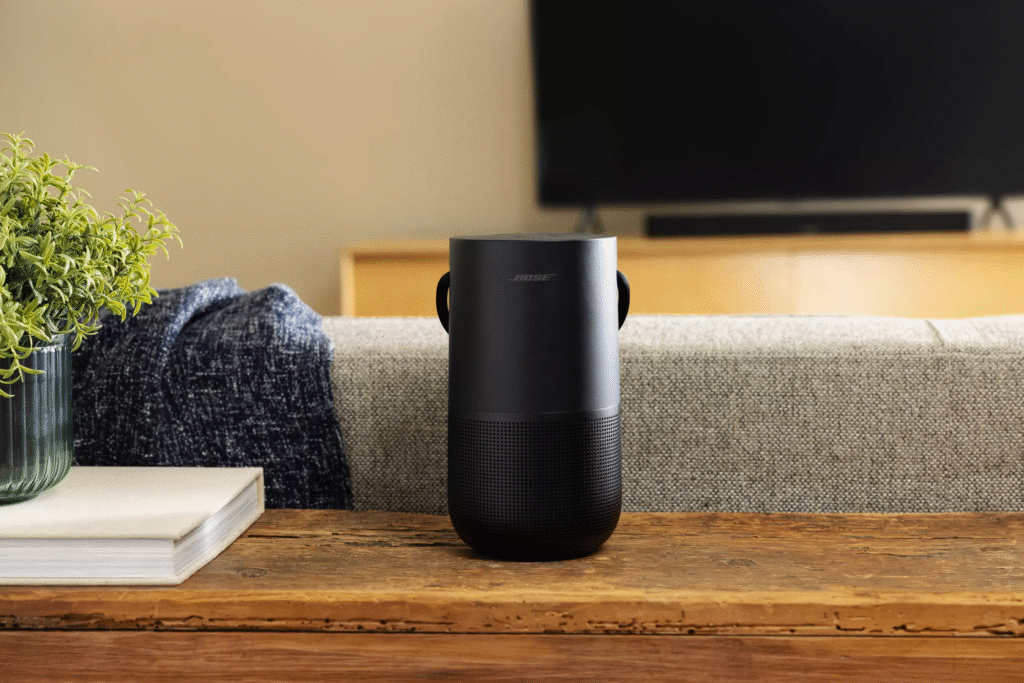
As modern living evolves, the integration of technology into home decor has become increasingly prominent. A new wave of stylish smart home devices combines functionality with aesthetics, ensuring that enhancing convenience and efficiency does not compromise home design. This section highlights several key devices that embody this principle.
Smart speakers have emerged as central hubs in many households, offering not only voice-activated assistance but also filling rooms with rich sound. Models such as the Sonos One and Apple HomePod Mini present an appealing design, available in various finishes that can complement any interior. Their compact size and elegant form allow them to blend seamlessly into bookshelves or countertops, elevating the space while serving their purpose of intelligent connectivity and streaming capabilities.
Next, consider smart light fixtures that go beyond traditional lighting. Products like the Philips Hue White and Color Ambiance range allow users to customize lighting not only in terms of brightness but also color, ensuring that every room can evoke a desired mood. The sleek design of these fixtures, often minimalist or even sculptural, makes them more than mere light sources; they become elements of the decor in themselves. Paired with user-friendly apps, they encourage creativity, enabling homeowners to set the perfect ambiance for any occasion.
Lastly, sleek smart thermostats, such as the Nest Learning Thermostat and Ecobee SmartThermostat, exemplify how technology can fit elegantly into everyday life. These compact devices feature sophisticated designs and are often available in various colors to align with diverse design schemes. Beyond their attractive appearance, they offer advanced features like learning schedules and remote access, ensuring that energy efficiency becomes a stylish necessity.
In conclusion, incorporating stylish smart home devices into one’s living space can significantly enhance both functionality and aesthetic appeal. By selecting devices that resonate with personal style while providing advanced features, homeowners can create harmonious and intelligent environments that reflect contemporary living trends.
Creating a Cohesive Smart Home Aesthetic
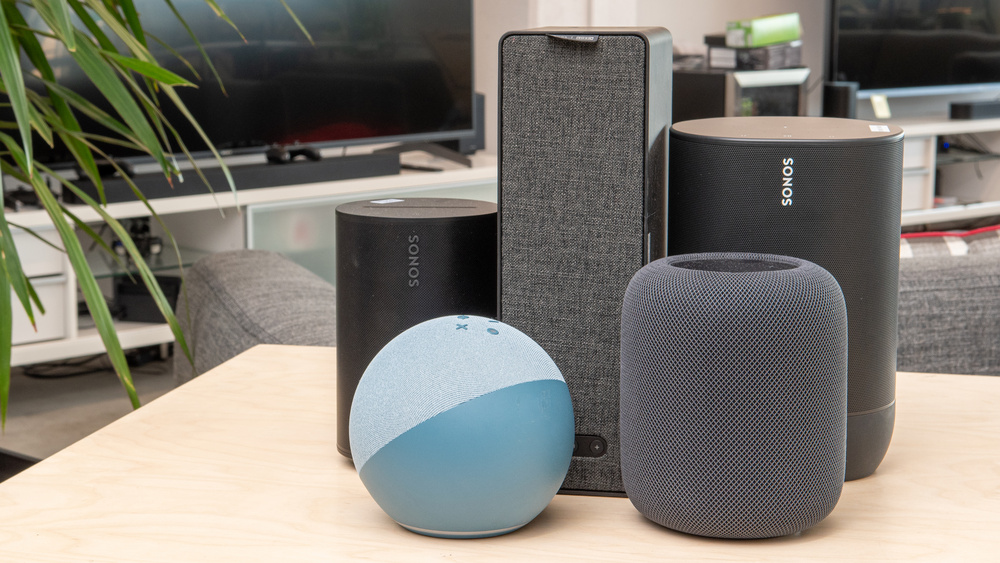
Establishing a cohesive aesthetic in a smart home involves harmonizing technology with the interior design to create a seamless and visually appealing environment. To achieve this, it is vital first to assess the current style of your home. Whether your decor is modern, traditional, or eclectic, the selection of smart devices should reflect this theme. For example, smart speakers and lighting fixtures come in numerous designs and finishes, allowing homeowners to choose options that blend seamlessly into their existing decor.
Color schemes play a crucial role in unifying the aesthetic of a smart home. When selecting devices, consider colors that complement your interior palette. Neutral shades like white, black, or metallic finishes can serve as excellent choice to ensure that technological devices do not clash with decor elements. Moreover, color-coordinated smart home accessories can enhance the overall visual appeal. Using accent colors found in furnishings or artwork to select smart devices can create a thoughtful and integrated look throughout the space.
Integrating technology into your home’s design can also be achieved by strategically placing devices. For instance, concealing wiring and using in-wall smart home hubs can prevent visual clutter and enhance the sophisticated feel of a room. Similarly, utilizing built-in sound systems or smart lighting solutions that blend into the architecture can reinforce the design ethos while providing robust functionality. It is essential to strike a balance so that technology supports the aesthetic rather than overwhelming it. By doing so, homeowners can ensure that their smart devices enhance the ambiance, making their space both stylish and functional.
Smart Home Security with Style
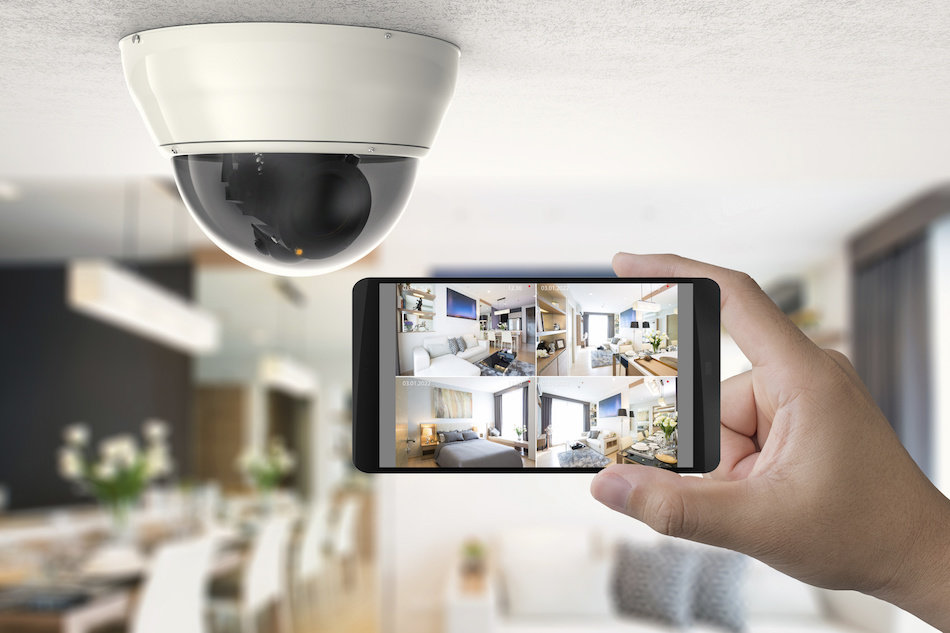
In the modern era of smart homes, security solutions are not merely functional; they also need to complement the aesthetic of the living space. Homeowners are increasingly seeking security technologies that blend seamlessly with their interior design, providing both peace of mind and visual appeal. Elegant surveillance cameras and flush-mounted alarm systems are at the forefront of this trend, serving dual purposes of safety and style.
Today’s sophisticated surveillance cameras are designed with sleek lines and contemporary finishes that allow them to fit into any decor. Rather than being an eyesore, these cameras can enhance the look of a home, adding to its charm while conducting the essential task of monitoring. Moreover, advanced models are equipped with various features such as night vision, motion detection, and two-way audio, ensuring that security is not compromised for style. Homeowners can choose color schemes and designs that harmonize with their home’s architecture, making these devices an integral part of the overall decor.
Similarly, alarm systems have evolved from clunky gadgets to flush-mounted options that can be integrated into walls or even disguised as part of light fixtures. This approach not only helps to maintain the aesthetic but also deters potential intruders by removing obvious security indicators. The incorporation of smart technology into these systems further enhances their appeal, allowing homeowners to manage their security settings remotely via smartphones and tablets. This means that style does not have to take a back seat to functionality; instead, they can coexist beautifully, creating a secure and stylish environment.
In conclusion, choosing stylish security solutions for smart homes enhances both safety and aesthetics. By opting for elegantly designed surveillance cameras and sophisticated alarm systems, homeowners can ensure their space remains visually appealing while prioritizing security.
Innovative Smart Furniture Trends
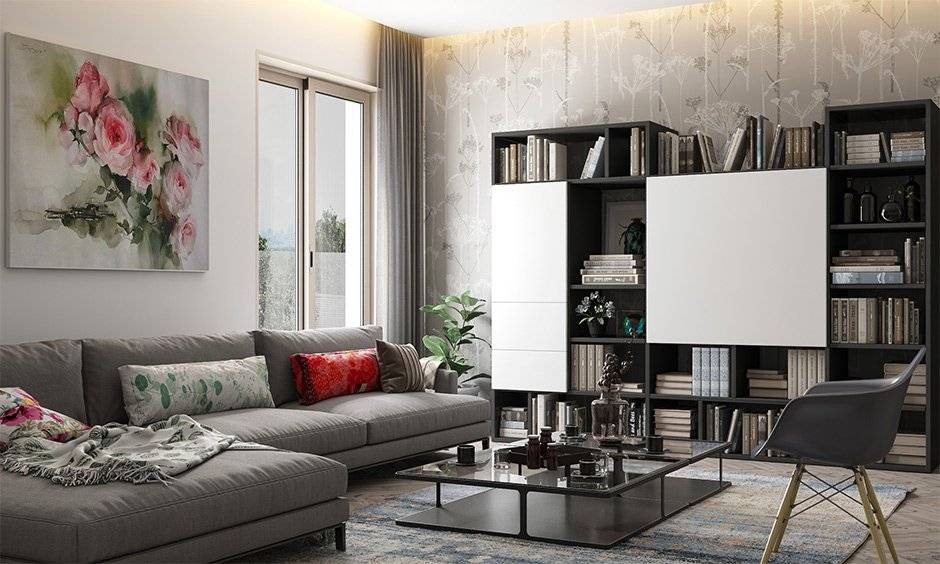
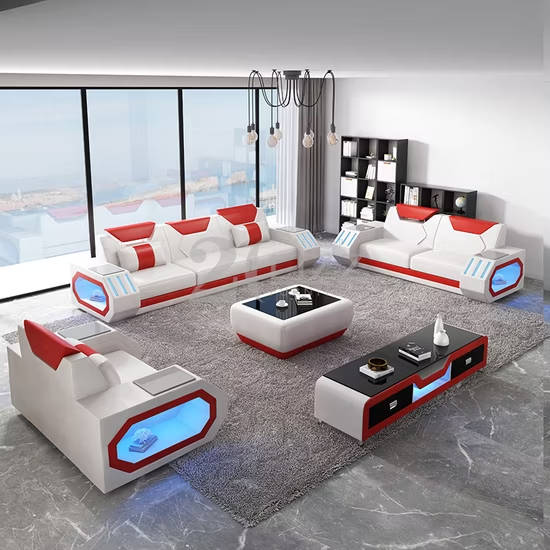
As technology continues to evolve, so too does the concept of furniture within our living spaces. The emergence of smart furniture represents a significant trend where functionality meets style, enhancing not only the aesthetic appeal of homes but also their livability. By integrating technology seamlessly into furniture design, manufacturers are creating pieces that provide convenience and comfort without compromising on style.
One of the most popular trends in this realm is multifunctional furniture. This type of furniture caters to the needs of modern living, particularly in smaller spaces where maximizing utility is crucial. For instance, a sofa that converts into a bed or a coffee table equipped with hidden storage are both examples of how smart design can enhance our daily lives. These pieces serve multiple purposes, accommodating guests and providing storage solutions, thus demonstrating the versatility that smart furniture offers.
Another notable advancement in smart furniture is the introduction of wireless charging tables. As our reliance on electronic devices grows, the demand for convenient charging solutions has increased. These tables are designed with integrated wireless charging pads that allow users to power their devices effortlessly. Combining practicality with style, wireless charging tables eliminate the clutter of cords and enhance the overall elegance of a room.
Moreover, smart beds have revolutionized the way we think about sleep. Equipped with features such as adjustable firmness levels, temperature control, and sleep tracking technology, these beds optimize comfort to suit individual preferences. Additionally, many modern smart beds are designed to fit seamlessly into existing décor, providing both functionality and an aesthetically pleasing appearance.
In conclusion, the integration of technology into furniture design is a trend that enhances everyday living. With multifunctional pieces, wireless charging capabilities, and comfort-optimized smart beds, the realm of furniture is undergoing a transformation that appeals to style-conscious consumers. As the smart home movement continues to grow, it is clear that innovative furniture trends will play a pivotal role in shaping our living experiences.
Eco-Friendly Smart Home Solutions
As more individuals recognize the importance of sustainable living, eco-friendly smart home solutions have gained popularity. By incorporating energy-efficient technologies into home design, homeowners can significantly reduce their carbon footprint while maintaining a stylish environment. One of the most accessible and impactful eco-friendly options is the use of smart bulbs. These energy-efficient smart bulbs not only offer customizable lighting options but also consume a fraction of the energy compared to traditional incandescent bulbs. This shift not only helps in reducing energy bills but also promotes a greener lifestyle.
In addition to lighting, eco-conscious appliances are becoming a staple in modern homes. These appliances are designed with sustainability in mind, utilizing advanced technologies that reduce energy consumption while maximizing performance. For instance, energy-efficient refrigerators, washing machines, and dishwashers come equipped with smart features that enable homeowners to optimize their usage patterns, ensuring they operate at peak efficiency. Integrating these appliances into a home fosters an eco-friendly atmosphere without compromising on style or functionality.
Moreover, sustainable materials play a vital role in the evolution of eco-friendly smart homes. Furniture and decor items crafted from reclaimed or recycled materials not only minimize waste but also add unique character to any living space. The blend of technology and sustainable design results in chic interiors that reflect a commitment to both aesthetics and environmental responsibility. By choosing products that prioritize sustainability, homeowners can effortlessly create a stylish, eco-friendly living environment.
Embracing eco-friendly smart home solutions offers a dual benefit: contributing positively to the environment and enhancing the home’s aesthetic appeal. With an array of stylish smart products now available, consumers can make conscientious choices that align with their values, proving that sustainability can indeed be chic.
The Future of Stylish Smart Homes
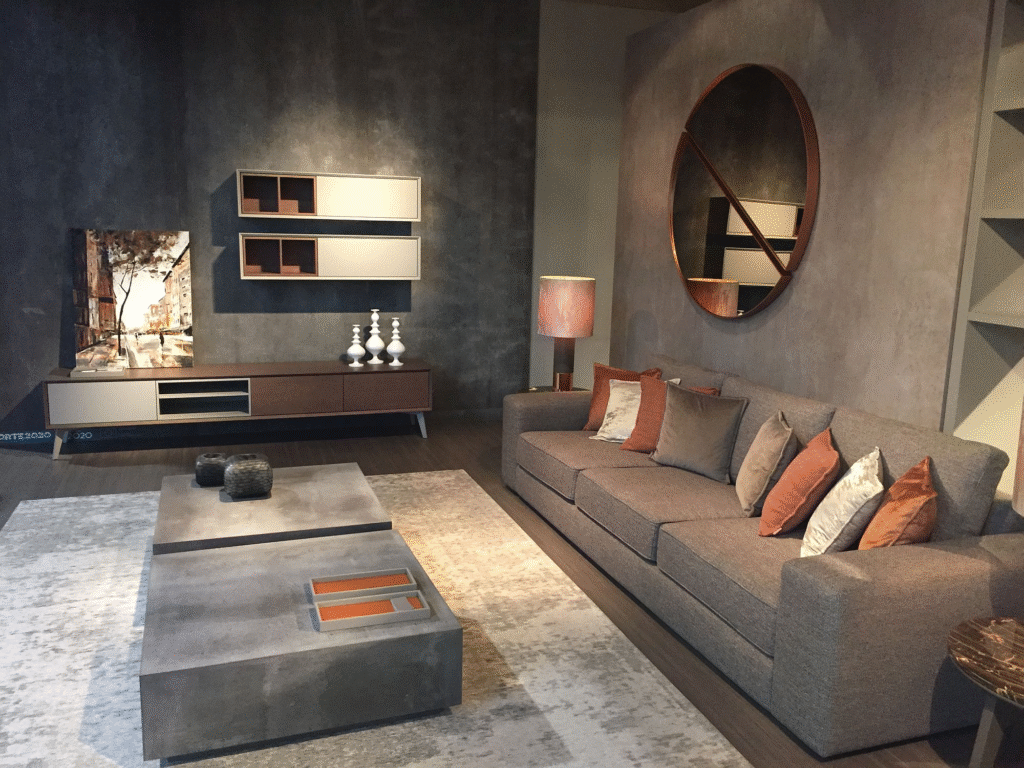
The evolution of smart home technology continues at a rapid pace, steering toward a future where style and functionality are seamlessly intertwined. As we look ahead, several emerging trends promise to redefine how we integrate technology within our homes while maintaining an aesthetic appeal that aligns with personal tastes. One of the most significant shifts is the incorporation of artificial intelligence (AI) within smart devices. AI not only enhances the efficiency of home systems but also introduces personalization features that adapt to users’ habits and preferences. This level of customization allows homeowners to achieve a harmonious balance between cutting-edge technology and stylish design.
Another notable trend involves advancements in the Internet of Things (IoT), which enables devices to communicate more effectively with each other. As IoT technology matures, smart home systems will become increasingly interconnected, offering users a cohesive experience that enhances overall convenience and comfort. For instance, lighting, heating, and security systems will not only operate efficiently but also work together to create ambiance and aesthetic appeal tailored to the user’s lifestyle. This interconnectedness will pave the way for designs that incorporate sleek interfaces and minimalist aesthetics, making technology an unobtrusive aspect of home décor rather than an eyesore.
In addition to functionality and connectivity, sustainability is poised to influence the future of stylish smart homes significantly. Consumers are becoming more environmentally conscious, and as such, they demand eco-friendly technology that does not compromise on style. Manufacturers are responding by creating energy-efficient devices that align with refined design standards. The integration of sustainable materials into home technology not only minimizes environmental impact but also elevates the aesthetic value of living spaces. Collectively, these trends signify a promising future where stylish smart homes will exemplify sophistication while embracing the benefits of innovative technology.
Conclusion
In the modern landscape of home technology, the integration of aesthetics and functionality remains paramount. As discussed throughout this blog post, the evolution of smart home devices has made it possible for individuals to enhance their living spaces without compromising on style. From smart lighting to sophisticated security systems, it is clear that technology can seamlessly blend into the fabric of our homes, elevating both comfort and design.
Choosing smart home devices that not only perform efficiently but also complement personal style is essential for achieving an overall harmonious atmosphere. This balance ensures that these technological elements contribute positively to the environment, while still being visually appealing. Whether opting for sleek devices that embody minimalism or selecting items that introduce a pop of color, the options available today allow for customization that can suit various tastes and preferences.
As we embrace the future of home automation, it is crucial to consider how these devices can integrate into our day-to-day lives. Functionality should never be overlooked; after all, the primary purpose of smart home technology is to simplify and enhance daily routines. However, the style should also be front and center, as it impacts our emotional connection to our living spaces. By making informed decisions based on both usability and design, readers can create an inviting atmosphere that reflects their personality and meets their practical needs. Ultimately, the merging of functionality with style is not just a trend but a necessary evolution for the modern home.
This post may contain affiliate links, which means we may earn a small commission if you purchase through them—at no extra cost to you. Hopefully we can help you find something that helps you.