
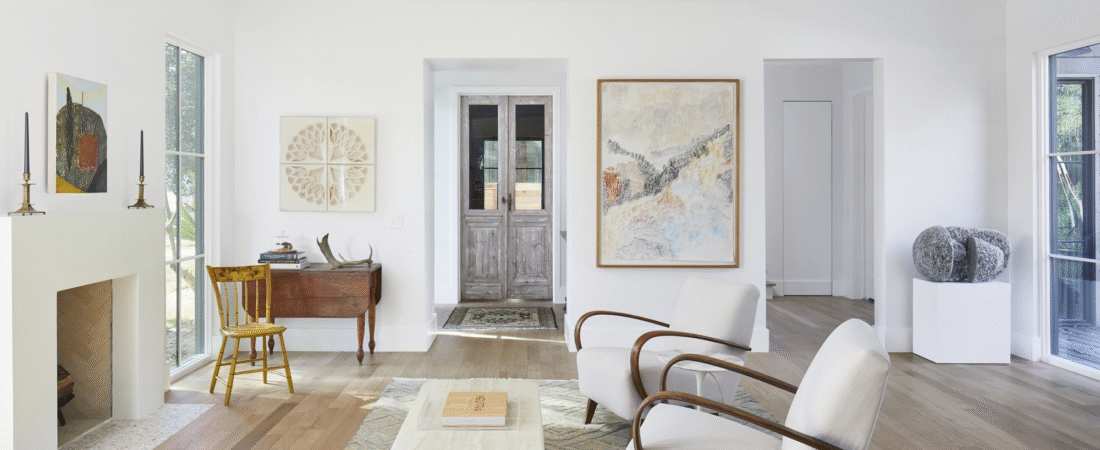
Introduction to Modern Minimalist Furniture
Modern minimalist furniture embodies a design ethos that prioritizes simplicity, functionality, and beauty. This style is deeply rooted in the principles of minimalism, which advocate for the removal of excess and a focus on essential forms and materials. Key characteristics of modern minimalist furniture include clean lines, a restrained color palette, and the effective use of space. These elements come together to create a serene and uncluttered environment, appealing to those who seek a balanced lifestyle amidst the chaos of modern living.
The rising popularity of minimalism in interior design reflects a broader societal shift. Many contemporary homeowners are drawn to this style as it promotes a sense of calm and clarity within their living spaces. By embracing minimalism, individuals often find a pathway to declutter not only their physical surroundings but also their minds. This aesthetic encourages the selection of essential pieces that fulfill both practical needs and visual appeal, fostering a harmonious environment that resonates tranquility and sophistication.
As more people recognize the advantages of modern minimalist furniture, various pieces become essential components of this design philosophy. From sleek sofas that invite relaxation to functional storage solutions that maintain an organized space, minimalist furniture serves dual purposes. It enhances the aesthetic of a room while ensuring that every item has a designated function. Moreover, these designs often emphasize sustainable materials and craftsmanship, aligning with growing environmental consciousness among consumers.
In the following sections, we will delve deeper into specific modern minimalist furniture pieces, highlighting how they not only contribute to an improved aesthetic experience but also encourage a lifestyle imbued with practicality and intentionality.
The Benefits of Investing in Minimalist Furniture
Investing in minimalist furniture offers a variety of advantages that appeal to both aesthetic preferences and practical needs. One of the most significant benefits is its timeless appeal. Minimalist designs, characterized by clean lines and uncluttered forms, are not tied to fleeting trends and can seamlessly complement various interior styles. This enduring quality allows homeowners to furnish their spaces with pieces that remain relevant and stylish for years, thus protecting their investment.
The adaptability of minimalist furniture to different spaces is another compelling reason to consider such designs. Whether furnished in a compact urban apartment, a spacious suburban home, or even an office environment, minimalist pieces serve multiple functions without overwhelming the available area. Their ability to create an illusion of openness is particularly beneficial in smaller spaces, leading to a more inviting and comfortable atmosphere. This spatial efficiency is complemented by the functional nature of many minimalist designs, which often include features that maximize utility without sacrificing style.
Ease of maintenance further solidifies the case for minimalist furnishings. With fewer intricate details and simpler materials, cleaning these pieces becomes a straightforward task. This practicality contributes to their long-term durability, making them a sustainable choice for homeowners. High-quality minimalist furniture is often crafted from robust materials designed to withstand the rigors of daily use while retaining their aesthetic appeal. Additionally, the focus on quality construction over decorative excess ensures that these pieces can endure the test of time.
Finally, minimalist furniture can promote mental clarity by fostering an uncluttered environment. A well-curated, simple space allows individuals to focus on their daily activities without the distraction of unnecessary items. This harmony in design not only enhances functionality but also contributes positively to personal well-being, making minimalist furniture a wise investment for those looking to elevate their living spaces.
Key Characteristics of Modern Minimalist Furniture
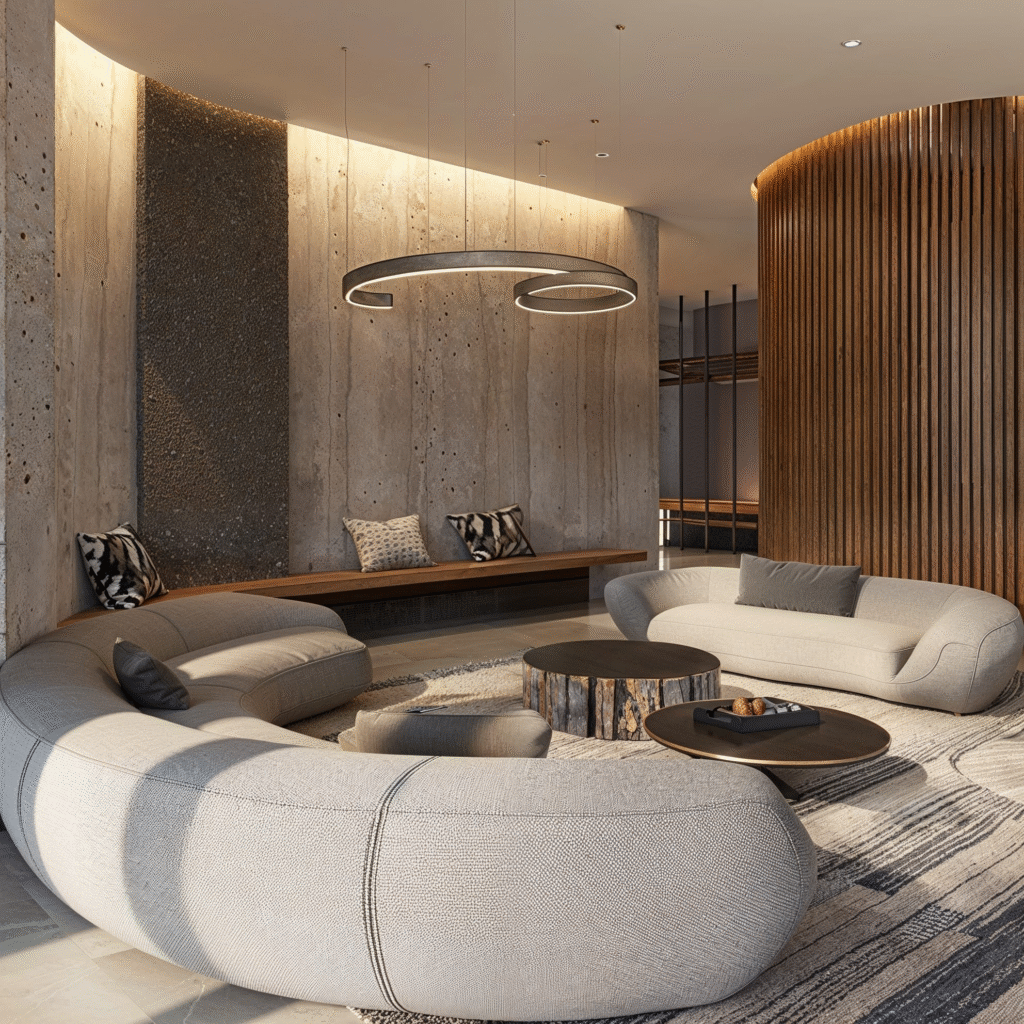
Modern minimalist furniture is distinct for its emphasis on simplicity and functionality, while steering clear of unnecessary embellishments. One of the hallmark traits of this style is the presence of clean lines that create a sense of harmony and balance within a space. This characteristic not only contributes to the overall aesthetic but also emphasizes an uncluttered environment, which is integral to the minimalist philosophy.
An equally important aspect of modern minimalist furniture is its color palette. Typically, designers gravitate towards neutral tones such as whites, grays, and beiges. These subdued colors not only enhance the feeling of spaciousness but also allow for easy integration with various decor styles. The use of a limited color scheme allows the furniture pieces to stand out as key design elements without overwhelming the viewer.
The materials used in modern minimalist furniture are critical in defining its quality and longevity. Furniture made from high-quality, sustainable materials such as hardwood, metal, or glass not only conveys a sense of elegance but also aligns with the minimalist ethos of durability. When selecting furniture, it is essential to consider how different materials can influence both the aesthetic appeal and functional aspects of the pieces.
Moreover, the functional shapes of modern minimalist furniture play a significant role in its overall effectiveness. Furniture is designed with practicality in mind, featuring versatile items that can serve multiple purposes, such as convertible sofas or multifunctional coffee tables. This focus on utility aligns with the minimalist approach, which advocates for thoughtful selections that meet essential needs without extraneous clutter.
In essence, understanding these key characteristics — clean lines, a neutral color palette, quality materials, and functional shapes — not only enables consumers to identify true modern minimalist furniture but also encourages informed purchasing decisions that embody this philosophy.
Top Modern Minimalist Furniture Pieces to Consider
In today’s design landscape, modern minimalist furniture pieces are celebrated for their simplicity and elegant form. When considering which items might be worth the investment, it’s essential to focus on those that blend functionality with aesthetic appeal. Here is a curated list of essential furniture pieces that cater to minimalistic tastes and practical needs.
The first item to consider is a sleek, low-profile sofa. This piece typically features clean lines and neutral fabrics, effortlessly complementing various interior styles. A low-profile sofa not only enhances the room’s spaciousness but also invites an uncluttered vibe, making it ideal for both small apartments and larger living areas.
Another staple in modern minimalist design is the dining table. Opt for a round or rectangular table made from natural materials, such as wood or glass, to create an inviting atmosphere. These tables encourage conversation and are easy to pair with a variety of chair styles, providing versatility without compromising on style.
Moreover, a minimalist coffee table can serve as a focal point in the living room. Look for tables with geometric shapes or open bases that emphasize airiness. It’s essential that the table is functional, offering space for books, drinks, or decor without overwhelming the surrounding space.
Storage is another critical consideration in minimalism, and a well-designed shelving unit should not be overlooked. Open shelving allows for the display of selected decor items while minimizing visual clutter. Choose units that are adjustable or come in modular formats to adapt over time as needs change.
Finally, investing in a minimalist desk is vital for creating a conducive workspace at home. A minimalist desk should provide ample surface area without excessive ornamentation. Prioritizing ergonomics and materials that promote productivity will ensure a functional, stylish work area.
For those interested in enhancing their living spaces, these curated modern minimalist furniture pieces can be found at reputable online retailers. Take the time to explore various styles and designs that speak to your personal aesthetic while fulfilling practical needs.
How to Incorporate Minimalist Furniture into Your Space
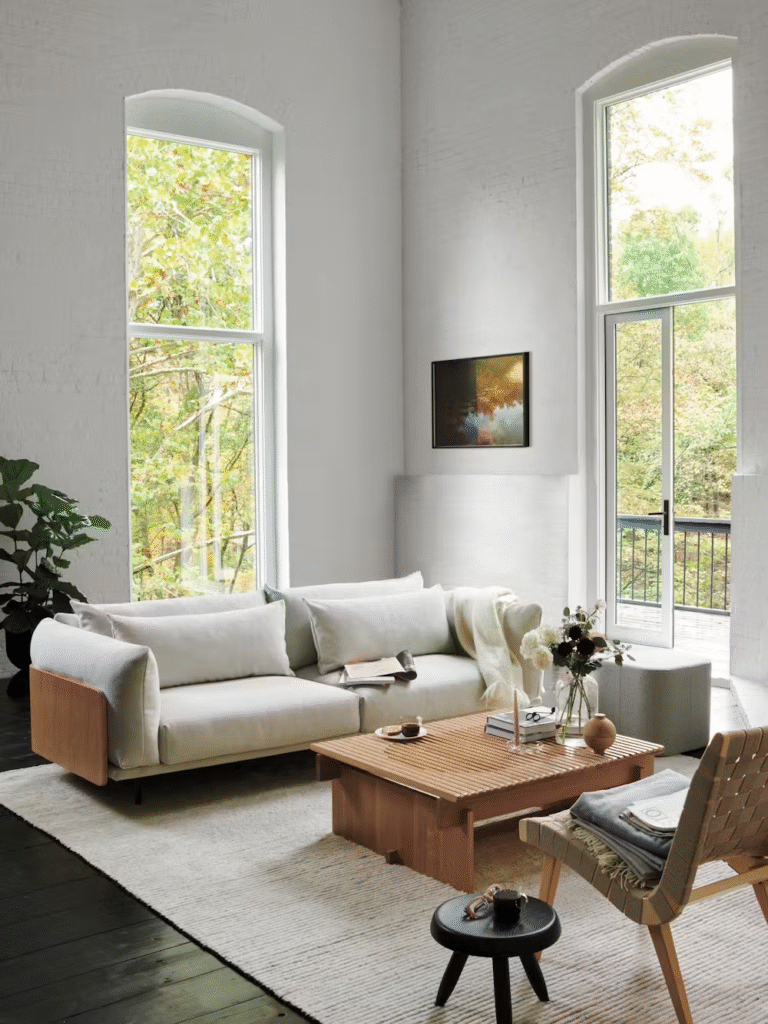
Incorporating minimalist furniture into your home can transform your living environment into a serene and aesthetically pleasing space. One effective strategy is to start with a neutral color scheme. Soft whites, greys, and beiges create a calm backdrop that enhances the simplicity of minimalist furniture. These colors not only allow your chosen pieces to stand out but also promote a sense of tranquility, which is a key element in minimalist design.
Next, consider selecting multi-functional furniture pieces that serve more than one purpose. For instance, a beautifully designed coffee table with built-in storage can significantly reduce clutter while providing a functional surface for your daily needs. Similarly, a minimalist sofa that can convert into a guest bed maximizes utility without compromising style. This approach not only supports the minimalist ethos but also ensures that your space remains practical and adaptable to your lifestyle.
Creating an uncluttered environment is essential when integrating minimalist furniture. Begin by decluttering your space and removing unnecessary items that do not serve a purpose. This can be achieved by opting for open shelving instead of traditional cabinets, allowing for negative space that emphasizes the beauty of your minimalist pieces. Additionally, when you choose decor, limit yourself to a few carefully selected items that complement your furniture rather than overcrowding the space.
Lighting plays a significant role in minimalist design as well. Natural light, when allowed to flow freely, enhances the openness of a room. Consider using sheer curtains or leaving windows unadorned to invite more light in. Furthermore, strategically placed minimalist light fixtures can accentuate specific areas in your space, drawing attention to the simplicity and elegance of your furniture choices.
By following these suggestions, you can successfully incorporate minimalist furniture into your home, creating a space that reflects both style and functionality.
Maintaining Your Minimalist Furniture
Maintaining minimalist furniture requires a thoughtful approach that emphasizes both cleanliness and preservation. The simplicity of minimalist designs often highlights materials such as wood, metal, and upholstery, which can be susceptible to everyday wear and tear. To retain the aesthetic and ensure longevity, proper maintenance routines are essential.
When it comes to cleaning techniques, start with a regular dusting schedule. Use a microfiber cloth to effectively remove dust and debris from surfaces without scratching the finish. For wood finishes, it is advisable to employ a damp cloth occasionally, followed by drying with a soft towel to prevent moisture damage. Additionally, for surfaces that are frequently used, such as dining or coffee tables, consider using coasters to prevent water marks and heat damage.
It is equally important to protect furniture from potential damage. Consider using felt pads underneath furniture legs, particularly on hardwood or tile floors, to avoid scratches. If the furniture is exposed to direct sunlight, position it away from windows or utilize window treatments to minimize UV exposure, which can lead to fading over time. Furthermore, be cautious with the placement of items that could leave marks or stains on the surface, such as drinks or heated objects.
For upholstery care, always check the manufacturer’s recommendations for cleaning. Spot cleaning with a mild detergent on soft fabrics can help maintain their appearance, while a steam cleaner may be appropriate for deeper cleans. Avoid harsh chemicals, as these may damage the fabric. For maintenance of natural wood finishes, periodic application of wood polish can enhance the appearance and provide a protective barrier against dust and minor scratches.
In conclusion, while minimalist furniture is crafted for durability, adhering to a regular maintenance routine will preserve its beauty and functionality. By implementing these care techniques, you will not only extend the life of your furniture but also enjoy its timeless appeal for years to come.
The Environmental Impact of Minimalism
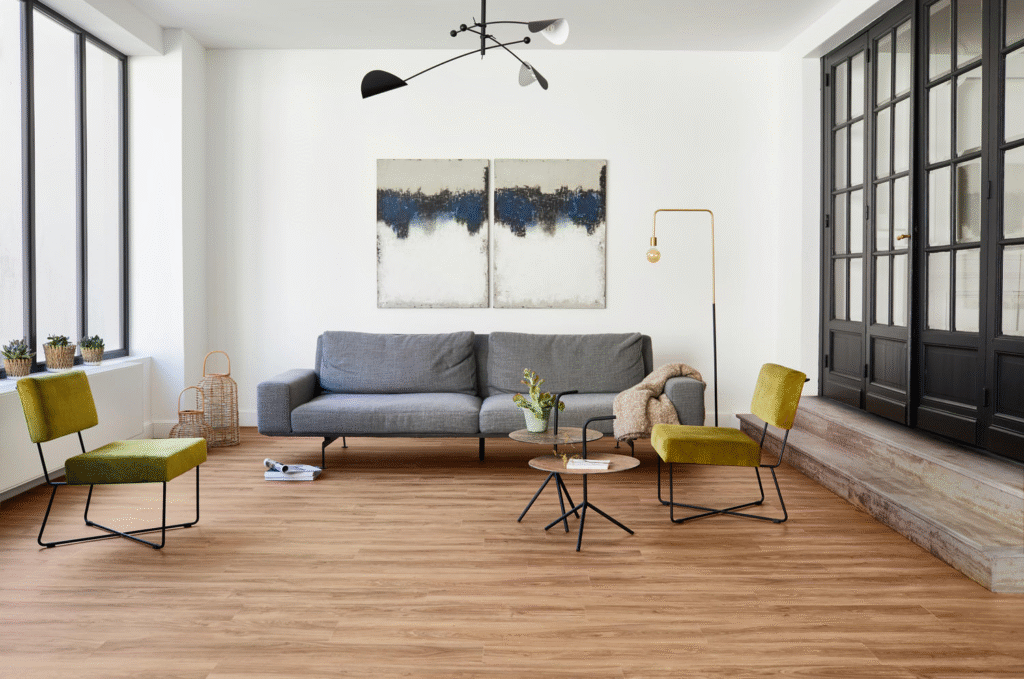
In recent years, the minimalist design philosophy has gained significant traction, not only as an aesthetic choice but also as a responsible lifestyle that prioritizes sustainability. When considering modern minimalist furniture, one stands out as a compelling advantage: the reduced environmental impact associated with choosing it. Minimalism inherently promotes a more thoughtful approach to consumption by encouraging individuals to opt for fewer pieces of higher quality, thereby reducing the cycle of fast furniture production and disposal.
By concentrating on quality over quantity, minimalist furniture often utilizes sustainable, eco-friendly materials. Many manufacturers are now adopting responsible sourcing practices, drawing from renewable resources such as bamboo, reclaimed wood, or recycled metal. These materials not only enhance the longevity of the pieces but also contribute to less waste in landfills. This conscientious choice of materials reflects a growing awareness within the furniture industry to mitigate environmental damage and promote a lower carbon footprint.
Moreover, minimalist furniture is designed to last. Many sleek, multifunctional pieces prioritize durability and classic design over fleeting trends, resulting in a longer lifespan. This endurance reduces the frequency of replacements, which is a major contributor to waste generation and unnecessary consumption. By investing in well-crafted minimalist designs, consumers engage in responsible decor investments that align with sustainable living practices.
Additionally, minimalist furniture often employs environmentally friendly manufacturing processes. This includes low-VOC finishes and non-toxic adhesives, ensuring that the indoor environment remains healthy without compromising on style. Such practices not only benefit the environment but also have positive effects on occupants’ well-being. By embracing minimalist furniture, individuals take significant strides towards a more sustainable future, reinforcing the philosophy that less can indeed be more, both aesthetically and ecologically.
Cost vs. Value: Is Minimalist Furniture Worth the Investment?
When considering the acquisition of minimalist furniture, a common concern is the perceived discrepancy between cost and value. While it is true that many pieces come with a higher price tag, it is essential to analyze the factors contributing to this cost. Minimalist furniture typically prioritizes quality craftsmanship, using premium materials that ensure durability. Over time, this can translate to significant savings, as such furniture is less likely to require replacement or repairs compared to cheaper alternatives.
Another crucial aspect of minimalist design is its timeless appeal. Unlike trends that may fade, minimalist styles often harmonize with various interior aesthetics, making them a versatile choice for homeowners. This longevity in design allows for sustained value, as these pieces can adapt to changing tastes over the years, serving both functional and aesthetic purposes. When choosing furniture, considering the long-term impact on one’s living space can help justify the initial investment.
Moreover, purchasing minimalist furniture can lead to an overall enhancement of one’s living environment. The clean lines and uncluttered design synonymous with modern minimalism contribute to a sense of tranquility and spaciousness, which is often undermined by overcrowded spaces filled with lower-quality items. This aspect, while somewhat subjective, adds intrinsic value to the investment.
In light of these considerations, it becomes evident that while the upfront costs of minimalist furniture may seem daunting, the benefits of enhanced craftsmanship, longevity, and timeless design offer substantial justification for the investment. Homeowners inclined to embrace this style can thus feel reassured that their choice provides not only immediate satisfaction but long-term gains as well.
Conclusion: Embracing Minimalism in Home Decor
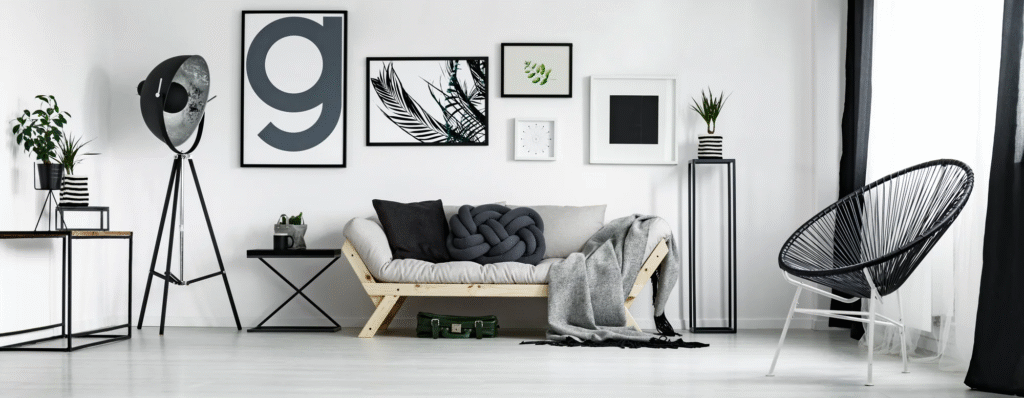
In recent years, modern minimalist furniture has gained considerable attention, not merely as a trend, but as a transformative approach to home decor. The benefits of adopting minimalism are multifaceted, spanning from the aesthetic appeal to practical implications. By prioritizing simplicity and functionality, minimalist design offers homeowners a unique way to curate their living spaces with intention and mindfulness.
One of the primary advantages of modern minimalist furniture is its ability to enhance the overall ambiance of a room. Clean lines, neutral color palettes, and uncluttered environments contribute significantly to creating serene atmospheres. This style fosters a sense of calm, allowing individuals to enjoy their spaces without being overwhelmed by excess. Minimalist settings encourage organization and focus, contributing to improved mental clarity and well-being.
Furthermore, investing in modern minimalist furniture often leads to long-term savings. Quality pieces with timeless designs reduce the need for frequent replacements, resulting in a more sustainable choice for consumers. As homeowners seek to simplify their lives while making considerate use of resources, the practicality of minimalism becomes increasingly appealing. Additionally, it is worth noting that minimalist designs are versatile, seamlessly integrating into various architectural styles and personal preferences.
As you reflect on the potential of modern minimalist furniture to elevate your home, consider how embracing this aesthetic can facilitate a more harmonious lifestyle. Every piece in a minimalist space serves a purpose and contributes to the larger narrative of tranquility and elegance. We encourage you to explore the affiliate links shared throughout this post, as they lead to thoughtfully selected furniture that embodies modern minimalism. By investing in these pieces, you can transform your home into a sanctuary of beauty and simplicity.
This post may contain affiliate links, which means we may earn a small commission if you purchase through them—at no extra cost to you. Hopefully we can help you find something that helps you.