
Introduction to Vintage Interior Design
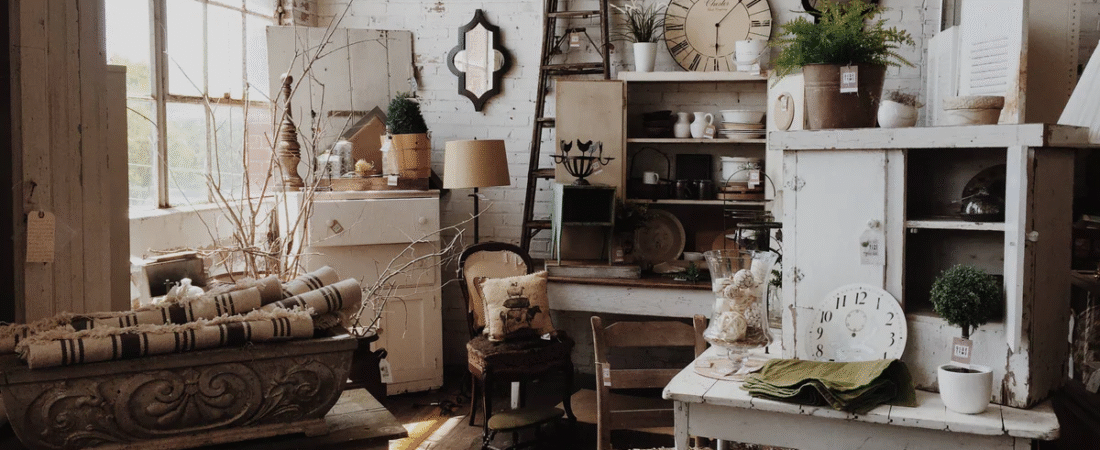
Vintage interior design is a distinctive style that emphasizes the charm and character of items from the past. It transcends mere decoration, as it envelops spaces in a narrative that evokes nostalgia and warmth. The significance of incorporating vintage elements in modern home decor lies not only in aesthetic appeal but also in the emotional connections these items can inspire. By integrating pieces that carry history, homeowners can create environments that are both inviting and meaningful.
The term “vintage” often refers to items that are at least 20 years old and may encompass a wide array of styles, including Art Deco, Mid-Century Modern, and Shabby Chic. Each of these styles contributes uniquely to the ambiance of a room, weaving stories of bygone eras into contemporary living spaces. The classic appeal of vintage pieces allows for their versatility, making them suitable for various decorative schemes, from eclectic to minimalist. In fact, a well-placed vintage item can serve as a stunning focal point, drawing attention and sparking conversation.
Moreover, the use of vintage elements extends beyond mere aesthetics; it resonates with a growing trend towards sustainability. By repurposing and showcasing vintage items, individuals not only embrace style but also contribute to eco-friendly practices. Vintage interior design encourages the reimagining of old pieces, breathing new life into them and promoting a thoughtful approach to home decoration.
As we delve deeper into the subject, the following sections will explore specific vintage touches that can elevate home interiors, showcasing how small elements can create impactful statements and timeless beauty within any space. The introduction of vintage pieces into your home can cultivate a sense of warmth and familiarity, inviting both comfort and style that embraces the rich traditions of the past while harmonizing with modern life.
Understanding Vintage Aesthetics
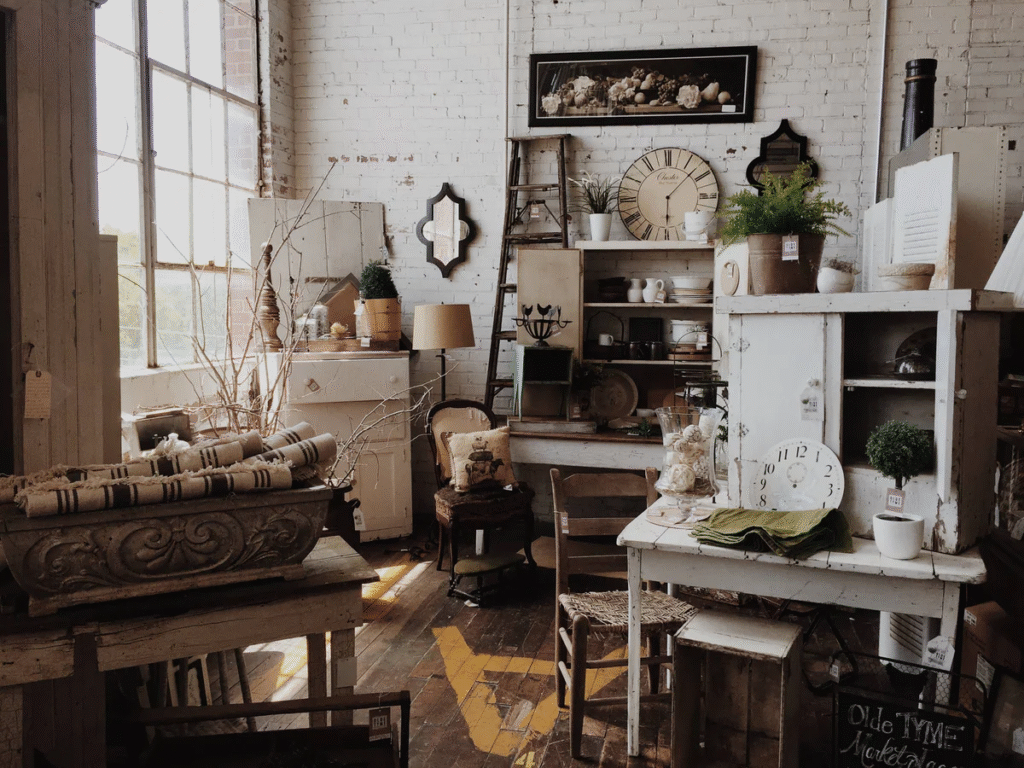
Vintage aesthetics embody a unique charm that harkens back to different eras, allowing homeowners to evoke a sense of nostalgia and timeless beauty within their living spaces. These designs typically showcase muted color palettes, rich textures, and a thoughtful selection of materials that create an inviting and cohesive atmosphere. By understanding the various aspects of vintage aesthetics, individuals can make informed decisions about incorporating vintage elements into their current decor.
Color plays a pivotal role in defining vintage interiors. Soft pastels, muted earth tones, and deep jewel shades are often characteristic of various vintage styles. For instance, a mid-century modern aesthetic may highlight bold colors like teal and mustard, while Victorian design often employs darker shades, such as burgundy and forest green. Homeowners looking to achieve a vintage look can draw inspiration from these historical palettes to create a harmonious balance with their existing decor.
Textures are equally important in establishing a vintage feel. Materials such as distressed wood, plush velvet, and worn leather contribute to an inviting and warm environment. Incorporating these textures through vintage furniture pieces or textiles can enhance the overall aesthetic of a room. For example, a modern interior can be softened by introducing a vintage rug or upholstered chair, which adds not only visual interest but also tactile appeal.
Furthermore, understanding the significance of materials is crucial in vintage design. Classic elements such as wrought iron, antique brass, and ceramic finishes create an authentic vintage atmosphere. Homeowners can enrich their decor by selectively choosing vintage accessories and furniture that align with these material qualities, ensuring they complement rather than clash with the existing elements of their home.
In essence, recognizing the essential characteristics of vintage aesthetics helps homeowners curate a space that reflects timeless elegance and style, effectively merging the past with contemporary living.
Essential Vintage Furniture Pieces
Incorporating vintage furniture into your home design can introduce a unique charm and character that modern pieces often lack. Among the most iconic vintage furniture items are mid-century modern chairs, ornate wooden cabinets, and industrial tables. Each of these elements not only serves a functional purpose but also acts as a conversation starter, encapsulating the style and essence of the time period from which they emerge.
Mid-century modern chairs, with their clean lines and functional forms, reflect a design philosophy that embraces simplicity and a connection to nature. Brands like Eames and Hans Wegner produced chairs that remain highly sought after today. Their designs typically include organic shapes and innovative materials, making them comfortable and aesthetically pleasing. Integrating these chairs into your seating arrangements can add a splash of sophistication and a nod to design history.
On the other side, ornate wooden cabinets showcase craftsmanship and intricate detailing that often cannot be replicated in contemporary furniture. These cabinets can serve as functional storage while simultaneously acting as a focal point within a room. Their rich textures and finishes allow for versatility in styling, transcending trends and adding a classic feel to your interior. When selecting such pieces, look for quality construction and detail that reflects their vintage origins.
Industrial tables, characterized by their robust materials and utilitarian designs, bring an edgy yet timeless appeal to any dining or living space. These tables often feature elements like distressed wood and metal frames, embodying the raw aesthetics of the industrial revolution. When paired with softer textiles and colors, industrial tables provide a balanced contrast that enhances the overall ambiance of a room.
When sourcing vintage furniture, it is crucial to differentiate between authentic pieces and reproductions. Authentic vintage items, with their unique histories and craftsmanship, are more likely to appreciate over time and contribute to the character of your space. Selecting quality vintage furniture not only elevates your home’s aesthetic but also fosters a connection to the past, instilling a sense of timeless beauty in your living environment.
Incorporating Vintage Accessories
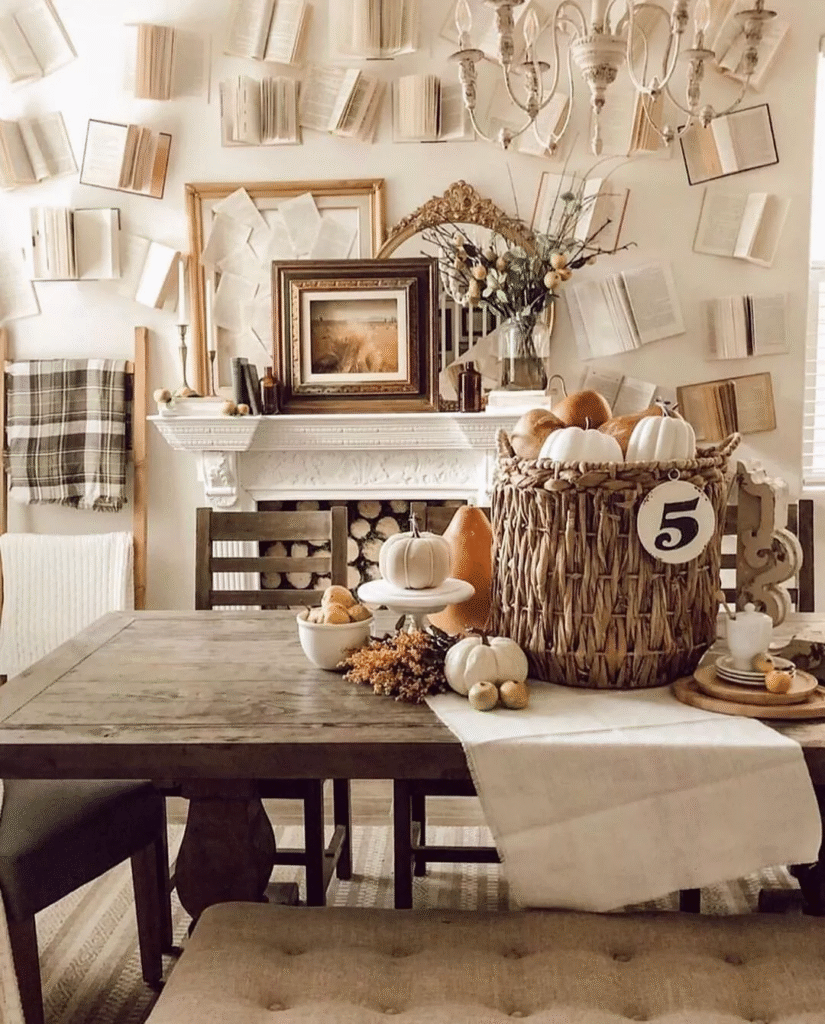
Integrating vintage accessories into your home decor can profoundly enhance the aesthetic appeal of your interiors. These elements possess unique characteristics that infuse rooms with personality and style, drawing inspiration from eras long past. One highly impactful accessory is antique mirrors. Their intricate frames and reflective surfaces can create an illusion of space, making smaller rooms feel larger, while adding an element of sophistication. When placed strategically, these mirrors can also maximize natural light, making your living space feel bright and airy.
Another significant way to achieve a vintage ambiance is through the use of vintage rugs. These pieces often feature unique patterns and textures that can serve as focal points in any room. A well-chosen vintage rug not only provides comfort underfoot but also anchors the decor, tying together various elements and colors throughout the space. Whether it’s a Persian runner in a hallway or a Turkish kilim in the living room, these textiles can add warmth and charm.
Additionally, unique light fixtures can make a considerable impact on the overall aesthetic. Vintage chandeliers, pendant lights, or even repurposed table lamps can serve as artistic statements that elevate the interior. Opting for fixtures with intricate detailing or historical significance adds a storytelling element to your home, inviting guests to engage and inquire about their origins.
Lastly, consider vintage wall art to bring character to your spaces. From framed prints to antique paintings, these accessories are a fantastic way to display your personality and style. They often carry rich histories and stories, making them conversation starters. In harnessing these vintage accessories, you can create an inviting atmosphere filled with layers of charm and timeless beauty that pay homage to the past while remaining harmonious with contemporary design elements.
The Role of Color in Vintage Design
Color is a fundamental aspect of interior design that significantly contributes to the ambiance of a space, particularly within the vintage style. Through thoughtful selection and application of color, homeowners can create a nostalgic atmosphere that encapsulates the charm of bygone eras. Various vintage designs are characterized by specific color schemes that evoke feelings of warmth and authenticity. Popular choices often include muted pastels, soft creams, and gentle earth tones, which can enhance a calming and inviting environment. Conversely, bold jewel tones—such as emerald green, sapphire blue, and rich burgundy—can add drama and sophistication, making spaces feel luxurious and richly layered.
To effectively incorporate these vintage colors into home decor, consider using them in key elements of the space. Paint is one of the most straightforward methods to infuse vintage hues; for instance, soft mint green or dusty rose can bring life to walls without overwhelming other decor elements. When selecting paint colors, it’s vital to test samples in different lighting conditions, as this can affect how the colors appear throughout the day.
Beyond paint, upholstery plays a crucial role in embracing vintage color schemes. Opt for fabrics with classic patterns—like florals, stripes, or checks—that incorporate the chosen vintage colors. Using these fabrics on furniture such as couches, chairs, and cushions can seamlessly tie the room together. Additionally, accessories—such as rugs, curtains, and decorative items—should complement the overall color palette. Vintage-inspired accessories in matching tones can help reinforce the designated atmosphere while also adding an element of individuality to the design.
Ultimately, the strategic use of color in vintage design not only enhances the aesthetic appeal of a space but also imbues it with a sense of history and character. Through careful selection of tones and their application in various elements of home decor, one can achieve a timeless beauty that resonates throughout the home.
Pairing Vintage with Modern Elements
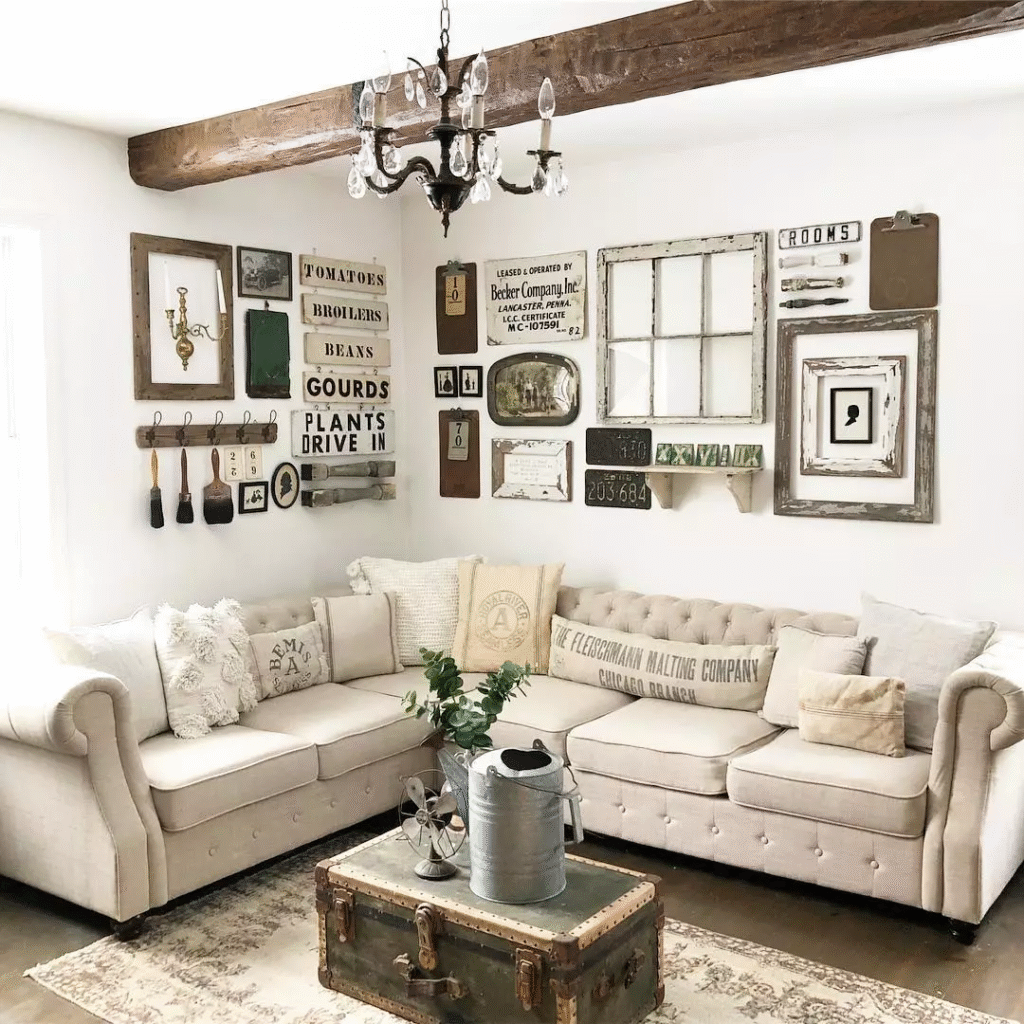
Incorporating vintage touches into a modern home can create a striking visual dialogue that emphasizes the charm of both eras. The challenge lies in achieving a balance that results in a cohesive and harmonious environment. To facilitate this, careful selection and placement of decor items is essential. Choosing a few standout vintage pieces can serve as focal points, setting the tone for the space while allowing modern elements to complement them seamlessly.
One effective strategy for merging these styles is through layering. For example, a contemporary sofa might be accented with vintage throw pillows or a unique antique blanket, which can introduce texture and character without overwhelming the modern aesthetic. Consider using a mix of antique and modern lighting fixtures, as they can provide visual interest and enhance the overall ambiance of a room. A vintage chandelier can add elegance when paired with sleek, minimalist furnishings, creating a dramatic yet inviting atmosphere.
Another approach is to consider color palettes and materials that naturally bridge the gap between vintage and modern. Neutral colors can unify the two styles, while pops of bolder hues in vintage artworks or decorative accessories can enliven the space. Furthermore, relying on sustainable materials that were popular in both eras can help maintain a consistent design narrative. For instance, reclaimed wood from vintage furniture can be used in contemporary design, complimenting both styles while preserving their essence.
Placement is key when integrating vintage and modern elements. Displaying vintage items in designated areas, such as a curated gallery wall or a dedicated vignette on a shelf, allows them to stand out without clashing with surrounding modern decor. By adopting these guidelines and carefully selecting each piece, homeowners can successfully pair vintage with modern elements to create a uniquely stylish and comfortable living space.
Sourcing Vintage Items Responsibly
When it comes to incorporating vintage decor into your home, sourcing these unique items responsibly contributes significantly to sustainability and mindful consumption. There are numerous avenues to explore that can yield beautiful and timeless pieces without contributing to waste or supporting environmentally harmful practices.
One accessible option for finding vintage decor is thrift stores. These establishments often stock a diverse range of items, from furniture to decorative pieces, at affordable prices. Regular visits can yield delightful surprises, and items here are usually donated, meaning they are a sustainable choice. Additionally, estate sales can provide an opportunity to acquire high-quality, well-preserved pieces that tell a story. These sales often occur when families wish to liquidate belongings, making them great places to discover furniture and decor rich in history.
Flea markets are another fantastic resource for sourcing vintage items. These markets typically showcase a variety of vendors, each offering eclectic selections that can include anything from mid-century modern furniture to antique ceramics. Not only do flea markets support local artisans and small businesses, but they also promote recycling by giving new life to previously owned items. Online platforms, such as Etsy or eBay, also offer convenient ways to find vintage decor. These sites typically feature sellers who curate collections of antique and vintage pieces, allowing buyers to shop from the comfort of their homes while ensuring they source items ethically.
By prioritizing sustainable options when sourcing vintage decor, homeowners not only enhance their living spaces but also contribute positively to the environment. Choosing second-hand and vintage items is a conscious choice that reduces waste and promotes the longevity of beautiful, timeless pieces that can be cherished for generations.
Maintaining and Caring for Vintage Decor
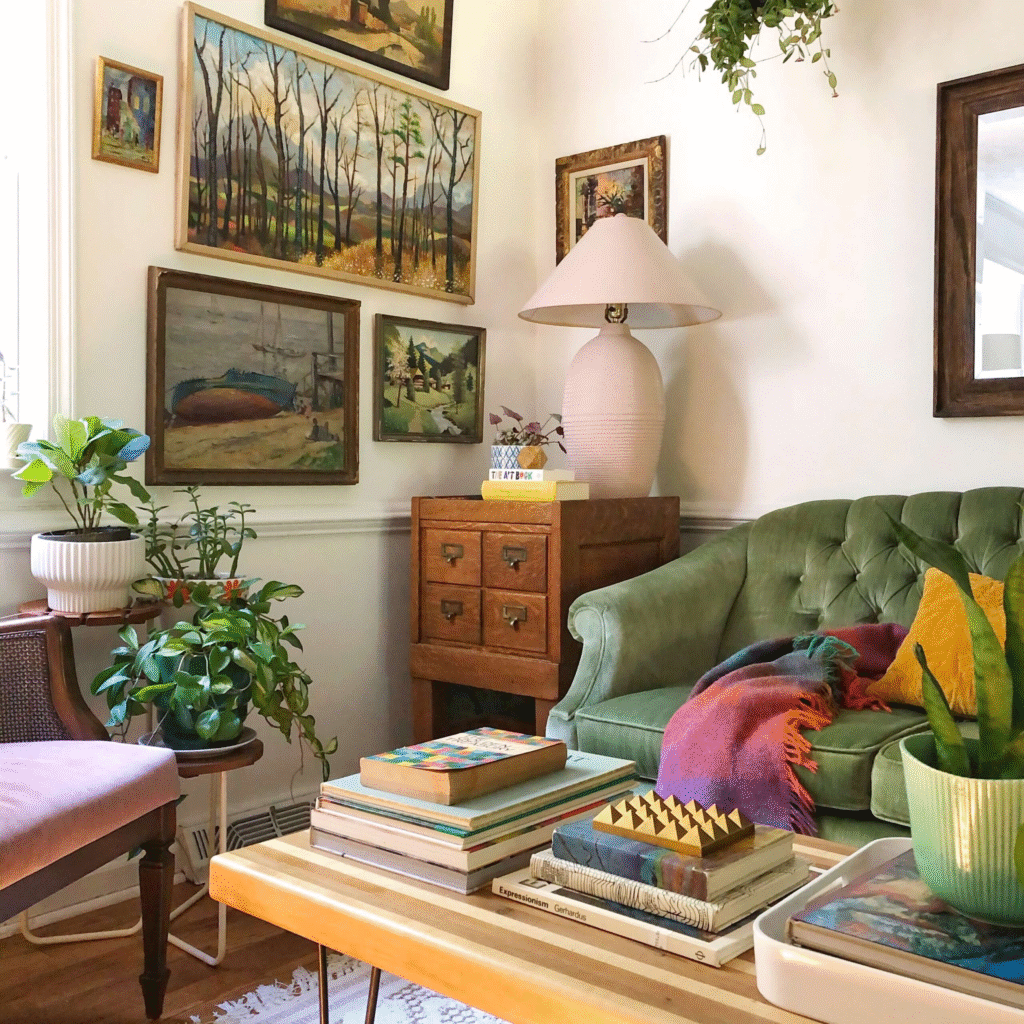
Preserving the beauty and integrity of vintage decor requires a thoughtful approach to maintenance and care. Vintage items, whether they are furniture, accessories, or artworks, bear a unique charm that can easily diminish if not treated appropriately. This section provides practical advice on how to ensure that these cherished pieces remain vibrant and functional for years to come.
First and foremost, dusting is a critical practice. Regularly using a soft, dry microfiber cloth helps to remove dust accumulation without scratching the surfaces. For furniture, consider using a slightly damp cloth to achieve a deeper clean, but be cautious to avoid saturating the wood, as excess moisture can lead to warping or mold growth. For glass surfaces, a gentle glass cleaner can be employed, ensuring that it is non-ammonia-based to prevent damage to any vintage finishes.
When cleaning vintage textiles, such as upholstery or curtains, it is advisable to follow the manufacturer’s labels or seek out a professional cleaning service experienced with delicate fabrics. Spot cleaning should be undertaken with care, using products specifically designed for vintage fabrics to avoid discoloration or deterioration.
Restoration may also be necessary for some vintage items over time. This can range from minor repairs, such as replacing broken knobs or refinishing a scratched tabletop, to more extensive restoration work. It is often wise to consult with a professional restorer who specializes in vintage items to ensure that repairs maintain the aesthetic and value of the piece.
Finally, protecting vintage decor from environmental factors is essential. This includes placing items away from direct sunlight, which can fade colors, and maintaining a stable humidity level to prevent warping or cracking. Utilizing furniture pads can also protect vintage items from damage while in use. By adhering to these care practices, collectors and enthusiasts can enjoy their vintage decor for countless years while preserving its beauty and historical value.
Conclusion: Embracing Timelessness in Your Home
Incorporating vintage elements into home design offers a unique opportunity to create spaces that resonate with character and history. The charm of vintage decor stems not only from the aesthetic appeal but also from the stories and memories each piece carries. As individuals explore different styles, they can seamlessly integrate vintage touches into their contemporary settings, thus bridging the gap between the past and the present.
By selecting timeless furniture, retro-inspired accessories, and unique vintage finds, homeowners can produce a harmonious blend that reflects their personal style while honoring tradition. Vintage pieces, whether it be an antique chest, classic lighting fixtures, or retro textiles, often serve as focal points that elevate the overall design. These elements not only enhance visual interest but also provide depth to one’s living space, setting it apart from more modern, mass-produced options.
Embracing vintage doesn’t mean sacrificing modern comforts; rather, it represents a thoughtful approach to home design. The key lies in making informed choices about which vintage elements to include, ensuring they resonate with one’s personality and taste. Each selection can be a statement of individuality, showcasing a curated style that feels uniquely yours. Therefore, as individuals embark on this journey of incorporating vintage touches into their homes, they should remember that the process is as meaningful as the result. It is about creating a comfortable and inviting atmosphere that is steeped in character, nostalgia, and beauty.
Ultimately, the celebration of vintage decor signifies a movement towards embracing the past while thoughtfully considering the future. By valuing timelessness in home design, one can cultivate spaces that are not only visually appealing but also deeply personal, evoking a sense of belonging and warmth that remains unmatched.
This post may contain affiliate links, which means we may earn a small commission if you purchase through them—at no extra cost to you. Hopefully we can help you find something that helps you.