

Introduction to Home Garden Design Ideas
Home garden design ideas play a crucial role in enhancing the aesthetics and functionality of outdoor spaces. A well-considered garden design not only beautifies a property but also provides an opportunity for homeowners to express their creativity and style. By thoughtfully integrating various elements such as plants, pathways, lighting, and hardscape features, one can create a harmonious environment that fosters both relaxation and social interactions.
Moreover, good garden design can significantly improve property value. A beautifully landscaped garden is often one of the first features potential buyers notice, making it a valuable investment. With the right layout and selection of plants, homeowners can create inviting outdoor spaces that can serve as extensions of their living areas. The use of innovative features such as outdoor seating, water elements, and decorative accents can transform an ordinary garden into an extraordinary retreat, providing spaces for gathering, entertaining or simply enjoying nature.
In addition to aesthetic appeal, home garden designs can greatly enhance the functionality of outdoor areas. They allow for the creation of designated spaces for various activities, be it gardening, cooking, or family gatherings. Thoughtfully placed pathways can guide visitors through the garden, while strategically positioned seating areas provide cozy spots for rest and contemplation. With contemporary garden design products available on the market today, the possibilities for achieving a stylish and functional outdoor space are virtually limitless.
By emphasizing usability alongside beauty, homeowners can cultivate serene environments that promote relaxation and enjoyment. From choosing the right plants to incorporating innovative design elements, effective home garden design ideas can elevate any outdoor space into a personal sanctuary.
Vertical Gardens: An Innovative Solution for Modern Spaces
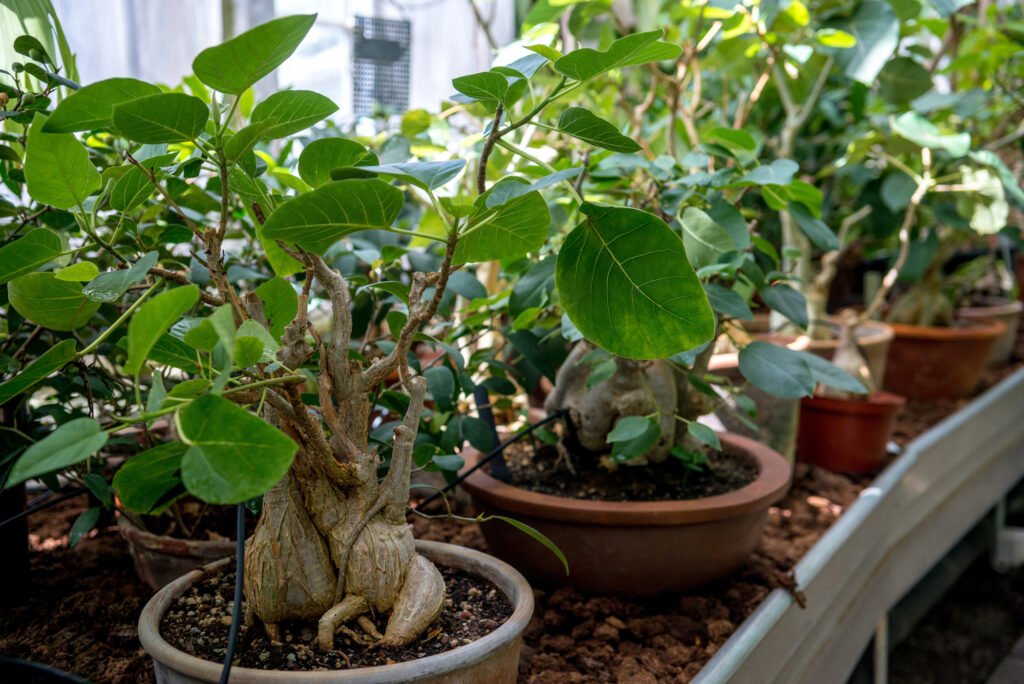
Vertical gardens, also known as living walls or green walls, are an innovative solution that maximizes gardening potential, particularly in limited spaces. As urban living becomes increasingly prevalent, the appeal of vertical gardens has surged, providing a modern and aesthetically pleasing way to incorporate greenery into homes. By utilizing vertical space, these gardens allow homeowners to cultivate a vibrant assortment of plants, even in the smallest of areas, making them a popular choice for urban dwellers.
A key advantage of vertical gardening is its ability to enhance air quality and may even contribute to improved mental well-being. The plants can effectively reduce carbon dioxide levels and help to purify the air in your living environment. Furthermore, vertical gardens offer a range of design possibilities, enabling individuals to express their creativity and personalize their living spaces. From wall-mounted planters to freestanding trellises, various products are available on the market to assist gardeners in creating their dream vertical garden.
Choosing the right plants is crucial for ensuring the success of a vertical garden. Herbs, succulents, and smaller flowering plants are popular choices due to their ability to thrive in upright arrangements. For those who are more adventurous, cascading plants and foliage can create stunning visual effects and add depth to the garden. Products such as modular vertical planters or wall-mounted pots can help organize the growth of these plants efficiently. Additionally, using trellises for climbing plants can complement your vertical design, offering both practicality and beauty.
Incorporating a vertical garden into your home design not only maximizes space but also contributes positively to the environment. With the right selection of plants and products, you can cultivate a lush, green oasis that is both eye-catching and functional. Consider the addition of a vertical garden to elevate your home ambiance and embrace modern gardening techniques.
Raised Garden Beds
Raised garden beds have quickly gained popularity among gardening enthusiasts for their practicality and numerous advantages. Constructed above ground level, these garden beds provide a controlled environment conducive to healthy plant growth. One of the main benefits of using raised garden beds is the improved soil quality. Since the soil is contained within the bed, gardeners can easily amend it with organic matter, compost, or other soil enhancers tailored to specific plant needs. This approach allows for optimal growing conditions for vegetables and flowers alike, ensuring a higher yield and better quality produce.
Furthermore, raised garden beds significantly improve drainage. The elevated design allows excess water to escape, which reduces the risk of root rot and promotes healthier plant roots. This aspect is particularly beneficial in regions with heavy rainfall or poor drainage conditions. Additionally, by heightening the garden beds, gardeners can reduce back strain, making the process of planting, weeding, and harvesting much more comfortable.
For those looking to incorporate raised garden beds into their home garden design, there are various products available in the market. Raised bed kits provide an easy and efficient solution for gardeners of all skill levels. These kits come with pre-cut wood or recycled materials, complete with necessary hardware, making assembly straightforward. For a more tailored touch, one can opt for custom planters, which allow for unique shapes and sizes, enhancing the aesthetic appeal of any garden space. Overall, raised garden beds not only simplify the gardening process but also contribute positively to the overall functionality and beauty of a home garden.
Water Features

Incorporating water features into home garden designs can significantly enhance the aesthetics and create a serene atmosphere. Various types of water elements, such as ponds, fountains, and waterfalls, offer unique benefits and visual appeal. Each option presents an opportunity to create a tranquil space that invites relaxation and enjoyment.
Ponds are a popular choice among homeowners looking to add depth and interest to their gardens. Installing a pond can easily become a focal point, drawing attention with its reflective surfaces and potential for aquatic life. The addition of koi or goldfish, combined with aquatic plants, can turn a simple water body into a vibrant ecosystem. Many pond kits are available on the market, allowing enthusiasts to create their own water garden with minimal effort. These kits typically include pre-formed liners, pumps, and filters, ensuring a comprehensive solution for homeowners.
Fountains are another charming option, offering the soothing sounds of flowing water. They come in various styles, including wall-mounted, standalone, or even solar-powered options that do not require electrical connections. Solar-powered fountains are particularly appealing as they harness renewable energy, minimizing environmental impact and reducing utility costs. These fountains can be incorporated into existing garden designs, making them a versatile choice for any landscape.
Waterfalls, whether installed as part of a pond setup or as standalone features, add dynamism to any garden. The sound of cascading water can create a peaceful ambiance, making it an excellent choice for relaxation areas or meditation spots. Prefabricated waterfall kits are widely available, allowing homeowners to achieve a professional look without the need for extensive construction skills.
Ultimately, the integration of water features like ponds, fountains, and waterfalls can enhance the overall ambiance of a garden, providing both aesthetic beauty and calming effects. These elements not only elevate the visual appeal but also promote biodiversity, making them essential components of modern garden design.
Garden Lighting
Garden lighting plays a pivotal role in enhancing the ambiance of outdoor spaces, transforming a simple garden into a stunning evening oasis. By integrating various types of lighting, homeowners can extend the usability of their gardens into the night, allowing for leisure and entertainment under the stars. Effective garden lighting not only beautifies the space but also improves safety by illuminating pathways and other potential hazards.
Among the most popular options are string lights, which lend a charming and whimsical feel to any garden. They can be draped across trees, trellises, or patio structures to create an inviting atmosphere. For a more subtle and functional approach, solar garden lights are an excellent choice. These lights charge during the day and automatically illuminate your garden at dusk, offering eco-friendly and energy-efficient solutions that do not require electricity or complicated installations.
Path lights are another essential component of garden lighting design. These fixtures are strategically placed along walkways to guide guests safely while adding an elegant touch. Available in various designs, from sleek modern styles to rustic lanterns, path lights can be both decorative and practical, making them ideal for any aesthetic preference.
When considering product recommendations, options such as the Ring Smart Lighting Solar Pathlight and string light kits from brands like Philips Hue or Twinkly offer versatility and functionality for any garden. Incorporating these lighting solutions ensures that your garden is not only a daytime retreat but also a vibrant evening gathering space. By thoughtfully implementing garden lighting, homeowners can elevate their landscaping and create a welcoming environment, making outdoor living enjoyable at any hour.
Edible Gardens
Creating an edible garden offers numerous advantages for home gardeners and food enthusiasts alike. Not only does it provide a fresh and sustainable source of fruits, vegetables, and herbs, but it also fosters a connection with nature, promotes healthier eating habits, and reduces the carbon footprint associated with store-bought produce. By growing your own food, you can ensure that it is free from pesticides and chemicals, often resulting in tastier and more nutritious options.
When starting an edible garden, consider incorporating a variety of easy-to-grow plants. Popular choices include tomatoes, peppers, lettuce, and herbs such as basil, mint, and parsley. These plants are not only well-suited for beginners but also adapt well to different climates and can be cultivated in various settings, from small balconies to larger backyards. Selecting the right companion plants can also enhance growth and deter pests, making your edible garden more productive.
To effectively manage your garden, investing in essential products such as planters specifically designed for edibles is crucial. These planters allow for better drainage and aeration, which are vital for healthy root development. Furthermore, lightweight, stackable options enable gardeners with limited space to maximize their planting potential. In addition to planters, quality gardening tools are imperative for maintaining a thriving garden. Beginner gardeners might find hand trowels, pruners, and watering cans particularly useful.
Moreover, consider utilizing organic fertilizers and natural pest control methods to promote a healthy growing environment. With some research and a little effort, you can create a flourishing edible garden that provides delicious and nutritious food for you and your family. The satisfaction derived from harvesting your own produce is unmatched, making the endeavor both rewarding and enjoyable.
Decorative Pathways
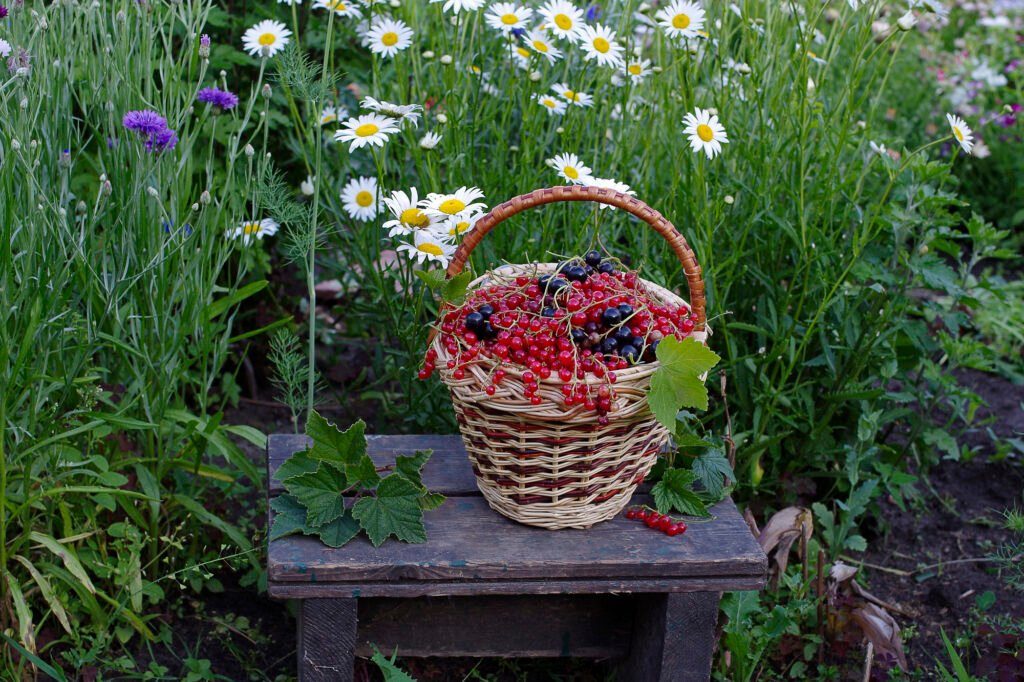
Decorative pathways are an essential element in garden design, serving both functional and aesthetic purposes. These pathways guide visitors through the garden while enhancing its overall appearance. A well-constructed path can create a flow that connects different sections of the garden, making it inviting and easy to navigate. When considering materials for decorative pathways, several options are available, each offering unique benefits and visual appeal.
One popular choice is natural stone, which can provide a rustic and organic look. Flagstone or slate can be used to create irregular-shaped paths that blend seamlessly with the surrounding landscape. The texture and color variation in natural stone not only add character but also harmonize with the greenery of a home garden. Alternatively, aggregates like gravel are an economical and versatile option. They allow for easy drainage and present a casual, relaxed feel. Using different sizes or colors of gravel can further customize the pathway, offering a searchable dynamic within the garden.
Pavers are another excellent material for decorative pathways. They come in various designs, shapes, and colors, allowing homeowners to create patterns that reflect their style. Concrete pavers, for example, can be arranged in geometric patterns or even used to create a mosaic effect. Additionally, they provide durability and low maintenance, ensuring that the pathway will withstand the elements over time.
To elevate the look of your pathways, consider incorporating decorative stones or edging materials. Decorative stones can be used to outline the path or fill in spaces between stepping stones, contributing to a polished appearance. Edging materials, such as brick or timber, can also serve to define the pathway, helping to prevent soil erosion while maintaining a tidy look. By thoughtfully selecting materials and incorporating creative touches, decorative pathways can significantly enhance the allure of your home garden.
Garden Furniture
Choosing the appropriate garden furniture is essential for creating an inviting outdoor space that fulfills both aesthetic and practical functions. Whether you envision a serene retreat for relaxation or a vibrant area for hosting gatherings, the selection of furniture should reflect those desires while complementing your overall home garden design ideas. Comfort, style, and durability are key factors that should inform your choices.
Here are some popular categories of garden furniture that can enhance your outdoor area. Firstly, benches make for great seating solutions that not only provide a place to sit but also serve as decorative elements. Opting for hardwood like teak or eucalyptus ensures longevity, while powder-coated metal options can offer a modern touch. Secondly, chairs, particularly those that are lightweight and stackable, allow for flexibility in your garden design. Choose materials such as wicker or aluminum that seamlessly blend comfort and durability.
Dining tables are crucial if you intend to host meals outside. Select tables designed to withstand weather elements, like those made from tempered glass or high-quality resin. Pair them with cushioned chairs to enhance the dining experience. For smaller spaces or patios, consider bar-height tables with accompanying stools, which can create a casual and stylish atmosphere.
Finally, adding accessories like outdoor cushions and throw pillows can elevate comfort while allowing you to introduce color and patterns that fit your garden theme. Choose fabrics that are fade-resistant and easy to clean to ensure they maintain their appearance over time. When planning your garden furniture layout, ensure there is sufficient space to move around comfortably, as this contributes dramatically to the overall enjoyment of your outdoor setting.
Garden Art and Decor
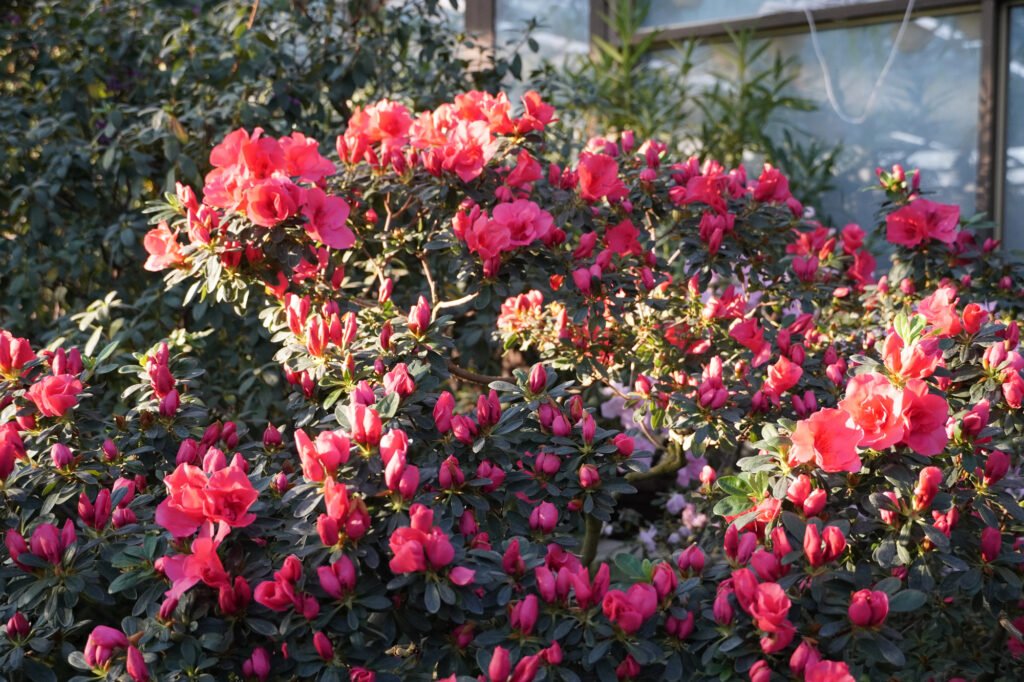
Incorporating garden art and decor is an excellent means to enhance the aesthetic appeal of any outdoor space. These elements provide both character and personalization, transforming an ordinary garden into a vibrant canvas rich with individual expression. A broad array of products is available, allowing homeowners to select pieces that resonate with their personal styles and preferences.
One prominent option is sculptures, which can serve as focal points or embellishments in various garden layouts. From classical figures to modern, abstract structures, there is an abundance of shapes and materials available. Metal sculptures, for instance, can introduce a rustic charm, while those made of stone can convey an ancient, timeless feel. Portals, trellises, or arching sculptures can also create a unique verticality in the garden.
Another artistic avenue to explore is decorative stakes. These items can punctuate flower beds or vegetable patches with color and whimsy. They come in various themes such as whimsical creatures, elegant flowers, or even inspirational quotes. Garden stakes can enhance the atmosphere, inviting curiosity and engagement from visitors or passersby.
Furthermore, personalized signs can be incorporated, displaying names or messages that reflect the owner’s personality or the garden’s theme. This not only fosters a connection between the homeowner and their outdoor space but also gives visitors insight into the space’s story. For example, a sign that reads “Welcome to My Garden” can impart a friendly ambiance, inviting others to explore the beauty within.
Ultimately, garden art and decor are essential components of a well-rounded home garden design. They not only elevate the visual appeal but also enrich the overall character of a space, making it uniquely yours. By thoughtfully selecting these decorative elements, you can truly create a personal sanctuary outdoors.
Privacy Solutions
Creating a private sanctuary within your home garden is essential for relaxation and enjoyment. With increasing urbanization and the close proximity of neighbors, homeowners often find themselves in search of effective privacy solutions. Fortunately, there are several natural and aesthetically pleasing options that can help enhance the secluded feel of your garden space.
One popular method to achieve privacy is through planting hedges. Evergreen varieties such as Boxwood or Arborvitae can provide year-round coverage, serving as natural barriers that block out noise and visibility. Furthermore, the lush greenery they offer can also beautify the overall landscape, aligning seamlessly with contemporary home garden design ideas.
Trellises adorned with climbing plants are another excellent solution to consider. Vines such as Clematis or Wisteria not only offer an attractive visual appeal but also create a living wall that can effectively shield your garden from prying eyes. These natural structures can be strategically placed around seating areas or patios, enhancing privacy while retaining an organic atmosphere.
In addition to plants, incorporating features such as privacy screens or clever garden fencing can significantly bolster your garden’s seclusion. Modern materials like composite wood or bamboo can be utilized to create stylish and durable partitions that blend well with various garden designs. Investing in quality privacy products ensures long-lasting solutions while contributing to the visual cohesion of your outdoor space.
When selecting plant varieties or garden products for privacy, it is vital to consider the growth rates and maintenance needs of your chosen solutions. Ultimately, a well-planned approach that combines natural elements with tasteful design will yield a peaceful retreat in your home garden, allowing you to enjoy your outdoor space in peace.
Conclusion
Home garden design ideas hold significant importance in enhancing the aesthetic appeal and functionality of outdoor spaces. By carefully considering and implementing these ideas, homeowners can transform their gardens into beautiful retreats that not only provide a sense of tranquility but also reflect personal style and creativity. The integration of various elements—be it vibrant plants, elegant garden furniture, or innovative decorative features—can turn even the simplest outdoor area into an inviting oasis.
Moreover, the must-have products discussed in this blog post serve as essential tools for achieving a well-designed garden that meets individual needs. These products, ranging from planters and trellises to lighting solutions and garden accessories, help in optimizing space while promoting harmony and balance. It is crucial for readers to take inspiration from these ideas and consider how such elements can be incorporated into their environments.
Embracing home garden design is not just about aesthetics; it also delves into the practical aspects such as sustainability, ease of maintenance, and enhancing outdoor living experience. As individuals invest in these designs, they create spaces that encourage relaxation, entertainment, and even cultivation of plants, enriching their overall lifestyle. Ultimately, the right design choices and products can lead to a more enjoyable, functional, and sustainable garden.
In conclusion, as you contemplate the potential of your garden, let these home garden design ideas inspire you to reimagine your outdoor space. By thoughtfully curating your garden with the right elements, you can craft a beautiful sanctuary that serves as an extension of your home, fosters well-being, and contributes to a sustainable environment.
This post may contain affiliate links, which means we may earn a small commission if you purchase through them—at no extra cost to you. Hopefully we can help you find something that helps you.