
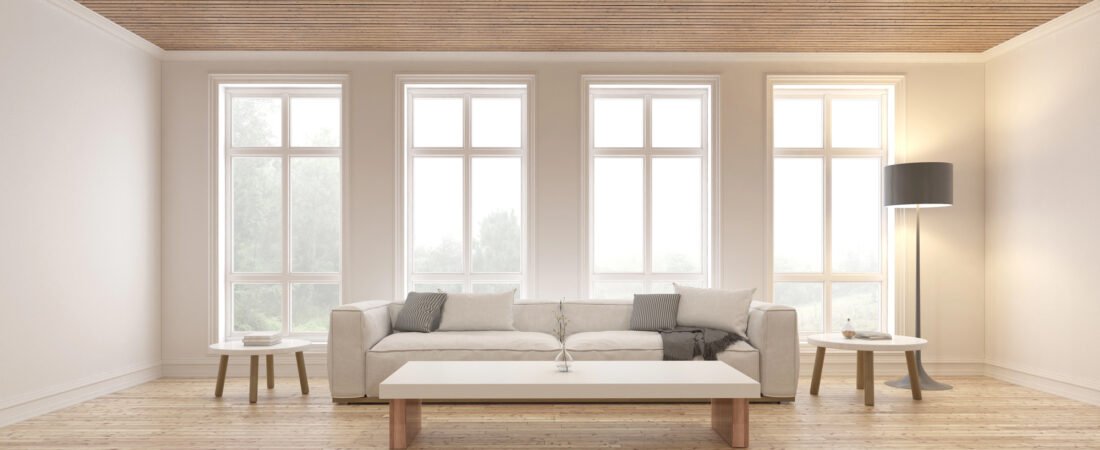
The living room stands as the heart of every home, serving as the central hub where families gather, friends connect, and memories are made. When it comes to home design living room projects, this space presents both exciting opportunities and unique challenges. Whether you’re starting from scratch or refreshing an existing space, mastering the art of home design living room aesthetics requires careful consideration of functionality, style, and the specific needs of your household.
Understanding the Foundation of Home Design Living Room Success
Before diving into specific design elements, it’s crucial to understand what makes a living room truly successful. A well-executed home design living room balances comfort with style, functionality with beauty, and personal expression with timeless appeal. This space needs to accommodate various activities – from quiet reading sessions to lively entertainment – while maintaining visual cohesion and reflecting your personal aesthetic.
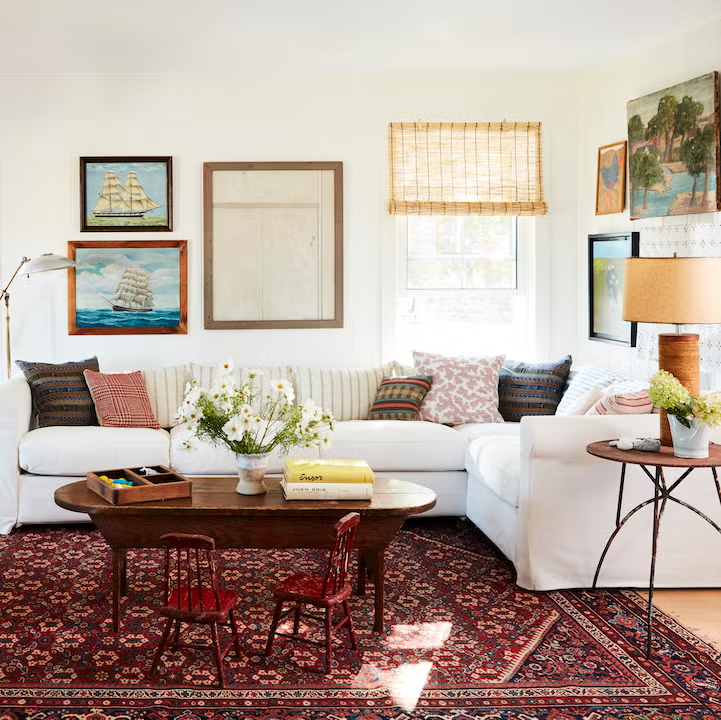
The key to exceptional home design living room outcomes lies in thoughtful planning that considers traffic flow, natural light, furniture placement, and the room’s relationship to adjacent spaces. Each decision should support both the room’s primary functions and contribute to the overall atmosphere you want to create.
Essential Elements of Home Design Living Room Layout
Furniture Arrangement Fundamentals
The foundation of any successful home design living room starts with strategic furniture placement. Creating conversation areas should be your primary goal, positioning seating to encourage interaction while ensuring clear pathways throughout the space. The classic approach involves anchoring your layout around a focal point – whether that’s a fireplace, large window, or entertainment center.
Consider the room’s natural traffic patterns when planning your home design living room layout. Avoid placing furniture in ways that force people to walk around or through conversation areas. Instead, create clear, logical pathways that feel natural and unobstructed.
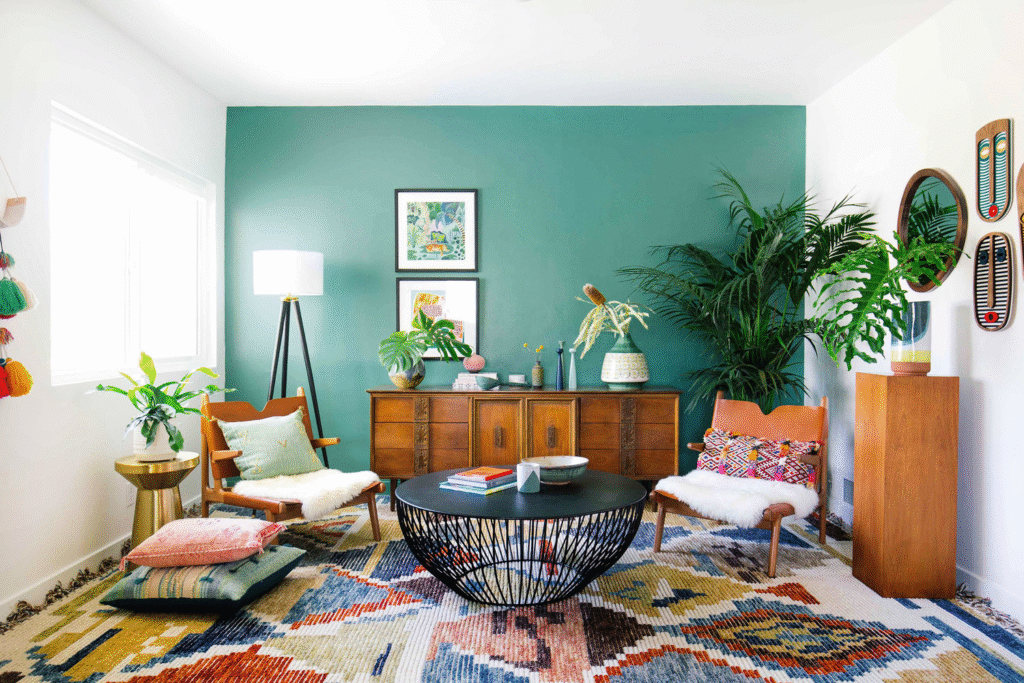
Scale plays a crucial role in home design living room success. Oversized furniture can overwhelm a small space, while pieces that are too small can make a large room feel empty and unwelcoming. Measure your space carefully and choose furniture that fits proportionally while leaving adequate room for movement.
Creating Visual Balance
Achieving visual balance in your home design living room involves distributing visual weight evenly throughout the space. This doesn’t mean everything must be symmetrical – asymmetrical balance can be just as effective and often more interesting. Mix different furniture heights, textures, and colors to create dynamic yet harmonious arrangements.
Consider the room’s architectural features when planning your home design living room balance. Built-in shelving, windows, doorways, and other permanent elements should be incorporated into your overall composition rather than fought against.
Color Schemes That Transform Home Design Living Room Spaces
Choosing Your Palette
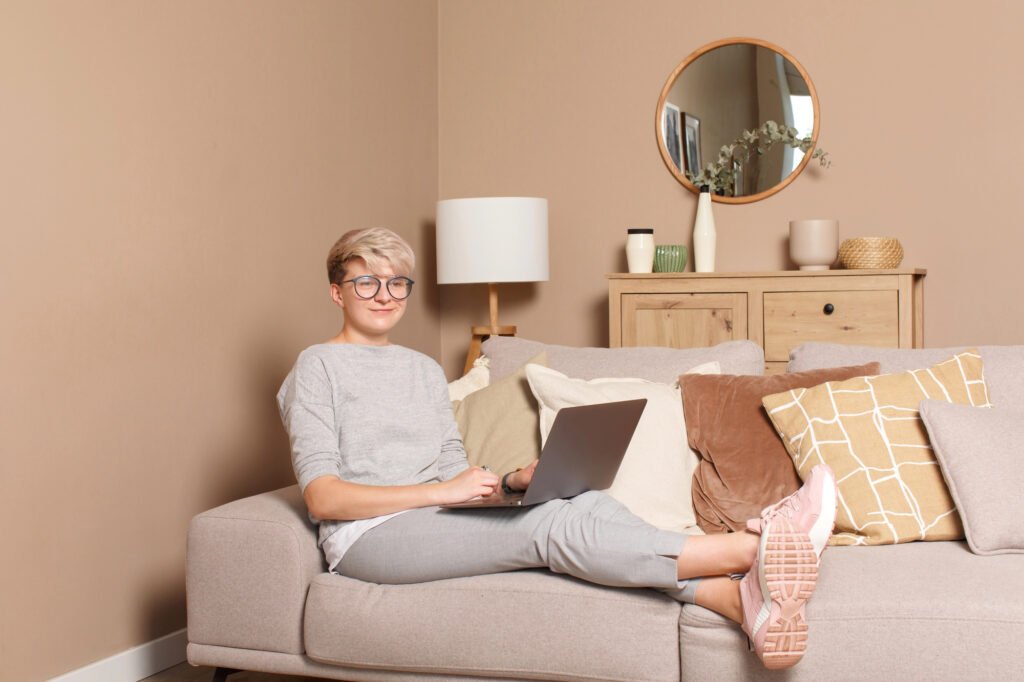
Color selection dramatically impacts the success of your home design living room project. Start by considering the room’s natural light exposure, size, and intended atmosphere. North-facing rooms benefit from warm colors that compensate for cooler natural light, while south-facing spaces can handle cooler tones that balance intense sunlight.
Neutral palettes remain popular in home design living room applications because they provide flexibility and longevity. However, don’t mistake neutral for boring – layering different shades, textures, and finishes within a neutral scheme creates sophisticated depth and visual interest.
For those drawn to color, consider using the 60-30-10 rule in your home design living room approach. Choose a dominant neutral color for 60% of the space, a secondary color for 30%, and a bold accent color for the remaining 10%. This formula ensures color harmony while preventing overwhelming results.
Incorporating Trends Thoughtfully
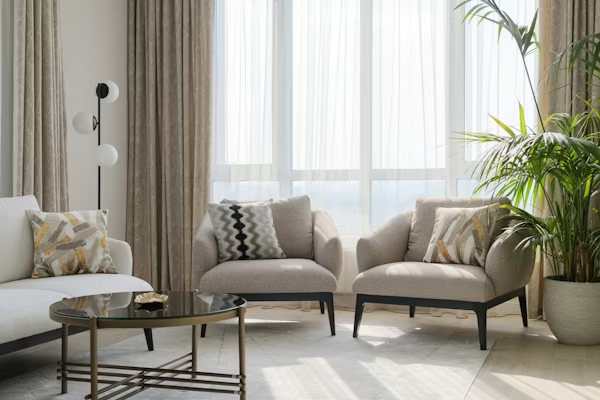
While it’s tempting to embrace every new trend, successful home design living room projects balance contemporary elements with timeless foundations. Invest in classic, quality pieces for major furniture items, then incorporate trends through easily changeable elements like throw pillows, artwork, and accessories.
Current home design living room trends include warm earth tones, curved furniture silhouettes, mixed metals, and biophilic design elements. However, the most important consideration is choosing trends that align with your personal style and lifestyle needs.
Lighting: The Make-or-Break Element of Home Design Living Room Design
Layering Different Light Sources
Proper lighting can make or break your home design living room success. Effective lighting design involves layering three types of illumination: ambient (general lighting), task (functional lighting), and accent (decorative lighting). This layered approach ensures your space functions well at different times of day and for various activities.
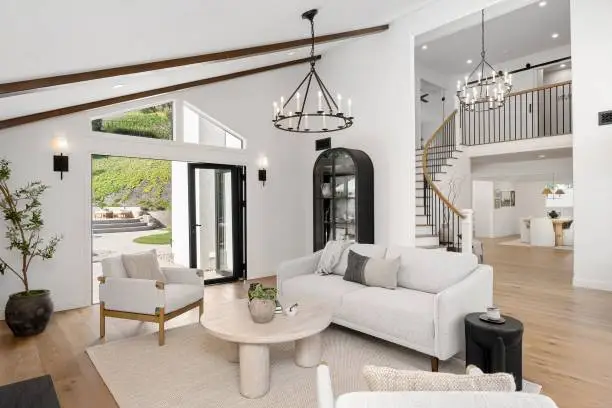
Ambient lighting provides overall illumination and might include ceiling fixtures, chandeliers, or recessed lighting. Task lighting supports specific activities like reading or crafting and could involve table lamps, floor lamps, or focused spotlights. Accent lighting adds drama and visual interest through picture lights, uplighting, or decorative fixtures.
Natural light should be maximized and celebrated in any home design living room plan. Avoid blocking windows with furniture when possible, and choose window treatments that provide privacy while still allowing light to filter through during the day.
Creating Atmosphere with Dimmers
Installing dimmer switches transforms your home design living room from a single-mood space into a versatile environment that adapts to different occasions. Bright lighting works well for cleaning, playing games, or working on projects, while dimmed lighting creates intimate atmospheres perfect for entertaining or relaxing.
Textiles and Textures in Home Design Living Room Applications
Layering for Comfort and Style
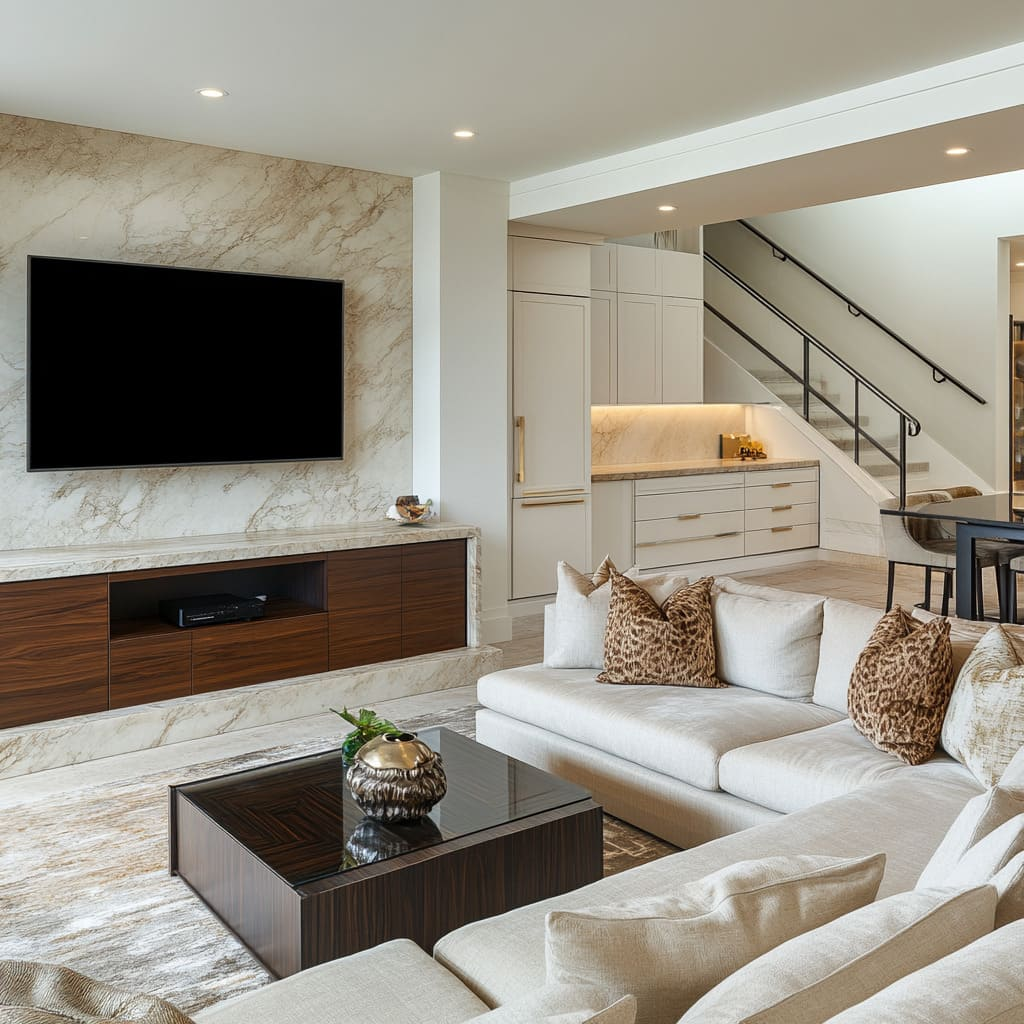
Successful home design living room projects incorporate various textures and textiles to create visual depth and physical comfort. Layer different materials – smooth leather with nubby wool, crisp cotton with soft velvet, or sleek metal with rough natural fibers – to create engaging tactile experiences.
Rugs play a crucial role in home design living room layouts, defining seating areas and adding warmth both visually and literally. Choose rugs large enough to anchor your furniture groupings – ideally, at least the front legs of major seating pieces should rest on the rug.
Window treatments contribute significantly to your home design living room’s finished appearance. Consider both functional needs (privacy, light control) and aesthetic goals when selecting curtains, blinds, or shades. Hanging curtains higher and wider than the actual window can make windows appear larger and ceilings higher.
Seasonal Adaptability
Design your home design living room to adapt easily to seasonal changes. Choose foundational pieces in neutral tones, then swap out accessories, throw pillows, and lightweight throws to reflect different seasons or holidays. This approach keeps your space feeling fresh without requiring major renovations.
Storage Solutions for Home Design Living Room Organization

Hidden and Display Storage
Every successful home design living room incorporates adequate storage solutions that maintain the space’s aesthetic appeal. Built-in shelving, storage ottomans, console tables with drawers, and entertainment centers with closed storage help control clutter while keeping necessary items accessible.
Display storage allows you to showcase books, decorative objects, and personal collections while contributing to the room’s overall design. Mix displayed items with hidden storage to achieve the right balance between personality and tidiness.
Multi-Functional Furniture
Space-conscious home design living room solutions often involve multi-functional furniture pieces. Ottomans that provide seating and storage, coffee tables with built-in drawers, and sofas with hidden storage compartments maximize functionality without compromising style.
Technology Integration in Modern Home Design Living Room Planning
Hiding and Highlighting Tech
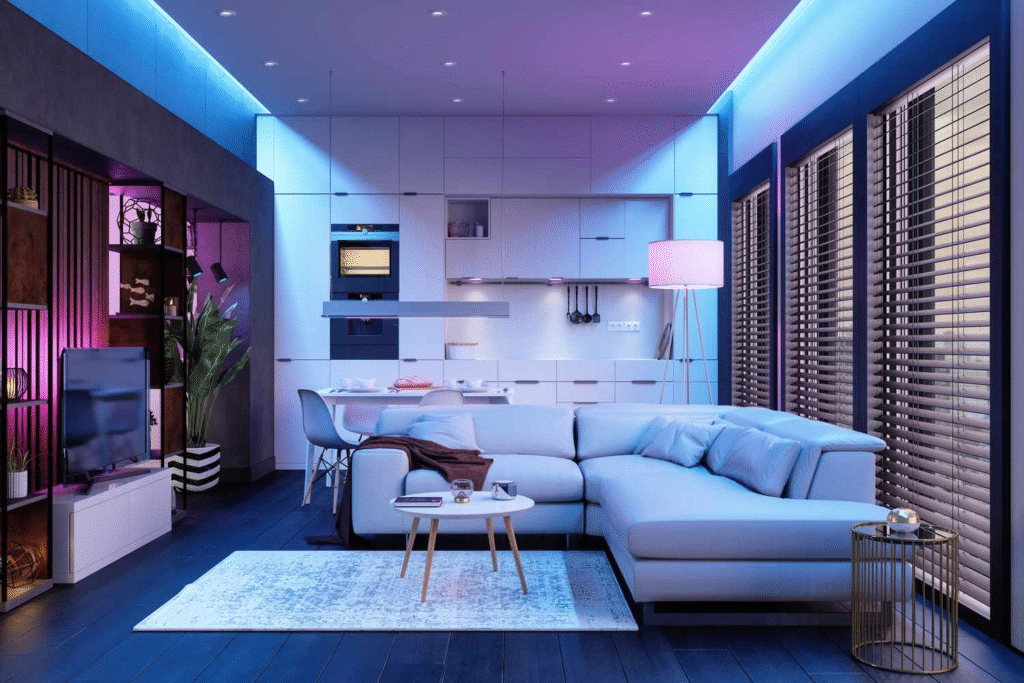
Today’s home design living room must accommodate various technology needs while maintaining aesthetic appeal. Plan for adequate electrical outlets, consider cable management solutions, and choose entertainment centers that accommodate your equipment while supporting your design goals.
Smart home integration is becoming increasingly important in home design living room planning. Consider how voice assistants, smart lighting, automated window treatments, and integrated sound systems can enhance your space’s functionality and convenience.
Budget-Conscious Home Design Living Room Strategies
Prioritizing Your Investments
Successful home design living room projects don’t require unlimited budgets. Prioritize investments in pieces you’ll use most – typically seating and lighting – then save money on easily changeable decorative elements.
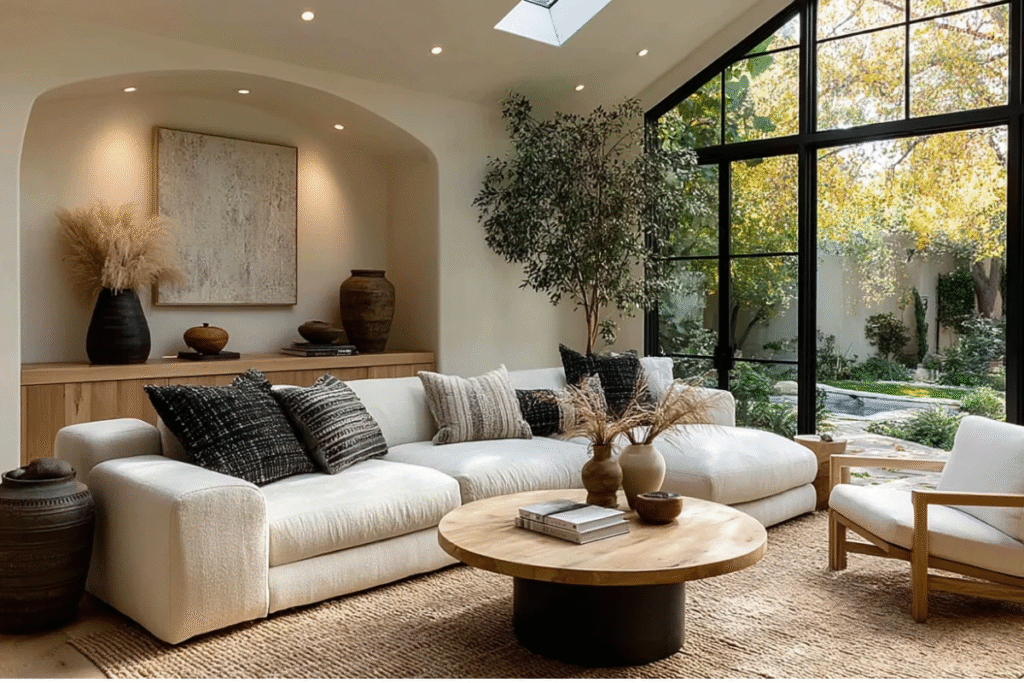
Consider the cost-per-use of major purchases. A quality sofa used daily for years justifies a higher investment than accent pieces that might be changed seasonally. Shop sales, consider gently used furniture, and don’t feel pressured to complete your home design living room transformation all at once.
DIY Opportunities
Many home design living room improvements can be tackled as DIY projects. Painting walls, creating artwork, sewing simple window treatments, and refinishing furniture can significantly impact your space while staying within budget constraints.
Personalizing Your Home Design Living Room
Incorporating Personal Style
The most successful home design living room projects reflect the personalities and lifestyles of their occupants. Display meaningful artwork, incorporate family heirlooms, showcase travel souvenirs, and choose colors and patterns that make you genuinely happy.

Consider how your family actually uses the space when making design decisions. Homes with young children need different considerations than adult-only households, and entertainment-focused families require different layouts than those who prefer quiet activities.
Maintenance and Evolution
Keeping Your Space Fresh
Your home design living room should evolve with your changing needs and preferences. Plan for updates and refreshes by choosing quality foundational pieces that can adapt to new color schemes or style preferences over time.
Regular maintenance preserves your investment and keeps your space looking its best. Vacuum upholstered furniture regularly, rotate cushions to ensure even wear, and address stains or damage promptly to prevent permanent issues.
Conclusion: Creating Your Perfect Home Design Living Room
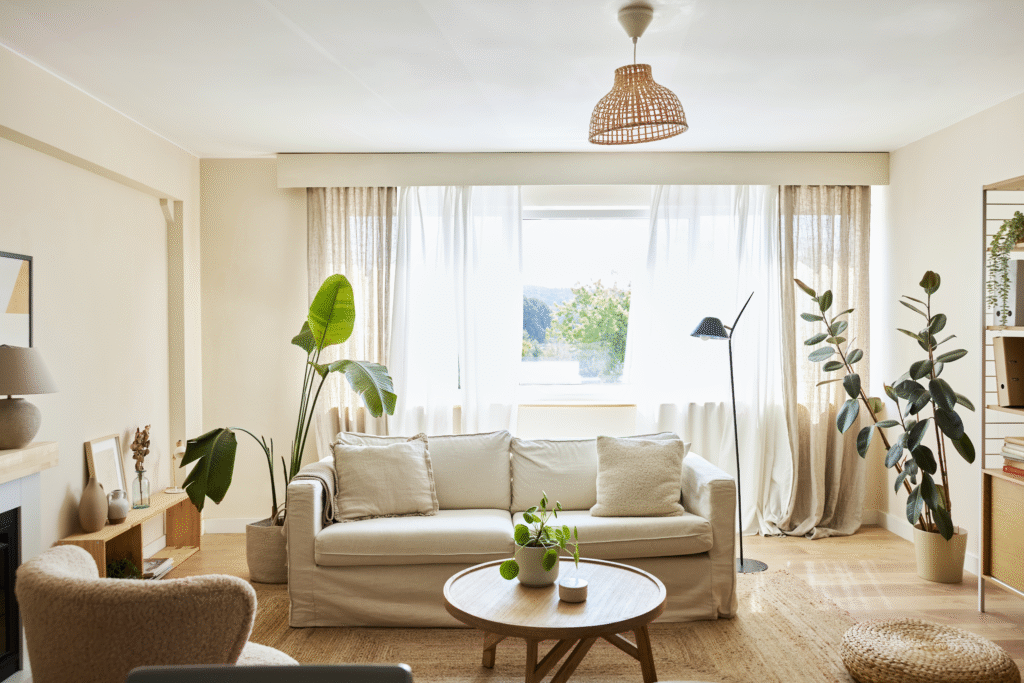
Mastering home design living room aesthetics requires balancing multiple considerations – functionality, beauty, comfort, and personal expression. By thoughtfully considering layout, color, lighting, textiles, and storage, you can create a space that truly serves as your home’s heart.
Remember that the best home design living room is one that reflects your family’s unique needs and style preferences. Don’t be afraid to break conventional rules if doing so better serves your lifestyle, and allow your space to evolve naturally as your needs change.
Your living room should welcome you home each day and provide a comfortable backdrop for life’s important moments. With careful planning and thoughtful execution, your home design living room project can create a space that brings joy and functionality for years to come.