

Introduction to Home Aesthetic Ideas
The concept of home aesthetics encompasses the overall visual and emotional appeal of a living space. It involves the careful selection of colors, textures, furniture, and decorative elements to create an environment that reflects personal style while also promoting comfort and functionality. As individuals seek to personalize their homes, DIY (Do-It-Yourself) projects have emerged as a popular option for enhancing home aesthetics. These projects not only allow homeowners to infuse their preferences into their surroundings but also offer an opportunity for creativity and self-expression.
DIY projects can profoundly affect the appearance and ambiance of a room. Simple upgrades, such as adding a fresh coat of paint, updating light fixtures, or repurposing old furniture, can transform areas that may feel uninspired into inviting and aesthetically pleasing spaces. These small changes can lead to significant enhancements without the need for a complete overhaul or substantial financial investment. Homeowners often find that they can achieve a cohesive aesthetic by implementing a few thoughtful modifications that align with their vision.
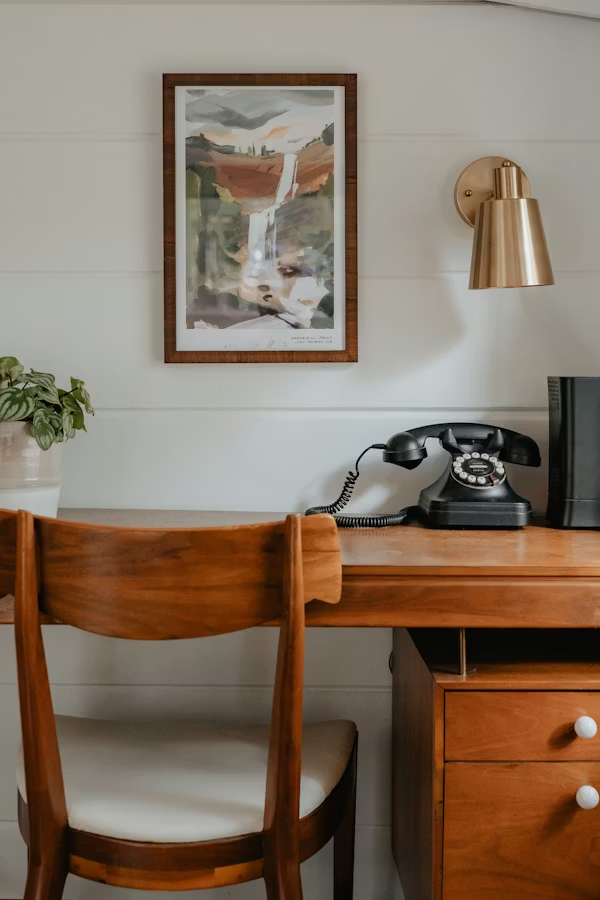
Furthermore, the act of engaging in DIY projects brings a sense of accomplishment and fulfillment. As individuals take on the challenges of crafting and creating, they gain valuable skills that can be applied to future endeavors. This engagement often leads to a deeper connection with the home as each element reflects the owner’s unique personality and story. Whether it’s a simple wall art project or an elaborate furniture makeover, the process can be incredibly satisfying as it adds personal touches to a living environment.
In summary, home aesthetics is a vital component of creating inviting and personal spaces, and DIY projects play an essential role in achieving this goal. By dedicating time to these endeavors, homeowners can dramatically improve their surroundings while discovering the joys of creativity and self-expression.
Wall Art Creation
Wall art has the power to significantly enhance the aesthetic appeal of any living space. Engaging in DIY wall art projects not only allows for personal expression but also provides an opportunity to create stunning focal points within a room. There are numerous creative ideas for DIY wall art that can transform the feel of your home.
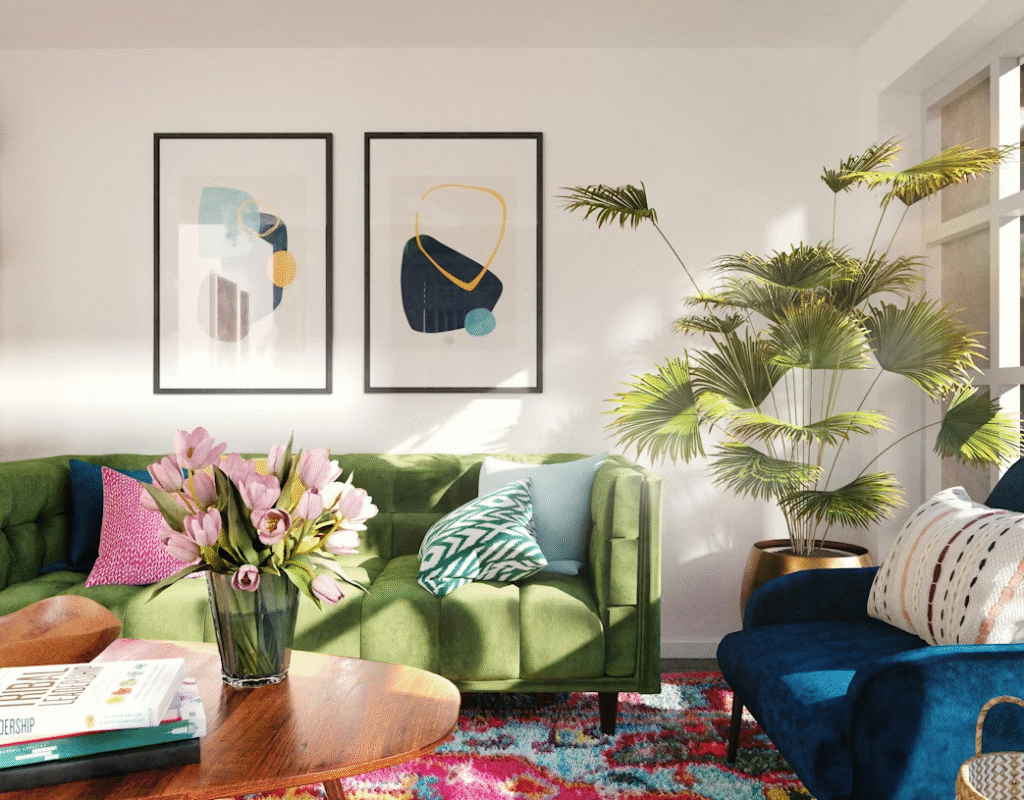
One popular method is canvas painting. This technique allows individuals to explore their artistic abilities, regardless of skill level. Selecting a color palette that complements the room’s existing decor is essential. For instance, serene blues and greens may best suit a tranquil bedroom, while vibrant reds and yellows bring energy to a living space. Utilizing acrylic paints, which dry quickly and provide a versatile finish, can make the process easier for beginners.
Another appealing DIY project involves creating photo collages. Curating a series of photographs, whether from personal milestones or stunning landscapes, enables the creation of a personalized Gallery Wall. When framing these photos, maintain consistency in frame styles or colors, as this creates a cohesive look. Mixing materials, such as wooden frames paired with sleek metal ones, can add visual interest while ensuring the overall aesthetic is maintained.
Upcycled materials also serve as excellent resources for unique wall art. Items like old wooden pallets, discarded doors, or even fabric scraps can be repurposed to create one-of-a-kind pieces. For instance, a wooden pallet can be transformed into a rustic wall display for smaller art pieces or plants. Combining elements of sustainability with creativity can result in art that is not only visually appealing but also environmentally conscious.
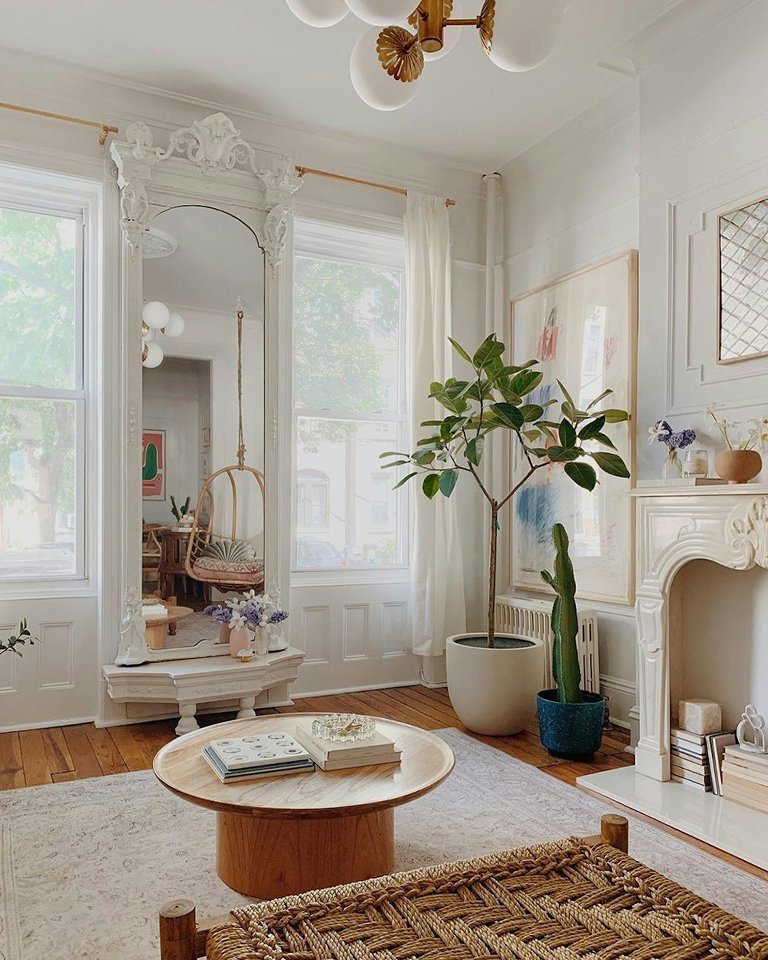
In summary, engaging in home aesthetic wall art projects can be a fulfilling way to enrich your home’s aesthetic. By exploring options such as canvas painting, photo collages, and upcycling, individuals can create distinctive and personalized art that resonates with their style. Decisions regarding color and theme should be reflective of the specific room to ensure a harmonious flow throughout the space.
Upcycling Furniture
Upcycling furniture is a creative and sustainable way to transform tired, old pieces into stylish focal points for your home. With a bit of time and effort, one can breathe new life into items that might otherwise be discarded. The techniques of painting, reupholstering, and adding new hardware are central to the process of upcycling, enabling you to customize the look of each piece while contributing to a more eco-friendly lifestyle.
One effective technique is painting. Choosing the right paint can completely change the character of a furniture item. For instance, a bold color can bring a modern feel to an antique dresser, while soft pastels can help a vintage chair blend seamlessly with a contemporary space. It is essential to properly prepare the surface before applying paint. Sanding down to remove any gloss and applying a suitable primer ensures the paint adheres well and lasts longer.
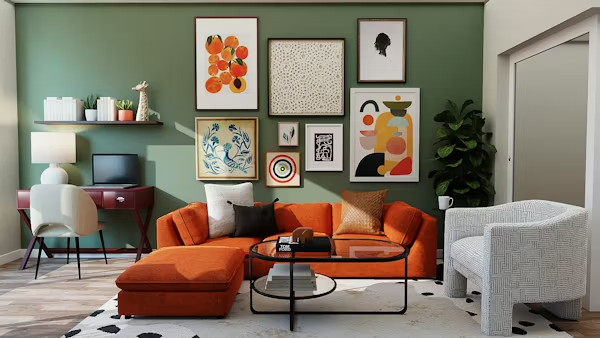
Reupholstering is another popular method of furniture upcycling. This technique involves replacing the fabric on chairs, sofas, or cushions. By selecting fabrics that align with your home aesthetic, you can create a unified look throughout your space. Consider using durable materials for high-use items and experiment with different patterns and textures to add depth and interest. Restoring the padding and structure can also enhance comfort while refreshing the overall design.
Adding new hardware is a simple yet impactful way to update furniture. Swapping out old knobs and handles for modern or vintage-inspired options can provide a fresh twist. This technique is particularly effective for cabinets, dressers, and tables, where the small details can make a significant difference in achieving a cohesive aesthetic.
In conclusion, upcycling furniture involves combining creativity with sustainability. By implementing these techniques, it is possible to create stylish and unique items that resonate with your home’s aesthetic while reducing waste and promoting a more environmentally conscious lifestyle.
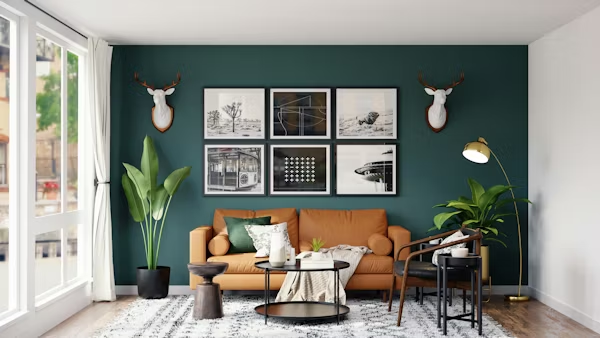
DIY Indoor Planters
Indoor planters can significantly enhance the aesthetic appeal of any room while also promoting a healthier living environment. Incorporating greenery into your home brings not only visual interest but also numerous psychological benefits. Engaging in home aesthetic projects to create indoor planters allows individuals to express their creativity and personality while also embracing eco-friendly practices through the use of recycled materials.
One accessible method of crafting indoor planters is by repurposing old containers. Consider using tin cans, glass jars, or even wooden crates. First, ensure that the containers are clean and, if necessary, add drainage holes at the bottom to prevent overwatering. Following this, you can apply a coat of paint or wrap the containers in natural twine to add an attractive flair. This personalized touch lends character to your indoor garden.
Painting ceramic pots is another popular approach to enhancing indoor planters. A simple coat of paint can transform a basic pot into a striking centerpiece. Choose colors that complement your existing decor or create a visually appealing contrast. Furthermore, stencils or stamps can be used to add intricate designs or patterns, allowing for an inventive and customized look.
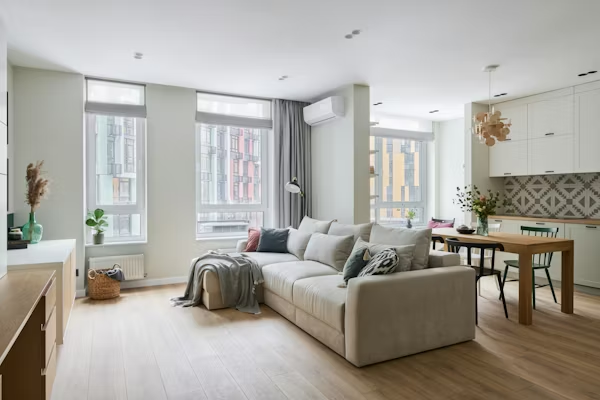
Additionally, constructing plant hangers is an excellent way to optimize space and add vertical interest to your interior design. Utilizing macramé techniques or simple rope can create stunning hangers that suspend your plants from ceilings or walls. This method not only saves floor space but also allows plants to receive ample sunlight. A hanging arrangement can dramatically alter the dynamics of a room while showcasing the botanical elements effectively.
Incorporating these home aesthetic indoor planter ideas is an excellent way to breathe life into your living space. By using recycled materials and creatively enhancing planter aesthetics, you contribute positively to your home environment while engaging in fulfilling, hands-on projects.
Creative Lighting Solutions
Lighting plays a pivotal role in shaping the atmosphere of any room, significantly impacting both the aesthetic appeal and functionality of a space. One creative approach to enhance the ambiance of your home is through DIY lighting projects. These projects offer an opportunity to express your personal style while also providing practical solutions to illuminate your living environment.
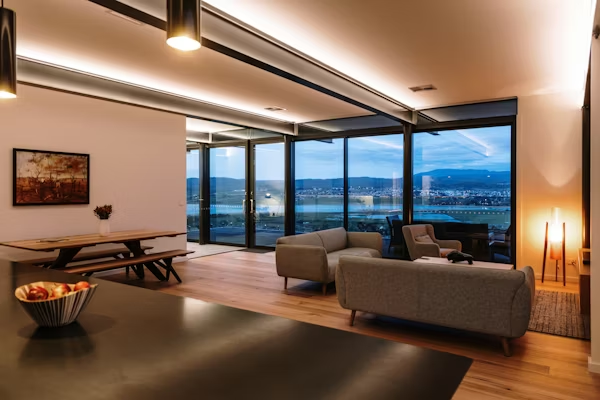
One popular DIY project involves crafting unique lampshades. By repurposing materials such as fabric remnants, paper, or even decorative items, you can create lampshades that are both eye-catching and personalized. For instance, using patterned fabric can transform a standard lamp into a statement piece, adding color and texture to the room. Additionally, consider incorporating elements such as lace or rope for a bohemian touch or metallic finishes for a more modern look. Custom lampshades not only produce visually appealing lighting but also allow for a more tailored design that resonates with your overall home aesthetic.
Another excellent option is to embrace the charm of string light décor. String lights can be used in versatile ways, such as draping them across walls, hanging them from ceilings, or weaving them through plants. They create a warm, inviting glow that is perfect for cozy settings. Moreover, arranging string lights in shapes or patterns can add a whimsical touch, perfect for communal areas like the living room or outdoor patios. Consider using themed string lights that align with holidays or seasonal changes to keep your decor fresh and exciting.
Lastly, fairy lights are an enchanting addition to any home. These tiny lights can be integrated into various designs, from illuminating shelves filled with books and collectibles to framing mirrors or windows. Their delicate nature evokes a magical ambiance, making them ideal for intimate areas, such as bedrooms or reading nooks. By thoughtfully incorporating fairy lights in your home aesthetic lighting projects, you can elevate the aesthetic of your space while ensuring it remains functional.
Textured Throw Pillows
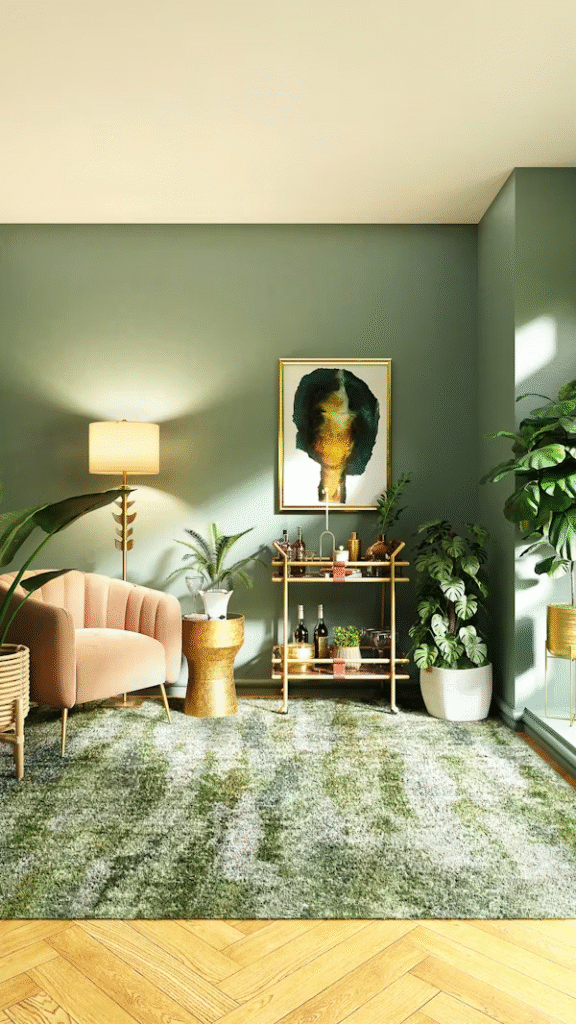
Creating your own textured throw pillows is an excellent way to infuse color and comfort into your living space. This project not only adds aesthetic value but also allows for personal expression through fabric selection and design. To start, selecting the right fabric is crucial to achieving the desired look and feel. Consider using a variety of materials such as cotton, linen, velvet, or faux fur, each bringing a different texture and appearance to your décor.
Once you have selected your fabric, you will need to gather some basic sewing supplies. Essential tools include a sewing machine, scissors, pins, a measuring tape, and a needle and thread. If you are new to sewing, it is advisable to familiarize yourself with the machine and practice basic stitches. For a beginner-friendly approach, you may choose to use fabric glue or iron-on adhesive as an alternative to sewing, which can streamline the process.
When designing your throw pillows, there are countless options to explore. A simple way to add depth is to mix and match different textures within a single color palette. For example, pairing a soft velvet with a coarse linen can create a striking visual contrast. Additionally, using various pillow shapes—such as round, square, or oblong—can further enhance the appeal of your collection. Consider embellishing the pillows with decorative elements such as tassels, beads, or contrasting piping for an extra touch of personality.
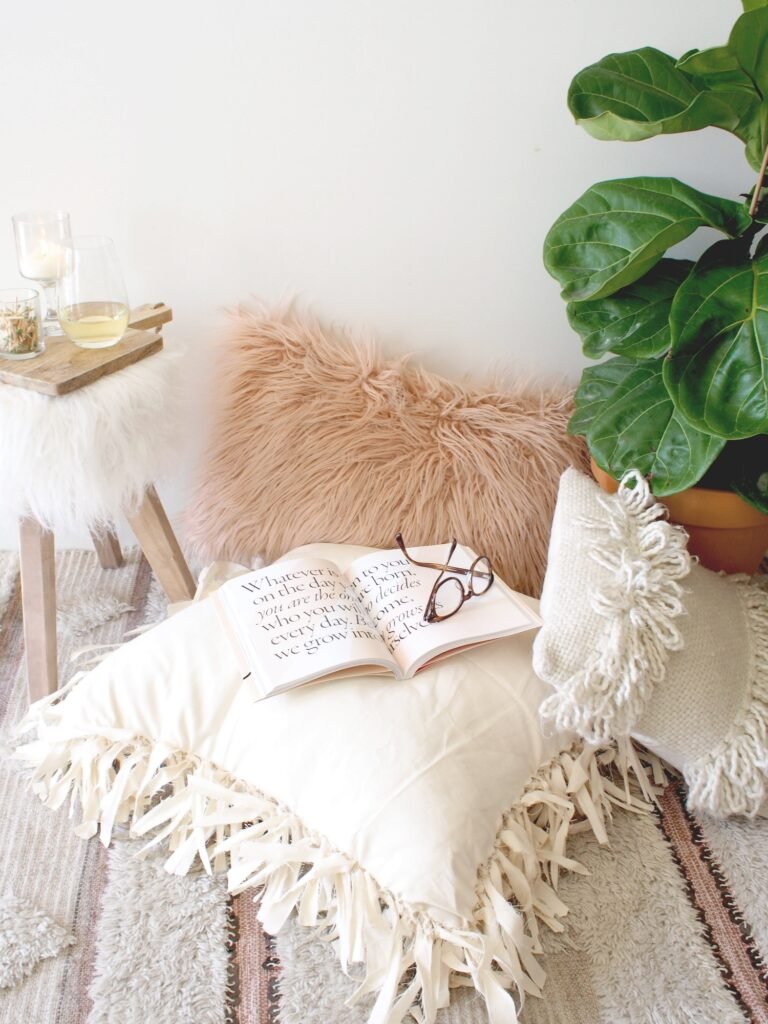
After completing your pillows, arrange them creatively on your sofa or bed to showcase their unique textures. By integrating these personalized accents into your home, you enhance both the comfort and style of your space, ensuring that it reflects your individual aesthetic preferences.
Statement Shelving
Statement shelving offers an excellent opportunity to enhance your home aesthetic while providing functional storage. By carefully selecting materials and styles, you can create shelves that not only support your belongings but also serve as a focal point in any room. Various design aesthetics, ranging from rustic to modern, allow you to tailor your shelving to match your personal taste.
One popular approach is to use reclaimed wood for a rustic appeal. Incorporating weathered planks adds character and warmth to a space. To maintain stability, anchor these wooden pieces securely to the wall, ensuring they can support heavier items like books or decorative objects. For a contemporary look, consider using metal brackets with floating shelves, creating an illusion of space while maintaining a sleek design.
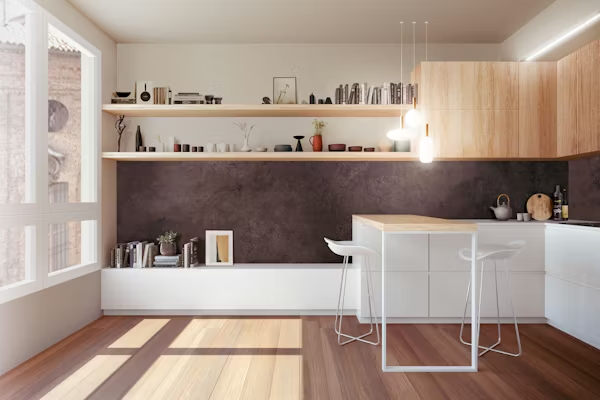
When styling your statement shelves, consider adopting a minimalist philosophy. Use selective decorative items that resonate with your personality, ensuring that each piece adds value to the overall aesthetic. Grouping items in odd numbers often creates a more visually appealing arrangement; however, balance is essential. Mixing textures can enhance the depth of your display—pair ceramic vases with woven baskets for contrast and interest.
Additionally, integrating greenery can breathe life into your shelving. Small potted plants or hanging trailing vines can create a natural touch, merging functionality with aesthetic appeal. If you want to experiment further, painting your shelves a bold color can make a striking statement, especially if complemented by curated decor elements that share similar tones. Whether your aim is to showcase your literary collection or display artisanal crafts, statement shelving provides an adaptable canvas to refine your home aesthetic.
Personalized Area Rugs
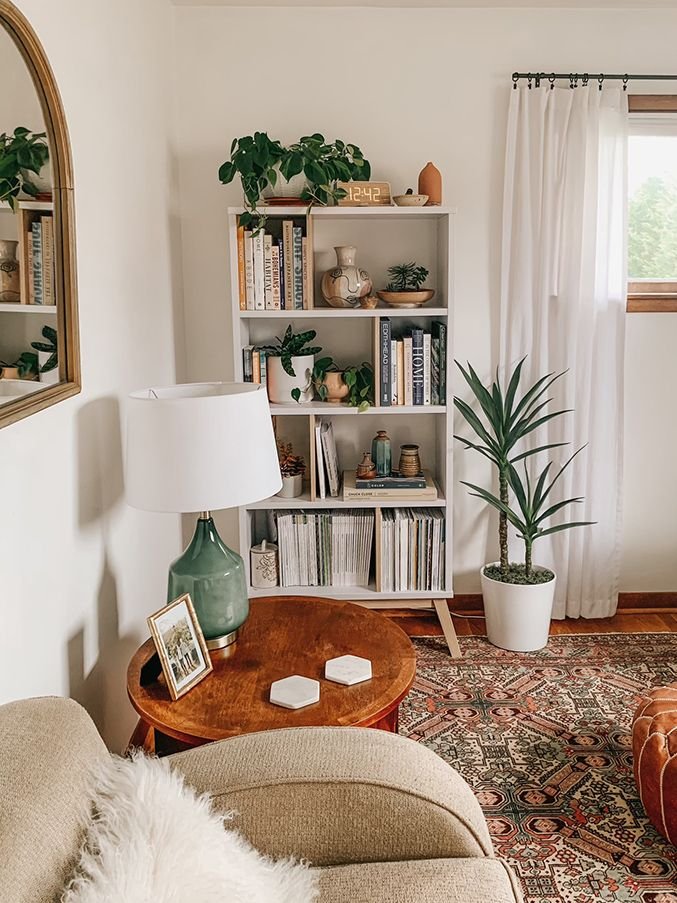
Area rugs serve as essential elements in interior design, providing warmth and style while tying a room together aesthetically. Personalized area rugs elevate this function, allowing for an expression of individuality and creativity. Engaging in DIY projects to create your unique rugs can not only enhance the ambiance of your space but also fulfill the need for customization that mass-produced items often lack.
One popular method for crafting personalized area rugs is tufting. This technique involves using a tufting gun to punch yarn into a backing material, allowing for intricate designs and vibrant color combinations. By selecting your color palette and pattern, you can create a rug that harmonizes with your existing decor and resonates with your personal style. Tufting typically requires some practice but ultimately results in a professional-looking product that adds a distinct touch to any room.
Alternatively, stenciling offers a straightforward approach to personalizing area rugs. This method requires a plain rug, some fabric paint, and a stencil of your choice. With the stencil properly positioned and secured on the rug, you can apply paint to create patterns or images that reflect your personality. This technique is particularly appealing for those who may be less experienced in crafting, as it requires minimal supplies and can be completed in a short amount of time.
For those who prefer a no-sew option, consider using fabric strips to create a braided or knotted rug. This method involves tying together lengths of fabric, enabling an easy update to an old rug or crafting a new one from repurposed materials. No-sew area rugs are both environmentally friendly and cost-effective, perfect for enhancing the aesthetics of your living spaces without significant investment.
In summary, personalized area rugs not only enhance the visual appeal of a home but also allow for individual expression through various techniques such as tufting, stenciling, and no-sew methods. These home aesthetic DIY projects exemplify the transformative power of creativity in home aesthetics.
DIY Window Treatments
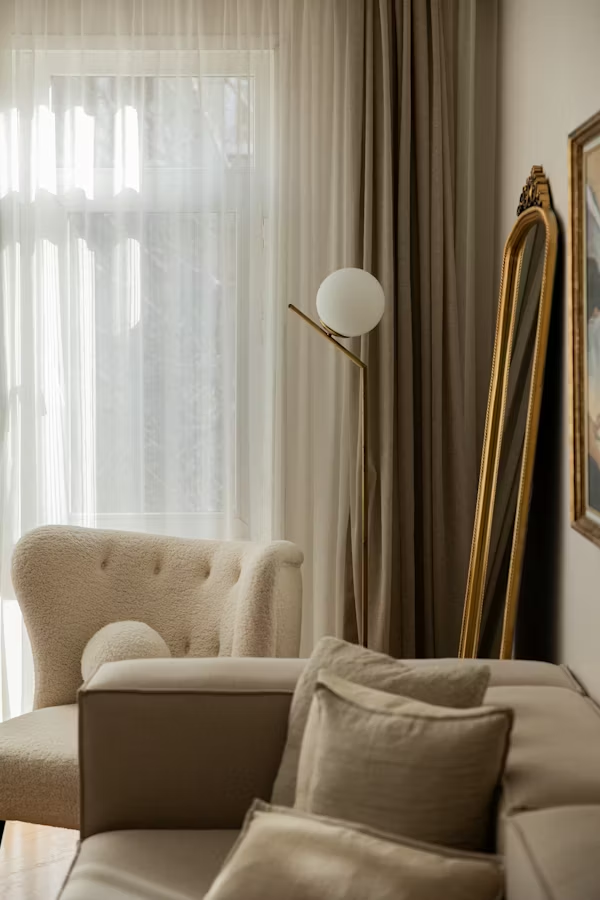
Window treatments are an integral part of home aesthetics, enhancing both the functionality and the visual appeal of any room. There are various DIY window treatment options that can easily elevate your living space while allowing for personalization. From simple curtains to custom shades, each approach offers unique benefits that cater to different styles and preferences.
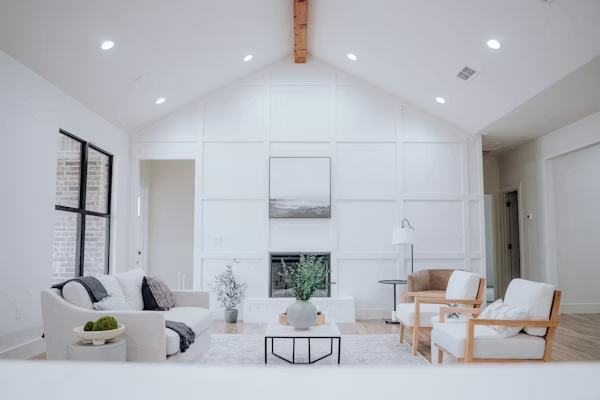
Firstly, consider creating simple curtains. This option not only adds softness to a room but also allows for the introduction of color and texture. Choosing lightweight fabrics in cheerful patterns can make a living area feel welcoming or provide a fresh touch to bedrooms. The process is straightforward; sew or tie fabric panels to rods, making sure they gracefully frame the window. For those who prefer efficiency, no-sew methods using fabric glue or adhesive hem tape offer an easy alternative.
Another option to consider is shades, which provide versatility and function. DIY roller shades can be made using fabric or paper, allowing you to coordinate your window treatments with existing decor. Using a basic roller shade kit, you can custom fit any windows in your home. For a more organic feel, opt for bamboo shades, which can be stained or painted to match your furniture. This addition not only controls light but also brings a natural element into your home.
Lastly, decorative window frames can be an impactful project. By enhancing the trim around your windows, you can significantly change the room’s aesthetics. Apply a fresh coat of paint, or add moulding to give the windows a polished look. Structuring these frames with wood or other materials adds dimension, creating a focal point that draws the eye.
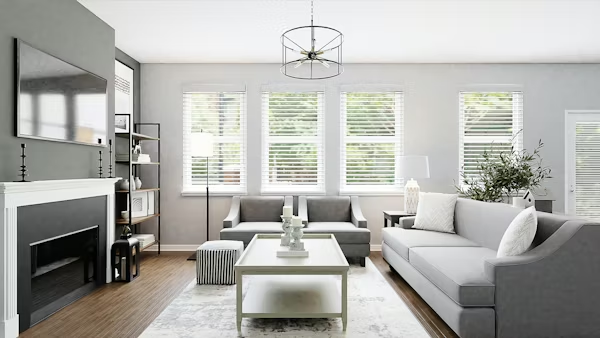
In conclusion, opting for DIY window treatments not only provides an inexpensive way to beautify your home but also allows for creativity. Each of these projects can transform your space into a more inviting environment while aligning with your overall aesthetic vision.
Final Thoughts and Inspiration
Throughout this blog post, we have explored various home aesthetic DIY projects that allow individuals to express their creativity while transforming their living spaces. From revamping old furniture to creating stunning wall art, these projects cater to various skill levels and preferences, providing countless opportunities for personal expression. The importance of personalizing one’s space cannot be overstated, as it plays a significant role in enhancing one’s mood and overall well-being.
Encouraging readers to take on these DIY projects is crucial. Each project offers a chance to tap into one’s creativity and make a space uniquely theirs. As we rounded up an array of projects, it is essential to remember that the ultimate aim is for the individual to feel at home in their surroundings. Thus, readers are urged to add personal touches, whether through color choices, materials used, or the incorporation of sentimental items, creating a space that genuinely reflects their style and story.
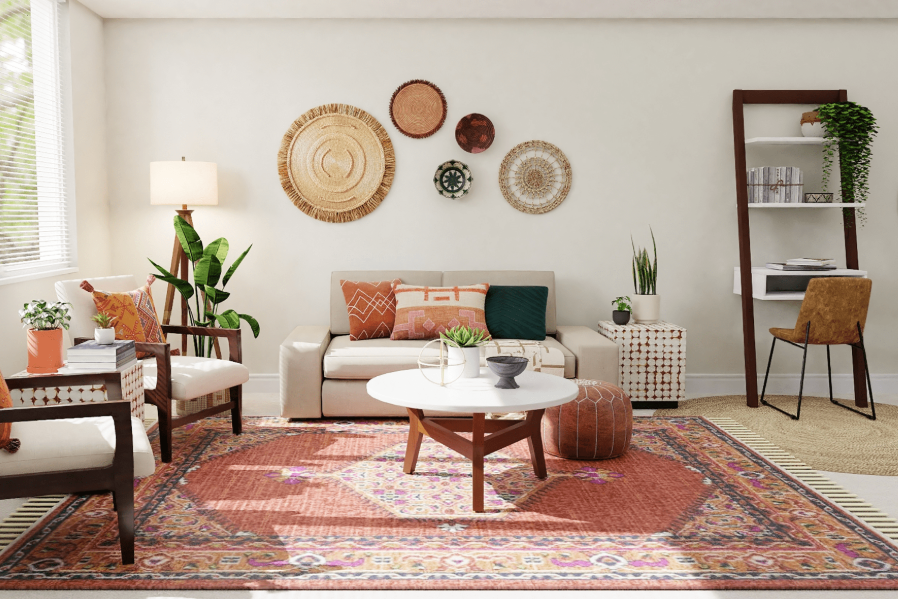
For those seeking further inspiration, there are numerous resources available. Platforms like Pinterest and Instagram are filled with countless ideas and tutorials that can spark creativity and provide guidance for DIY enthusiasts. Additionally, numerous books and websites focus on home aesthetics, offering tips on design principles, color theory, and project execution. Incorporating quotes from designers and artists can also serve as motivation; for instance, renowned designer Jonathan Adler once said, “Your home should be a reflection of who you are and a collection of what you love.” This reinforces the idea that one’s living space should be a canvas for self-expression.
With an array of DIY projects at your disposal, the potential to elevate the aesthetic of your home is vast. Embrace the DIY spirit and embark on these creative endeavors, transforming your space into a true reflection of your unique personality and style.
This post may contain affiliate links, which means we may earn a small commission if you purchase through them—at no extra cost to you. Hopefully we can help you find something that helps you.