
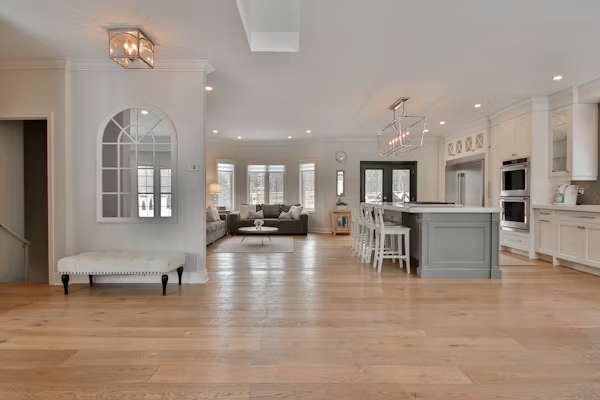
Let’s be real about flooring: you’re probably living with whatever came with your house—builder-grade carpet from 1995, linoleum that’s seen better decades, or hardwood so scratched it tells the story of every furniture rearrangement and dropped dish since installation. You walk on it daily without really seeing it, but your floors are actually one of the largest visual surfaces in your home and deserve more respect than they’re getting. These flooring ideas transform the literal foundation of your rooms from forgettable necessities into design elements that elevate your entire space. Whether you’re planning a complete renovation, replacing damaged floors, or just fantasizing about eventual upgrades while vacuuming that stained carpet, these ideas prove that what’s underfoot matters more than you think. Time to give your floors the attention they’ve been desperately lacking.
1. Luxury Vinyl Plank for Realistic Wood Looks Without the Drama
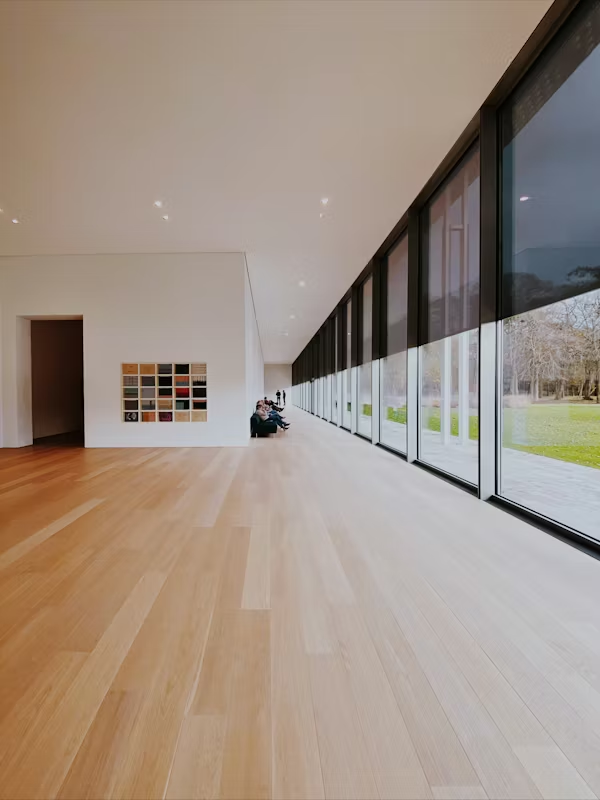
Hardwood is beautiful but expensive, scratch-prone, and moisture-sensitive. Luxury vinyl plank (LVP) represents modern flooring ideas offering wood aesthetics without the maintenance nightmares or price tags. These planks feature photographic wood grain patterns so convincing that guests often can’t tell they’re not real hardwood. The waterproof composition makes LVP perfect for kitchens, bathrooms, basements, or anywhere moisture is a concern—spills just wipe up without the panic real wood requires. Installation is often DIY-friendly with click-lock systems requiring no glue or nails, though professional installation ensures best results. LVP handles pets, kids, and general abuse far better than real wood, maintaining appearance through wear that would destroy hardwood. Available in countless wood species and finishes from light oak to dark walnut, these floors suit any aesthetic. The affordability and durability make LVP among the most practical flooring ideas for real-life homes where perfection is aspirational and spills are inevitable.
2. Engineered Hardwood for Authentic Wood with Stability
If you want real wood but need more stability than solid hardwood provides, engineered hardwood represents smart flooring ideas balancing authenticity with practicality. These floors feature real wood veneer tops bonded to plywood cores, creating stable construction less prone to expansion, contraction, and warping than solid hardwood. The real wood surface means authentic grain patterns, natural variation, and that genuine wood feel underfoot—you’re not compromising on aesthetics. Engineered hardwood handles humidity and temperature fluctuations better than solid wood, making it suitable for basements and over radiant heating where solid hardwood fails. Installation methods vary from nail-down to floating to glue-down, offering flexibility for different subfloors and situations. The top veneer can be refinished once or twice depending on thickness, extending floor life significantly. Cost falls between solid hardwood and luxury vinyl, providing middle-ground investment for those wanting real wood without solid hardwood’s limitations and expense.
3. Large Format Tiles for Modern, Seamless Looks
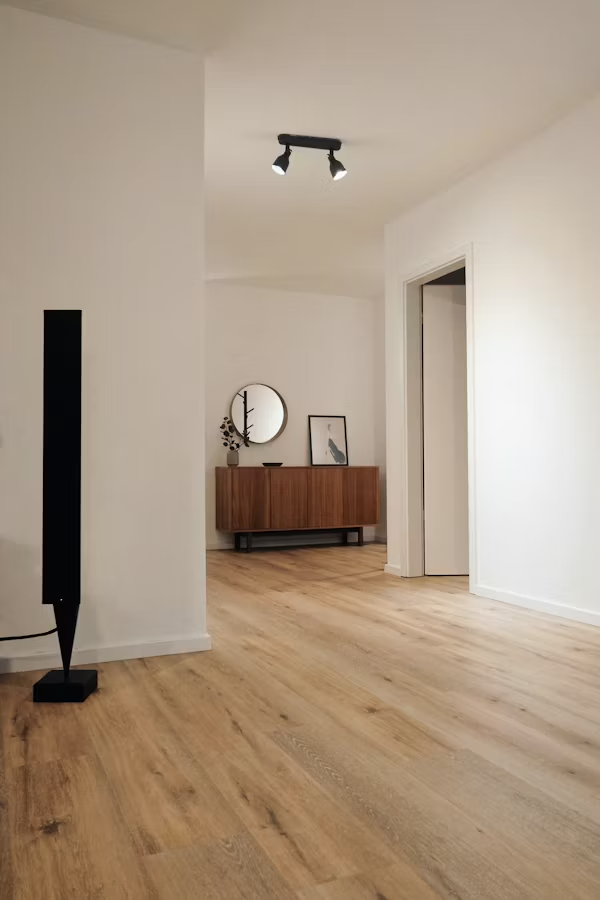
Tiny tiles mean endless grout lines requiring cleaning and maintenance. Large format tiles—we’re talking 12×24 inches or bigger—represent contemporary flooring ideas that minimize grout while maximizing sleek, continuous surfaces. Fewer grout lines mean easier cleaning (anyone who’s scrubbed tile grout understands this appeal), more seamless appearance, and modern aesthetic feeling expensive and custom. These oversized tiles work beautifully in kitchens, bathrooms, entryways, or anywhere you want durable, easy-maintenance flooring with sophisticated looks. Porcelain large format tiles offer incredible durability, stain resistance, and design variety including convincing wood and stone looks. The installation requires precision and perfectly level subfloors since size magnifies any imperfections, so professional installation is generally worth the investment. The contemporary, streamlined result creates spaces feeling polished and intentional rather than busy and dated. Your floors become sleek backdrops for life rather than distracting elements demanding constant attention and cleaning.
4. Natural Hardwood for Timeless, Classic Appeal
Sometimes traditional is best. Solid hardwood flooring represents classic flooring ideas that never go out of style and add genuine value to homes. Oak, maple, cherry, walnut—these real wood floors bring warmth, natural beauty, and organic character that manufactured alternatives can’t completely replicate. Each plank is unique with individual grain patterns and color variations creating one-of-a-kind floors. Hardwood can be refinished multiple times over decades, meaning floors last lifetimes with proper care. The natural material improves with age, developing patina and character through years of use. Installation requires professional expertise for best results, and costs represent significant investment. Maintenance requires care—water is the enemy, scratches happen, and periodic refinishing becomes necessary. But for many homeowners, authentic hardwood’s beauty, longevity, and value addition justify the investment and care requirements. Your floors become long-term assets appreciating alongside your home rather than depreciating elements requiring eventual replacement.
5. Polished Concrete for Industrial-Chic Minimalism
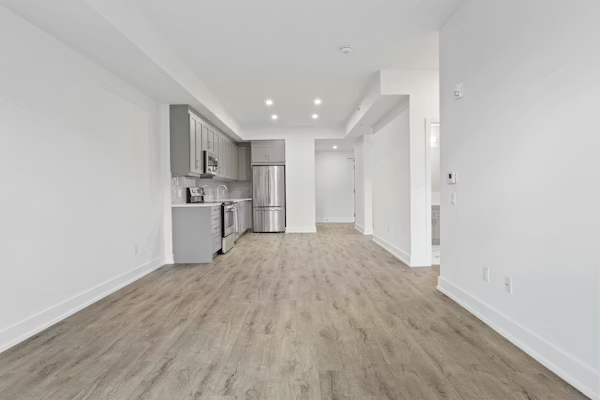
Concrete isn’t just for garages anymore. Polished concrete floors represent bold flooring ideas perfect for modern, industrial, or minimalist aesthetics. The process involves grinding concrete smooth, then polishing to desired sheen—from matte to high gloss. The result is incredibly durable, low-maintenance flooring withstanding essentially anything you throw at it. Concrete’s thermal mass provides energy efficiency, staying cool in summer and radiating stored heat in winter. Staining or dying concrete creates custom colors from soft neutrals to dramatic blacks, while decorative scoring or embedded aggregates add visual interest. The seamless surface contains no grout lines or seams collecting dirt, making maintenance essentially sweeping and occasional mopping. Concrete works beautifully over radiant heating, feels substantial and permanent, and costs less than many alternatives. The hard surface can feel cold and unforgiving—area rugs provide softness where needed. This is definitely commitment-level flooring representing permanent aesthetic choices, but the durability and distinctive look appeal to those wanting something different from standard flooring options.
6. Patterned Cement Tiles for Artisan Character
Plain floors are fine, but patterned cement tiles represent artistic flooring ideas that create stunning visual impact. These handmade tiles feature geometric patterns, intricate designs, or bold colors embedded throughout the material rather than surface-printed. Each tile is unique with slight variations adding handcrafted character impossible with mass-produced alternatives. Use patterned tiles throughout rooms for maximum drama, or incorporate them as bordered accents within neutral field tiles for controlled impact. The patterns work beautifully in entryways, kitchens, bathrooms, or powder rooms where personality matters. Cement tiles require sealing and careful maintenance since they’re porous and can stain, but the artistic quality and visual interest often justify the extra care. Installation is professional-territory given tile weight and the precision required for pattern alignment. The investment is significant, but results are stunning, unique floors becoming artwork underfoot. Your floors make bold statements that guests remember, which is either thrilling or terrifying depending on your design confidence level.
7. Cork Flooring for Sustainable Comfort
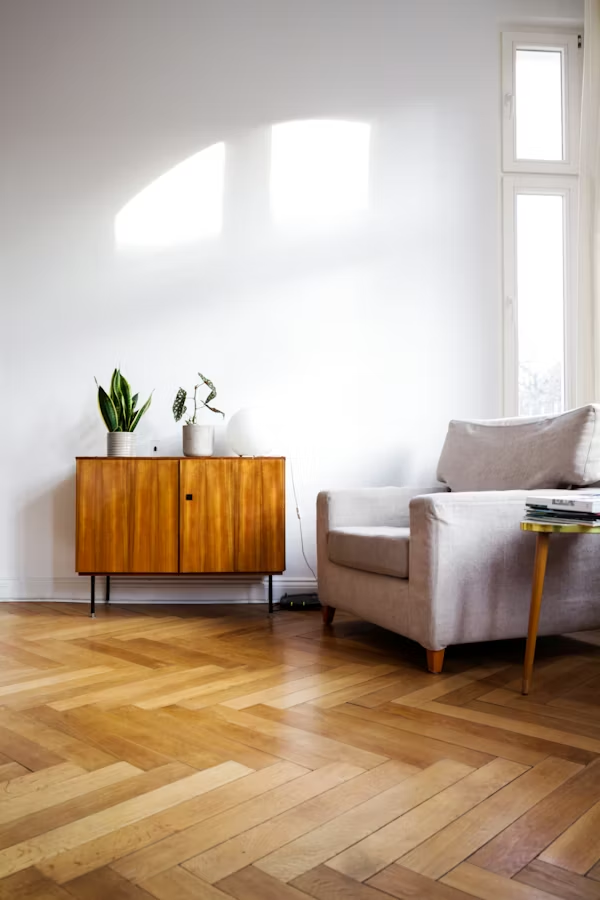
Eco-friendly and comfortable underfoot, cork represents sustainable flooring ideas offering unique benefits. Harvested from cork oak bark without harming trees, cork is renewable and environmentally responsible. The natural cushioning provides comfortable, warm surfaces perfect for kitchens where you stand frequently or bedrooms where bare feet appreciate softness. Cork’s cellular structure provides natural sound dampening and thermal insulation, making rooms quieter and more energy efficient. The material resists mold, mildew, and pests naturally while being hypoallergenic—ideal for allergy sufferers. Modern cork flooring comes in planks and tiles with varied colors and patterns beyond the basic corkboard appearance, suiting contemporary and traditional aesthetics. The surface requires sealing and periodic maintenance, and sharp objects can damage it more easily than harder flooring. But for those prioritizing sustainability, comfort, and unique aesthetics, cork offers compelling advantages other flooring can’t match. Your floors become conversation pieces about environmental responsibility while providing genuine comfort and warmth.
8. Reclaimed Wood for Character and Sustainability
New wood is lovely, but reclaimed wood floors represent characterful flooring ideas bringing history and sustainability together. Salvaged from old barns, factories, or demolished buildings, reclaimed wood features weathered patina, nail holes, saw marks, and variations impossible to replicate in new materials. Each board tells stories through its imperfections, creating floors with genuine character and soul. The sustainability aspect appeals to environmentally conscious homeowners—you’re repurposing existing materials rather than harvesting new trees. Reclaimed wood is often denser and more stable than new lumber since it’s thoroughly aged and dried. Installation requires professionals experienced with reclaimed materials since boards vary in dimensions and condition. Costs typically exceed new hardwood given sourcing difficulty and preparation requirements. The result is utterly unique floors guaranteeing no neighbor has the same, with organic character and authentic history. Your floors become literal conversation pieces with actual stories, which is basically the peak of interesting flooring.
9. Bamboo for Sustainable Hardwood Alternative
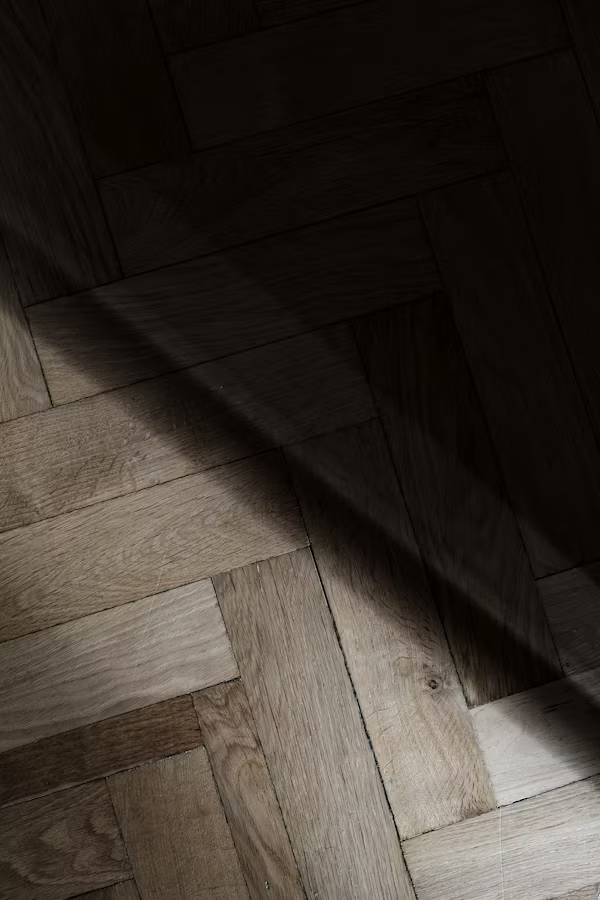
Bamboo technically isn’t wood—it’s grass—but it makes excellent flooring. Bamboo represents eco-friendly flooring ideas offering hardwood aesthetics with superior sustainability. Bamboo grows rapidly, reaching harvest maturity in 3-5 years versus decades for hardwood trees, making it highly renewable. The material is harder than many hardwoods, providing excellent durability and scratch resistance. Strand-woven bamboo particularly excels in hardness, rivaling the toughest wood species. The distinctive grain patterns and natural color variations create unique aesthetics ranging from light natural blonde to rich carbonized brown. Installation methods mirror hardwood—nail-down, glue-down, or floating—with DIY potential for the handy. Moisture sensitivity requires care in humid environments or wet areas, and quality varies significantly between manufacturers. Choose responsibly sourced bamboo ensuring sustainable harvesting practices. The combination of sustainability, durability, and distinctive appearance makes bamboo appealing for environmentally conscious homeowners wanting beautiful, long-lasting floors without contributing to deforestation.
10. Carpet Tiles for Flexible, Replaceable Comfort
Wall-to-wall carpet requires professional installation and complete replacement when damaged. Carpet tiles represent innovative flooring ideas offering carpet comfort with flexibility and easy replacement. These square tiles (typically 18×18 or 24×24 inches) install with adhesive backing or double-sided tape, creating custom carpet installations without professional help. Mix colors and patterns creating custom designs, borders, or geometric arrangements impossible with traditional carpet. When tiles stain or damage, replace individual squares rather than entire rooms—revolutionary for homes with pets, kids, or clumsy adults (basically everyone). Carpet tiles work beautifully in playrooms, home offices, basements, or bedrooms where comfort matters but permanent expensive carpet feels risky. The modular nature means taking tiles when you move, rearranging patterns when bored, or rotating high-traffic tiles to even wear. Quality varies from commercial-grade to plush residential styles. The flexibility and replaceability make carpet tiles practical flooring ideas for real life where spills, stains, and damage are inevitable rather than theoretical.
Choosing the Right Flooring Ideas
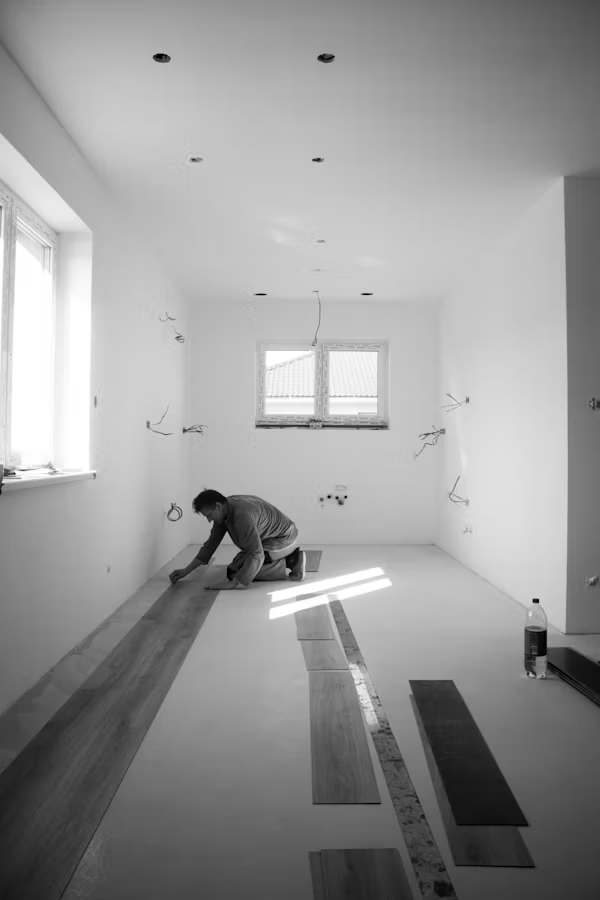
Before implementing flooring ideas, assess room functions and your lifestyle honestly. High-traffic areas need durable materials like LVP, tile, or hardwood. Moisture-prone spaces require waterproof options like tile, LVP, or sealed concrete. Bedrooms benefit from warm, soft materials like carpet, cork, or wood. Consider your household—pets and kids mean prioritizing durability and stain resistance over delicate materials requiring constant care. Budget realistically for materials plus installation unless you’re genuinely skilled at flooring work, which most people aren’t. Your flooring choice affects daily life for years or decades, so choose based on real needs rather than aspirational lifestyles where you’re neater and more careful than reality suggests.
Installation Considerations
Some flooring ideas are DIY-friendly while others demand professional expertise. Click-lock LVP and engineered hardwood suit moderately handy DIYers. Carpet tiles are beginner-friendly. Tile, solid hardwood, and polished concrete require professional installation for quality results. Poor installation ruins even premium materials, so hire professionals for complex projects unless you’re experienced and confident. Factor installation costs into budgets—sometimes expensive materials with cheap installation cost less overall than cheap materials requiring expensive professional work. Proper subfloor preparation affects all flooring longevity, so invest in good foundation work preventing future problems.
Maintenance and Longevity
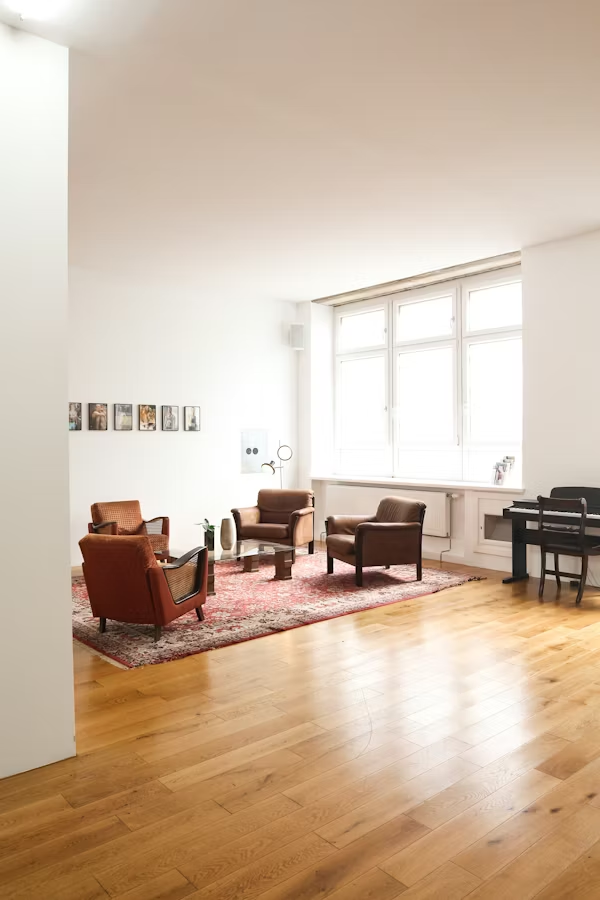
Different flooring ideas require different maintenance levels. Tile and LVP need minimal care—sweep and mop occasionally. Hardwood requires specific cleaners and periodic refinishing. Cork and bamboo need resealing every few years. Concrete is essentially maintenance-free beyond cleaning. Carpet requires vacuuming and eventual deep cleaning. Choose maintenance levels matching your actual habits rather than aspirational versions where you’re more diligent. The most beautiful floors fail if you won’t maintain them properly, becoming sad, neglected surfaces that make spaces worse rather than better.
Budget Strategies
Flooring ideas span budgets from affordable to astronomical. Vinyl and basic laminate cost least. Mid-range options include engineered hardwood, quality LVP, and standard tile. Premium choices include solid hardwood, natural stone, and artisan cement tiles. Start with high-traffic, visible areas, tackling less important spaces later as budget allows. Sometimes mixing flooring types strategically—tile in kitchen, LVP in living areas, carpet in bedrooms—provides varied benefits without uniform premium costs. Quality installation matters more than premium materials, so budget appropriately for professional work on complex projects.
Your Flooring Transformation
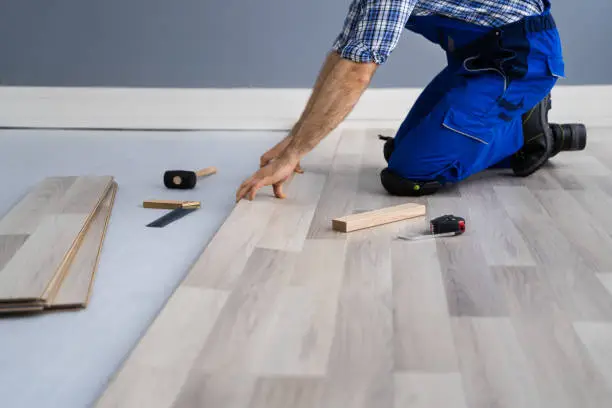
The right flooring ideas transform rooms from bottom up, creating foundations that support your entire aesthetic while handling daily life’s demands. Whether you choose waterproof luxury vinyl, authentic hardwood, modern polished concrete, or artistic patterned tiles, thoughtful flooring elevates your home significantly.
Start by identifying your most problematic or visible floors, implementing flooring ideas addressing those spaces first. One room with beautiful, appropriate flooring often inspires tackling others, and gradually your home evolves from builder-grade basics to thoughtfully designed spaces.
The best flooring ideas balance beauty with durability and maintenance, creating surfaces that look intentional while actually surviving your real life. Your floors should enhance daily experiences, not create anxiety about damage or require constant precious care incompatible with normal living.
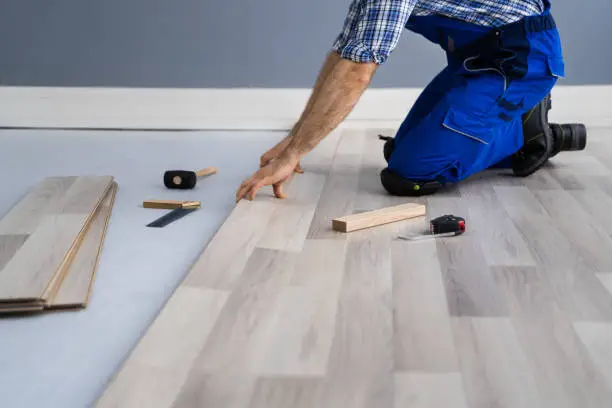
Stop accepting terrible floors just because that’s what you inherited. Implement these flooring ideas thoughtfully, prioritize rooms for maximum impact, and create foundations literally supporting your home’s beauty and function. Your floors have potential—time to help them reach it.
Now stop reading about flooring ideas and start planning your transformation. Assess your current disasters, measure your spaces, and choose solutions matching your lifestyle, budget, and aesthetic goals. Your beautiful floors await—right after you finish ripping out that carpet harboring mysterious stains from the previous decade. You’ve got this. Probably.