
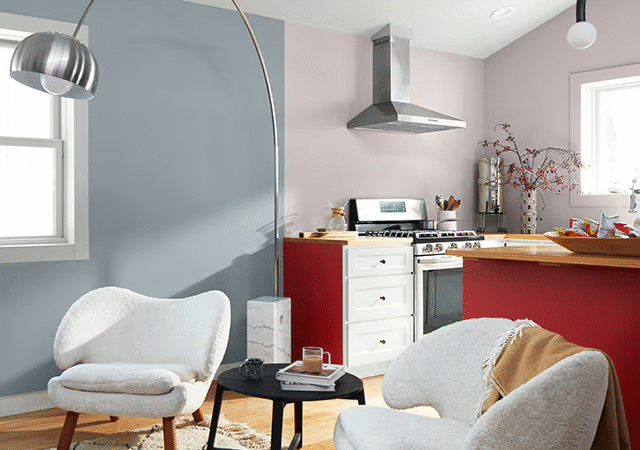
Introduction to Deco Studio Vibes
The concept of ‘Deco Studio Vibes’ draws inspiration from the chic and stylish characteristics of designer lofts, creating an inviting atmosphere in small living spaces. Loft-style designs are known for their spacious and open layouts, which enhance the functionality of limited areas. By embracing this aesthetic, individuals can transform a cramped environment into a modern sanctuary that reflects sophistication and creativity.
One of the key elements that epitomize Deco Studio Vibes is the use of industrial materials, such as exposed brick, concrete, and steel. These elements not only add character but also provide a raw, urban edge that many find appealing. Incorporating such materials into a small space can establish a visual balance between elegance and practicality, allowing homeowners to play with texture and light. In smaller interiors, where every square foot counts, the strategic use of these materials can elevate the overall design.
Furthermore, modern furnishings are crucial in achieving the Deco Studio aesthetic. Minimalist furniture with clean lines can create an uncluttered look, making the space feel larger while showcasing style. Opting for versatile pieces that serve multiple purposes—like a coffee table that doubles as a storage unit—can enhance functionality without compromising on design. Additionally, layering textiles and incorporating various forms of art can introduce warmth and personality, making the environment more inviting.
Overall, Deco Studio Vibes provide a framework for reimagining small spaces, allowing individuals to channel the charm of designer lofts. By marrying industrial elements with modern decor, homeowners can curate a stylish yet practical environment that leaves a lasting impression. This blog post will delve deeper into specific aspects of Deco Studio Vibes, offering insights on how to implement these concepts effectively within limited spaces.
Understanding Loft Design Elements
Loft design has come to represent an aesthetic that embraces openness, functionality, and industrial charm. Characterized by its high ceilings, exposed beams, and large windows, this style creates a sense of spaciousness that can significantly influence how a smaller area feels. By integrating these essential elements into your space, you can evoke the timeless allure of loft living.
One of the most distinct features of lofts is the high ceilings which allow for an open atmosphere filled with air and light. This verticality not only enhances the perception of space but also provides opportunities for creative uses of wall space, such as tall bookshelves or large art installations. Incorporating vertical elements in a small area, like tall plants or hanging artwork, can mimic this height and give the illusion of a larger space.
Exposed beams, often found in traditional lofts, add character and bring forth a rustic elegance that can be energetically conveyed in smaller settings. Even if your home lacks actual beams, the visual effect can be achieved through careful decorative choices such as wall treatments or ceiling designs that reflect this rugged beauty.
Large windows play a crucial role in loft design, flooding the space with natural light and making it appear larger and more inviting. To replicate this in confined spaces, consider using sheer curtains or opting for light-colored window treatments, which can reinforce brightness and openness. Reflective surfaces like mirrors can also be strategically placed to bounce light around the room, enhancing the overall spacious vibe.
Overall, applying these guiding principles of loft design—high ceilings, exposed structures, ample natural light, and strategic openness—can transform any small area into a stylish and expansive feel, reminiscent of chic urban lofts. By carefully curating these elements, you can achieve a balanced yet dynamic aesthetic, making your space feel much larger than it really is.
Color Palettes: Creating an Open Atmosphere
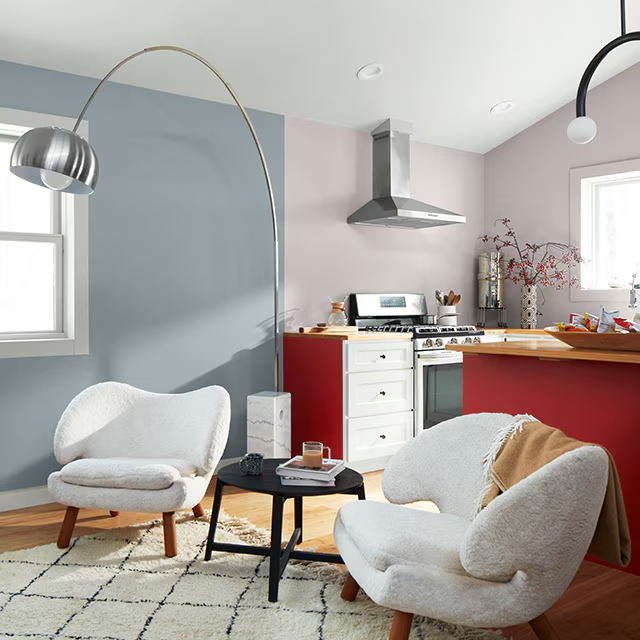
When it comes to transforming a small space into one that exudes the aesthetic of a designer loft, color choice plays a pivotal role. A well-crafted color palette not only enhances the perception of space but also sets the mood and tone for the entire room. Selecting a combination of neutral tones, bold accent colors, and interesting textures can make a considerable difference in achieving an open atmosphere.
Starting with neutral hues is often the best approach. Shades such as white, beige, and light gray serve as a versatile backdrop that can reflect light and create an airy feel. These colors can make walls appear more expansive and allow for greater flexibility when incorporating furniture and decorative elements. Neutral tones can be complemented with deeper shades, such as navy or forest green, as accent colors. These bolder additions can infuse character into the room without overwhelming the senses, striking a perfect balance between subtlety and vibrancy.
The use of texture adds another layer of depth to the overall design. Incorporating materials such as wood, metal, or fabric in various finishes enhances visual interest and can subtly reinforce the color scheme. For instance, a velvet-rich cushion in a deep hue placed against a neutral couch not only provides a touch of luxury but also accentuates the designer feel of the space. Layering textures helps to create a more inviting environment, fostering an atmosphere of sophistication.
Finally, ensuring a cohesive look throughout the space is essential in maintaining a polished aesthetic. This can be achieved by repeating color elements in different areas, such as artwork, pillows, and decorative accessories. By creating a unified palette that flows seamlessly from one area to another, the space can achieve the intended designer loft effect, making it feel more open and refined.
Furniture Selection: Choosing Pieces Wisely
Selecting the right furniture is pivotal in transforming a small space into a designer loft that exudes style and functionality. A carefully curated approach to furniture selection ensures that your living area not only maximizes the existing space but also reflects the desired aesthetic. One of the most effective strategies is to opt for multifunctional furniture pieces. For instance, consider a sleek coffee table that can double as a storage unit or a bed with built-in drawers. These versatile items help in keeping the space uncluttered while catering to varied needs.
Scale and proportion are two crucial factors that should guide your purchasing decisions. When dealing with limited square footage, oversized furniture can make a space feel cramped and uninviting. Instead, aim for smaller, streamlined pieces that promote better flow and enhance the airy feel of a loft environment. A good rule of thumb is to choose sofas, chairs, and tables that are balanced in size with the rest of the room. Creating visual harmony is essential in a designer loft; therefore, each piece should serve a purpose while contributing to an overall cohesive look.
Mixing vintage and modern styles can add character to your curated space. Integrating contemporary designs with select antique or retro pieces can create a dynamic visual aesthetic commonly found in designer lofts. For example, pairing a modern glass dining table with vintage wooden chairs can lend an eclectic yet sophisticated charm to your living area. When combining styles, it is vital to maintain a consistent color palette or similar materials to create a seamless blend that does not overwhelm the eye. Thoughtful furniture selection can ultimately create a harmonious and functional space that embodies the spirit of a contemporary loft.
Lighting: Setting the Mood
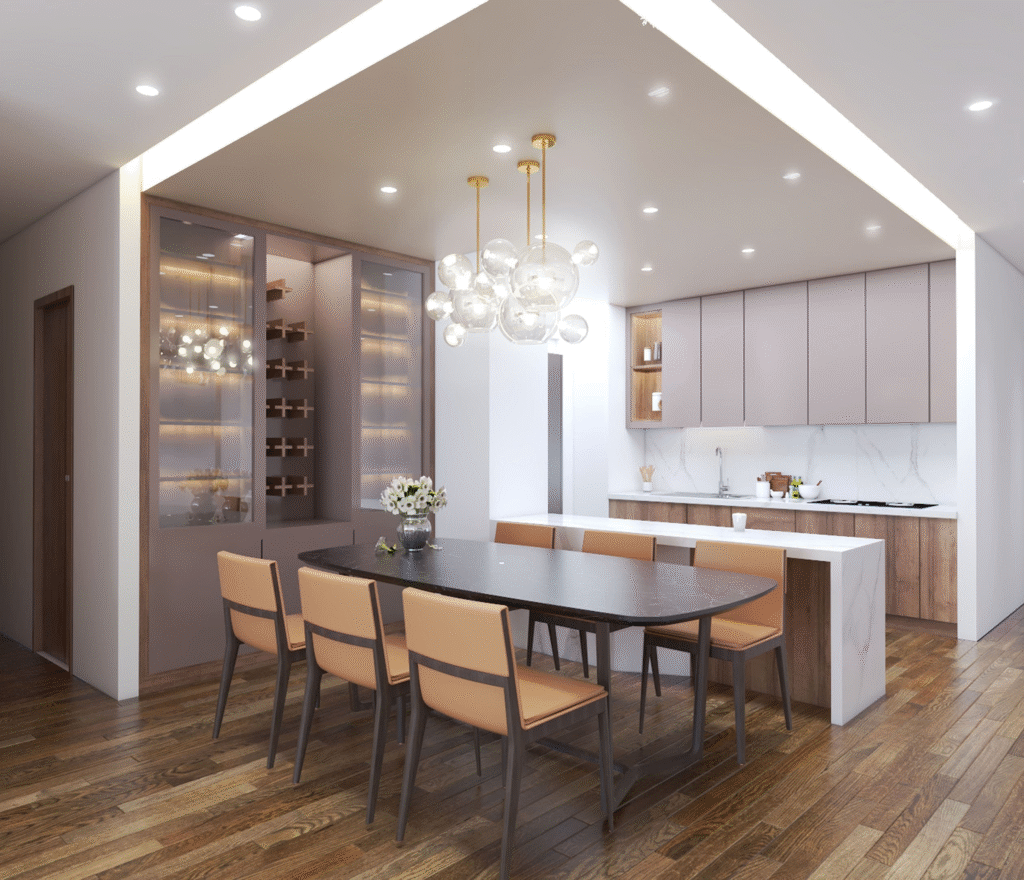
Lighting plays a pivotal role in transforming small spaces into inviting, functional, and stylish environments reminiscent of designer lofts. The three primary types of lighting—ambient, task, and accent—each serve a specific purpose and can significantly enhance the aesthetic appeal and functionality of compact areas.
Ambient lighting provides the overall illumination for a room, creating a warm and welcoming atmosphere. Recessed lighting or pendant fixtures with an industrial design contribute to that authentic loft feel. Consider fixtures made from metals such as brass or distressed steel, which evoke a modern yet timeless vibe. Additionally, large windows that allow natural light to fill the space can amplify this effect, making the area feel more expansive while highlighting architectural features.
Task lighting is essential for functionality, particularly in areas like kitchens or workspaces within small designs. Adjustable floor lamps, sleek desk lights, and under-cabinet lighting can help direct light where it is needed most. Opting for minimalist designs—characterized by simple lines and unexpected materials—ensures that these fixtures do not overwhelm smaller rooms but rather complement the overall decor while preserving a sense of openness.
Accent lighting adds depth and visual interest to your space. Wall-mounted fixtures, such as sconces or picture lights, can illuminate artwork or architectural details, thereby directing attention to specific areas without cluttering the space. Using dimmable options allows for versatility, letting you adjust the ambiance according to the occasion or the time of day.
By strategically blending these various lighting types—ambient, task, and accent—you can create a harmonious balance that maximizes functionality and fosters an inviting atmosphere. This careful consideration not only enhances the design aesthetic but also enriches the overall experience in a small space, evoking the essence of a lo-fi chic lifestyle.
Incorporating Art and Decor
Art and decorative elements play an essential role in transforming a small space into a chic, designer loft. Incorporating various artistic pieces not only enhances visual interest but also personalizes the environment, making it a reflection of your unique style. One of the initial steps in selecting artwork is to consider the overall theme and color palette of the space. Large, bold pieces can serve as focal points, while smaller artworks can complement them and create a gallery-like atmosphere.
When choosing art, it is beneficial to select pieces that resonate with you while maintaining an impression of sophistication. Contemporary art, abstract prints, or even vintage frames can elevate your decor. Additionally, layering artworks can introduce depth and drama, akin to the dynamic aesthetics found in upscale lofts. However, it is crucial to ensure that the selected pieces harmonize with each other and do not overwhelm the space. A well-chosen piece of art can ignite conversation and provide that undeniable designer flair.
In terms of decorative elements, integrating personal touches such as family photographs, unique collectibles, or handmade crafts can add warmth to your small space. However, it is vital to strike a balance between minimalism and decoration typical of loft designs. Excessive decor can lead to clutter, diminishing the spacious feel that is integral to loft living. A curated selection of decor items, including sculptures, stylish vases, and textured textiles, can enhance the aesthetic without distracting from the spaciousness.
Ultimately, the combination of well-selected art and thoughtful decorative elements will contribute significantly to achieving the desired designer loft vibe in your small space. By focusing on quality, cohesion, and personalization, you can successfully create an inviting yet upscale atmosphere that makes your space feel expansive and stylish.
Using Textiles for Comfort and Style
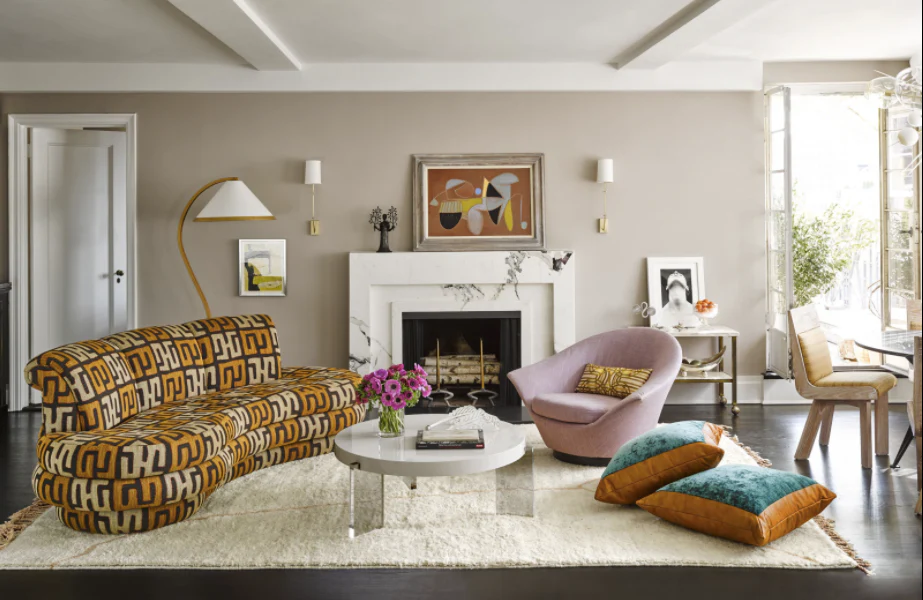
In the world of interior design, textiles play a pivotal role in shaping the atmosphere and character of any space, particularly in small areas aspiring to achieve a designer loft feel. The effective use of fabrics—such as rugs, curtains, and cushions—contributes significantly to creating an environment that is both warm and inviting while maintaining a chic aesthetic integral to loft-style living.
When selecting rugs, consider options with rich textures and patterns that resonate with the urban aesthetic typical of lofts. Natural fibers such as wool or jute not only offer durability but also provide a tactile quality that enhances comfort. A large area rug can be instrumental in defining spaces within an open floor plan, offering visual separation and a cozy feel underfoot. Layering rugs can add depth and interest; for example, a patterned rug atop a larger natural fiber option infuses personality while maintaining a sophisticated vibe.
Curtains are another avenue to introduce textiles into your décor strategy. Opt for lightweight, sheer materials to allow natural light to flood in, which is essential in small spaces. Fabrics like linen or cotton provide a contemporary edge and are simple to layer for added visual interest. Additionally, consider using curtain rods that extend beyond the window frames, which creates an illusion of larger windows and enhances the overall spaciousness.
Cushions and throws are essential for adding warmth and elegance to your small space. Mixing various textures—such as velvet, cotton, and leather—helps achieve a layered look that invites relaxation. Choose a cohesive color palette or theme that aligns with the overall design while allowing for some playful contrast through bold prints or colors. By thoughtfully incorporating textiles, it is possible to transform a small area into a stunning and inviting sanctuary, reflective of the designer loft aesthetic.
Maximizing Vertical Space
In the context of small spaces, leveraging vertical space is paramount for creating an environment that feels both open and functional. Utilizing height effectively can transform an ordinary area into a stylish residence reminiscent of a designer loft. One of the most efficient methods to achieve this is through the installation of shelving units. These fixtures not only serve as storage solutions but also allow for the display of decor items, thus adding personality to the room.
Wall-mounted shelves are particularly advantageous in small areas, as they do not consume floor space. They can be installed at various heights to display books, plants, and decorative objects, creating visual interest while maintaining a light aesthetic. When opting for shelving, choosing open designs can enhance the airy feel, allowing light to filter through and preventing the space from feeling cramped. Additionally, selecting shelves in a light color or transparent materials can further contribute to an unobtrusive look.
Another effective strategy involves utilizing wall-mounted storage units. These can serve dual purposes by providing both hidden and visible storage solutions. Closed cabinets can help hide any clutter, while open compartments facilitate easy access to daily essentials. Incorporating modular units allows for flexibility in design, permitting the customization of arrangements based on individual preferences or evolving needs.
Creative storage solutions also play a crucial role in maximizing vertical space. Utilizing hooks and pegboards can help organize tools, kitchen utensils, or personal accessories while adding an artistic touch to the design. Tall furniture, such as bookcases or cabinets that reach the ceiling, can further enhance this strategy by minimizing floor space usage while capitalizing on available height.
Final Touches: Adding Personality to Your Space
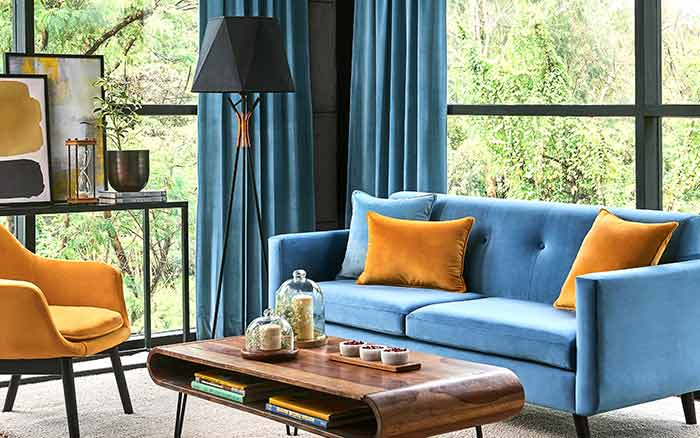
In a small living space, the final touches play a crucial role in elevating the overall design and creating an environment that reflects your unique personality. The careful selection of accessories and decorations can transform a minimalistic setting into a vibrant, personal sanctuary. When considering how to inject character into your home, it is essential to focus on elements that resonate with you and tell your story.
One effective way to showcase your individuality is by incorporating personal memorabilia. Think of items that hold sentimental value, such as photographs, travel souvenirs, or heirlooms. These pieces not only serve as conversation starters but also create a warm and inviting atmosphere by adding layers of meaning to your space. Displaying these items in a thoughtful manner, such as framing pictures in a gallery wall format or clustered with similar-themed objects, can amplify their impact within the room.
In addition to personal keepsakes, the use of thoughtful accessories can significantly enhance the desired designer vibe in your small space. Opt for chic vases, stylish throws, or unique sculptures that complement your overall aesthetic. Textures also play a vital role; mixing materials like wood, metal, and fabric can create visual depth. Furthermore, a well-chosen area rug can delineate different zones in your space, adding warmth while anchoring your decor around a central theme.
Your lighting choices can also contribute to the ambiance significantly. Decorative lamps or strategically placed fairy lights can create a cozy and inviting glow, enhancing the designer look you aim for. Finally, integrating plants can breathe life into your small area, naturally purifying the air and adding a touch of nature that softens the overall appearance.
Ultimately, the final touches you choose should not only beautify your space but also align with your identity, making your small home feel uniquely yours while exuding that chic, designer loft vibe.
This post may contain affiliate links, which means we may earn a small commission if you purchase through them—at no extra cost to you. Hopefully we can help you find something that helps you.