
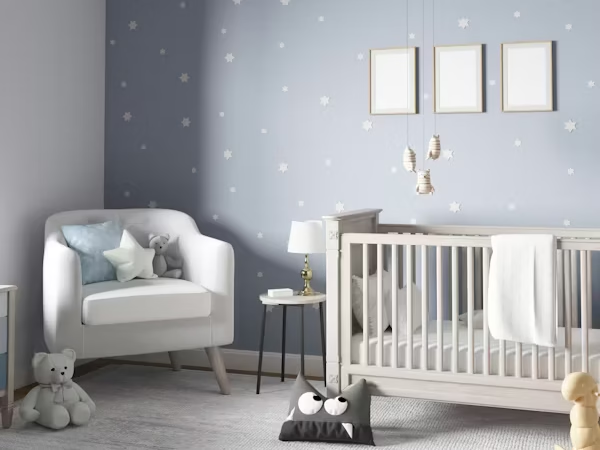
Let’s talk about baby rooms: they’re probably the most Pinterest-obsessed spaces in home design, yet somehow still manage to become chaotic storage units for stuffed animals, diaper boxes, and that fancy wipe warmer you used exactly twice. You start with dreams of a serene, Instagram-worthy nursery and end up with a room that looks like a baby supply store exploded. But what if your baby’s room could actually be both beautiful and functional? These baby room ideas create spaces that work for exhausted parents navigating 3 AM diaper changes while still looking magazine-worthy when relatives visit to judge your parenting choices. Whether you’re designing a spacious nursery or converting a closet-sized room, these ideas will help you create a baby space that supports your new reality without sacrificing style or your remaining sanity.
1. Choose a Neutral Color Palette for Longevity
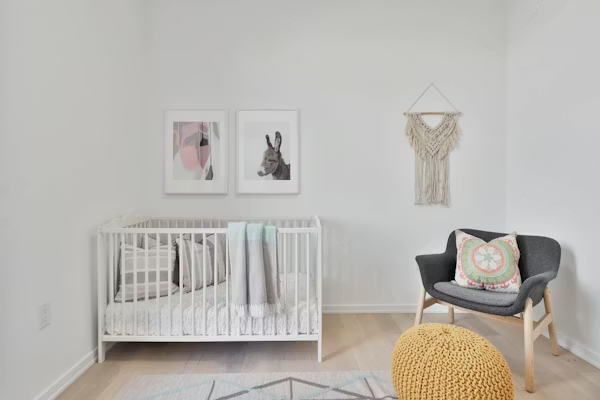
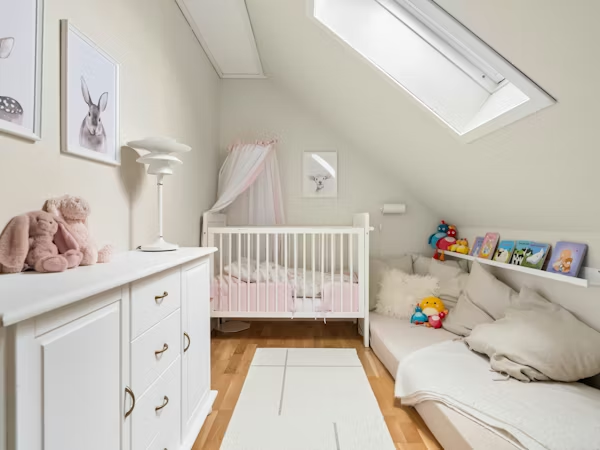
Gender-specific pink and blue nurseries are fine if you love them, but neutral palettes represent versatile baby room ideas that grow with your child and work for future siblings regardless of gender. Soft grays, warm beiges, gentle whites, or muted greens create calming backdrops that transition from infant to toddler years without requiring complete redecorating. These sophisticated neutrals also photograph beautifully (because let’s be honest, you’ll be taking approximately nine million photos), and they don’t scream “baby” so loudly that the room feels unusable once your child hits age three. Layer in pops of color through easily changeable elements like bedding, artwork, and accessories rather than committing to bright walls you’ll repaint in two years. This approach saves money, reduces future effort, and creates timeless spaces that feel intentional rather than themed. Your baby won’t care about color schemes anyway—they can barely see for the first few months—so design for your aesthetic sanity.
2. Invest in a Quality Glider or Rocking Chair
You will spend countless hours feeding, rocking, and soothing your baby in the middle of the night while questioning all your life choices. Comfortable seating represents essential baby room ideas that directly impact your survival during the newborn phase. A quality glider or rocking chair with proper lumbar support, comfortable armrests, and smooth motion becomes your best friend at 2 AM when you’re on your third feeding session and can’t remember your own name. Add an ottoman for leg elevation and a small side table for water, burp cloths, and your phone showing exactly how little sleep you’re getting. Choose upholstery that’s durable and cleanable—because babies are adorable but also disgusting—and avoid light colors unless you enjoy permanent stains as décor. This isn’t the place to skimp on budget; your back, shoulders, and mental health will thank you for investing in legitimate comfort rather than suffering through a cute but torturous chair you found on clearance.
3. Create Organized Storage for the Avalanche of Baby Stuff
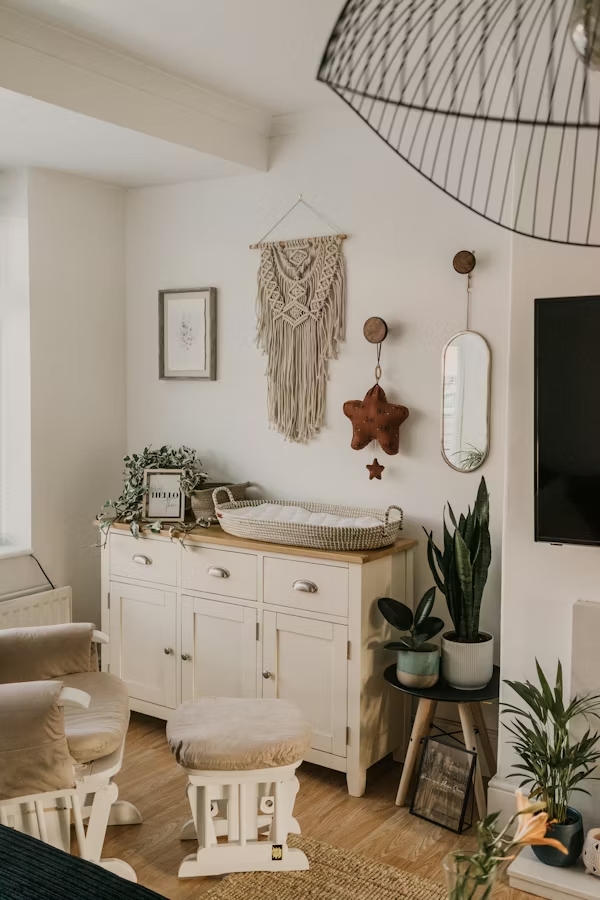
Babies are tiny humans requiring shocking amounts of stuff. Strategic storage systems are crucial baby room ideas for maintaining sanity when you’re sleep-deprived and fumbling for clean onesies at ungodly hours. Install a dresser that doubles as a changing table—top it with a changing pad and suddenly you’ve saved space and money. Add drawer dividers to organize tiny clothes by size, because nothing is more frustrating than discovering that adorable outfit doesn’t fit anymore and you never even used it. Incorporate open shelving for frequently needed items like diapers, wipes, and those mysterious tubes of butt cream they send you home with. Use baskets or bins to corral toys, blankets, and the seventeen pacifiers you’ll accumulate despite swearing you’d only use one. Label everything if you’re optimistic about your partner or visitors helping, though let’s manage expectations there. Organized storage won’t prevent baby chaos entirely, but it minimizes the “where the hell is…” panic that accompanies new parenthood.
4. Install Blackout Curtains for Sleep Salvation
Natural light is lovely except when you’re desperately trying to get your baby to nap at 2 PM on a sunny summer day. Blackout curtains or shades represent lifesaving baby room ideas that create cave-like darkness crucial for infant sleep. Babies sleep better in dark environments, and you need your baby to sleep better unless you enjoy functioning on two-hour intervals indefinitely. Quality blackout curtains block external light completely, helping establish healthy sleep patterns and protecting your fragile sanity. Choose curtains that also provide sound dampening to muffle outside noise—barking dogs, lawn mowers, and that neighbor who thinks Saturday morning is perfect for power tools. Layer blackout curtains with sheers for daytime light control, or install blackout shades behind regular curtains for aesthetics plus function. This isn’t frivolous luxury; it’s survival equipment disguised as window treatments. Future exhausted you will bless past pregnant you for this decision.
5. Add Soft Lighting with Dimmers for Night Feeds
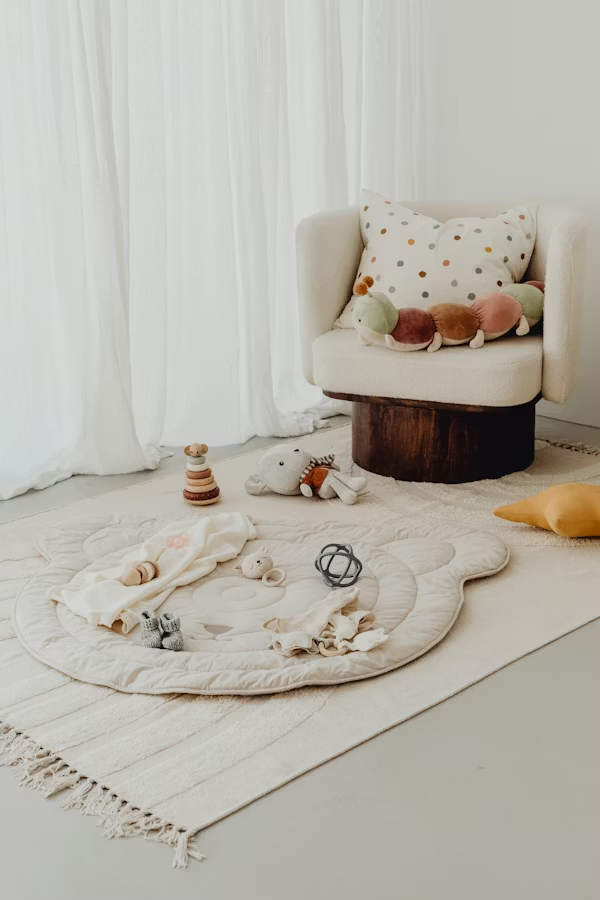
Bright overhead lights at 3 AM are torture devices that fully wake everyone unnecessarily. Layered, dimmable lighting represents thoughtful baby room ideas that preserve whatever sleep-adjacent state you’re clinging to during night feeds. Install a dimmer switch on overhead lights so you can adjust brightness based on needs—bright for cleaning and playing, dim for nighttime diaper changes. Add a small table lamp or wall sconce near the glider for reading or feeding without flooding the room with harsh light. Consider a small nightlight providing just enough glow to navigate without tripping over the seventeen toys that mysteriously migrate to the floor overnight. Smart bulbs controlled by phones let you adjust lighting without leaving the glider, which is basically magic when you’re stuck under a sleeping baby you’re terrified to move. Good lighting makes nighttime parenting less awful, which is the highest compliment you can give anything related to newborn care.
6. Incorporate a Statement Wall or Mural for Visual Interest
Neutral doesn’t mean boring, and babies benefit from visual stimulation once they can actually focus on things beyond fuzzy blobs. Feature walls or murals represent creative baby room ideas that add personality without overwhelming small spaces. Paint one accent wall in a complementary color—soft sage, dusty blue, or warm terracotta—to create depth and interest. Install removable wallpaper featuring subtle patterns, whimsical animals, or geometric designs that grow with your child without feeling too baby-specific. Commission or DIY a mural—mountains, forests, clouds, or abstract shapes—that creates a magical backdrop for the thousands of photos you’ll take. Wall decals offer commitment-free options that peel off when you’re ready for changes, perfect for renters or the commitment-phobic. Just avoid anything too stimulating or busy right above the crib where your baby stares before sleeping—you want soothing, not a visual assault preventing rest. The feature wall provides a focal point that makes the room feel designed rather than just assembled from baby store purchases.
7. Choose Multi-Functional Furniture for Space Efficiency
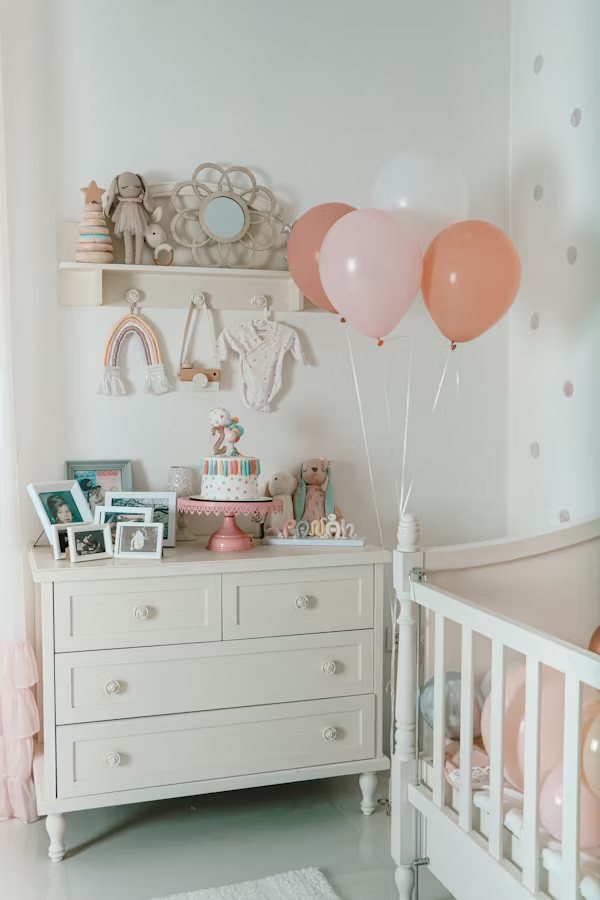
Nursery furniture is expensive and babies outgrow things shockingly fast. Multi-functional pieces represent smart baby room ideas that maximize value and longevity. Choose cribs that convert to toddler beds and eventually full-size beds, extending usefulness for years. Select dressers that work beyond baby years rather than precious nursery-specific furniture you’ll replace when your child turns four. Find changing tables that become regular dressers or desks after diaper days end—which feels impossibly far away but arrives faster than you’d imagine. Storage ottomans provide seating and concealed storage for toys or blankets. Bookshelves hold baby books initially, then toys, then eventually actual chapter books as your child grows. This approach costs more upfront but saves money long-term by eliminating the constant furniture replacement cycle. Plus, you’ll be too exhausted to deal with furniture shopping again for several years, so choose pieces that adapt rather than requiring replacement every developmental phase.
8. Add Personal Touches That Make It Uniquely Yours
Pinterest-perfect nurseries are inspiring but can feel generic. Personal elements represent baby room ideas that create meaningful spaces reflecting your family. Display family photos in sweet frames, showing your baby they’re part of a larger story. Incorporate heirloom items—a rocking chair from grandma, a quilt made by a relative, or vintage books from your own childhood. Create custom artwork featuring your baby’s name, birth details, or meaningful quotes. Add shelving displaying objects from your travels or interests, teaching your baby about the world beyond their crib. Include books you loved as a child alongside new favorites, building a library representing your values and experiences. These personal touches transform generic baby rooms into family spaces with history and meaning. Your baby won’t appreciate the sentimentality for years, but you’ll feel more connected to the space you’re inhabiting approximately 23 hours daily during those early months.
Creating a Baby Room That Grows
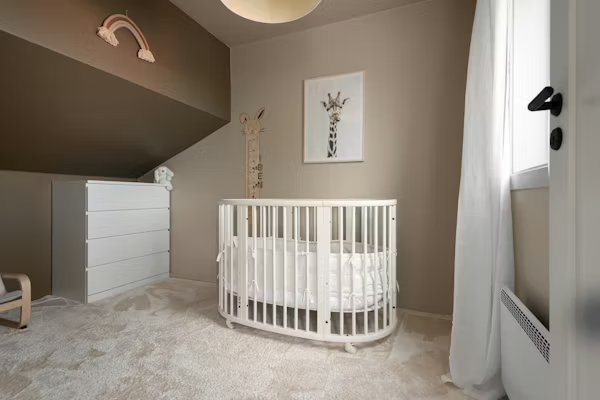
The best baby room ideas balance immediate newborn needs with future toddler realities. Your baby will be crawling, walking, and destroying your carefully curated aesthetic faster than seems possible. Design for this evolution by choosing durable materials, avoiding precious items you’ll panic about protecting, and leaving flexibility for changes. That gorgeous white fuzzy rug? It’ll be disgusting within months. The delicate mobile you spent hours installing? Your baby will grab it and potentially strangle themselves once they can stand in the crib. Think practically about what survives actual children rather than creating showrooms that stress you out when reality intrudes.
Safety First, Always
Whatever baby room ideas you implement, safety is non-negotiable. Anchor all furniture to walls—babies climb earlier than you expect and tip-over accidents are tragic and preventable. Keep cords from blinds and curtains completely out of reach. Ensure nothing hangs within the crib that could pose strangulation risks. Use outlet covers, cabinet locks, and corner guards before your baby becomes mobile. Position cribs away from windows, heating vents, and anything else potentially hazardous. Follow safe sleep guidelines religiously—firm mattress, fitted sheet, nothing else in the crib. Beautiful nurseries mean nothing if they’re unsafe, so prioritize protection over aesthetics when conflicts arise.
Budget-Friendly Baby Room Ideas
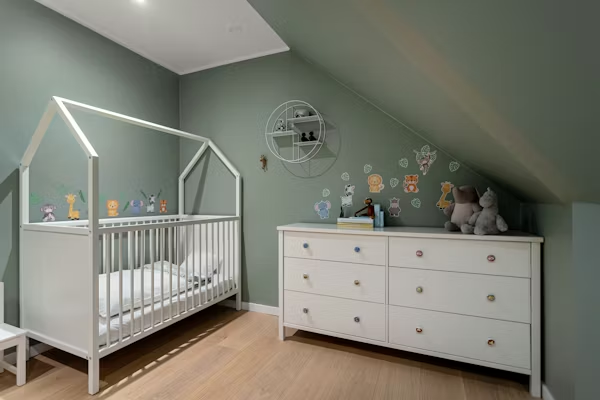
Baby rooms don’t require trust funds. Many effective baby room ideas work on modest budgets. Paint is inexpensive and transformative. DIY artwork, recovered furniture from Facebook Marketplace, and hand-me-down items from friends create functional nurseries without debt. Focus spending on quality items affecting safety and comfort—crib mattress, car seat, safe sleep environment—and economize on decorative elements that matter less functionally. Babies genuinely don’t care whether their nursery cost $500 or $5,000; they just need safe sleep, clean diapers, and fed bellies. Design for your own satisfaction and practical needs rather than competing with social media nurseries funded by mysterious unlimited budgets.
Managing Expectations
Pinterest and Instagram show perfect nurseries photographed in optimal lighting before babies actually occupy them. Real baby rooms accumulate clutter, stains, and chaos faster than you can say “sleep regression.” The baby room ideas you implement will look perfect for approximately three days before reality arrives. Accept this. The goal is functional beauty that serves your family, not magazine-perfect spaces requiring constant maintenance you don’t have energy for. Give yourself grace when the room doesn’t stay showroom-ready. You’re keeping a tiny human alive, which is substantially more important than maintaining aesthetic perfection.
Your Baby Room Journey
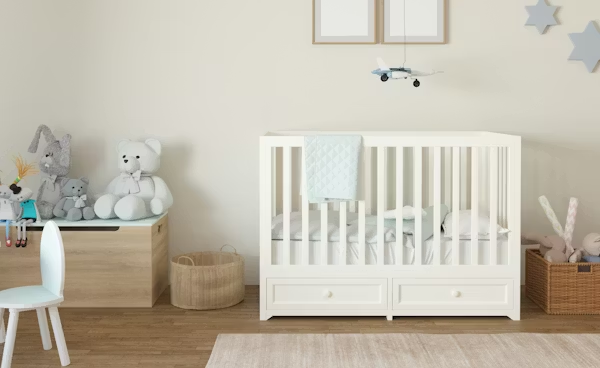
The right baby room ideas create spaces supporting new parenthood’s challenges while providing beauty and comfort during this intense, exhausting, magical phase. Whether you go neutral and minimalist, bold and colorful, or somewhere between, thoughtful design makes the countless hours you’ll spend in this room more pleasant.
Start with essentials—safe sleep environment, comfortable seating, adequate storage, good lighting. Build from there based on budget and energy. Not everything must be perfect before baby arrives; you can adjust and improve as you discover actual needs versus imagined ones.
The best baby room ideas balance form and function, creating beautiful spaces that genuinely support your new reality rather than adding stress through impracticality. Your baby needs safety, comfort, and your presence—everything else is optional enhancement.
Stop obsessing over Pinterest perfection and start planning a baby room that works for your actual life, space, and budget. Implement these baby room ideas thoughtfully, prioritize what matters, and give yourself permission for imperfection. You’re creating a nest for your growing family, not a museum installation. Functional beauty that serves your needs beats perfect aesthetics requiring unsustainable maintenance.
Now take a deep breath, start planning your baby room, and remember that whatever you create will be perfect because it’s yours. Your baby will thrive regardless of whether you chose the “right” paint color or invested in coordinating accessories. Focus on safety, comfort, and creating a space you enjoy, because you’ll be spending a lot of time there. Your baby room journey begins—make it work for you.