Zen is a profound philosophy rooted in Buddhism that emphasizes achieving a state of mindfulness and tranquility through simplicity and balance. The essential principles of Zen focus on creating an environment that encourages mental clarity and peace, making it an ideal approach for designing a Zen-inspired space in your home. At the heart of Zen is the belief in minimalism; a commitment to decluttering both physical and mental spaces. This philosophy promotes the idea that by removing unnecessary distractions, one can foster a more serene and harmonious atmosphere.
One key aspect of Zen principles is the significance of balance. Achieving equilibrium in your surroundings contributes to a sense of calm, affecting not only the aesthetic appeal of a space but also the psychological well-being of its occupants. This can be accomplished by thoughtfully arranging furniture and decor to create a flow that feels natural and inviting. Incorporating natural elements such as wood, water, and plants can enhance the ambiance, bringing a touch of the outside world into your Zen-inspired haven. Nature has a profound impact on mental well-being, serving as a reminder of life’s simplicity and beauty.
Additionally, mindfulness plays a crucial role in the Zen philosophy. This practice encourages individuals to be present in the moment and appreciate their surroundings, which can be integrated into the design of your space. Meditation corners, serene color palettes, and cozy textures are all elements that promote mindfulness, allowing you to fully engage with your environment. By embracing these Zen principles, you can create a home that not only looks aesthetically pleasing but also supports a calming and mindful lifestyle, fostering overall well-being.
Creating a Zen-inspired space in your home begins with decluttering, an essential step that allows for a more tranquil and harmonious environment. The act of clearing out unnecessary items not only frees up physical space but also has profound psychological benefits, including reduced stress and improved focus. A tidy home fosters clarity of mind, enabling one to cultivate a more serene atmosphere. To achieve this, it is vital to approach decluttering systematically and thoughtfully.
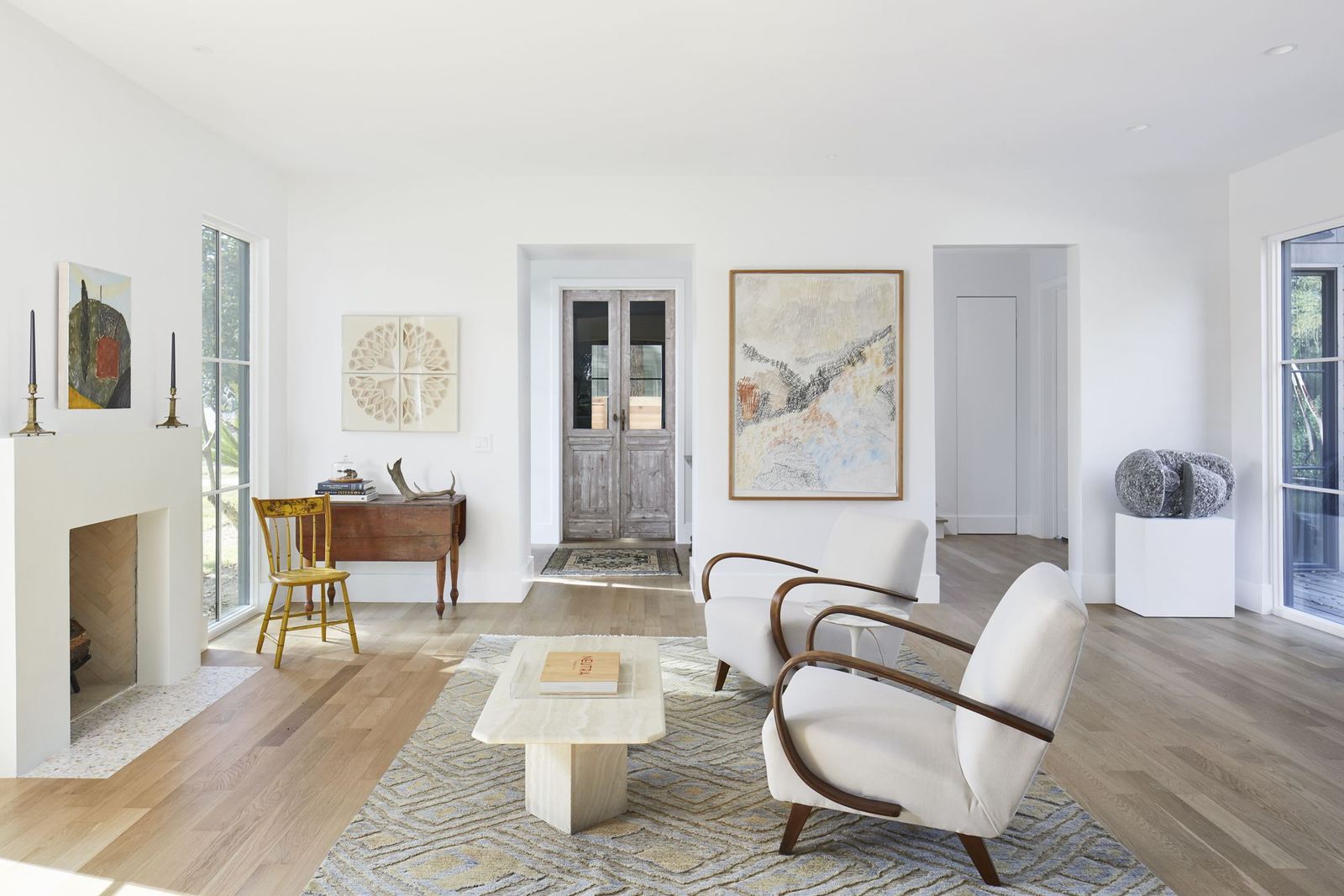
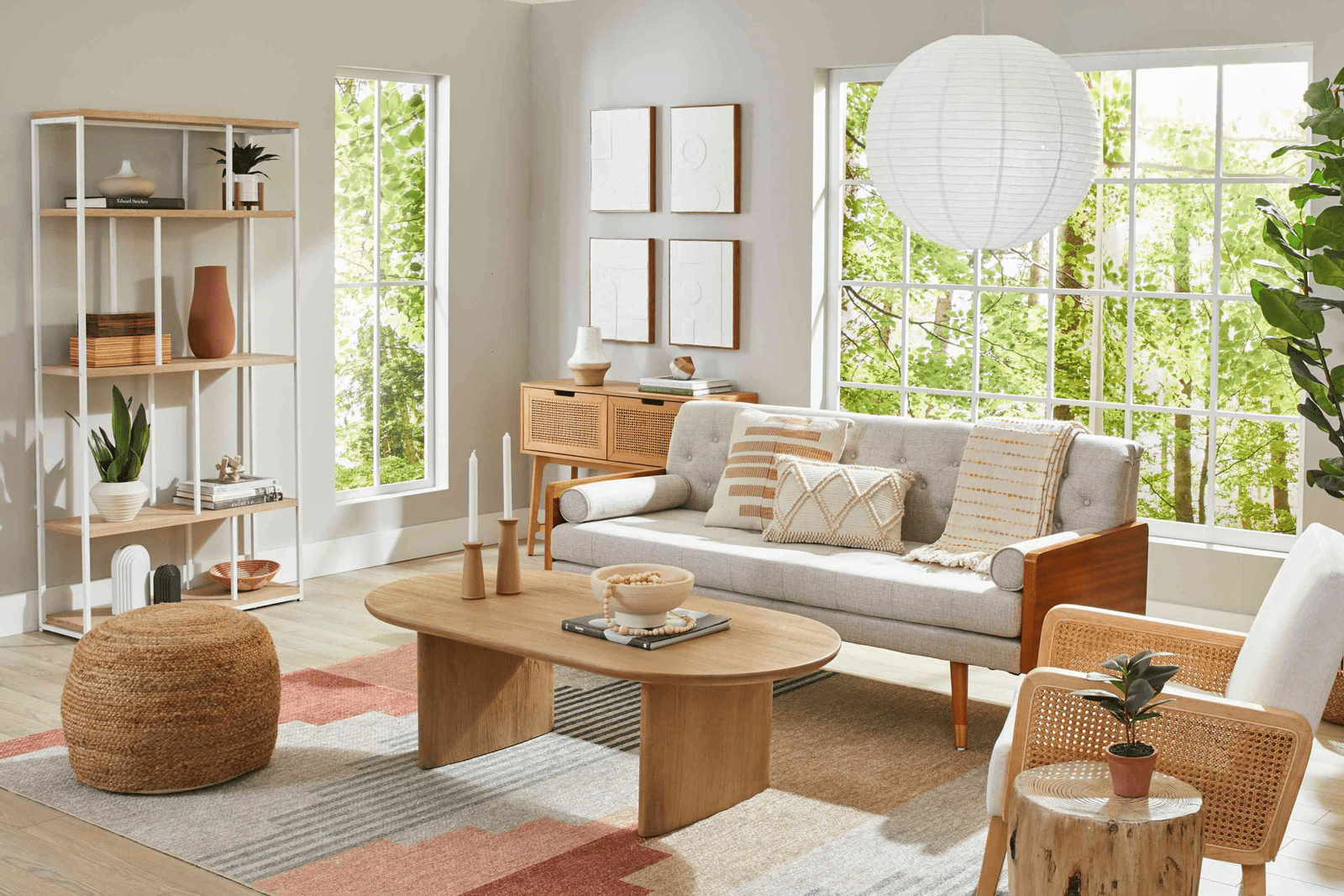
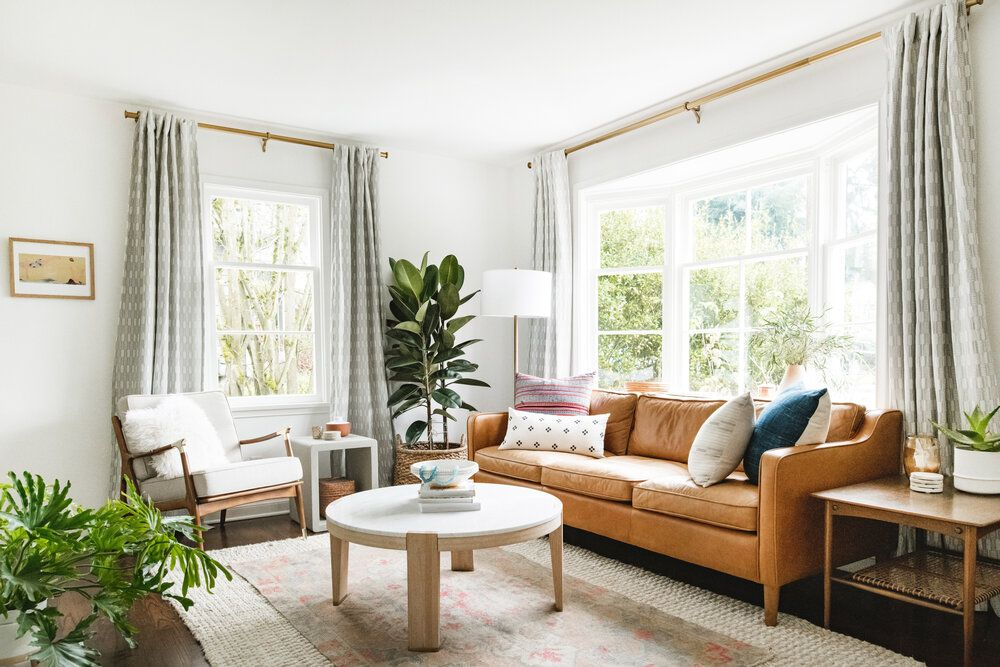
Starting with the living room, one can begin by evaluating furniture placement and the items displayed. Remove any excess decor items that may create visual chaos, opting instead for a few well-placed pieces that evoke tranquility. Consider donating or recycling furniture that no longer serves a purpose or contributes positively to the space. Maintaining a clutter-free coffee table and consistent organization of remote controls and magazines can further enhance the calm ambiance.
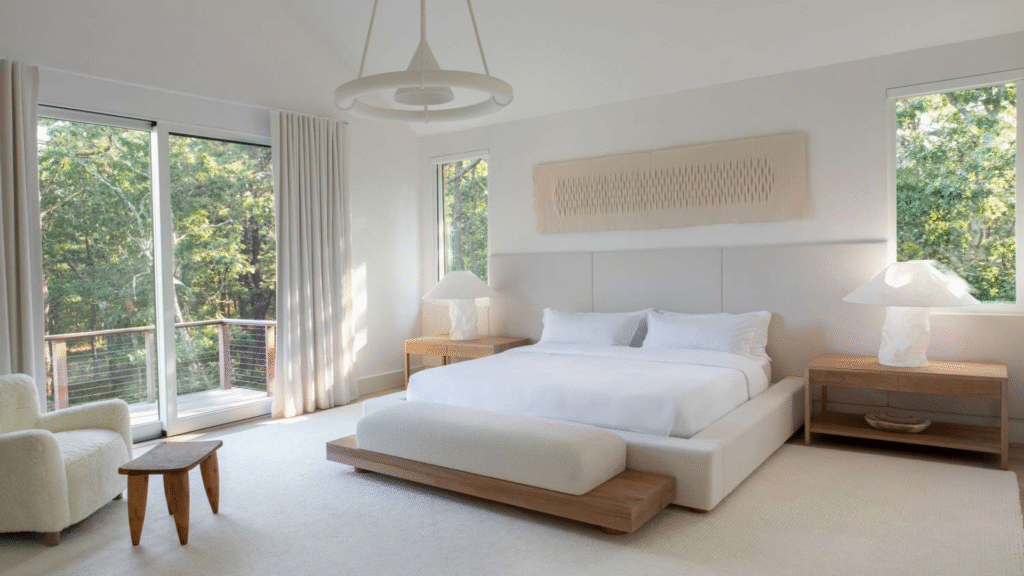
In the bedroom, decluttering plays a crucial role in establishing a restful retreat. It is beneficial to assess the closet and drawers, removing clothing that is no longer worn or needed. Prioritize essential items and invest in storage solutions, such as under-bed boxes or decorative baskets. Ensuring the bedside table is kept minimal can help create a serene space conducive to relaxation and sleep.
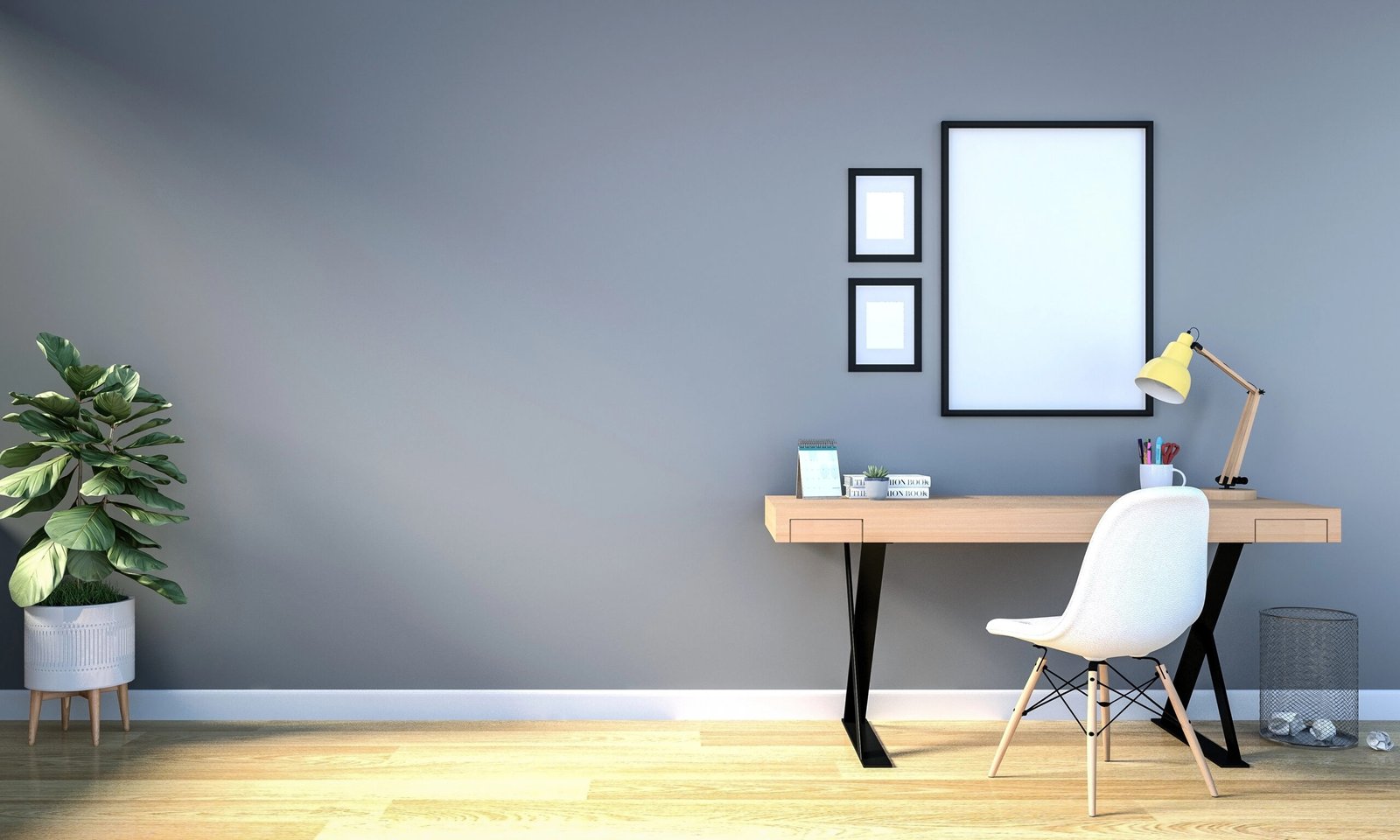
For workspaces, decluttering is essential for enhancing productivity. A clean desk allows for increased focus and better organization of tasks. Clear out outdated papers, unnecessary office supplies, and any items unrelated to work. Implementing a system for regular organization, such as weekly cleanups, will help maintain a productive environment.
In conclusion, a decluttered home serves as the foundation for achieving a Zen-inspired space. By systematically addressing each area, individuals can experience the psychological benefits of a tidy environment, paving the way for peace and tranquility in their everyday lives.
Incorporating Natural Elements
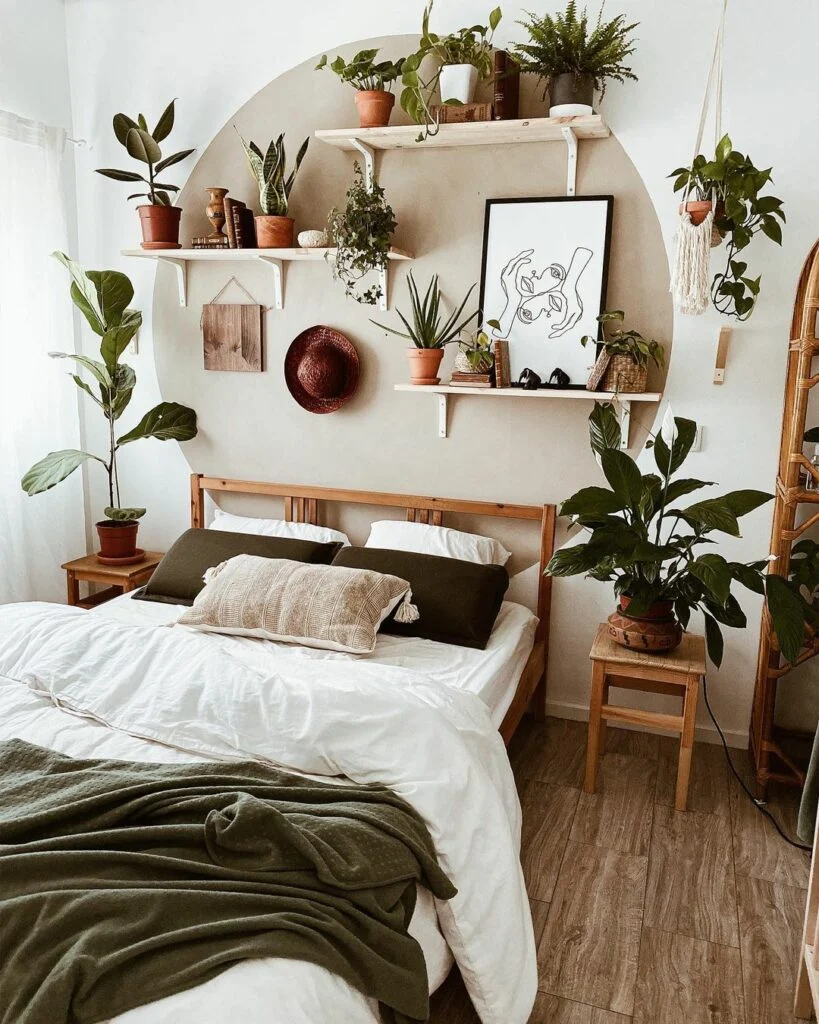
Creating a Zen-inspired space within your home can significantly be enhanced by incorporating natural elements. By bringing aspects of nature indoors, one can establish a serene atmosphere conducive to relaxation and mindfulness. Plants, as essential components, not only purify the air but also foster a sense of tranquility. Consider integrating a variety of indoor plants, such as peace lilies, snake plants, and ferns, which are known for their ability to thrive in indoor conditions while offering aesthetic appeal.
In addition to greenery, the use of natural materials plays a pivotal role in creating a calming environment. Utilizing wood, stone, and bamboo in your decor can evoke a connection to the earth. For instance, wooden furniture pieces can add warmth and character to a space, while stone accents can contribute to a more grounded feel. Textiles made from organic materials, such as cotton or linen, can further enhance comfort and make the space feel inviting.
Earthy color palettes can tie together the natural elements within your home. Soft hues of green, brown, and beige evoke a sense of calm and promote relaxation. These colors can be incorporated through paint, furniture, and accessories, making it easy to create a cohesive and peaceful environment. Additionally, the inclusion of water features, such as a small indoor fountain or aquariums, can introduce soothing sounds and visuals comparable to nature, enriching your Zen space.
The psychological effects of nature on well-being are well-documented. Studies indicate that exposure to natural elements can reduce stress, enhance mood, and promote overall mental health. By fostering a connection with the outdoors, whether through the use of plants or the incorporation of natural materials, one can create a more tranquil living space, ultimately embodying the principles of Zen within the home.
Establishing a mindful atmosphere in your home is essential for promoting relaxation and inner peace. To achieve this, consider the three key elements of ambiance: lighting, scent, and sound. These components work together to create a tranquil environment conducive to mindfulness practices.
When it comes to lighting, opt for soft, warm tones that reduce glare and create a mellow ambiance. Use dimmable lights or floor lamps to control the brightness according to your mood. Furthermore, incorporating candles or salt lamps can add a gentle glow while also infusing the space with a sense of warmth. The right lighting can significantly influence your emotional state and help in cultivating a serene atmosphere.
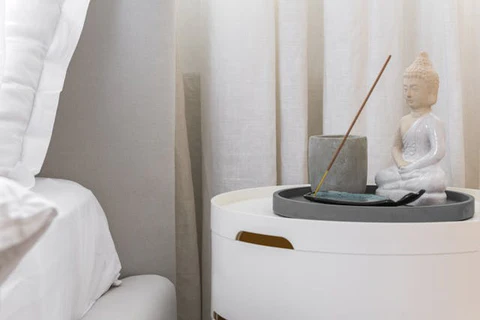
Scent plays a pivotal role in evoking feelings of calmness and tranquility. Essential oils such as lavender, chamomile, or sandalwood can be used in diffusers to fill your home with soothing fragrances. Alternatively, consider using incense or creating potpourri with natural ingredients to enhance your surroundings. Engaging the olfactory senses not only elevates the ambiance but can also anchor your mind, making it easier to focus during mindfulness activities.
Sound is another vital aspect of a mindful space. Consider incorporating nature sounds such as flowing water, birds chirping, or gentle wind chimes to facilitate a peaceful atmosphere. Additionally, soft music or guided meditation recordings can help you find your moment of zen. Create dedicated areas for meditation or mindfulness practices, allowing yourself a place to retreat and connect with your inner self. These areas can be adorned with comfortable seating and essential resources, promoting consistency in your practice.
Finally, integrating calming rituals such as daily breathing exercises or gratitude journaling can further enhance mindfulness. Collectively, these elements contribute to creating a sanctuary that supports reflection and serenity throughout your home.
This post may contain affiliate links, which means we may earn a small commission if you purchase through them—at no extra cost to you. Hopefully we can help you find something that helps you.