
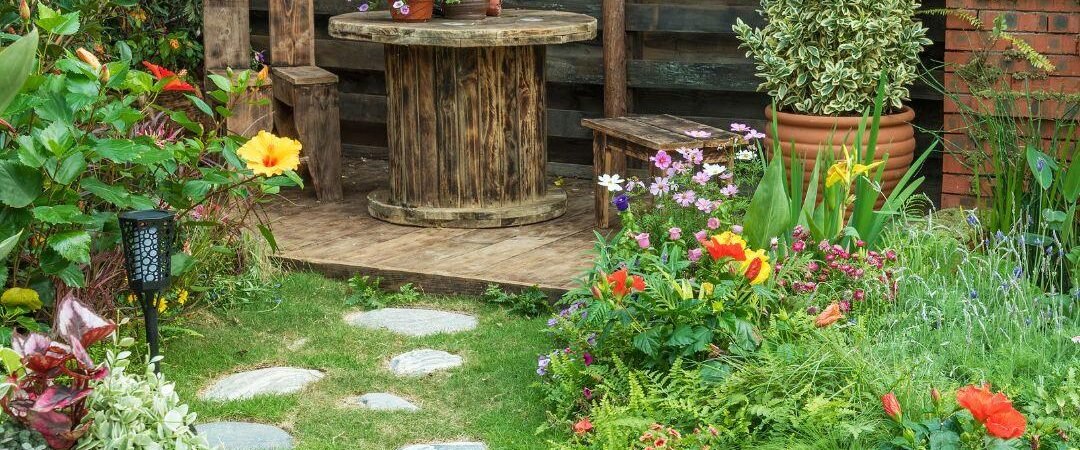
In a world where our homes have become our sanctuaries, the art of home garden decoration has evolved far beyond simply planting flowers and trimming hedges. Today’s garden enthusiasts are discovering that their outdoor spaces can serve as dynamic canvases for creative expression, seasonal storytelling, and personal reflection. The key to exceptional home garden decoration lies not in following rigid design rules, but in understanding how to weave together elements that speak to your soul while creating functional beauty that changes with the rhythms of nature.
The Psychology Behind Meaningful Home Garden Decoration
What sets truly captivating gardens apart from merely pretty ones is the emotional connection they forge with both their creators and visitors. Home garden decoration becomes transformative when it reflects personal narratives and creates spaces for meaningful experiences. Consider how different textures, colors, and spatial arrangements can evoke specific moods and memories. A weathered wooden bench positioned to catch morning sunlight doesn’t just provide seating—it creates a ritual space for daily reflection.
The most successful home garden decoration projects begin with understanding your own relationship with nature. Do you find peace in organized symmetry or wild, naturalistic arrangements? Are you drawn to the meditative qualities of water features, or do you prefer the dynamic energy of pollinator gardens buzzing with life? These personal preferences should guide every decorative decision, from the grandest landscape features to the smallest potted arrangements.
Seasonal Transformation: The Ultimate Home Garden Decoration Strategy
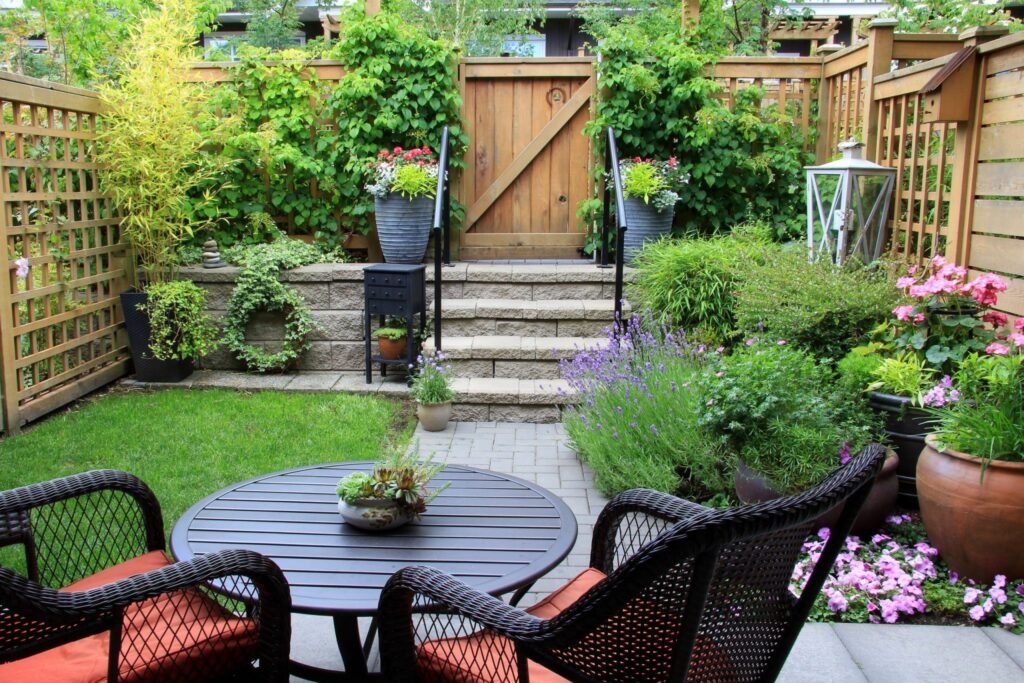
Unlike interior spaces, gardens offer the unique opportunity to completely reinvent themselves throughout the year. Master gardeners understand that exceptional home garden decoration involves planning for four distinct seasonal experiences, each with its own personality and decorative potential.
Spring: The Season of Renewal and Fresh Beginnings
Spring home garden decoration should capture the explosive energy of new growth. Instead of relying solely on traditional spring bulbs, consider creating layered displays that tell the story of awakening. Combine early-blooming shrubs like forsythia with underplantings of emerging perennials and strategically placed decorative elements like vintage watering cans filled with pussy willows.
The key to spring garden decoration is embracing the beauty of imperfection and emergence. Allow some areas to look deliberately “unfinished”—perhaps a section where new plantings are just breaking ground, marked by charming plant labels or small decorative stakes. This celebrates the anticipation and promise that makes spring so emotionally powerful.
Summer: Creating Living Rooms in Your Garden
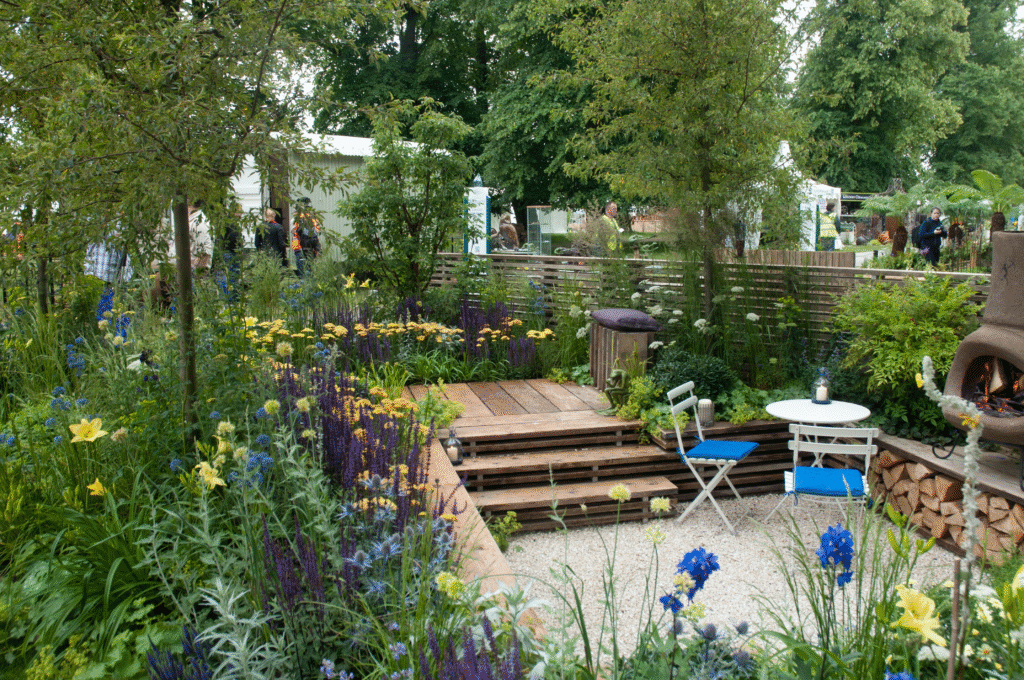
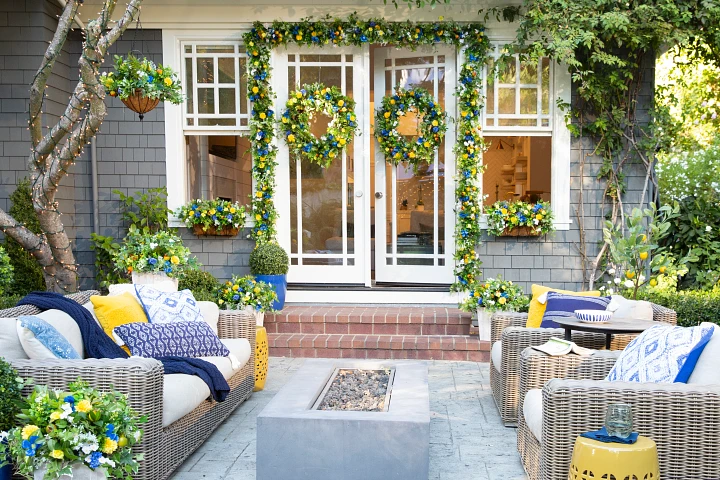
Summer presents the peak opportunity for home garden decoration that extends your living space outdoors. This is when your garden should function as a series of outdoor rooms, each with its own purpose and decorative theme. Create intimate conversation areas using container gardens as natural dividers, or establish dining spaces where aromatic herbs provide both decoration and culinary functionality.
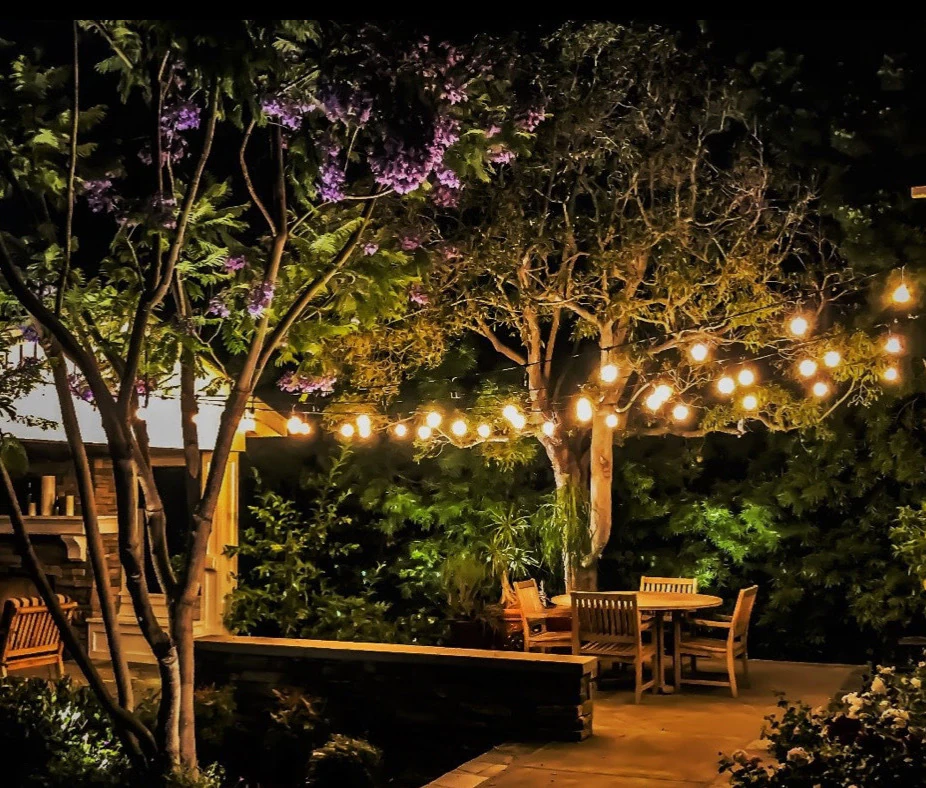
Consider the often-overlooked vertical dimension in summer home garden decoration. Trellises adorned with climbing roses or flowering vines create natural walls, while overhead elements like pergolas draped with string lights transform evening garden experiences. The goal is to make your outdoor space so inviting that it becomes the preferred location for daily activities.
Autumn: The Art of Graceful Transition
Autumn home garden decoration offers opportunities that most gardeners underutilize. Rather than simply cleaning up spent summer plants, thoughtful decorators use this season to showcase the beauty of transition. Ornamental grasses left to develop their full seed heads create dramatic textural elements, while late-blooming perennials like asters and mums provide color that rivals any spring display.
The secret to exceptional autumn garden decoration lies in celebrating impermanence. Incorporate elements that acknowledge the season’s fleeting nature—perhaps a collection of colorful gourds arranged on weathered wooden crates, or decorative branches gathered from your own trees and arranged in large ceramic vessels.
Winter: Finding Beauty in Minimalism
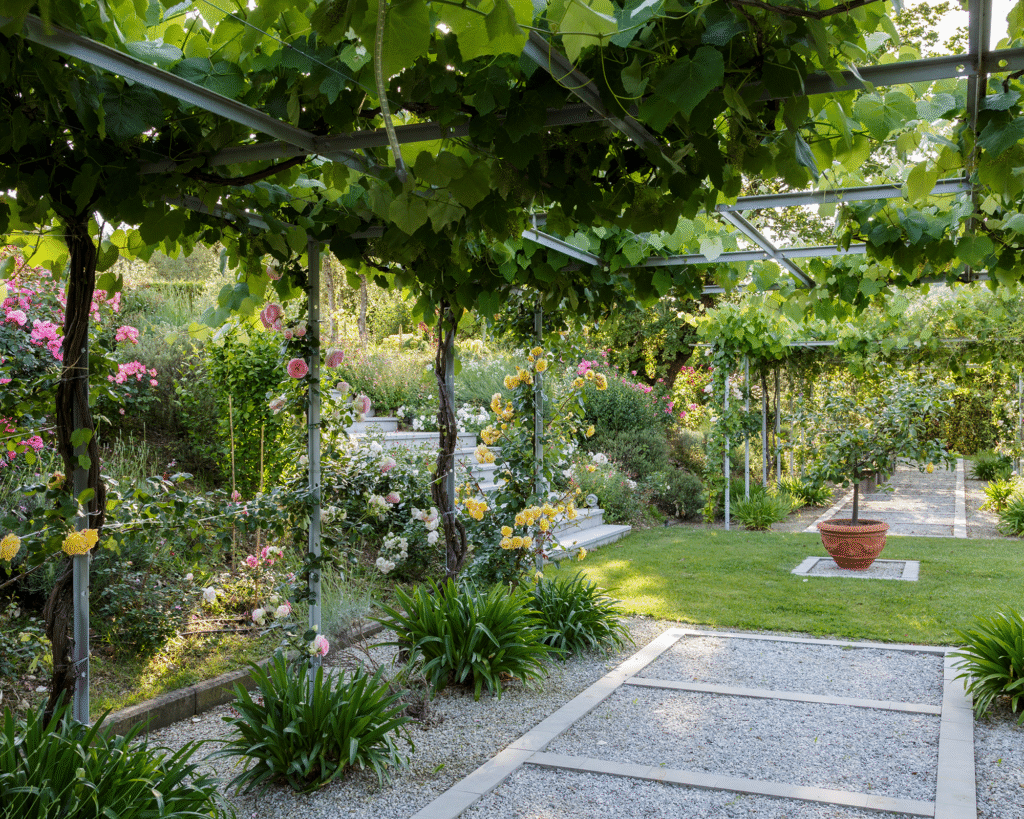
Winter home garden decoration challenges us to find beauty in structure and subtlety. This is when the bones of your garden design become most apparent, and when thoughtful decorative choices have maximum impact. Evergreen arrangements in outdoor containers provide life and color, while decorative elements like colorful pottery, sculptural branches, or artistic garden stakes create focal points against the simplified winter landscape.
The Art of Layered Planting for Year-Round Impact
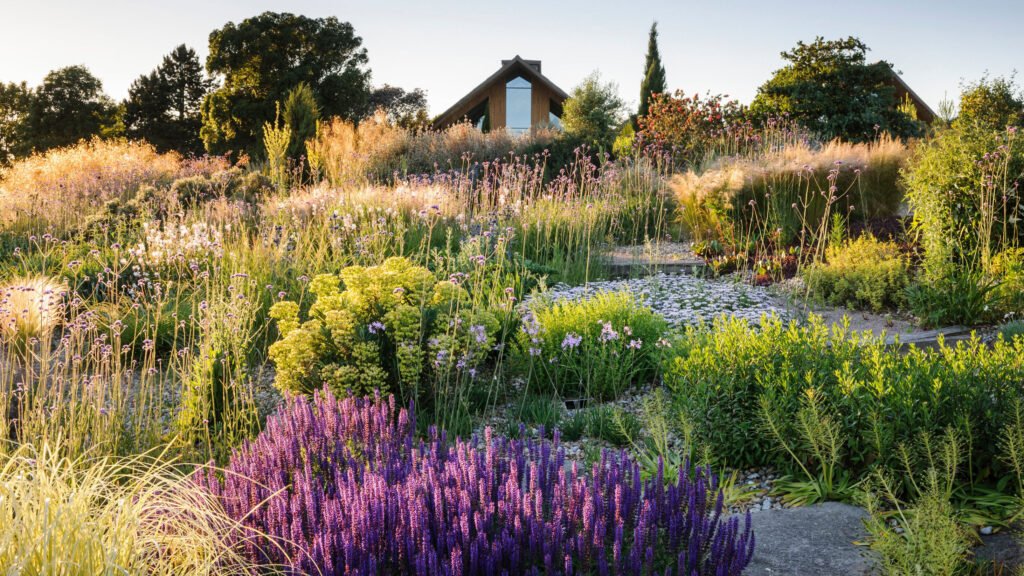
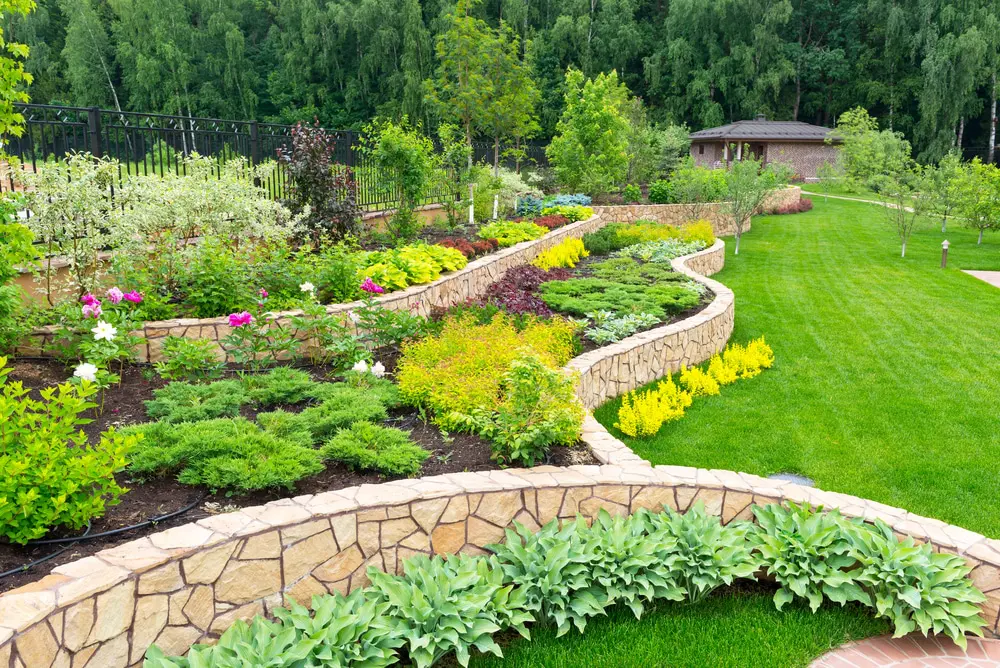
Professional designers understand that exceptional home garden decoration relies on layered planting that provides visual interest throughout the growing season. This approach involves combining plants with different bloom times, foliage colors, and textural qualities to create compositions that evolve naturally.
Start with a foundation of structural plants—perhaps evergreen shrubs or ornamental trees that provide year-round presence. Add seasonal interest layers with perennials that peak at different times, and finish with accent layers of annuals and bulbs that provide specific color moments. This strategy ensures that your home garden decoration never looks empty or static.
The layering concept extends beyond plants to include decorative hardscape elements. A well-placed garden sculpture might be surrounded by spring bulbs, backed by summer perennials, and fronted by autumn-blooming groundcover. Each season reveals different relationships between these elements, creating an ever-changing decorative display.
Sustainable Materials: The Future of Home Garden Decoration
Modern home garden decoration increasingly emphasizes sustainability and environmental responsibility. This shift has opened exciting creative possibilities for decorators willing to think beyond traditional garden center offerings. Reclaimed materials often possess character and patina that new products cannot replicate, while also reducing environmental impact.
Related Posts:
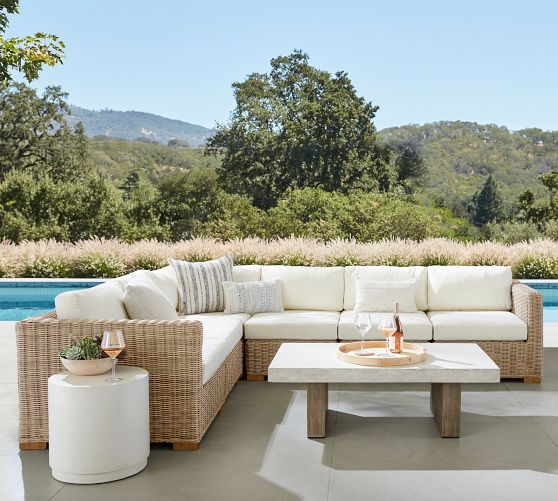
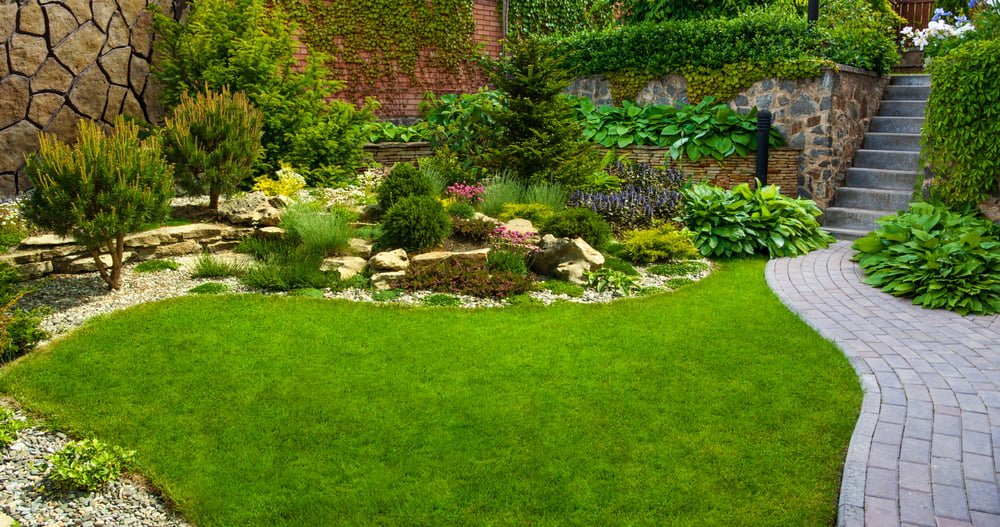

Consider incorporating architectural salvage into your garden design—old windows can become trellises, vintage doors can create garden walls, and weathered lumber can be transformed into raised beds or decorative fencing. These elements add instant history and personality to home garden decoration projects while supporting sustainable practices.
Natural materials gathered from your own property or local sources can create the most authentic decorative elements. Stones collected during walks can become pathway borders, fallen branches can be crafted into rustic plant supports, and autumn leaves can be composted into rich soil amendments that support future plantings.
Water Features: The Soul of Home Garden Decoration
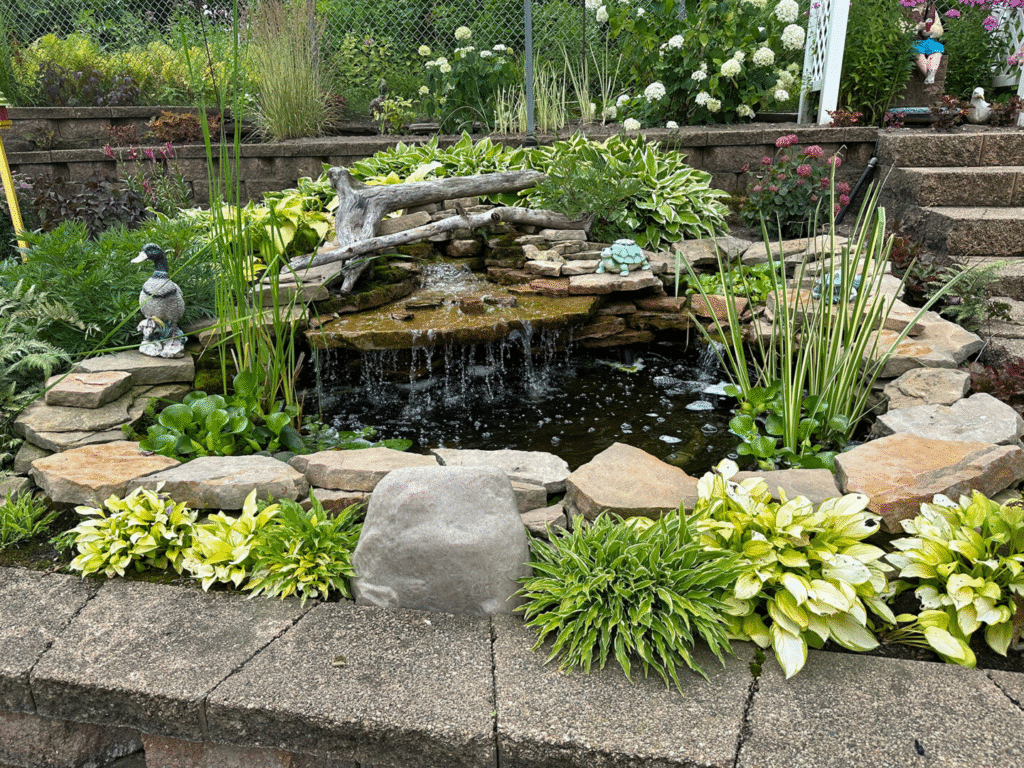
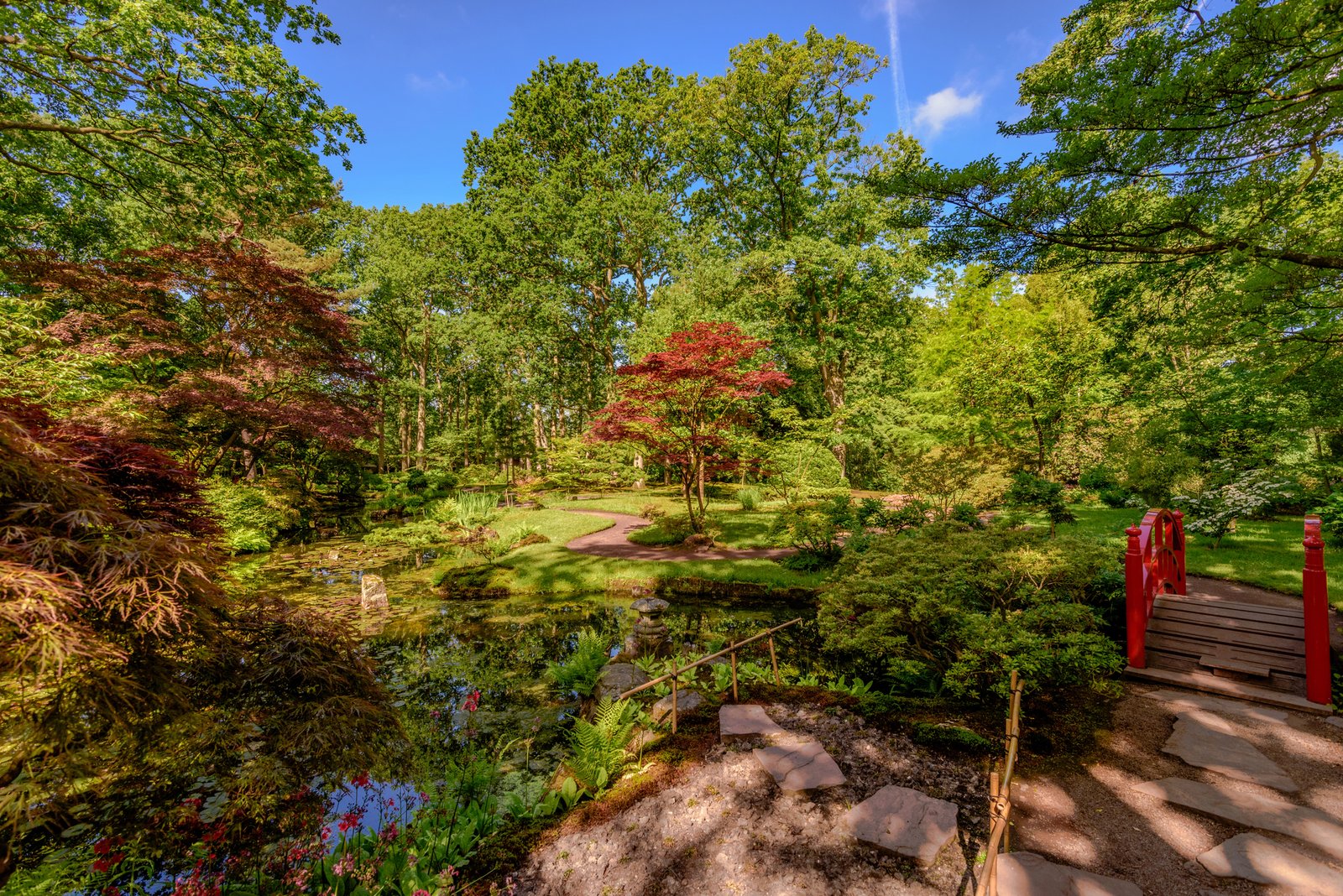
Nothing transforms home garden decoration quite like the addition of water elements. The sound of moving water creates an immediate sense of tranquility while attracting beneficial wildlife and providing opportunities for unique plant combinations. However, successful water features require careful planning to ensure they enhance rather than overwhelm the overall garden design.
Small-scale water features often have greater impact than elaborate installations. A simple bird bath positioned where it catches morning light can become a focal point that draws both human attention and wildlife activity. Container water gardens offer flexibility and can be seasonally adjusted, while wall-mounted water features provide the benefits of water without requiring significant ground space.
The key to integrating water features into home garden decoration is ensuring they feel natural and purposeful rather than imposed. The most successful water elements appear to have discovered their locations organically, perhaps in a low spot where water would naturally collect or near seating areas where the sound provides maximum benefit.
Lighting: Extending Garden Enjoyment Beyond Daylight
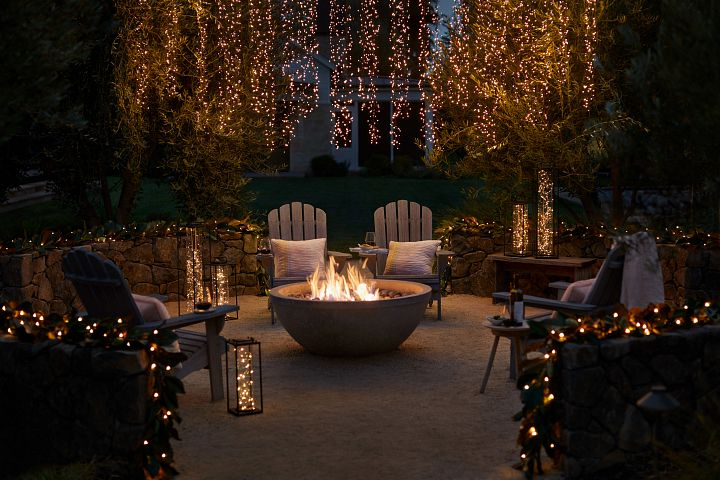
Strategic lighting transforms home garden decoration from a daytime-only experience into evening entertainment. However, effective garden lighting requires restraint and artistic vision. The goal is to create atmosphere and highlight key features without overwhelming the natural beauty of plants and hardscape elements.
Focus on layered lighting that serves multiple purposes. Path lighting ensures safety while guiding visitors through your decorative displays. Accent lighting can highlight specific plants or decorative features, while ambient lighting creates overall atmosphere for outdoor entertaining. Solar-powered options have revolutionized garden lighting by eliminating wiring concerns while providing environmentally responsible illumination.
The most effective garden lighting often comes from unexpected sources. Lanterns hung from tree branches create magical overhead ambiance, while lights woven through pergola plantings provide subtle background illumination. String lights have evolved far beyond basic patio decoration to become sophisticated design elements that can define spaces and create mood.
Personal Expression Through Garden Art and Accessories
The most memorable home garden decoration incorporates personal elements that reflect the gardener’s interests, travels, and artistic sensibilities. Garden art provides opportunities to introduce color, texture, and personality that complement but don’t compete with plant materials.
Successful garden art placement requires understanding scale and visual weight. Large pieces can anchor major garden areas and provide year-round focal points, while smaller elements can create intimate discoveries throughout the space. The key is achieving balance between artistic elements and natural beauty—neither should dominate the overall composition.
Consider creating themed vignettes that tell stories or reflect personal interests. A collection of vintage gardening tools displayed on a potting bench tells the story of gardening heritage, while a carefully arranged grouping of colorful pottery celebrates artistic craftsmanship. These personal touches transform generic garden spaces into unique expressions of individual creativity.
Conclusion: Creating Your Personal Garden Paradise
Exceptional home garden decoration results from understanding that gardens are living art projects that evolve continuously. The most successful outdoor spaces reflect their creators’ personalities while respecting natural processes and seasonal rhythms. By embracing the dynamic nature of garden decoration and focusing on personal meaning rather than trending styles, you can create outdoor spaces that provide year-round pleasure and ever-changing beauty.
Remember that the best home garden decoration projects develop gradually, allowing you to learn what works in your specific conditions while building on successes and learning from experiments. Your garden should be a reflection of your personal journey with nature, growing more beautiful and meaningful with each passing season.
Start with a clear vision of how you want to feel in your outdoor space, then choose decorative elements and planting combinations that support those emotions. Whether you’re drawn to peaceful meditation gardens, vibrant entertainment spaces, or productive decorative landscapes, the principles of thoughtful home garden decoration will help you create an outdoor sanctuary that enriches your daily life and connects you more deeply with the natural world.