The Ultimate Guide to Home Design Styles: From Minimalist to Maximalist and Everything In Between
Because figuring out your design personality shouldn’t require a PhD in interior decorating
Let’s be real for a moment – walking into a furniture store or scrolling through Pinterest can feel like being thrown into the deep end of a very stylish swimming pool. Suddenly you’re drowning in terms like “Scandinavian hygge,” “industrial chic,” and “bohemian maximalism,” wondering if you need a design dictionary just to figure out what you actually like.
Here’s the thing about home design styles: they’re not meant to be intimidating fashion rules that you follow blindly. They’re more like flavor profiles for your space – guidelines that help you create a home that feels authentically you. Whether you’re the type of person who finds peace in perfectly organized minimalism or someone who believes that more is more (and then some), there’s a design style out there that speaks your language.
The beauty of understanding different home design styles isn’t about picking one and sticking to it religiously like it’s a diet plan. It’s about discovering what makes you feel happy, comfortable, and genuinely at home in your space. Think of this guide as your friendly neighborhood design translator, helping you decode the wonderful world of home design styles without any of the pretentious jargon that makes your eyes glaze over.
Minimalism: The Art of Living with Less (But Making It Look Expensive)
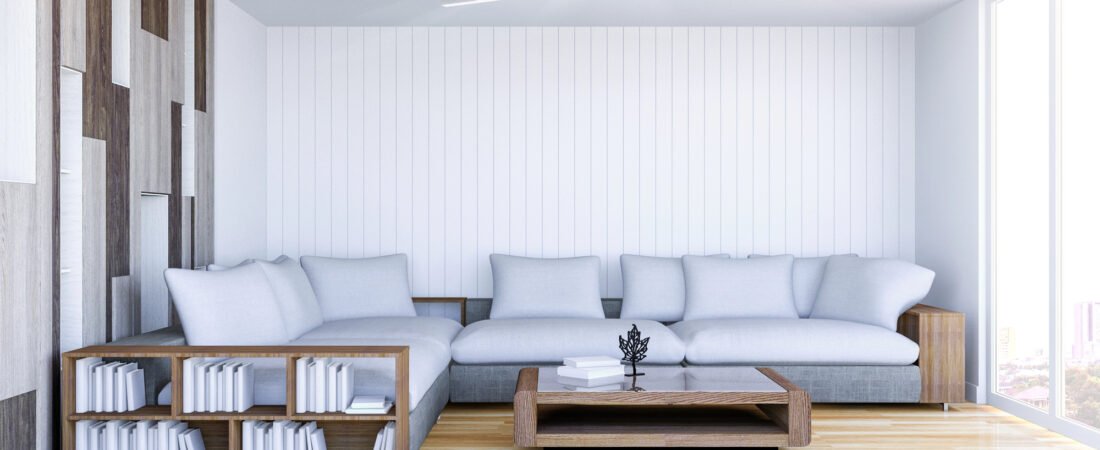
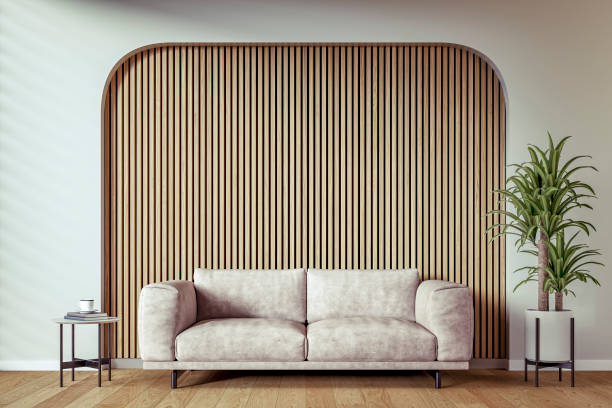
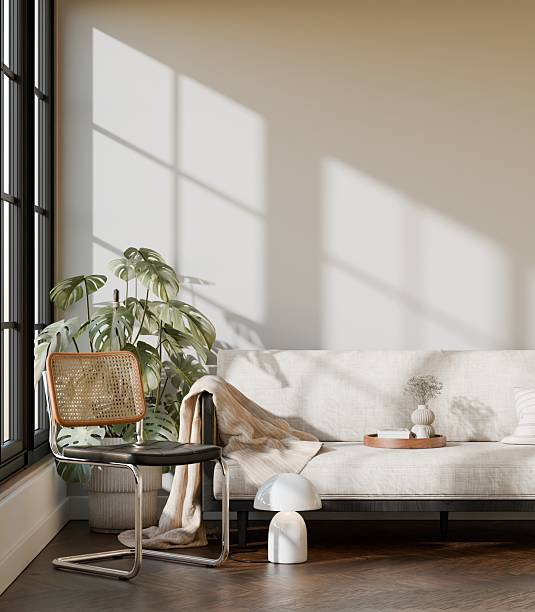
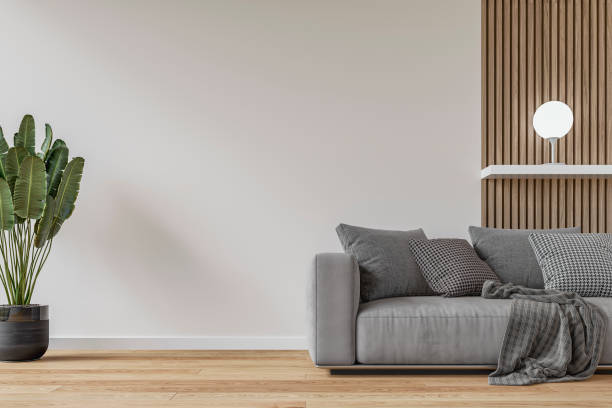
Let’s start with the home design style that’s basically the Marie Kondo of interior decorating – minimalism. If you’re someone who looks at a cluttered room and feels your stress levels spike, minimalist home design styles might be your spiritual calling.
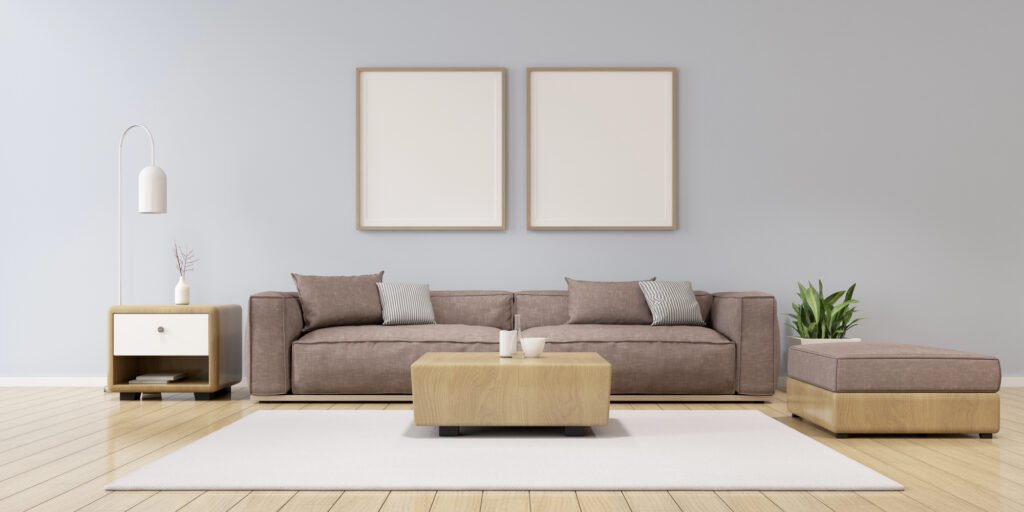
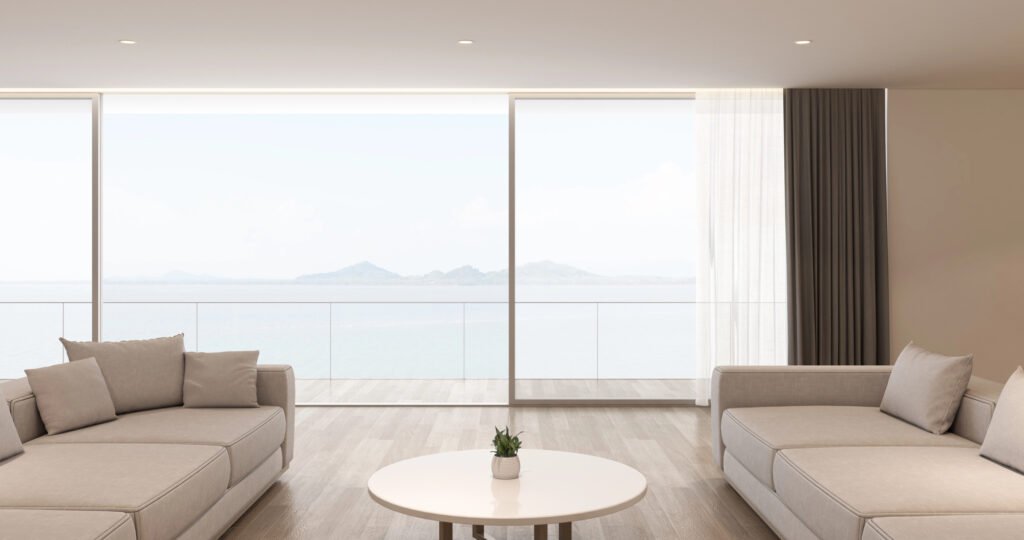
Minimalism isn’t about living in a stark white box that feels like a medical facility (though some people do take it that far). True minimalist home design styles focus on intentionality – every piece in your space should serve a purpose and bring you joy. It’s like curating a very selective guest list for your belongings.
Key elements of minimalist home design styles include:
Clean lines that make everything look effortlessly sophisticated
Neutral color palettes that create calm, serene spaces
Functional furniture that proves beautiful and practical aren’t mutually exclusive
Plenty of negative space that lets your mind breathe
Quality over quantity – fewer pieces, but each one is special
The secret to nailing minimalist home design styles is understanding that less doesn’t mean boring. When you strip away the excess, what remains should be beautiful enough to stand on its own. Think of it as the design equivalent of a perfectly tailored little black dress – simple, elegant, and always appropriate.
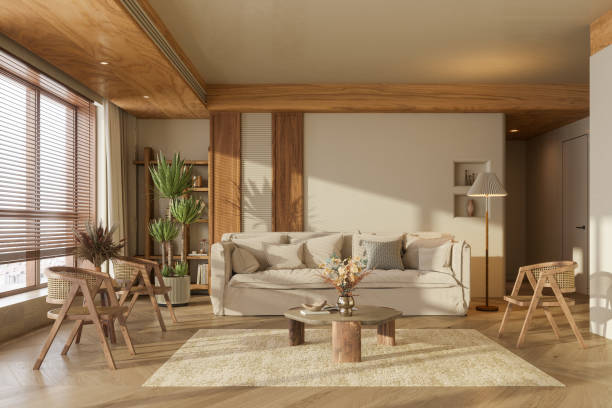
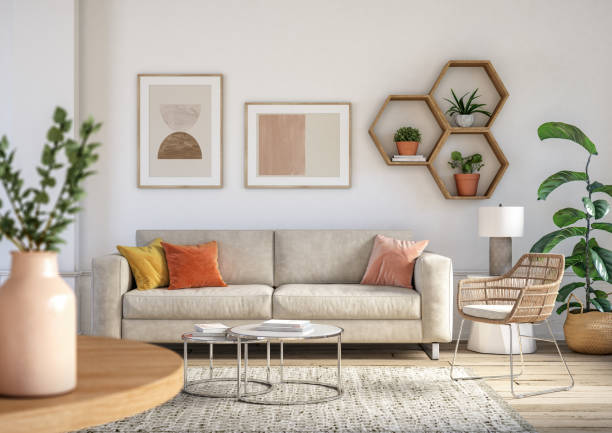
If minimalism is the strict teacher of home design styles, Scandinavian design is the cool, laid-back cousin who somehow manages to be both effortlessly chic and incredibly cozy. Born from the long, dark winters of Northern Europe, Scandinavian home design styles prioritize creating warm, inviting spaces that make you want to curl up with a good book and a cup of coffee.
Scandinavian home design styles master the art of “lagom” – a Swedish concept that means “just the right amount.” It’s about finding that perfect balance between minimalism and comfort, functionality and beauty.
Essential elements include:
Light wood tones that bring warmth without heaviness
Cozy textiles like chunky knit throws and sheepskin rugs
Natural materials that connect you to the outdoors
Functional design that makes life easier and more beautiful
Neutral colors with occasional pops of muted pastels
The genius of Scandinavian home design styles lies in their ability to make simple living feel luxurious. It’s proof that you don’t need gold-plated everything to create a space that feels special and sophisticated.
Industrial: When Factories Become Fabulous
Industrial home design styles take inspiration from old factories, warehouses, and urban lofts, transforming raw, utilitarian elements into surprisingly sophisticated living spaces. If you’re someone who looks at exposed brick and steel beams and thinks “now that’s what I call decorating,” industrial design might be your jam.
This style celebrates the beauty of honest materials and functional design. Industrial home design styles don’t try to hide structural elements – they embrace them and make them the stars of the show.
Exposed brick walls that add texture and character
Metal fixtures and furniture that bring an urban edge
Concrete or polished floors that are both practical and stylish
Open floor plans that maximize space and light
Vintage and repurposed furniture that tells stories
The key to successful industrial home design styles is balancing the raw elements with softer touches. You want your space to feel edgy and cool, not like you’re actually living in an abandoned warehouse (unless that’s specifically your goal, in which case, carry on).
Bohemian: More is More (And That’s Perfectly Fine)
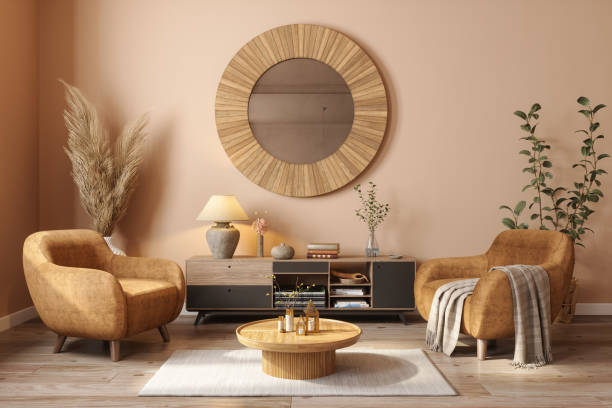
If industrial design is about celebrating raw functionality, bohemian home design styles are about celebrating creativity, color, and the beautiful chaos of a life well-lived. Boho design gives you permission to mix patterns, layer textures, and display collections without worrying about whether everything “matches” in the traditional sense.
Bohemian home design styles draw inspiration from global travels, artistic expression, and the belief that your home should tell the story of your adventures and passions. It’s maximalism with soul – every piece should have meaning and contribute to the overall narrative of your space.
Essential boho elements include:
Rich, saturated colors that energize and inspire
Layered textiles from around the world
Plants, plants, and more plants (because nature is the ultimate decorator)
Vintage and handmade pieces that add character and history
Eclectic art collections that reflect your personal journey
The secret to mastering bohemian home design styles is understanding that while the look might seem effortless and unplanned, successful boho spaces actually require careful curation. You’re aiming for “thoughtfully collected over time” rather than “accidentally opened a thrift store in my living room.”
Modern Farmhouse: Country Charm Meets Contemporary Living
Modern farmhouse has become one of the most popular home design styles of recent years, and it’s easy to see why. This style successfully bridges the gap between rustic charm and contemporary sophistication, creating spaces that feel both timeless and thoroughly modern.
Modern farmhouse home design styles take the best elements of traditional farmhouse design – warmth, comfort, functionality – and update them for contemporary living. It’s like taking your grandmother’s cozy country kitchen and giving it a stylish makeover that doesn’t lose any of its charm.
Key characteristics include:
Shiplap walls that add texture without overwhelming the space
Barn doors that are both functional and decorative
Vintage-inspired fixtures with modern functionality
Natural wood elements that bring warmth and character
Neutral color palettes with black accents for contrast
The appeal of modern farmhouse home design styles lies in their ability to feel both sophisticated and approachable. These spaces invite you to relax and make yourself at home while still looking polished enough for entertaining.
Mid-Century Modern: When the 1950s Got It Right
Some home design styles come and go, but mid-century modern has proven its staying power by consistently looking fresh and relevant decades after its inception. Born in the post-World War II era, this style represents optimism, innovation, and the belief that good design should be accessible to everyone.
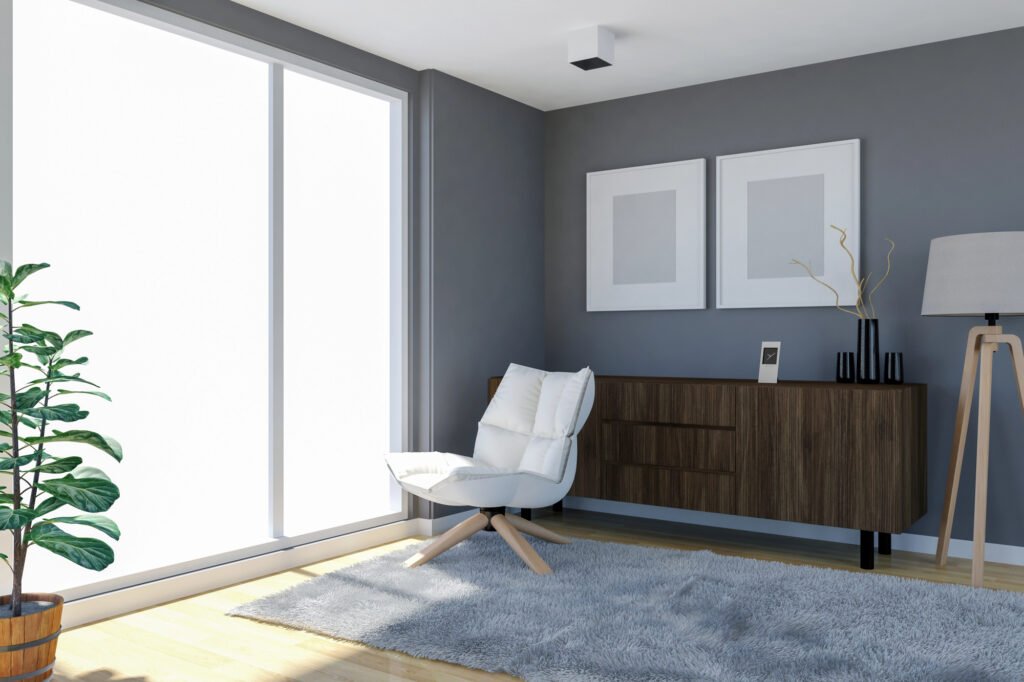
Mid-century modern home design styles celebrate clean lines, functional beauty, and the seamless integration of indoor and outdoor living. It’s sophisticated without being stuffy, modern without being cold.
Large windows that connect interior and exterior spaces
Furniture with tapered legs and sleek silhouettes
The enduring appeal of mid-century modern home design styles lies in their perfect balance of form and function. Every piece serves a purpose while contributing to the overall aesthetic – it’s efficiency and beauty working in perfect harmony.
Transitional: The Diplomatic Peace-Keeper of Design Styles
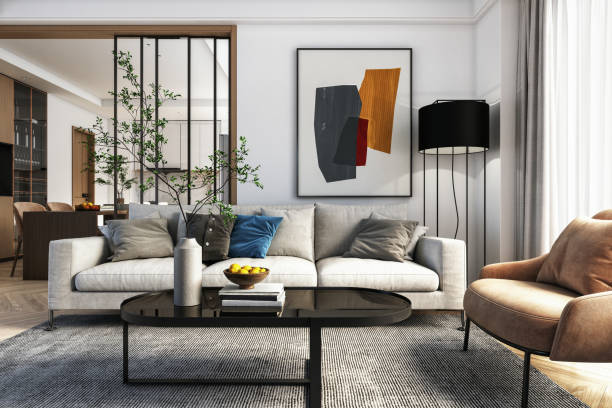
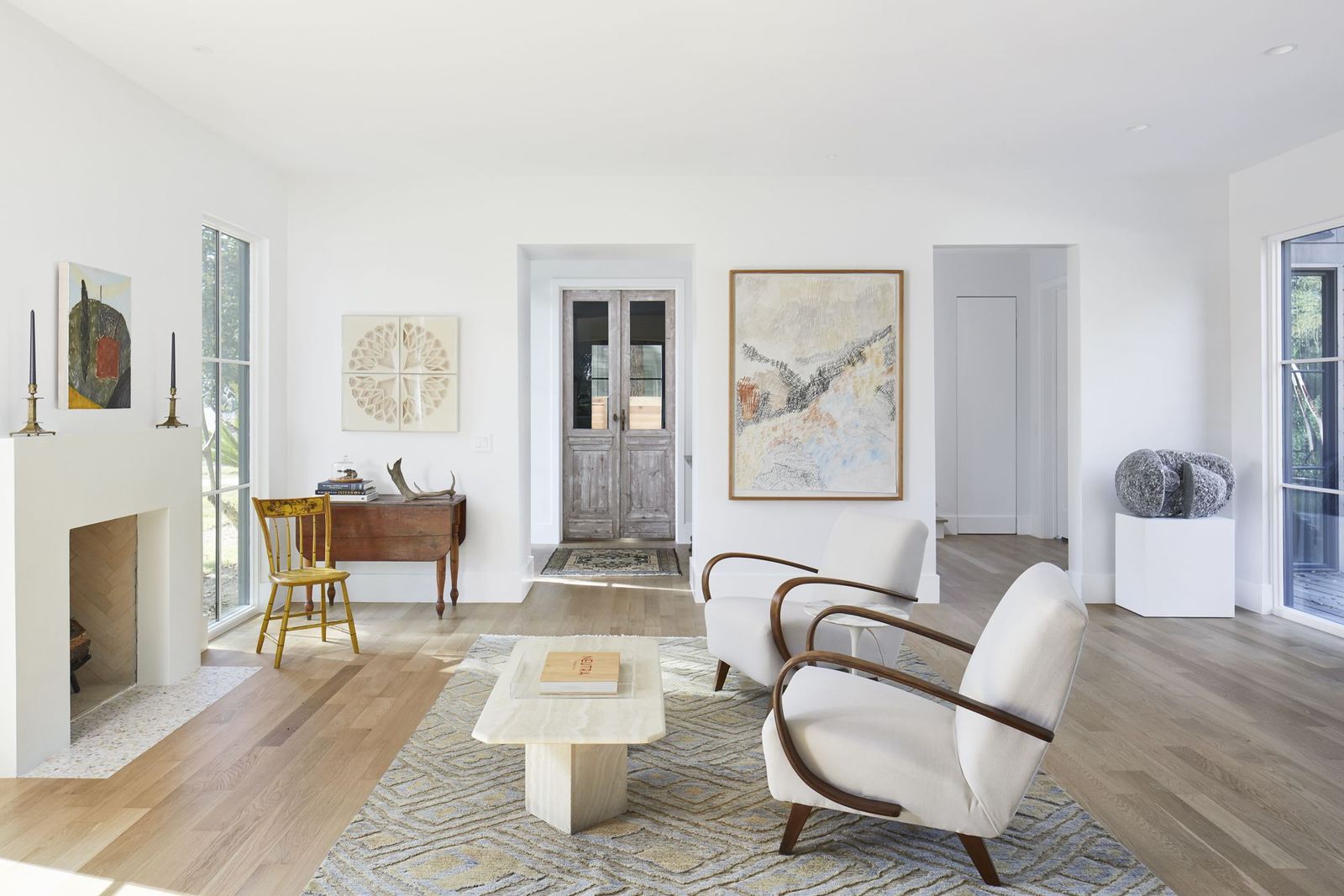
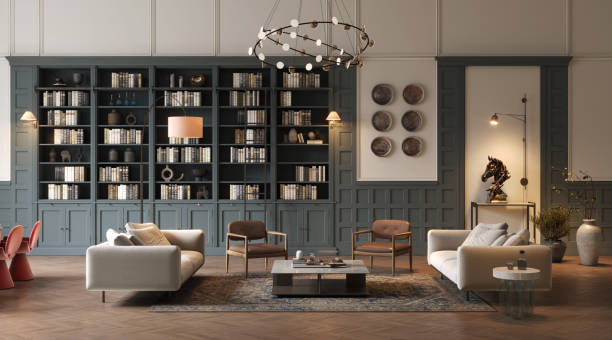
If you’ve ever found yourself torn between traditional comfort and contemporary sleekness, transitional home design styles might be your perfect match. This approach combines the best elements of traditional and modern design, creating spaces that feel both timeless and current.
Transitional home design styles are the diplomats of the design world – they take the most appealing aspects of different styles and blend them into something that feels cohesive and sophisticated. It’s perfect for people who appreciate classic elegance but don’t want their homes to feel like museums.
Essential elements include:
Neutral color palettes that provide a sophisticated foundation
Mix of curved and straight lines for visual interest
Combination of traditional and contemporary furniture
Subtle patterns and textures that add depth without overwhelm
Quality materials that age beautifully over time
The genius of transitional home design styles is their flexibility. These spaces can evolve with your changing tastes and lifestyle needs without requiring a complete overhaul every few years.
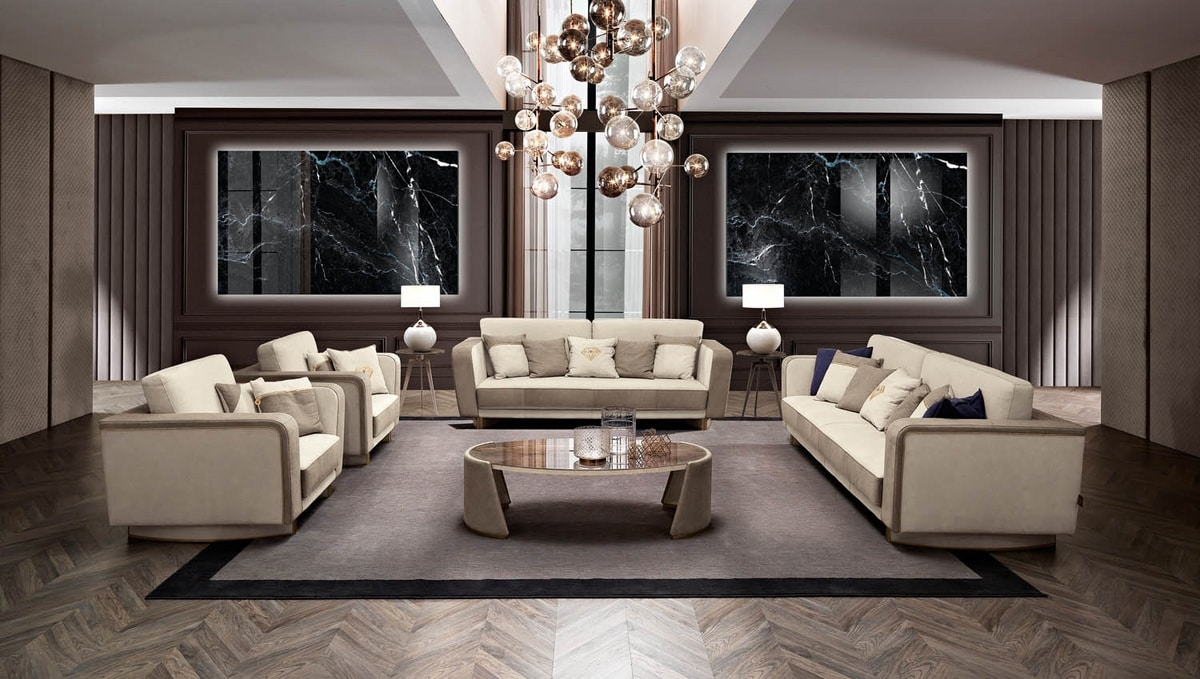
At the opposite end of the spectrum from minimalism, we have maximalist home design styles – and before you dismiss it as “cluttered chaos,” hear me out. True maximalism isn’t about randomly accumulating stuff; it’s about thoughtfully layering colors, patterns, textures, and objects to create spaces that are visually rich and deeply personal.
Maximalist home design styles celebrate abundance, creativity, and the belief that more can indeed be more when it’s done with intention and skill. These spaces tell complex stories and invite exploration – there’s always something new to discover.
Key principles include:
Bold color combinations that shouldn’t work but somehow do
Pattern mixing that creates visual rhythm and interest
Layered lighting that sets different moods throughout the space
Collections and displays that reflect personal passions
The secret to successful maximalist home design styles is having a unifying thread – whether it’s a consistent color palette, repeated materials, or a cohesive theme that ties everything together.
Finding Your Perfect Style (Or Delicious Style Cocktail)
Here’s the plot twist that design magazines don’t always tell you: you don’t have to pick just one of these home design styles and stick with it forever. The most interesting and personal spaces often combine elements from multiple styles, creating unique hybrids that reflect the complexity of real life.
Maybe you love the clean lines of minimalism but crave the warmth of Scandinavian textiles. Perhaps you’re drawn to the functionality of industrial design but want to soften it with bohemian colors and plants. The beauty of understanding different home design styles is that it gives you a vocabulary for articulating what you love and a framework for combining those elements successfully.
The most important thing to remember about home design styles is that they should serve you, not the other way around. Your home should reflect your lifestyle, your personality, and your needs – not some idealized version of how you think you should be living.
Start by identifying what you love about different home design styles, then think about how those elements might work in your space and your life. Do you have kids and pets who might not appreciate pristine minimalism? Maybe Scandinavian coziness is more realistic. Do you love collecting art and souvenirs from your travels? Bohemian or maximalist elements might speak to your soul.
The goal isn’t to create a space that looks like it belongs in a magazine (unless that genuinely makes you happy). The goal is to create a space that makes you feel comfortable, inspired, and authentically yourself every single day.
Whether you’re drawn to the serene simplicity of minimalism, the cozy functionality of Scandinavian design, or the bold creativity of maximalism, remember that the best home design styles are the ones that make your daily life more beautiful and more you. After all, you’re the one who has to live there – you might as well love it.