Transform Your Home Gym Basement: Your Wallet Will Thank You (And So Will Your Muscles)
Why that creepy storage dungeon could be your fitness game-changer
ATTENTION: That basement you’ve been avoiding? It’s about to become your favorite room in the house.
Let’s be brutally honest about something: you’ve been paying for a gym membership you barely use while simultaneously complaining that you “never have time to work out.” Meanwhile, there’s a perfectly good space sitting directly beneath your feet, currently serving as a graveyard for Christmas decorations and that exercise bike you bought in 2019 with the best of intentions.
Your basement – yes, that slightly musty, somewhat forgotten space that you only visit when the WiFi goes out – is actually the perfect candidate for a home gym basement transformation. And before you start making excuses about how it’s too dark, too cold, or too reminiscent of a horror movie set, let me stop you right there. Every single one of those “problems” is actually a solution in disguise.
The truth is, creating a home gym basement isn’t just about saving money on memberships (though you absolutely will). It’s about finally removing every excuse that’s been standing between you and your fitness goals. No more “the gym is too crowded,” no more “I don’t have time to drive there,” and definitely no more “I forgot my gym clothes at home.” Your excuses are about to become extinct, and your basement is about to become your new best friend.
The Hidden Psychology of Home Gym Basement Success (Interest: Why This Changes Everything)
Here’s something the fitness industry doesn’t want you to know: the biggest barrier to consistent exercise isn’t motivation, time, or even knowledge. It’s friction. Every step between you and your workout is an opportunity for your brain to talk you out of it. The drive to the gym, finding parking, waiting for equipment, dealing with crowds – each of these creates mental resistance that makes it easier to just skip the workout altogether.
A home gym basement eliminates almost all of that friction. Your workout is literally one flight of stairs away. No traffic, no crowds, no judgment from that person who somehow makes burpees look elegant while you’re over there looking like you’re fighting an invisible swarm of bees. Just you, your equipment, and whatever music makes you feel like you could bench press a car.
But here’s where it gets really interesting: basement spaces naturally create what psychologists call “environmental commitment.” When you dedicate a specific space solely to fitness, your brain starts associating that environment with healthy choices and goal achievement. Walking into your home gym basement becomes a ritual that signals to your subconscious that it’s time to focus on your health and goals.
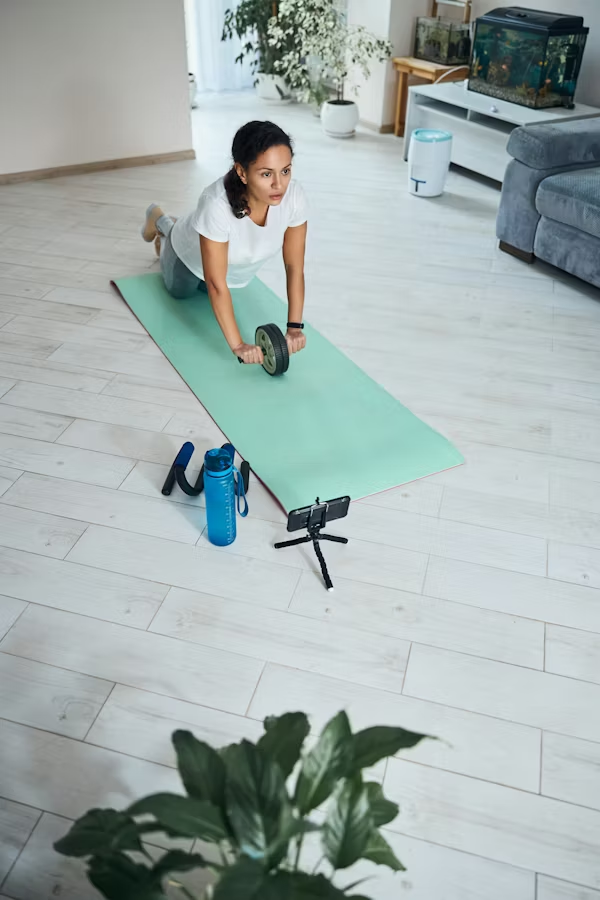
The privacy factor is huge too. Want to try that new YouTube workout that involves moves you’re not entirely sure you’re doing correctly? Perfect – your home gym basement is a judgment-free zone where you can grunt, sweat, and make questionable faces without worrying about who’s watching. It’s like having a personal laboratory for fitness experimentation.
And let’s talk about the time factor. The average person spends 30-45 minutes just getting to and from the gym. That’s time you’ll never get back, time that could be spent actually working out or, let’s be honest, sleeping for an extra 30 minutes because your home gym basement means you can roll out of bed and into your workout gear without ever leaving your house.
The Basement Advantage: Why Underground is Actually Optimal
Basements get a bad rap, but they’re actually fitness goldmines waiting to be discovered. Think about it: they’re naturally cooler (hello, built-in air conditioning during summer workouts), they have higher ceilings than you might expect (perfect for overhead movements), and they’re typically more sound-isolated than other parts of your house (your family will thank you when you’re doing jumping jacks at 6 AM).
The temperature control in a home gym basement is actually a huge advantage. While your upstairs neighbors are cranking the AC to stay cool during summer workouts, you’ll be comfortable in your naturally cool underground space. And in winter? A little extra warmth from your workout actually makes the space more comfortable rather than unbearably hot.
Privacy is another massive benefit of a home gym basement setup. You can blast your music as loud as you want, grunt through those last reps without self-consciousness, and wear whatever makes you feel comfortable without worrying about gym fashion police. Want to work out in your pajamas? Your home gym basement doesn’t judge.
The psychological benefits of having your own dedicated fitness space can’t be overstated. When you step into your home gym basement, you’re entering a space that exists solely for your health and goals. It’s like having a personal temple dedicated to becoming the best version of yourself.
What Your Dream Home Gym Basement Actually Looks Like (Desire: Paint the Perfect Picture)
Imagine this: You wake up on a Monday morning, and instead of dreading your workout or making excuses about why you’ll skip the gym “just today,” you actually feel a little excited. You head downstairs to your home gym basement, where everything is exactly as you left it – clean, organized, and ready for action.
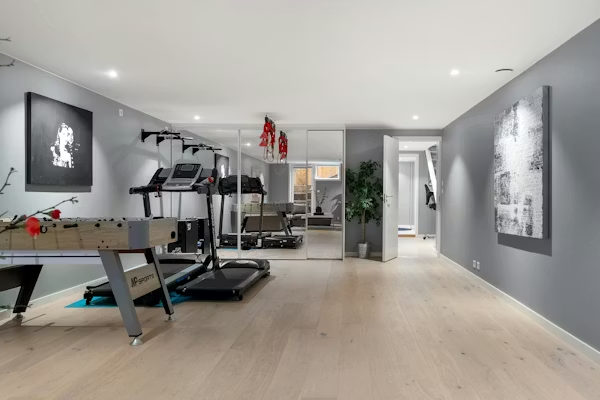
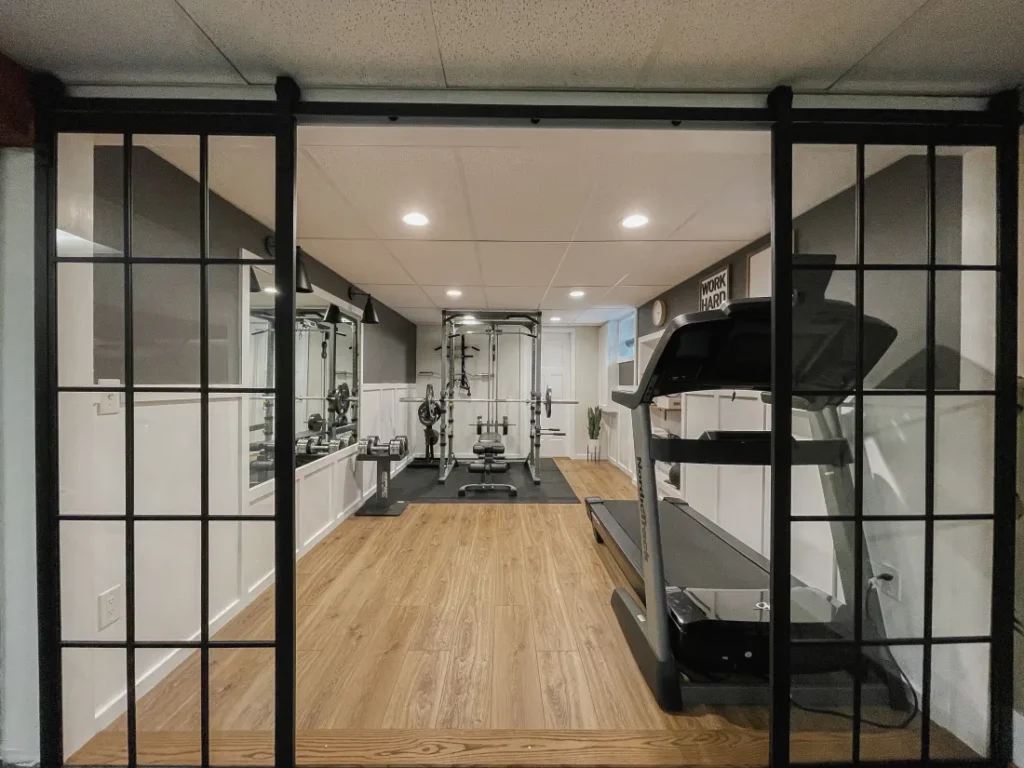
Your equipment is arranged perfectly for your routine. Your favorite playlist is already queued up on speakers that deliver crystal-clear sound without disturbing anyone upstairs. The lighting is bright and energizing, making the space feel welcoming rather than dungeon-like. The temperature is perfect – cool enough to keep you comfortable but warm enough that you don’t need to spend ten minutes warming up just to stop shivering.
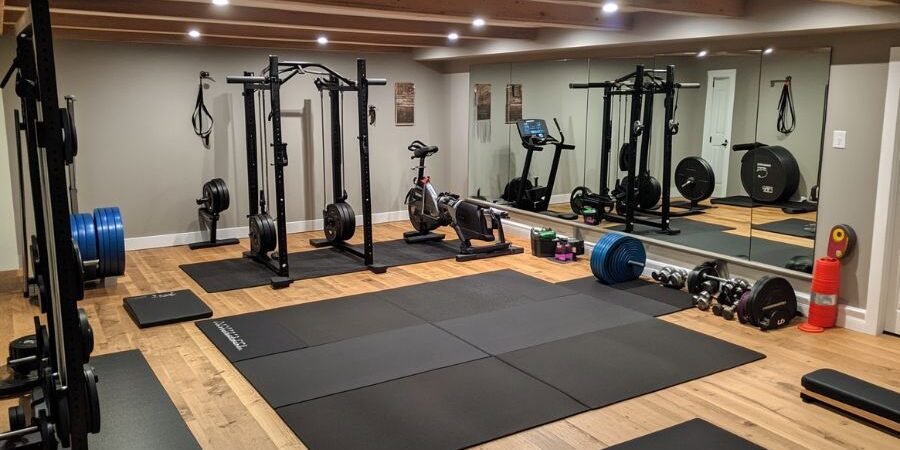
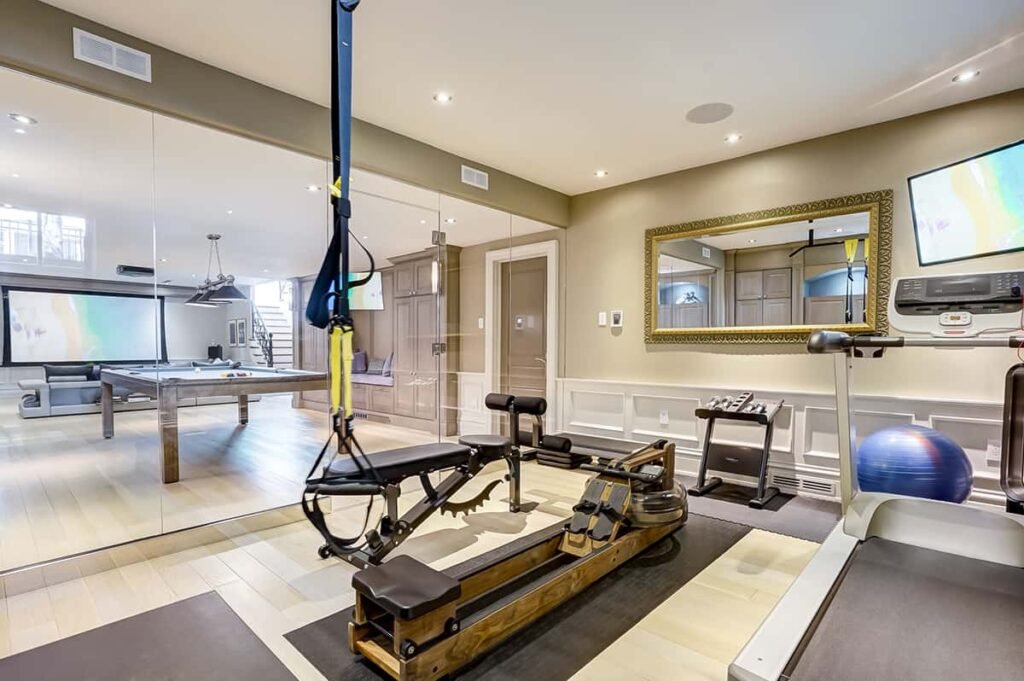
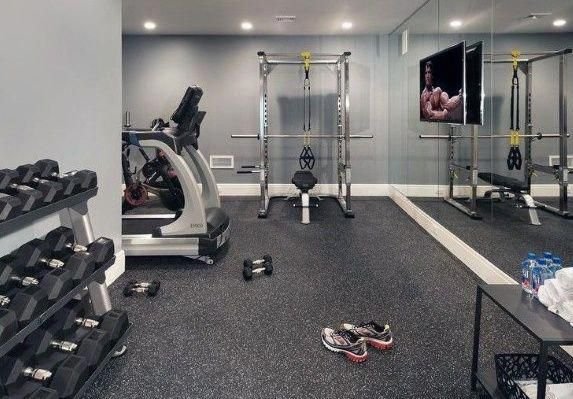
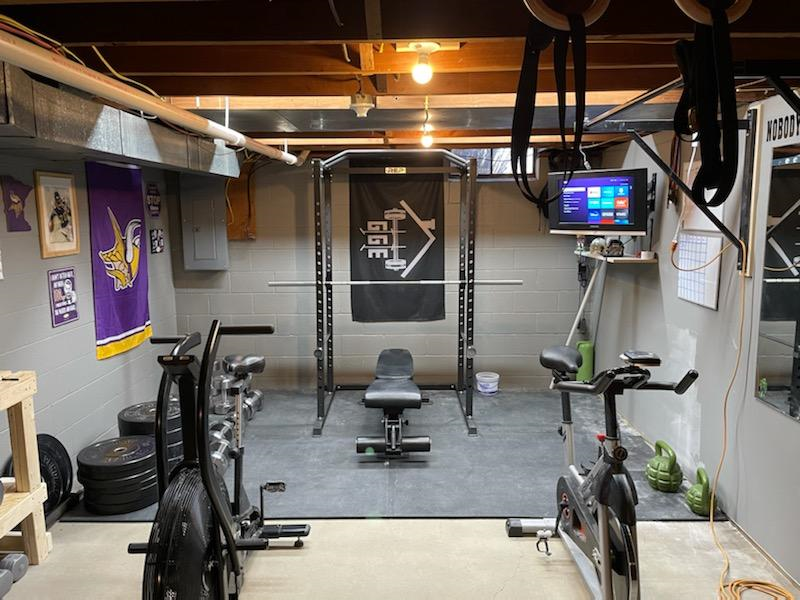
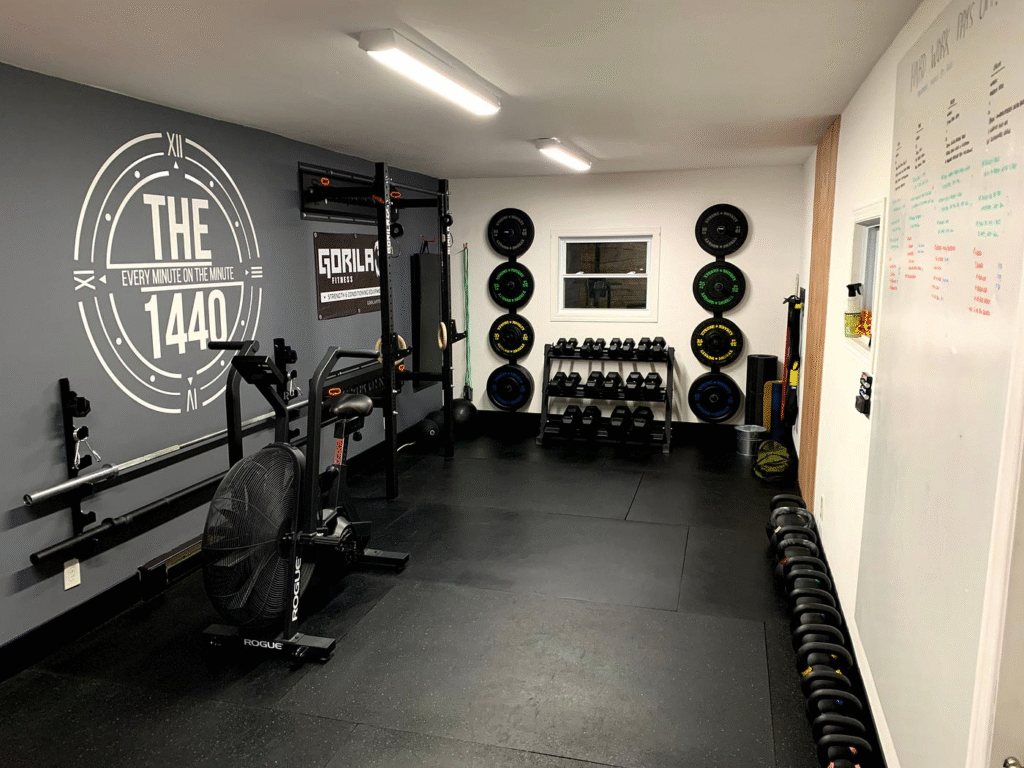
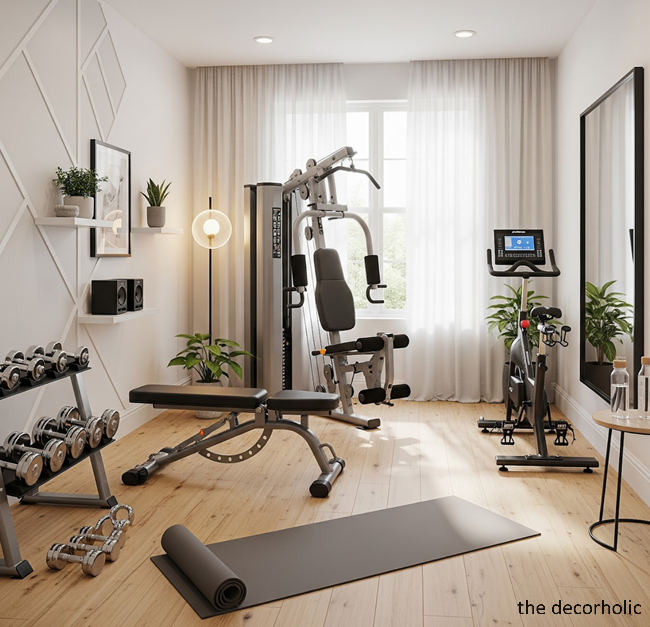
Your home gym basement has everything you need: a designated area for cardio, space for strength training, room for stretching and flexibility work, and storage that keeps everything organized and accessible. There’s a mirror positioned perfectly for checking your form, a water station so you never have to interrupt your workout, and maybe even a small area with a comfortable chair for those post-workout cool-down sessions.
The best part? It’s completely customized to your preferences and workout style. Love kettlebells? You have a whole section dedicated to them. Prefer bodyweight exercises? There’s plenty of open floor space. Into yoga? There’s a peaceful corner with soft lighting perfect for stretching and meditation.
This isn’t just a place where you grudgingly fulfill your exercise obligations – it’s a space that makes you want to work out. Your home gym basement becomes your personal retreat, a place where you can focus entirely on your health, your goals, and your well-being without any external distractions or pressures.
The Smart Strategy: Building Your Home Gym Basement the Right Way
Before you start ordering equipment or tearing down walls, you need to honestly assess your space and your needs. Walk through your basement with fresh eyes, measuring not just square footage but ceiling height, available electrical outlets, ventilation, and natural light sources.
The key to a successful home gym basement is working with what you have rather than fighting against it. Low ceilings? Focus on equipment that doesn’t require overhead space. Limited natural light? Invest in quality artificial lighting. Concrete floors? Plan for appropriate flooring that protects both your joints and your equipment.
Consider your actual workout preferences, not what you think you should be doing. If you hate running, don’t dedicate half your space to a treadmill just because you think you should. If you love strength training, prioritize space and equipment for that. Your home gym basement should support the workouts you’ll actually do, not the ones you think you should be doing.
This is where you address the basics that will make or break your home gym basement experience. Proper lighting is non-negotiable – you need bright, even illumination that makes the space feel energizing rather than depressing. LED fixtures are your best bet for energy efficiency and longevity.
Ventilation might require some investment, but it’s crucial for air quality and comfort. A dehumidifier might be necessary depending on your climate and basement conditions. You want your home gym basement to feel fresh and comfortable, not stuffy and stale.
Flooring is another critical element. Your concrete basement floor needs protection – both for your joints and for your equipment. Rubber mats, interlocking foam tiles, or specialized gym flooring will make your space safer and more comfortable while protecting your investment in equipment.
This is where many people go wrong with their home gym basement setup. They either buy too much equipment too quickly, or they buy the wrong equipment for their space and goals. The key is starting with versatile basics and building from there.
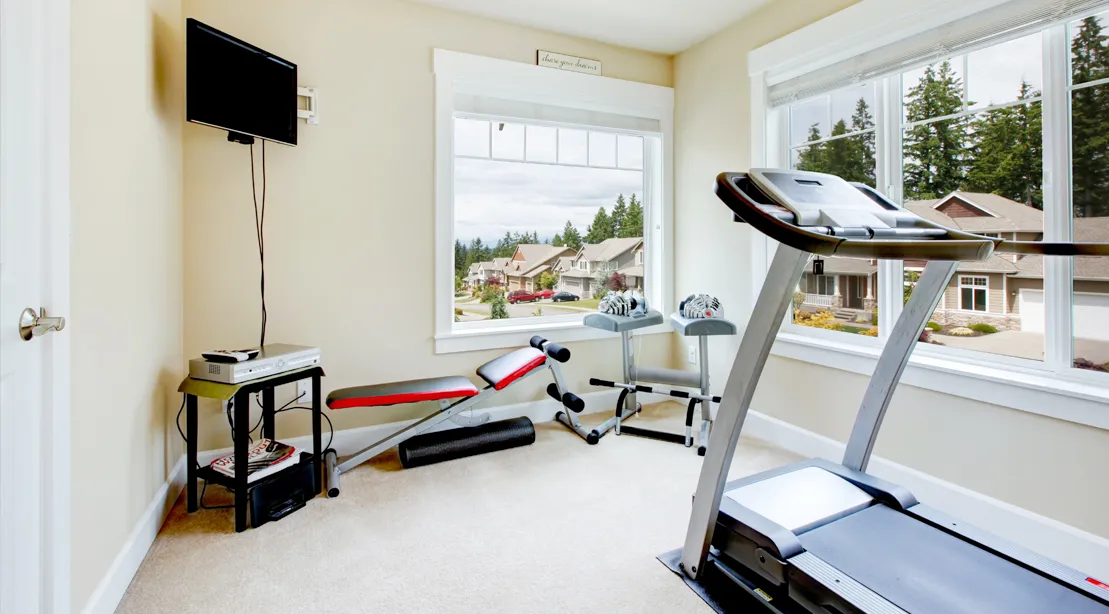
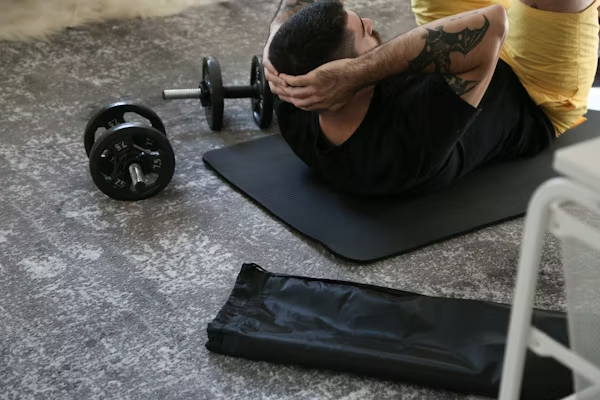
Resistance bands, adjustable dumbbells, a stability ball, and a yoga mat can provide incredibly diverse workout options while taking up minimal space. A pull-up bar mounted to ceiling joists can add upper body options without eating up floor space. These basics can support months of varied workouts while you determine what additional equipment would truly enhance your routine.
When you’re ready to add larger equipment, prioritize pieces that offer multiple functions. An adjustable weight bench can support everything from strength training to step-ups. A cable machine system can replace dozens of individual pieces of equipment. A quality sound system will enhance every workout regardless of what equipment you’re using.
The Psychology of Equipment: What Actually Gets Used vs. What Collects Dust
Here’s a reality check about home gym basement equipment: the most expensive piece isn’t necessarily the most useful, and the equipment that looks coolest in the showroom might be the thing you step over every day without using.
The equipment that gets used consistently in a home gym basement tends to be simple, versatile, and aligned with the owner’s actual preferences. If you’re not a runner in real life, that treadmill won’t magically transform you into one just because it’s in your basement. If you’ve never enjoyed circuit training, buying a complete circuit setup probably isn’t going to change that fundamental preference.
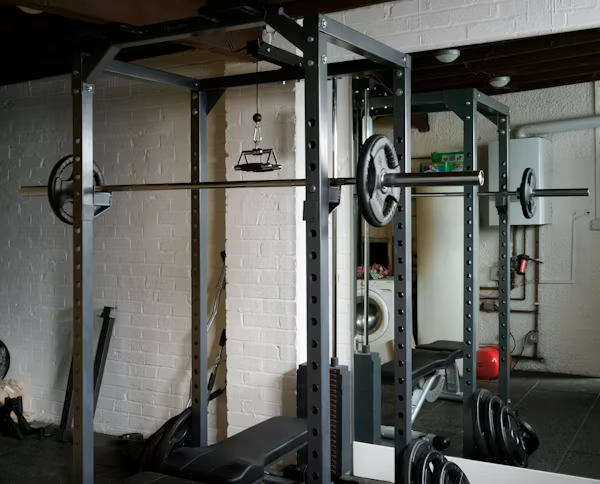
The most successful home gym basement setups focus on equipment that supports the workouts the owner actually enjoys and will stick with. This might mean a simple setup with just dumbbells and a bench, or it might mean a complete powerlifting setup with a squat rack and Olympic weights. The key is honest self-assessment about your true preferences and realistic goals.
Design Elements That Make or Break Your Home Gym Basement
Lighting: The Mood-Maker
Nothing kills the motivation to work out quite like depressing lighting. Your home gym basement needs bright, energizing illumination that makes you feel alert and ready to move. Natural light is ideal if you can get it, but quality LED fixtures can create an equally motivating environment.
Consider adding some color-changing smart bulbs that can adapt to different workout moods – bright white for high-energy sessions, warmer tones for yoga or stretching. The lighting in your home gym basement should make you feel energized and positive, not like you’re working out in a cave.
Great music can transform a mediocre workout into an amazing one, and your home gym basement gives you complete control over the audio experience. Invest in a sound system that delivers clear, powerful audio without requiring you to wear headphones.
Consider the acoustics of your space when choosing speakers. Basement spaces often have unique sound characteristics that might require specific speaker placement or acoustic treatment to avoid echoing or dead zones.
Storage: The Organization Game-Changer
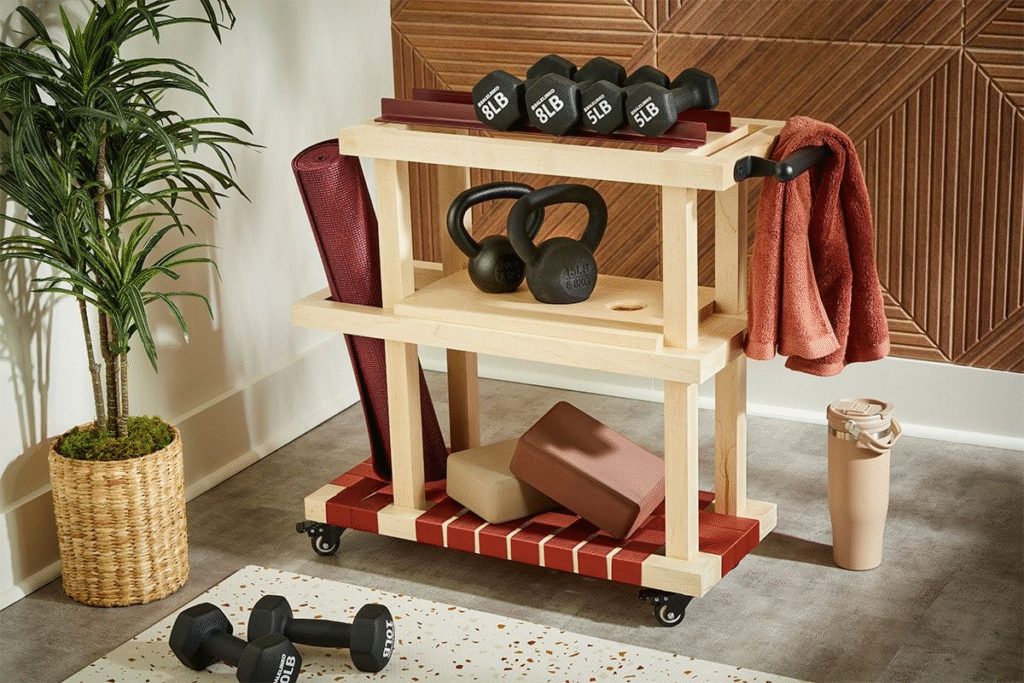
A cluttered home gym basement is a demotivating home gym basement. You need organized storage for all your equipment, towels, water bottles, and accessories. Wall-mounted storage keeps equipment off the floor and makes your space feel larger and more professional.
Consider multi-functional storage solutions that can serve as both organization and seating. A storage bench can hold smaller equipment while providing a place to sit for certain exercises.
Your 60-Day Home Gym Basement Transformation Plan (Action: Make It Happen)
Ready to stop making excuses and start making gains? Here’s your step-by-step plan to transform that neglected basement into your new favorite room:
Days 1-14: Planning and Assessment
Measure your space completely (length, width, ceiling height)
Assess current conditions (lighting, ventilation, moisture, electrical)
Clear out everything currently stored in the space
Research local building codes for any modifications you’re planning
Create a realistic budget that includes infrastructure, equipment, and accessories
Design your ideal layout on paper before making any purchases
Test all equipment and make any necessary adjustments
Establish your workout routine in the new space
Address any issues that arise during actual use
Add any additional equipment that would enhance your routine
Create maintenance schedules for equipment and space upkeep
Celebrate your new home gym basement with a challenging workout
Budget-Smart Strategies for Maximum Impact
Creating an effective home gym basement doesn’t require unlimited funds, but it does require smart spending. Focus your budget on the improvements and equipment that will have the biggest impact on your workout experience and long-term consistency.
Infrastructure improvements like lighting and flooring might not be glamorous, but they’re the foundation of a space you’ll actually want to use. Spend money here first, then add equipment gradually as your budget allows and your routine develops.
Consider buying quality used equipment for expensive items like weight sets or cardio machines. Many people sell barely-used home gym equipment, often at significant discounts. Just make sure to test everything thoroughly before purchasing.
The Maintenance Reality: Keeping Your Investment Working
Your home gym basement will only stay motivating and functional if you maintain it properly. This means regular cleaning, equipment maintenance, and organizational upkeep. A dirty, disorganized space will quickly become a demotivating space.
Build simple maintenance routines into your schedule. Wipe down equipment after each use, vacuum or sweep regularly, and do a thorough deep clean monthly. Address any equipment issues immediately rather than letting them pile up.
Your Fitness Revolution Starts Underground
Every day you continue paying for a gym membership you rarely use while your basement sits empty is a day you’re literally paying to maintain your own excuses. Every morning you talk yourself out of working out because the gym feels too inconvenient is a morning you’re choosing the status quo over the progress you claim to want.
Your home gym basement isn’t just about saving money or convenience – it’s about removing every barrier between you and the healthy, strong, confident person you want to become. It’s about creating an environment that supports your goals instead of sabotaging them.
The question isn’t whether you have space for a home gym basement – it’s whether you’re ready to stop making excuses and start making progress. Your basement is waiting, your fitness goals are waiting, and your future self is definitely waiting.
Your transformation starts with one decision: will you continue to let your basement collect dust while you collect gym membership bills, or are you ready to turn that underground space into your personal fitness headquarters?
The tools are available, the space is there, and the only thing standing between you and your new home gym basement is the decision to stop planning and start building.
Your fitness revolution is just one basement transformation away. What are you waiting for?
This post may contain affiliate links, which means we may earn a small commission if you purchase through them—at no extra cost to you. Hopefully we can help you find something that helps you.