From Hot Mess to Home Sweet Home: Why Your Home Design Floor Plans Matter More Than You Think
Let’s be honest – we’ve all been there. You’re scrolling through real estate listings at 2 AM (because apparently that’s when the good houses magically appear), and you stumble upon what looks like the perfect home. Great price, gorgeous exterior photos, even a decent-looking kitchen. Then you click on the floor plan, and suddenly you’re staring at what can only be described as a house designed by someone who clearly never lived in an actual house.
The master bedroom is accessible only through the guest bathroom. The kitchen has no logical connection to any other living space. And don’t even get me started on that “open concept” that somehow managed to make a 2,000-square-foot house feel like a cramped studio apartment.
This, my friends, is exactly why home design floor plans deserve way more attention than we typically give them. They’re not just those black-and-white drawings that real estate agents love to include in listings – they’re actually the DNA of your daily life, the blueprint for your happiness, and quite possibly the difference between loving your home and wanting to burn it down every time you try to carry groceries from the car to the kitchen.
The Great Floor Plan Awakening
Here’s something nobody tells you when you’re house hunting: you can change almost everything about a house except its bones. Paint colors? Easy. Ugly light fixtures? Gone in an afternoon. That weird wallpaper from 1987? It’ll take some elbow grease, but it’s doable. But those walls? The ones that determine how you move through your space, where you eat, where you sleep, and whether you’ll have any semblance of privacy when your mother-in-law comes to visit? Yeah, those are a bit more complicated to relocate.
This is why understanding home design floor plans isn’t just helpful – it’s absolutely crucial. A well-thought-out floor plan can make a modest house feel palatial, while a poorly designed one can make a mansion feel like you’re living in a maze designed by someone with a grudge against logical human movement patterns.
The Psychology of Space: Why Floor Plans Mess With Your Mind
Ever walked into a house and immediately felt either completely at home or slightly claustrophobic without being able to put your finger on why? That’s your brain responding to the floor plan, even if you’re not consciously analyzing it.
Good home design floor plans follow what designers call “natural flow patterns” – basically, they work with how humans instinctively want to move through spaces. We like to see what’s coming next, we prefer not to walk through bedrooms to get to bathrooms, and most of us appreciate being able to get from the front door to the kitchen without taking a tour of the entire house.
Bad floor plans, on the other hand, create what I like to call “daily friction.” Every awkward turn, every time you have to walk through one room to get to another unrelated room, every moment you spend wondering “how do I get to the bathroom from here without walking through someone’s bedroom?” – that’s friction. And while it might seem minor, this stuff adds up over time.
Think about it: if you have to walk through the formal dining room every single time you want to go from the kitchen to the family room, that formal dining room stops feeling formal pretty quickly. It becomes a hallway with a chandelier, and that’s not really what anyone was going for.
The Good, The Bad, and The “Did an Alien Design This?”
The Hall of Fame: Floor Plans That Actually Work The Classic Colonial: Say what you want about traditional home design floor plans, but there’s a reason the colonial layout has stuck around for centuries. Front door opens to a central hallway, formal rooms on one side, family spaces on the other, kitchen in the back with easy access to both dining areas. It’s like the little black dress of floor plans – it works for almost everyone, almost everywhere.
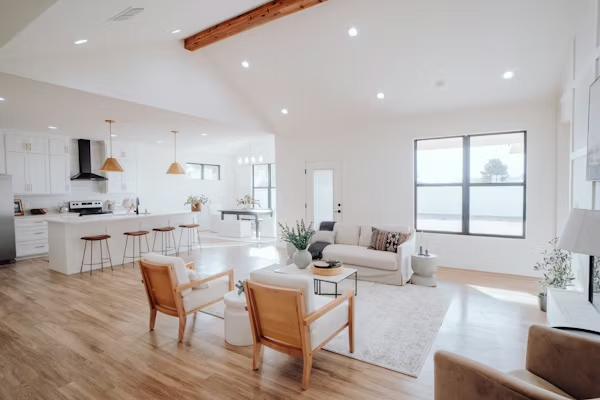
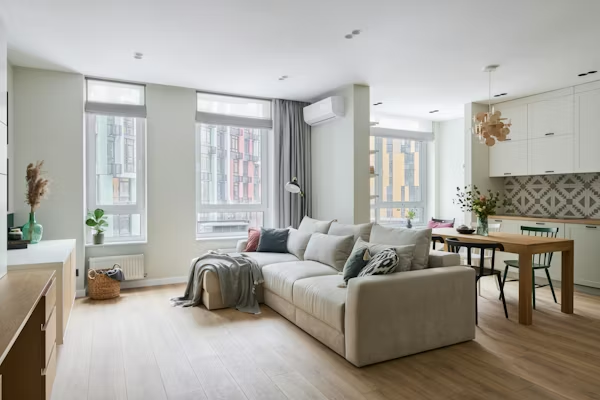
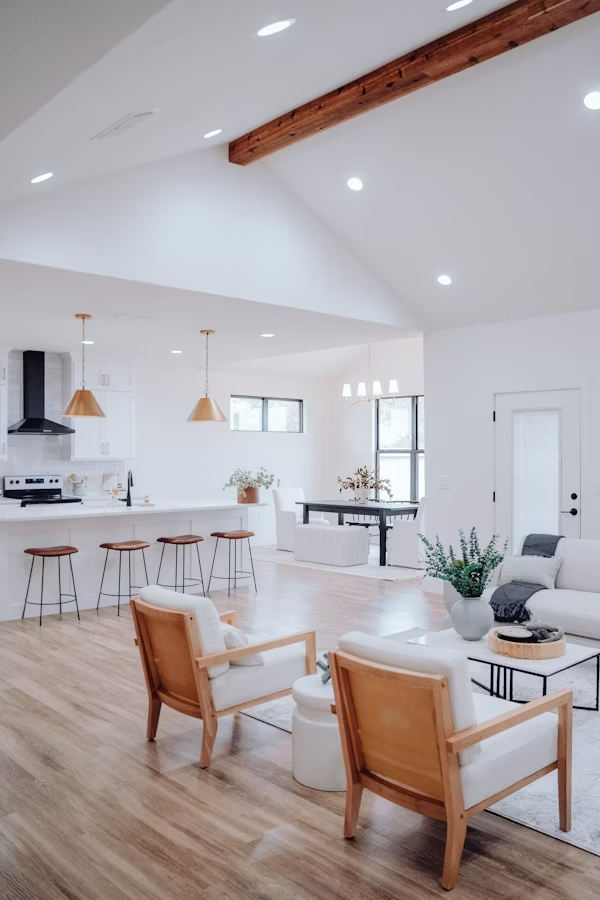
The Modern Open Concept (When Done Right): A well-designed open concept doesn’t just knock down walls and call it a day. It creates distinct zones within the open space, maintains sight lines that make sense, and ensures that cooking dinner doesn’t mean the entire house smells like fish tacos. The key is that everything flows logically – kitchen to dining to living, with each space clearly defined even without walls.
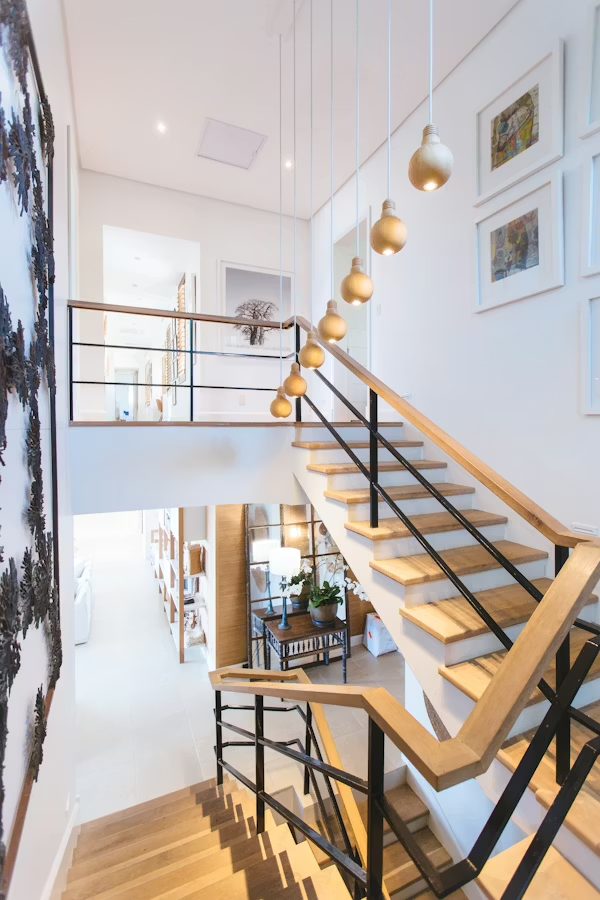
The Split-Level Success Story: Yes, split-levels can actually work beautifully when the home design floor plans are thoughtfully executed. The key is making sure the different levels serve different purposes and that the transitions between them feel natural rather than jarring.
The Hall of Shame: Floor Plans That Make You Question Humanity The Bowling Alley House: You know the one – the entire house is essentially one long, narrow corridor with rooms attached like train cars. Want to get from the front door to the backyard? Hope you enjoyed your tour of every single room in the house.
The Mystery Bathroom: Nothing says “this floor plan was designed by committee” quite like a bathroom that’s accessible only through a bedroom, or worse, a bathroom that seems to have no logical entrance at all. I once viewed a house where the only way to reach the powder room was by walking through the kitchen pantry. The pantry!
The Kitchen Island of Misfit Toys: Open concept kitchens with islands so large they require GPS navigation to walk around them, or so poorly placed that they block the natural flow between spaces. If your kitchen island makes it impossible to open the dishwasher and the refrigerator at the same time, somebody needs to revisit those home design floor plans.
Reading Floor Plans Like a Pro (Or at Least Like Someone Who’s Seen a House Before) Here’s your crash course in floor plan analysis that doesn’t require an architecture degree:
Follow the Traffic Patterns: Imagine your daily routine and trace it on the floor plan. Morning coffee to school drop-off to evening dinner prep – does the layout support your actual life, or does it feel like an obstacle course?
Check the Sight Lines: Can you see from the kitchen into the family room? Can you monitor kids playing outside while you’re cooking dinner? These visual connections are crucial for how a space actually functions.
Consider the Noise Zones: Is the master bedroom directly above the family room where the kids will be watching TV? Are bedrooms sharing walls with the laundry room? Good home design floor plans think about how sound travels through a house.
Look for Natural Light: Do the main living spaces have good window exposure? Is the kitchen relegated to the darkest corner of the house? Natural light can make or break how a space feels to live in.
The Art of Floor Plan Hacking Sometimes you fall in love with a house that has a floor plan with potential but some serious quirks. Before you walk away, consider whether some strategic modifications could transform those home design floor plans from “questionable” to “brilliant.”
The Magic of Removing Non-Load-Bearing Walls: That formal dining room that nobody ever uses? If it’s not holding up the second floor, it might be destined to become part of a larger, more functional space.
Strategic Doorway Additions: Sometimes all it takes is one new opening to completely change how a space flows. That dead-end kitchen could become the heart of the home with the right connection to the family room.
The Power of Purposeful Closures: Not every wall removal improves a floor plan. Sometimes adding a wall or closing an awkward opening can create better privacy, more functional spaces, or simply make more sense.
Modern Life, Modern Floor Plan Needs
Here’s something interesting: our needs for home design floor plans have evolved dramatically, but many houses haven’t caught up yet. We work from home more than ever, but how many floor plans include a dedicated office space that isn’t “the corner of the master bedroom”? We entertain more casually, but we’re still designing houses with formal living rooms that nobody uses and family rooms that are too small for actual family life.
The pandemic really highlighted how important it is to have home design floor plans that can adapt to different uses. Suddenly, we needed spaces that could function as offices during the day and family rooms at night. We needed quiet zones for video calls and open areas for kids’ remote learning. The houses that worked best were the ones with flexible floor plans that could accommodate these changing needs.
The Future is Flexible
As we look ahead, the most successful home design floor plans will be the ones that embrace flexibility rather than rigid room definitions. Think spaces that can easily transition from homework station to dinner party venue, bedrooms that can double as offices, and dining areas that work just as well for a romantic dinner for two as they do for hosting Thanksgiving for twelve.
The key is designing for real life, not for the magazine photos. Yes, that formal living room looks gorgeous in the listing photos, but if nobody in your family has sat on that white sofa in three years, maybe it’s time to reimagine that space as something more functional.
Making Peace With Your Floor Plan
If you’re already living with home design floor plans that aren’t perfect (and let’s be honest, whose are?), remember that there are ways to work with what you have. Furniture placement can create better traffic flow. Rugs and lighting can define spaces within larger rooms. And sometimes, simply acknowledging the quirks and working with them rather than against them can transform your relationship with your space.
Your home doesn’t have to be perfect to be perfectly yours. But understanding how home design floor plans affect your daily life – and knowing what to look for in future homes – can save you years of frustrated living and thousands of dollars in renovation regret.
After all, life’s too short to spend it walking through someone’s bedroom every time you want to get to the kitchen. You deserve better than that, and so do your home design floor plans.
This post may contain affiliate links, which means we may earn a small commission if you purchase through them—at no extra cost to you. Hopefully we can help you find something that helps you.