

Introduction to Home Gym Garages
In recent years, the concept of a home gym garage has gained remarkable traction among fitness enthusiasts and casual exercisers alike. The allure of transforming a garage into a dedicated workout space stems from multiple factors, including convenience, cost-saving, and the ability to tailor the environment to meet personal fitness goals. With the increasing focus on health and well-being, many individuals are reassessing their workout routines and are opting for the unique advantages presented by a home gym.
Your garage, often underutilized and filled with clutter, presents an ideal opportunity for conversion into a functional gym. The home gym garage can be designed to cater to diverse fitness activities, from strength training to cardio exercises, and offers the flexibility of training at any time without the need to travel to a conventional gym. This accessibility is particularly appealing, as it allows users to incorporate fitness into their busy schedules seamlessly. Furthermore, removing the need for a gym membership can lead to substantial cost savings over time, making it a financially sound choice for many households.
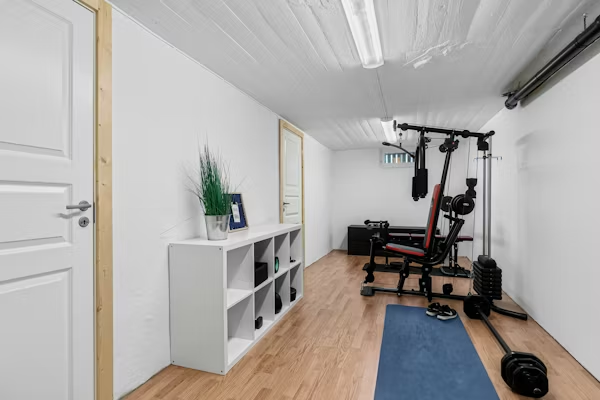
Moreover, personal fitness goals play a pivotal role in the decision to transform a garage into a gym. Whether one is seeking to achieve weight loss, build strength, or enhance overall health, a home gym can be customized to align with specific objectives. This not only increases motivation but also fosters consistency in workout routines. As societal trends lean toward a more health-conscious lifestyle, the popularity of home gym garages will likely continue to rise, underscoring the value and appeal of creating such personalized workout spaces in the comfort of one’s home.
Benefits of Having a Home Gym Garage

Establishing a home gym garage offers a multitude of advantages that cater to various fitness enthusiasts’ needs. One of the most significant benefits is the flexibility it provides in workout scheduling. Unlike commercial gyms, which often have set hours and can become crowded, a home gym garage allows individuals to exercise at their convenience, whether early in the morning or late at night. This unrestricted access can lead to more consistent workout routines, ultimately resulting in better fitness outcomes.
Financial considerations also play a crucial role in the decision to create a home gym garage. By eliminating the need for gym memberships, individuals can save a considerable amount of money over time. Instead of paying monthly fees or yearly memberships, investing in home gym equipment can be much more economical, particularly in the long run. Moreover, as the initial investment in equipment may replace ongoing gym costs, many find that their home gym garage pays for itself within a few years.
Privacy is another important aspect that a home gym garage brings to the table. Many may feel self-conscious or uncomfortable working out in a public environment surrounded by strangers. A home gym allows individuals to exercise without the fear of judgment, creating a more comfortable setting conducive to personal progress. This personalized space can also be customized to suit one’s specific fitness needs and aesthetic preferences. From the selection of equipment to the design layout, a home gym garage can reflect the owner’s individuality and motivation, enhancing the overall workout experience.
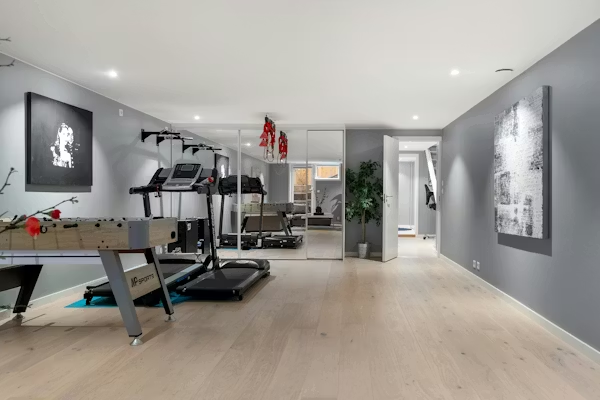
Ultimately, these benefits highlight the practicality and enjoyment of having a dedicated workout space at home. With increased flexibility, financial savings, enhanced privacy, and the potential for customization, a home gym garage can undoubtedly elevate one’s fitness journey.
Assessing Your Garage Space
Transforming your garage into a functional home gym involves a meticulous assessment of the available space. The first step is to evaluate the overall size of the garage. Measure the dimensions to determine how much room you can dedicate to your gym equipment, as well as any additional features such as a workout mat or storage solutions. A standard two-car garage can offer a reasonable area for a gym, but optimizing its layout will be crucial.
Next, consider the flooring. The existing garage floor is often made of concrete, which can be harsh on joints when exercising. If possible, investing in quality gym flooring can make a significant difference in comfort, sound absorption, and safety. Interlocking foam tiles or rubber mats are popular options that can improve the overall workout experience. Make sure the flooring is level and can support any heavy equipment you intend to use.
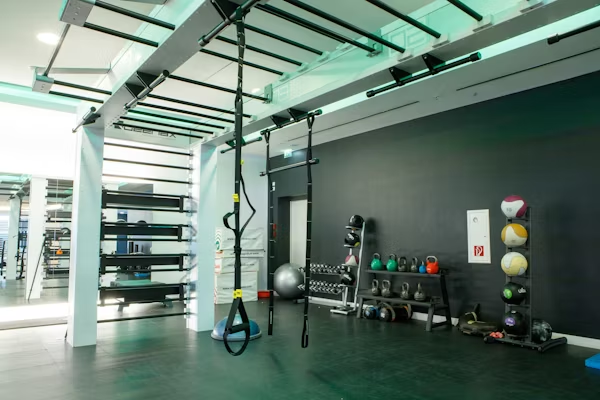
Lighting and ventilation are also key considerations in creating an inviting workout environment. Bright, natural light can make the space feel larger and more energizing. If your garage lacks windows, consider installing bright LED fixtures to illuminate the area adequately. For ventilation, ensure there is a window or an exhaust fan to maintain airflow, making your workouts more comfortable.
Electrical outlets are essential for powering various gym equipment. Check the number of outlets available and, if necessary, consult with an electrician to install additional ones before your transformation is complete. Lastly, it is prudent to understand local zoning regulations that pertain to garage conversions. If you plan significant alterations, be sure to follow necessary guidelines to avoid complications.
By effectively evaluating these aspects of your garage space, you can maximize its potential and create a functional, enjoyable home gym that meets your fitness needs.
Essential Equipment for Your Home Gym Garage

Creating a functional home gym garage requires a selection of essential equipment that caters to various fitness needs. By thoughtfully choosing equipment from different categories—cardio, strength training, and flexibility tools—you can maximize your workout potential while conserving space.
In the cardio category, treadmills and stationary bikes are popular choices. These machines provide an excellent cardiovascular workout and can accommodate various fitness levels. However, for space-saving solutions, consider compact alternatives like foldable treadmills or an air bike. The versatility of these machines allows for high-intensity interval training (HIIT) and steady-state cardio, fitting different workout styles and preferences.
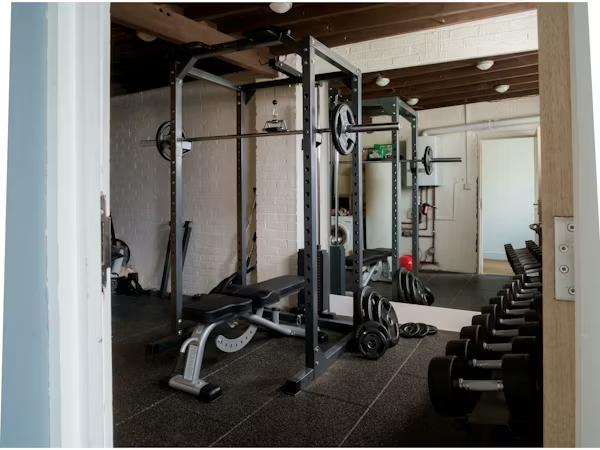
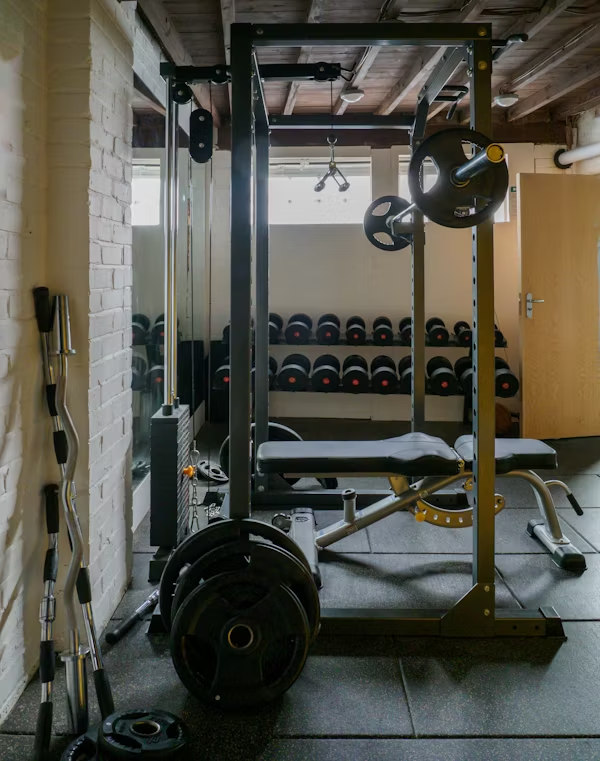
When it comes to strength training, opting for multifunctional equipment can be extremely beneficial. A power rack or squat rack not only allows for safe barbell lifting but can also be used for chin-ups and dips. Adjustable dumbbells are another space-saving investment, enabling you to vary your weights without requiring an entire set. Resistance bands are also effective tools in this category, as they offer a range of exercise options and can easily be stored when not in use.
Related Posts:
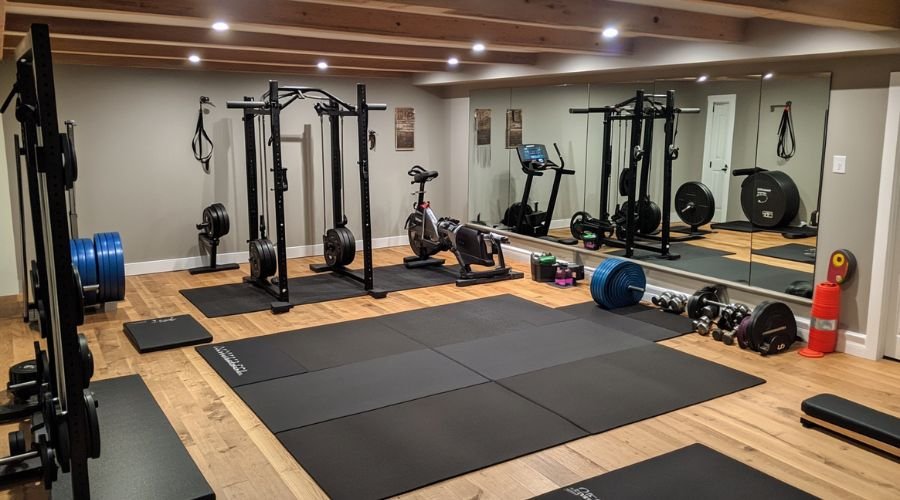





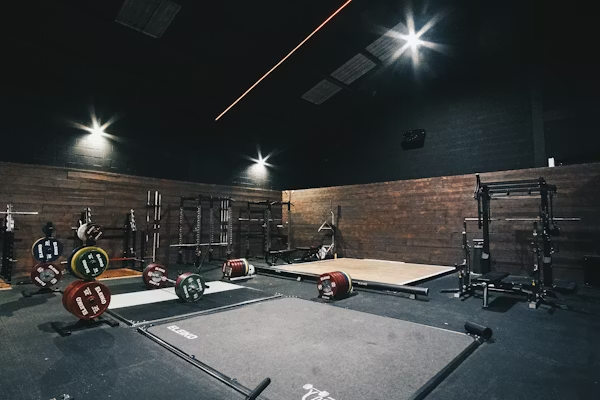
Flexibility and mobility training is often overlooked but plays a crucial role in preventing injuries. Including a yoga mat can facilitate stretching and floor workouts, while foam rollers and massage balls aid in muscle recovery. These tools are essential for maintaining overall fitness and should be readily available in your home gym garage.
By integrating these essential pieces of equipment, you can create a well-rounded home gym garage tailored to your fitness journey. Each category of equipment complements one another, allowing for diverse and comprehensive workouts in a compact space.
Creating a Motivational Atmosphere

Establishing a motivational atmosphere in a home gym garage is essential for fostering a productive workout environment. The colors you choose for the walls, floors, and accents can significantly influence your mood and energy levels. For a dynamic space, consider a color palette that includes vibrant shades such as energizing blues and greens. These colors can promote focus and vigor, while softer tones like grays and whites can create a balanced backdrop that prevents distractions.
Mirrors play a crucial role in gym design as they serve multiple purposes. First and foremost, they allow you to monitor your technique, ensuring proper form during your exercises. Furthermore, mirrors can create an illusion of space, making the garage feel more expansive and inviting. Strategically positioning mirrors across from windows can also reflect natural light, enhancing the overall brightness of the room.
Lighting is another key element in crafting an inviting workout area. A combination of overhead fixtures and task lighting can ensure that the area is well-lit, reducing shadows and creating a safer environment for physical activity. Adjustable lighting options, such as dimmers, can help set the mood during different types of workouts, from high-intensity training to calming yoga sessions. It is beneficial to incorporate dynamic lighting elements that can be controlled to match the energy of your routine.

Personal touches such as motivational quotes can serve as additional sources of encouragement. Carefully placing framed quotes or posters in your line of sight can inspire determination, especially during challenging workouts. Integrating a music system also contributes to a motivational atmosphere, allowing you to curate playlists that energize and uplift you as you exercise. By thoughtfully combining these elements—colors, mirrors, lighting, and personal touches—you can create an inspiring environment that not only motivates you but transforms your garage into an invigorating home gym.
Safety Measures for Your Home Gym Garage
Transforming your garage into a home gym involves several safety measures that are vital in preventing accidents and ensuring a secure environment for your workout routines. One of the first steps is to focus on the equipment setup. Ensure that all fitness equipment is assembled according to the manufacturer’s instructions and located in a stable and secure manner. This includes securing heavy machines to the ground if necessary and checking that weights are properly stored and not left on the floor to avoid tripping hazards.
In addition to appropriate equipment placement, selecting the right flooring is essential for both safety and functionality. A garage typically has a concrete floor, which can be unforgiving during workouts. Consider installing rubber mats or specialized flooring designed for gyms. These surfaces not only provide cushioning to reduce the impact on your joints but also enhance grip and minimize the risk of slips and falls, especially when engaging in more dynamic exercises.

Maintaining cleanliness and organization within your home gym garage is another critical safety aspect. Regularly inspect and clean all equipment to prevent the buildup of dust and debris, which can lead to hazardous conditions. Keep pathways clear of clutter to ensure that you can move freely between areas. Additionally, ensure that you have adequate ventilation to circulate air and minimize any buildup of heat or odors during your workouts.
Finally, implementing fire safety protocols cannot be overlooked. Garage spaces often house combustible materials, so it is advisable to invest in smoke detectors and fire extinguishers that are appropriate for the environment. Regularly check these devices to ensure they are functioning correctly, and establish a clear exit plan in case of an emergency. By prioritizing these safety measures, you can create a secure, efficient, and enjoyable home gym garage environment.
Integrating Technology into Your Home Gym Garage
In the modern era, technology plays a pivotal role in enhancing the overall experience of a home gym garage. From cutting-edge equipment to motivational applications, integrating technology can significantly improve efficiency and accountability in workout routines. Smart gym equipment features capabilities such as progress tracking, personalized training programs, and feedback mechanisms that help users optimize their workouts effectively.
One of the primary advantages of integrating technology into a home gym garage is the accessibility of fitness apps. Many fitness applications provide users with personalized workout plans tailored to their goals, be it weight loss, muscle gain, or overall fitness. These apps often include video tutorials and exercise libraries, allowing users to perform exercises correctly and safely without the need for external guidance. Additionally, many applications enable users to connect with friends or trainers for an added layer of motivation through social features, fostering a sense of community.
Another significant facet of technology in a home gym is the emergence of online workout classes. Numerous platforms now offer live or on-demand classes across various fitness disciplines, from yoga to high-intensity interval training (HIIT). By participating in these classes, individuals can stay engaged, learn new techniques, and enjoy the camaraderie of others working toward similar fitness goals. This connectivity provides an excellent incentive to stick to a routine and potentially reach new fitness levels.
In summary, integrating technology into your home gym garage enhances not just the effectiveness of workouts but also the overall experience. Smart fitness equipment, fitness apps, and online classes together create a dynamic environment that promotes accountability and progress tracking, making it easier for individuals to meet and exceed their fitness objectives. Embracing these tools can transform your workout space into a high-tech haven, motivating you to maintain an active and healthy lifestyle.
Creating a Workout Routine in Your Home Gym Garage
Establishing an effective workout routine in your home gym garage is essential for achieving your fitness goals. To start, consider evaluating your personal objectives. Are you aiming to lose weight, build muscle, enhance endurance, or improve flexibility? Your answers will guide the structure of your routine. A well-rounded program should balance cardiovascular activities with strength training, ensuring a holistic approach to fitness.
Incorporating both cardiovascular workouts and strength training sessions is crucial for optimal results. For cardiovascular exercises, options like running on a treadmill, cycling on a stationary bike, or performing high-intensity interval training (HIIT) are effective choices. Dedicate at least 150 minutes of moderate aerobic activity or 75 minutes of vigorous activity each week. This balance will not only improve your heart health but also aid in burning calories.
Strength training is equally important and can be performed utilizing free weights, resistance bands, or weight machines. Aim to include strength training exercises for all major muscle groups at least two days per week. Structured workouts could involve a split routine targeting different areas, such as upper body on one day and lower body on another. This approach allows for adequate recovery while maximizing muscle growth and performance.

Rest days are a vital component of any workout routine. They facilitate recovery, prevent injuries, and help maintain motivation over time. Schedule regular rest days within your weekly plan, ensuring that your body has time to recuperate from intense sessions. By incorporating diversity in your exercises, alternating between high and low-intensity workouts, and prioritizing recovery, you can create a sustainable and effective fitness routine tailored to your needs in your home gym garage.
Maintenance and Organization Tips for Your Home Gym Garage
Creating a functional and inviting home gym garage requires not only proper equipment but also effective maintenance and organization strategies. To start, implementing a systematic storage solution is crucial. Utilize shelving units, wall-mounted racks, and designated bins to keep fitness gear such as weights, resistance bands, and yoga mats organized. Labeling each container can significantly enhance accessibility, making the process more efficient as you transition between workouts.
Regular equipment checks are essential to ensuring safety and longevity. Establishing a routine to inspect your machinery and gear at least once a month will help maintain the functionality of your home gym. Check for loose screws, frayed cables, or any signs of wear. If you notice any issues, address them promptly to prevent further damage or potential injuries during exercise. Moreover, consider investing in quality equipment cleaning supplies. Wiping down surfaces regularly reduces the accumulation of sweat and bacteria, thereby maintaining a hygienic workout space.
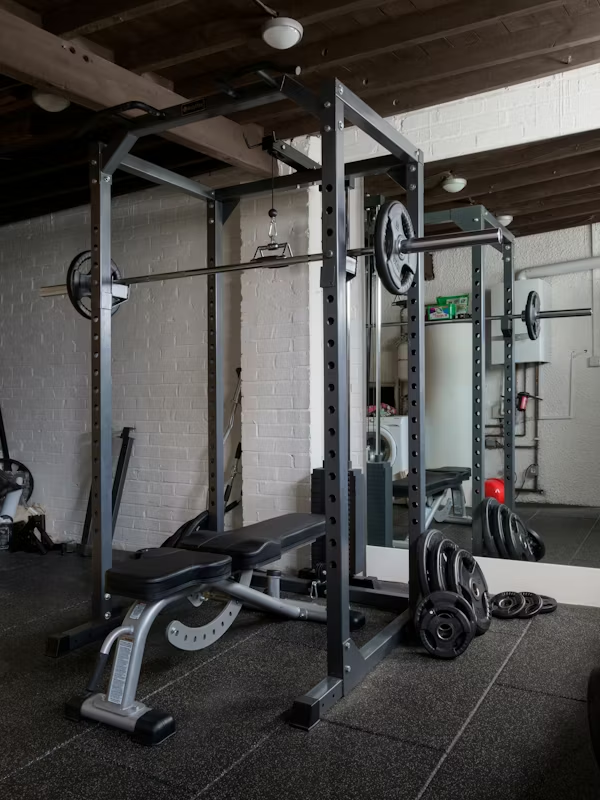
To keep the atmosphere of your home gym garage fresh and motivating, ensure proper ventilation and lighting. If possible, incorporate natural light or install high-quality LED lights that can brighten up the space. Additionally, consider using air purifiers to enhance air quality. Another helpful tip is to add personal touches, such as motivational posters or indoor plants, which can create an inspiring environment that encourages consistency in your workout routine.
Lastly, regularly revisit your organizational system to adapt to changing fitness goals or new equipment. As your workout routine evolves, so may your storage needs. Staying proactive about maintenance and organization will not only preserve your investments but also create an inviting space that promotes a healthy and active lifestyle.
This post may contain affiliate links, which means we may earn a small commission if you purchase through them—at no extra cost to you. Hopefully we can help you find something that helps you.