Understanding Earthy Aesthetics
Earthy aesthetics represent a design philosophy that harmonizes with nature, creating a serene and inviting atmosphere within the home. This style is characterized by a rich palette of neutral tones inspired by the natural environment, including shades of brown, green, beige, and soft grays. These colors evoke a sense of calm and tranquility, making them ideal for living spaces. By utilizing earth-inspired hues, homeowners can forge a connection to the outdoors, reflecting the beauty of the natural world within interior design.
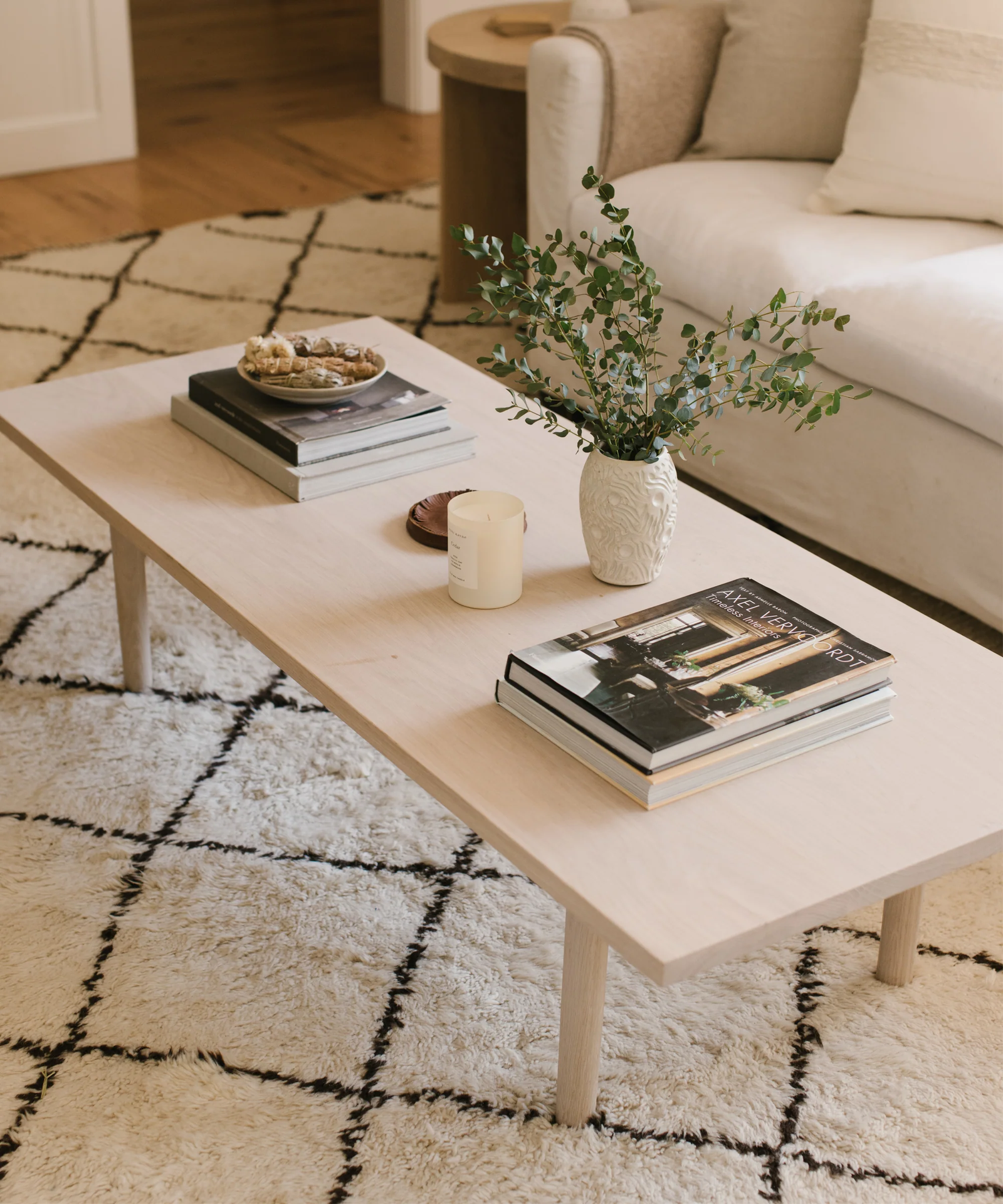
Central to earthy aesthetics is the emphasis on natural materials. Incorporating elements such as wood, stone, cotton, and linen fosters a sense of authenticity and warmth in the living room. Wooden furniture, for example, not only complements the color scheme but also adds texture and visual interest to the space. Likewise, stone accents can provide an organic touch, grounding the environment in earthy richness. These elements contribute to creating a cohesive design that breathes life into the living area while ensuring sustainability and a reduced environmental footprint.
The significance of organic shapes cannot be overlooked when discussing earthy aesthetics. Furniture and decor items characterized by smooth, fluid lines often evoke the form and feel of natural landscapes. By choosing pieces that embrace these shapes, homeowners can create a relaxing atmosphere that encourages harmony and balance. Furthermore, integrating plants and greenery into the decor is a decisive factor in achieving this aesthetic. Not only do plants enhance the visual appeal, but they also promote improved well-being and reduced stress, further reinforcing the benefits of an earthy living room. Overall, embracing earthy aesthetics results in a nurturing environment that fosters relaxation and an enhanced connection to nature.
Choosing the Right Color Palette
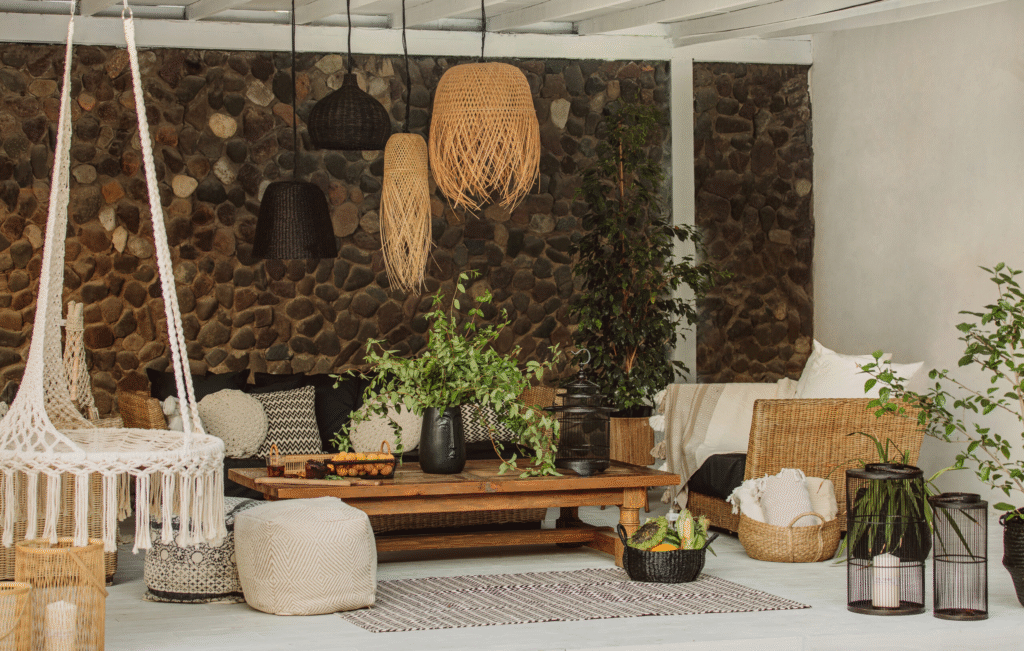
Creating an inviting, earthy living room begins with selecting an appropriate color palette that resonates with nature’s tranquility. A carefully chosen mix of warm browns, subtle greens, delicate soft whites, and muted tones will evoke a serene ambience reminiscent of the great outdoors. These foundational colors not only serve to ground the space but also create a harmonious flow that is both aesthetically pleasing and soothing to the eye.
Warm browns, akin to the rich hues of tree bark or soil, are fundamental in establishing a connection with natural elements. Incorporating shades such as taupe, chestnut, or walnut can form the predominant background in your living room, providing depth and warmth. Paired with various greens—think sage, olive, or moss—these colors can promote a sense of calm and restore feelings of balance within the home. Green is widely known to represent growth and renewal, making it an essential color for an earthly ambience.
To counterbalance the intensity of warm tones and greens, soft whites or off-whites can be interspersed throughout the space. These lighter shades can be applied to walls, trim, or even larger pieces of furniture, acting as a visual respite amidst the richer colors. By utilizing soft whites, the living room can maintain an airy, open feel, preventing it from becoming overwhelming.
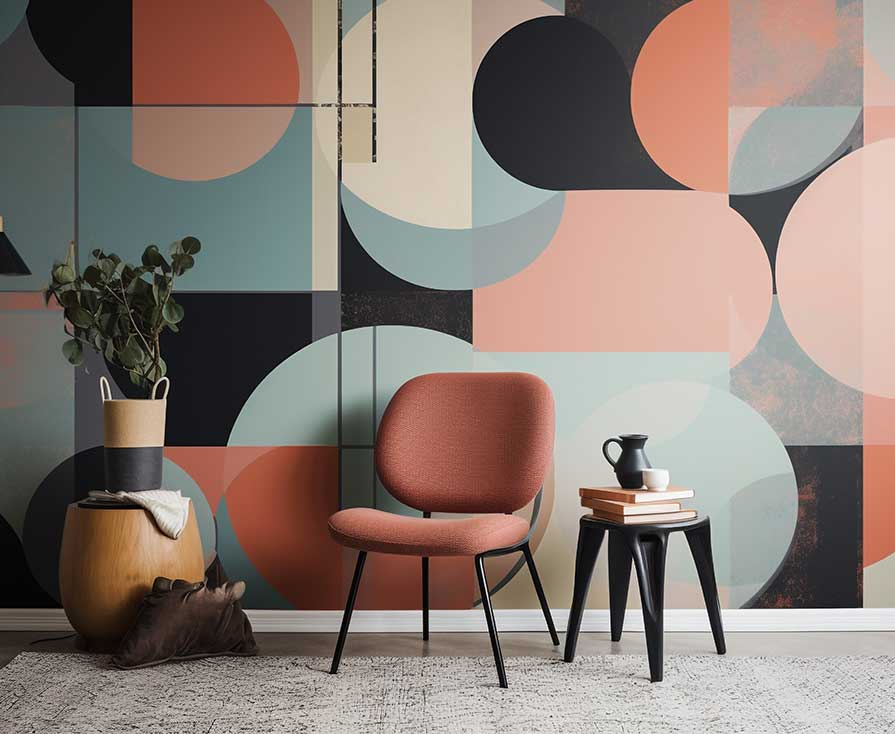
Additionally, strategically incorporating accent colors will enhance the earthly theme without overshadowing the primary palette. Accents in muted oranges, deep blues, or light dusty pinks can evoke the colors found in nature, such as sunsets, water, or wildflowers. When selecting accent pieces—be it cushions, artwork, or decorative objects—ensure they harmonize with the overall color scheme while adding dimension. By thoughtfully crafting your color palette, you will create a living room that is not only reflective of the outdoors but also soothing and inviting for daily life.
Incorporating Natural Materials and Textures
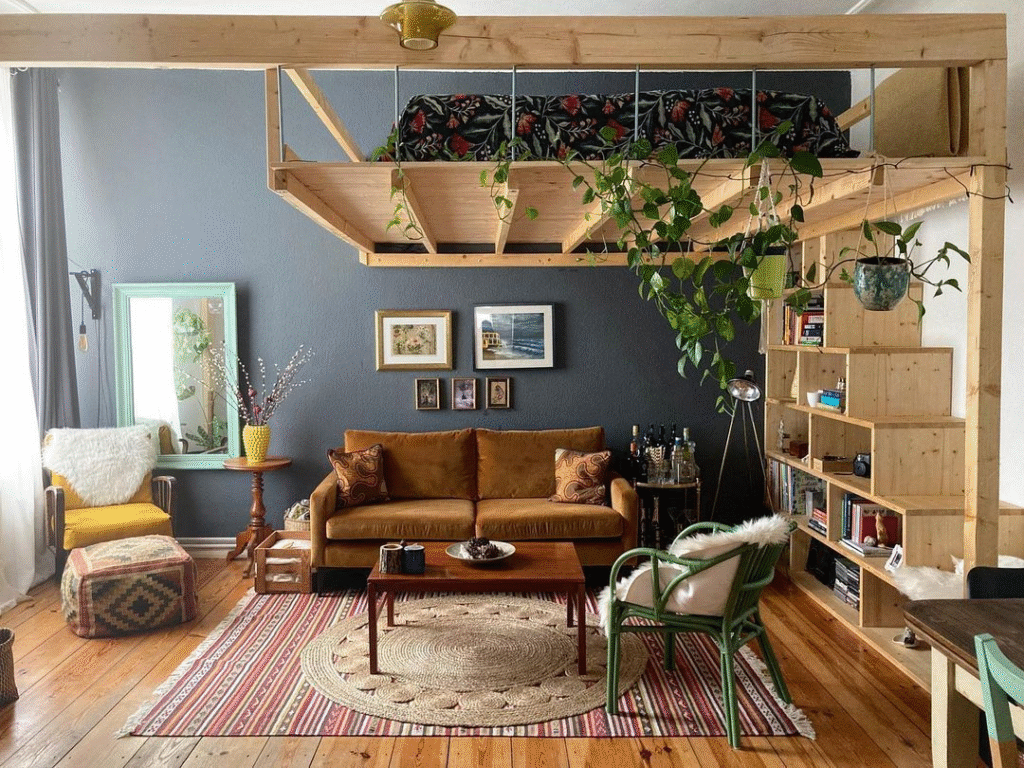
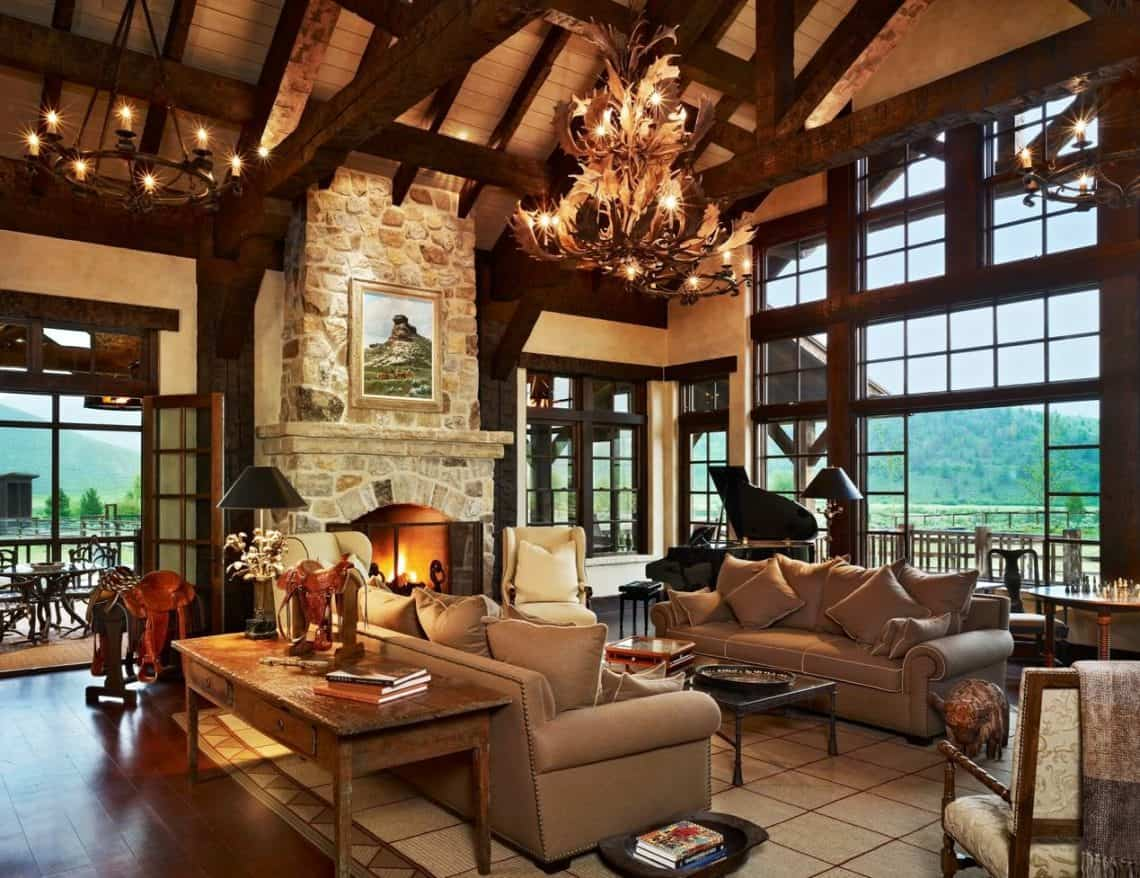
Creating an earthy living room requires a thoughtful selection of natural materials that evoke a sense of connection to the outdoors. One of the primary elements to consider is wood, which can be used in various forms, including furniture, flooring, and accent pieces. Opting for reclaimed or sustainably sourced wood not only enhances the aesthetic appeal but also supports environmental sustainability. The warmth and texture of wood can instantly elevate the ambiance of the room, whether it’s through a beautifully crafted coffee table or exposed wooden beams in the ceiling.
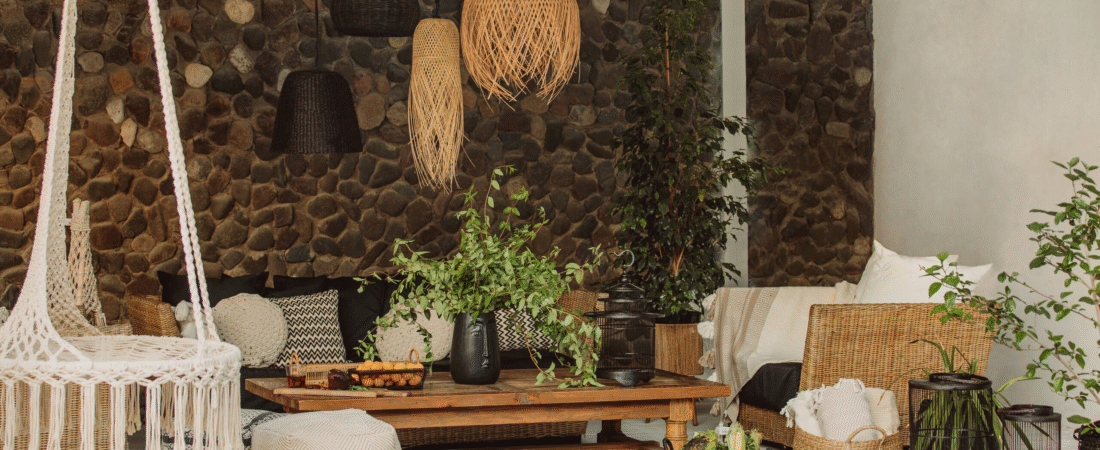
In addition to wood, stone and other organic materials play a crucial role in designing a nature-inspired space. Incorporating stone elements, such as a fireplace or accent walls, adds both visual interest and a solid, earthy feel. Natural stones like slate or river rock bring an organic quality that complements the softness of textiles, creating a balanced environment. Upholstery choices made from materials such as cotton and linen also contribute significantly to the overall texture of the living room. These fabrics allow for breathability and comfort while enhancing the tactile experience.
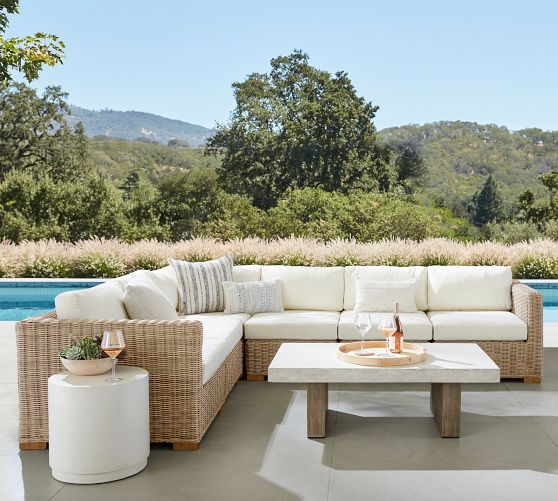
Layering different textiles is essential for adding depth and warmth to the living room. Rich area rugs can serve as a foundation, inviting a cozy atmosphere while providing comfort underfoot. Complementing rugs with an assortment of cushions and throws in various patterns and shades can create a relaxed aesthetic that embodies the essence of nature. For example, a combination of linen, cotton, and wool can stimulate the senses and enrich the comforting ambiance. Additionally, selecting decor items like wicker baskets or organic sculptures enhances the earthy vibe, ensuring a seamless integration of natural materials throughout the space.
Bringing the Outdoors In
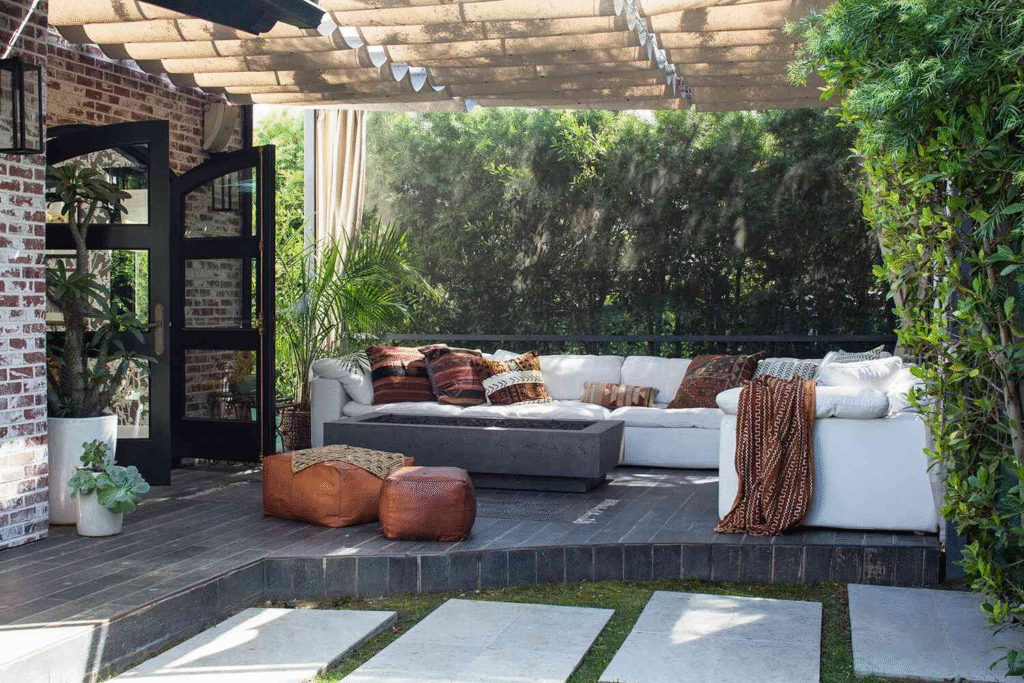
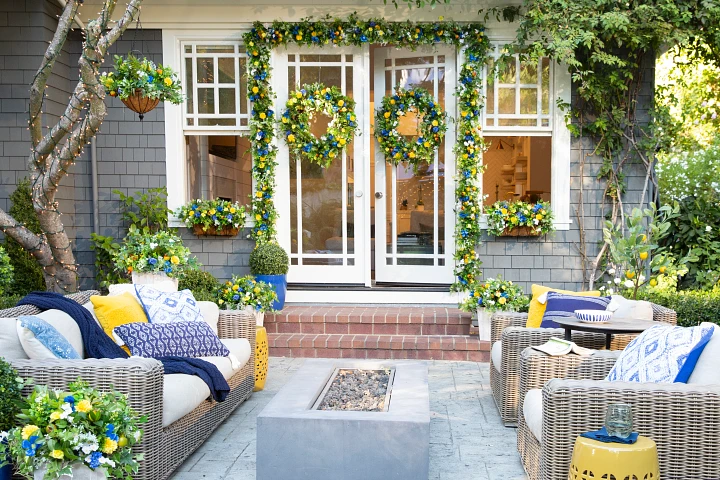
To create an earthy living room that embraces nature, integrating plants and greenery is fundamental. The presence of indoor plants enhances the ambiance and promotes a calming environment. Various types of indoor plants cater to different lighting conditions, making it possible to choose the right greenery for any living room scenario. For bright, sunny areas, plants like succulents, snake plants, and fiddle leaf figs are excellent choices. Conversely, low-light spaces can benefit from resilient species such as pothos, peace lilies, and ZZ plants, which thrive without direct sunlight.
When arranging plants, consider varying the heights and textures to create depth and visual interest. Grouping plants together in clusters can lead to a more dynamic display. Using plant stands, shelves, or hanging baskets can elevate plants, allowing them to become focal points in the room while also conserving floor space. Furthermore, don’t underestimate the impact of plant pots; opting for natural materials like clay or wood can enhance the earthy aesthetic, aligning the decor with the overall theme of nature.
Natural light plays a crucial role in nurturing indoor plants, as well as creating an inviting atmosphere in the living room. Maximizing daylight can be achieved through strategic window treatments. Sheer curtains allow soft light to filter in, illuminating the space while maintaining privacy. Alternatively, roller shades or light-filtering blinds can provide flexibility to control brightness throughout the day. Additionally, consider the layout of the room; positioning furniture to create a clear path for sunlight can promote a warm and welcoming atmosphere. By incorporating these elements, the earthy living room can truly embody the tranquility of the outdoors, creating a serene haven indoors.
This post may contain affiliate links, which means we may earn a small commission if you purchase through them—at no extra cost to you. Hopefully we can help you find something that helps you.