
Introduction to Western Style Decor
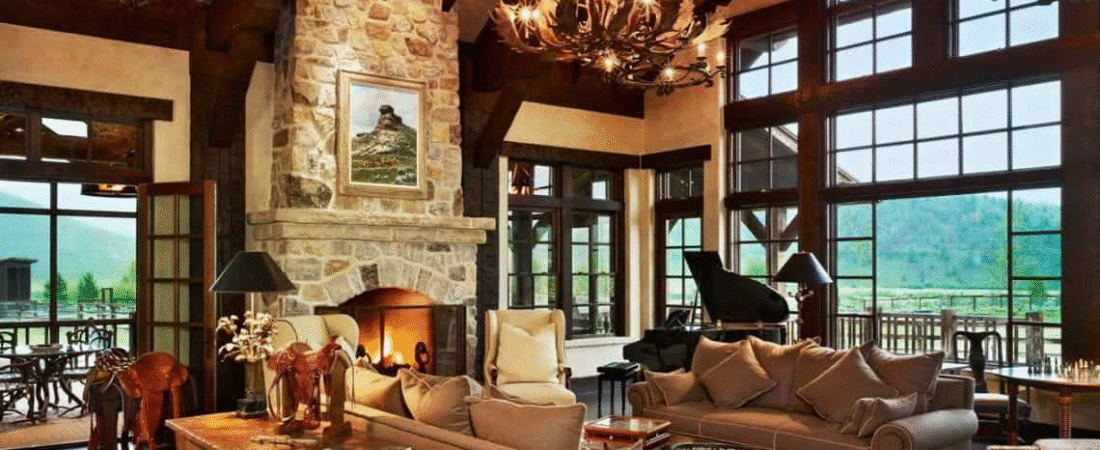
The Western style decor draws its inspiration from the expansive landscapes and rich cultural history of the American West. It evokes a sense of adventure and nostalgia, appealing to those who appreciate natural beauty and rustic charm. Originating in the late 19th century, this design approach was largely shaped by the lifestyles of cowboys, ranchers, and indigenous communities, embedding the essence of nature into the styling of homes.
Characteristically, Western style emphasizes the use of natural materials such as wood, leather, stone, and metal, which contribute to its rugged appeal. The choice of these materials not only embodies durability but also reinforces a connection to the earth. Earthy colors, including warm browns, dusky reds, and tranquil greens, further enhance the warm and inviting atmosphere typical of Western interiors. These palettes can create a sense of calm while simultaneously celebrating the spirit of the outdoors.
Moreover, Western decor is often accented with various elements reflecting the cultural heritage of the region. Elements such as woven textiles, mounted antlers, and handcrafted pottery are commonly found, adding authenticity and character to spaces. The inclusion of rustic furniture, like distressed wood tables or wrought iron fixtures, showcases both functionality and aesthetics, allowing for a comfortable living experience.
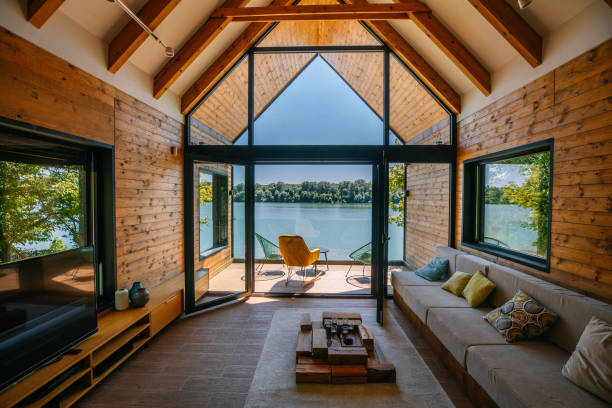
In the context of a modern home, integrating Western style decor can create a fusion of contemporary trends with timeless rustic appeal. The intentional blend of modern sophistication and traditional aesthetics can result in a unique atmosphere, appealing to a broader audience. The juxtaposition of sleek lines and organic shapes allows homeowners to enjoy the best of both worlds, thereby enhancing the overall residential experience. As we delve deeper into the specifics of this style, it becomes evident that anyone can adopt Western influences to elevate their interior settings.
Key Elements of Western Style Decor
Western style decor is characterized by its unique blend of natural materials, earthy colors, and decorative elements that evoke the rustic charm of the American West. To effectively incorporate this aesthetic into modern homes, several key components must be considered.
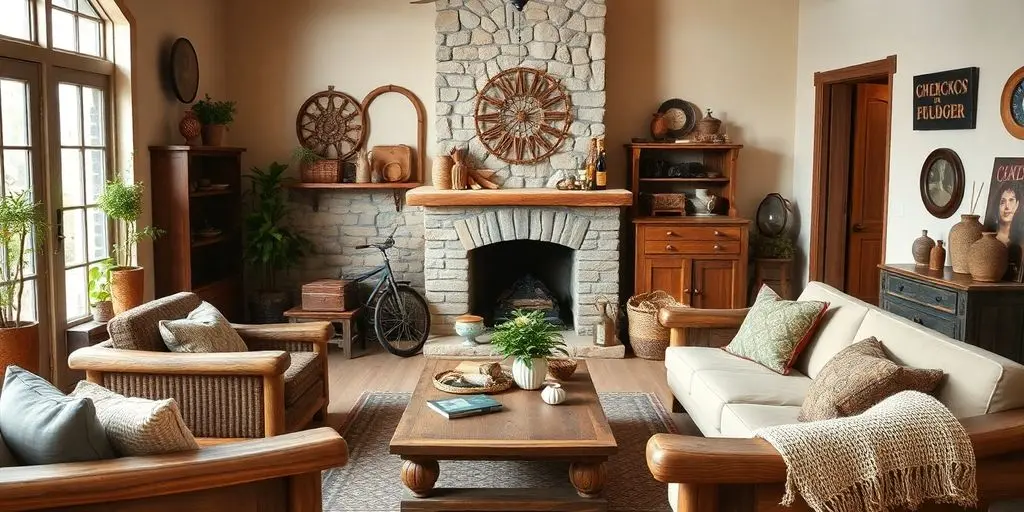
One of the foundational materials in Western decor is wood. Utilizing reclaimed wood, particularly in furniture and fixtures, can add an authentic touch to spaces. This material not only emphasizes sustainability but also enhances the warmth and texture of interiors. Coupled with wood, stone serves as another essential element, often appearing in fireplaces, accent walls, or countertops. The ruggedness of stone reflects the robust natural environments of the West, providing a robust backdrop for modern elements.
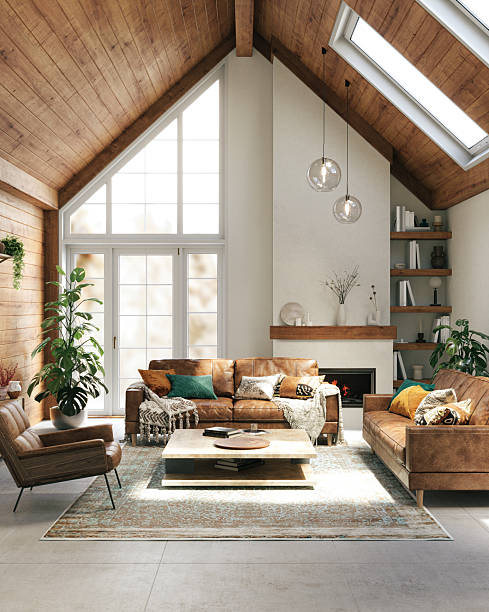
Leather is another defining feature of Western style. This versatile material can be incorporated through upholstered furniture, throw pillows, or accent pieces. Leather adds a sense of luxury while maintaining a rugged appeal, thus reinforcing the overall western aesthetic. Metal accents—such as wrought iron or aged brass—can also enhance the decor, providing a stark contrast to the softness of wood and textiles.
In terms of color palettes, Western style often draws inspiration from nature. Warm, earthy tones like browns, rust, and muted greens can evoke a sense of outdoor serenity while subtle blues and grays can provide balance. These colors work harmoniously to create inviting spaces.
Textiles play a significant role in Western decor as well. Think of richly patterned rugs, warm blankets, and woven baskets that add depth and character. Artwork, particularly pieces that depict landscapes or wildlife, can further establish the western theme. Accessories, such as cowboy memorabilia or vintage finds, can also serve as conversation starters, enhancing the overall ambiance and authenticity of the style in your modern home.
Choosing the Right Color Palette
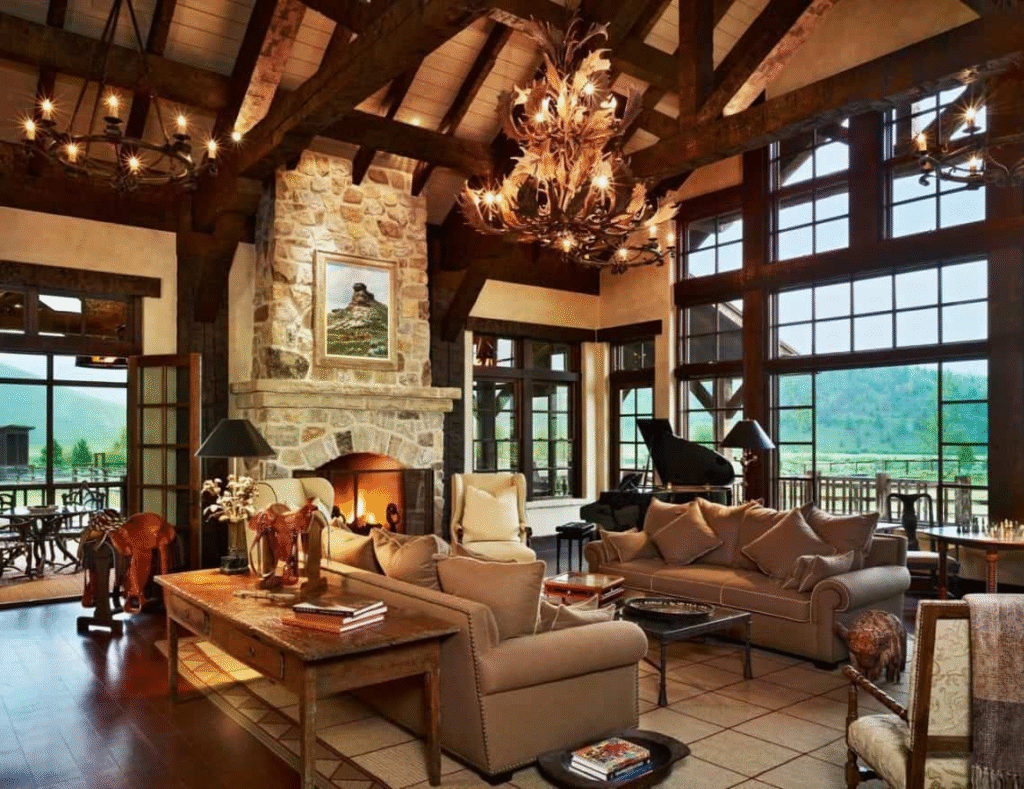
Selecting the right color palette is crucial when aiming to infuse a modern home with Western style charm. The essence of Western decor often lies in the warmth and richness of earthy tones, creating a balance that feels both inviting and grounded. Neutral shades such as browns, tans, and muted greens can establish a solid foundation, drawing inspiration from natural landscapes found in the Western regions. Complementing these earthy tones with warm hues like terracotta, burnt orange, or deep reds can add depth and vibrancy to the space.
When considering color combinations, it is essential to maintain a cohesive flow throughout the rooms. For instance, pairing rust-colored accents with creamy whites creates a sophisticated contrast that radiates warmth without overwhelming the senses. Likewise, introducing subtle patterns in textiles, such as Southwestern-inspired designs in cushions or throws, can enrich the visual appeal while adhering to the chosen color scheme.
Colors can significantly influence the mood and ambiance of a home. Lighter shades can make a room feel spacious and airy, while darker tones can evoke a sense of intimacy and warmth. For example, a living room painted in a soft sage green adorned with rustic wooden furniture and warm-colored accessories can foster a serene environment. Conversely, a dining area featuring deep burgundy walls paired with golden accents can enhance the drama, making it an inviting space for gatherings.
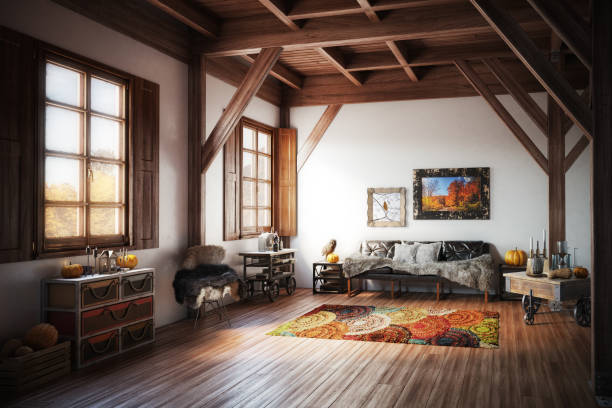
Ultimately, achieving the desired Western style in your modern home through color requires thoughtful integration. By focusing on earthy undertones and warm hues, you not only create visual interest but also foster an atmosphere that mirrors the charm of the great outdoors. This careful consideration of color palette will bring forth a harmonious blend of contemporary living and rustic elegance.
Incorporating Rustic Furniture Pieces
To effectively incorporate rustic furniture pieces that embody Western style, one must focus on sourcing items that not only resonate with the rustic aesthetic but also enhance the overall decor of their modern home. A pivotal step in this journey involves seeking out reclaimed wood pieces. These items carry a unique history and character, often showcasing imperfections that tell their own story. Reclaimed wood tables, for instance, can serve as stunning focal points in living areas or dining rooms, effortlessly bridging the gap between rustic charm and contemporary elegance.
In addition to wooden pieces, integrating metal accents can greatly enrich the rustic appeal. Materials such as wrought iron or brushed metal can provide a striking contrast to the softness of wood, creating a harmonious balance within the space. Consider incorporating metal coffee tables or shelving units as a way to tie together the rustic and modern elements of your interior. Such pieces not only offer functional use but also contribute to the overall aesthetic by adding texture and varying materials throughout the space.
Related Posts:
Comfort and durability are also important factors when selecting textiles that accompany rustic furniture. Opting for sturdy fabrics such as canvas, burlap, or heavy cotton can enhance the tactile experience while remaining practical for everyday use. Upholstered rustic chairs or sofas in these materials can create inviting seating areas. Furthermore, layering textiles through the use of cushions or throws can soften the visual aspect while providing comfort, making the overall space more inviting. Mixing these rustic furniture elements with modern pieces—like a sleek glass table or minimalist art—allows for a cohesive blend that respects both styles. Ultimately, this thoughtful integration can transform a home into a beautifully balanced representation of rustic charm and modern sophistication.
Decorative Accessories to Enhance the Western Theme
Incorporating decorative accessories is a rewarding way to enhance the Western theme in your modern home. Selecting the right items can infuse your space with rustic charm while remaining true to contemporary sensibilities. Among the most compelling accessories are cowboy art pieces, which often capture the spirit of the American West. Original paintings, metal sculptures, or framed prints depicting rodeos, landscapes, or wildlife can serve as striking focal points in any room.
Additionally, vintage finds play a crucial role in establishing an authentic Western aesthetic. Antique items such as old cowboy hats, saddles, or vintage luggage can add character to your interiors. Scour local flea markets or online platforms for these treasures; they often come with unique stories that enhance their appeal. When integrating vintage pieces, consider their placement carefully to ensure they complement modern furnishings rather than clash with them.
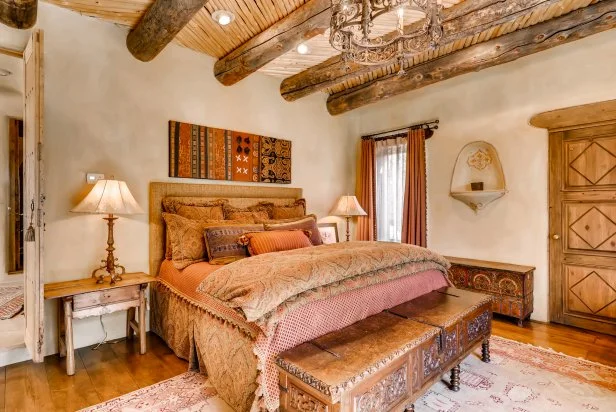
Handmade decorations also resonate well within the Western theme. Artisan-crafted items like woven rugs, pottery, or woodwork can add depth and texture to your surroundings. These unique pieces not only support independent artisans but also promote sustainability. When selecting handmade decorations, pay attention to natural materials like leather, wood, and wool, which evoke the rugged elements of the West.
When choosing accessories, consider your personal taste and how the items relate to the overall design of your home. Aim for a curated look that balances various elements of Western decor, ensuring the space feels cohesive. As you explore different accessories, remember that each piece should serve a purpose, whether it’s for aesthetic enjoyment or functional use. With thoughtful selection, decorative accessories can seamlessly elevate your home into a delightful rendition of Western charm.
Creating a Cozy Space with Textiles
In a modern home inspired by Western aesthetics, textiles play a crucial role in infusing warmth and comfort. Incorporating various material types such as wool, leather, and cotton can significantly enhance the coziness of your space while aligning with the rustic charm characteristic of this style. Each material brings its unique texture and feel, enriching the overall décor. For instance, wool is celebrated for its durability and insulating properties, making it an ideal choice for throws and rugs that provide immediate warmth. Leather, often associated with Western heritage, adds a rich, tactile quality to sofas and accent chairs, balancing elegance with ruggedness. Cotton, being versatile and soft, is perfect for curtains and cushions, allowing light to filter in while maintaining a soothing atmosphere.
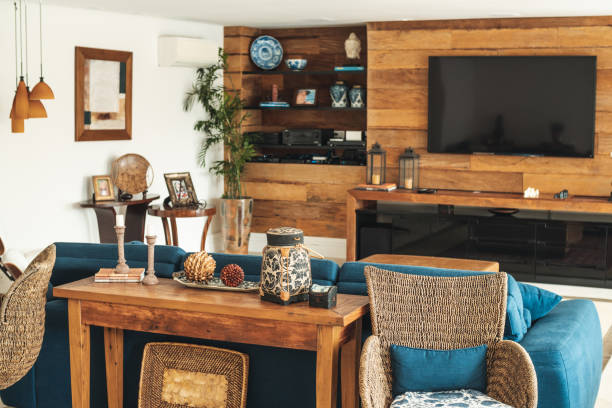
Patterns also contribute significantly to the cozy ambiance of a Western-themed home. Utilizing plaid designs can evoke a sense of tradition while enhancing the visual interest of any room. Southwestern patterns, often characterized by bold colors and geometric shapes, can serve as focal points in your textile choices, whether in the form of wall art or decorative pillows. Layering these various patterns tastefully can create depth and a sense of inviting warmth.
To achieve a homely feel, consider layering textiles through rugs, throws, and cushions. Start by selecting a base rug that offers neutral tones to ground the space. Then, add a multitude of textures with smaller rugs and soft throws that can be draped over furniture or arranged strategically on seating areas. Cushions in varied fabrics and patterns can elevate not just comfort but also the overall aesthetic. Aim for a mix of sizes and colors to create visual interest and ensure that the space feels inviting. By thoughtfully integrating these textiles, you can successfully craft a cozy Western-inspired haven within your modern home.
Lighting Choices for a Western Ambiance
Lighting plays a pivotal role in establishing the overall atmosphere and character of a Western-style decor. The right fixtures can transform a space, enhancing its rustic charm while providing an inviting glow that brings warmth to any modern home. To create a truly authentic Western ambiance, it is essential to consider various lighting options, including rustic chandeliers, lanterns, and the efficient use of natural light sources.
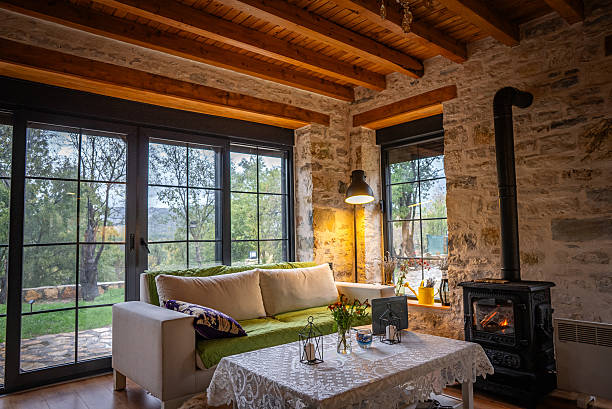
Rustic chandeliers, often crafted from wood or wrought iron, are a hallmark of Western-inspired interiors. These fixtures not only serve as functional lighting but also as striking focal points, capturing the essence of the outdoors within the confines of your home. When selecting a chandelier, consider the scale of your space; larger dining areas or living rooms benefit from grander designs that draw the eye, while smaller spaces may require more modest options. Additionally, choosing warmer-toned bulbs can enhance the rustic vibe, providing a soft and inviting glow that mimics the natural light experienced in Western landscapes.
Lanterns, both wall-mounted and free-standing, further contribute to the Western aesthetic. These fixtures evoke the simplicity of country life and can be strategically placed in entryways, hallways, or outdoor spaces to create an enchanting atmosphere. Incorporating lanterns made from materials like aged metal, glass, or wood can augment the rustic charm you seek in your decor. Opt for battery-operated or solar-powered options for added convenience and energy efficiency.
Lastly, maximizing natural light sources is crucial in achieving a vibrant, airy feel. Utilize sheer curtains or blinds that allow sunlight to permeate while providing privacy. Additionally, placing mirrors opposite windows can reflect light throughout a room, further enhancing its warmth and inviting nature. By thoughtfully combining these lighting choices, you will be well on your way to establishing a captivating Western ambiance that complements your modern home.
Landscaping and Outdoor Decor for the Western Aesthetic
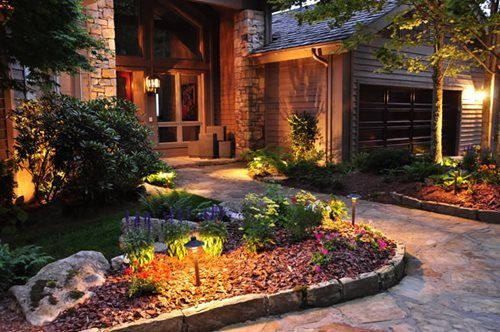
Extending the Western style beyond the confines of the home creates a harmonious connection with nature, allowing the rustic charm to flourish in outdoor spaces. Embracing the spirit of the American West in your landscaping choices begins with selecting native plants that thrive in your region. Consider drought-resistant varieties such as lavender, sage, and yucca, which not only provide low-maintenance beauty but also evoke the natural essence of Western landscapes. Incorporating these plants alongside traditional grasses and wildflowers will enhance the authenticity of your outdoor setting.
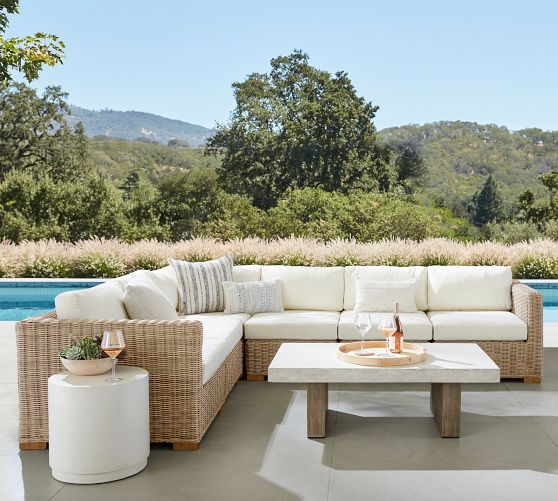
When it comes to outdoor furniture, opt for pieces crafted from natural materials such as wood, wrought iron, or weather-resistant rattan. Adirondack chairs or rustic wooden benches can serve as inviting spots for relaxation, perfectly complementing the Western theme. Including a handcrafted wooden dining table sets a welcoming atmosphere for outdoor gatherings, while providing the functionality needed for al fresco dining experiences. Adding a fire pit surrounded by comfortable seating can serve both as a focal point and a gathering space, enhancing the cozy, communal vibe associated with the Western aesthetic.
To further enrich your outdoor decor, consider decorative accents like rustic pots, hanging lanterns, and garden sculptures that reflect the natural beauty of the landscape. Terracotta or reclaimed wood pots can house your native plants, while metal sculptures resembling wildlife or traditional Western motifs can serve as eye-catching focal points. Even small touches like string lights draped across patios or pathways can create an enchanting atmosphere that invites evenings spent outdoors. By thoughtfully integrating these elements, you will create outdoor spaces that mirror the tranquility and charm of Western living, seamlessly bridging the gap between your home and nature.
Tips for Mixing Modern and Western Styles
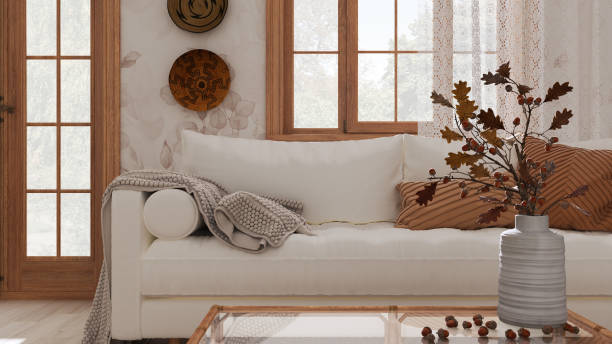
Blending modern decor with Western style can create an inviting and unique aesthetic in your home. To achieve a harmonious integration of these two styles, it is essential to focus on balancing contemporary lines with rustic elements. Begin by selecting furniture that reflects the clean lines characteristic of modern design while incorporating materials or details that evoke the charm of Western decor. For instance, consider a sleek coffee table made of reclaimed wood or a contemporary sofa adorned with cowboy-inspired throw pillows.
Another important aspect of merging these decor styles is maintaining cohesiveness throughout the space. Choose a color palette that complements both styles; earthy tones such as ochre, terracotta, and sage greens can harmonize well with the brighter, bolder hues often found in modern decor. By using a consistent color scheme, you can establish a unified look across different areas of your home. Additionally, utilize textures thoughtfully—a smooth leather armchair can sit comfortably alongside a woven jute rug, providing visual interest while supporting the overall theme.
Personalizing your spaces is crucial in successfully incorporating these diverse styles. Artwork and decorative elements can bridge the gap between modern and Western aesthetics. Consider displaying contemporary art pieces that feature Western themes, such as landscapes or cowboy imagery, to create a conversation starter. Furthermore, modern lighting fixtures with rustic finishes, like wrought iron or brass, can serve to enhance both styles, offering a functional yet stylish solution.
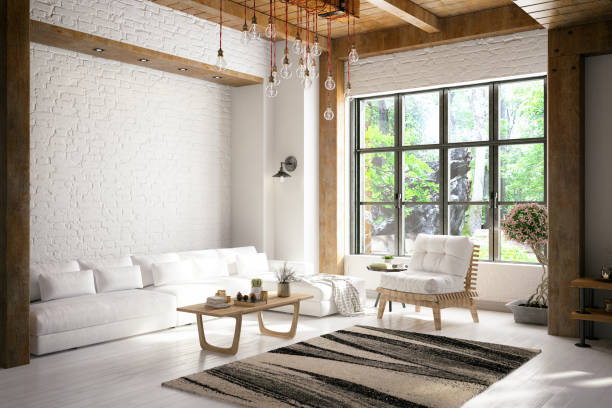
Ultimately, the key to mixing modern and Western styles lies in creativity and individual expression. Allow your personality to shine through in your decor choices while staying true to the integrity of both styles, ensuring that your home remains a reflection of your unique taste.
This post may contain affiliate links, which means we may earn a small commission if you purchase through them—at no extra cost to you. Hopefully we can help you find something that helps you.