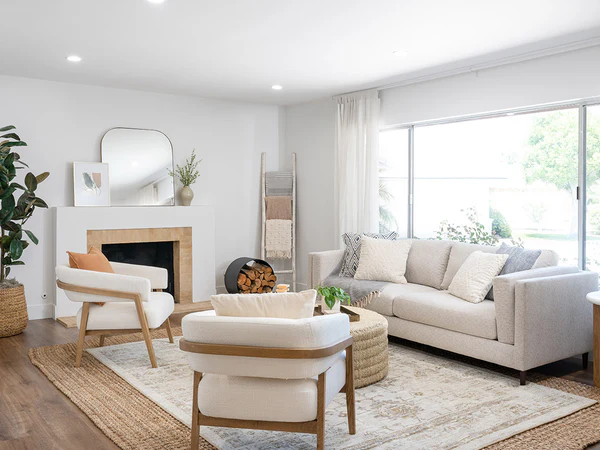
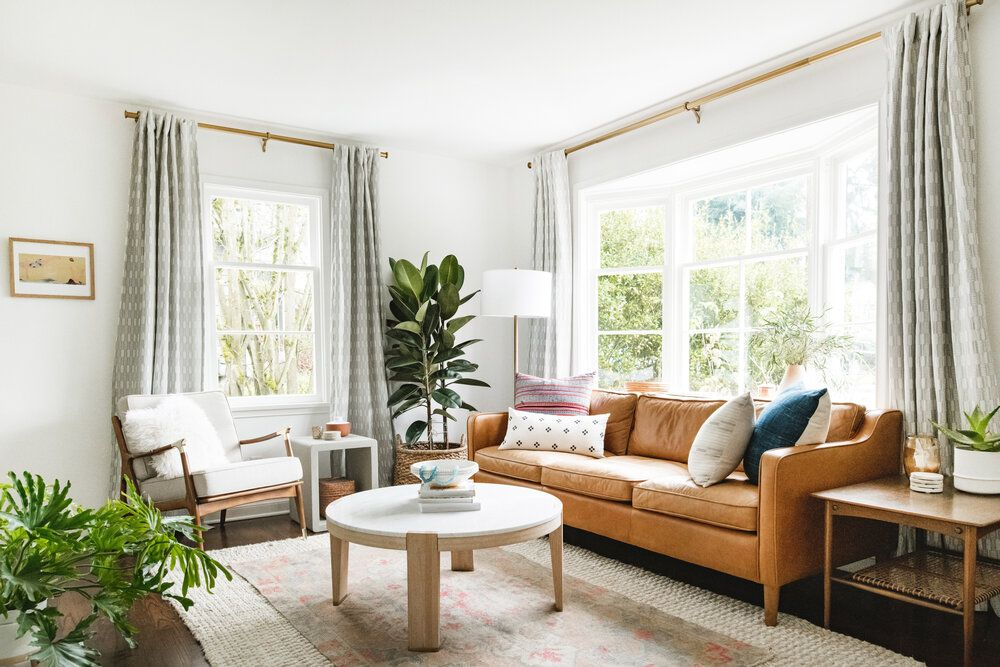
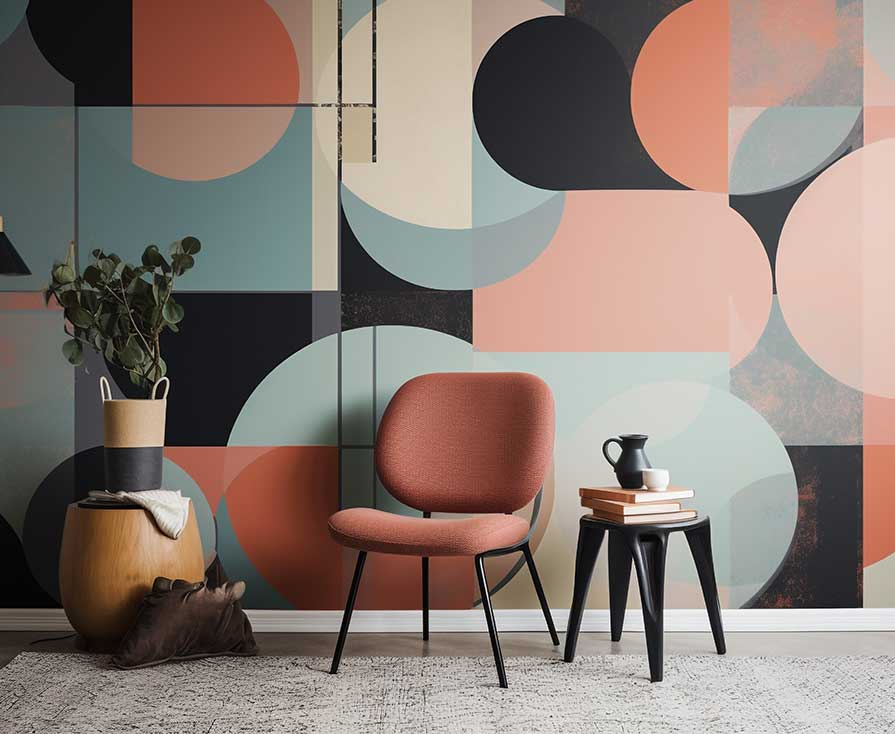
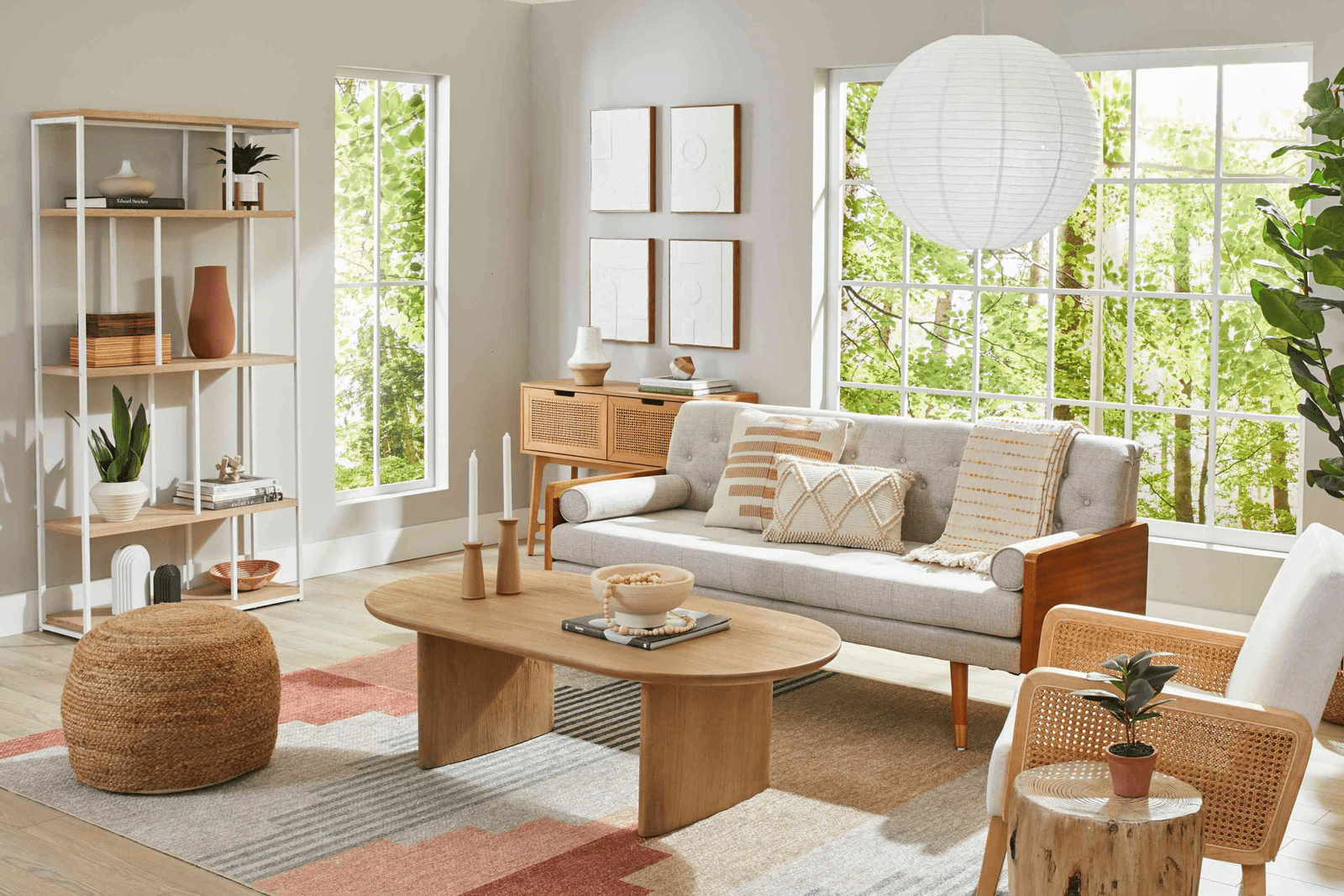
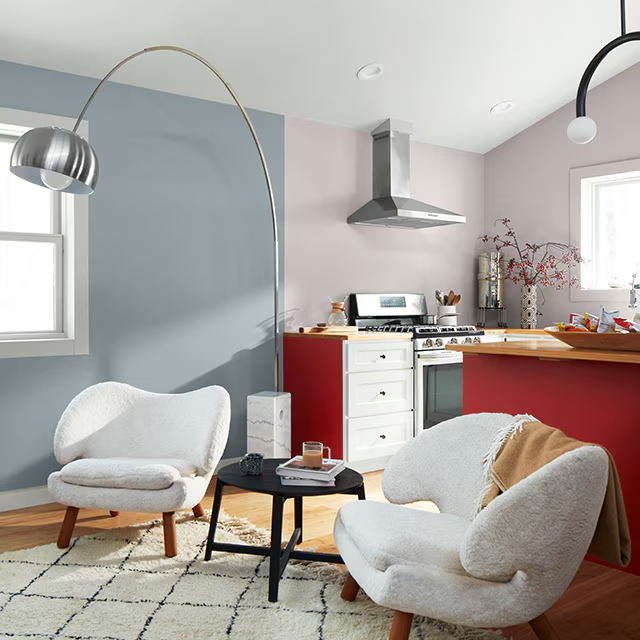
Area rugs serve a multitude of purposes in home décor, functioning as both a practical and aesthetic element that can profoundly influence a room’s atmosphere. One primary function of an area rug is to define spaces within a room. In open layouts, for instance, a strategically placed rug can delineate a living area from a dining space, enhancing the room’s organization and flow. This spatial division fosters a sense of intimacy, making large areas feel more inviting.
Another significant purpose of area rugs is their ability to add warmth and comfort to a space. The texture and softness of a rug create a cozy environment, encouraging relaxation. Particularly in colder climates, area rugs can provide an inviting surface underfoot, making hard flooring feel more comfortable and approachable. This comfort extends beyond physical sensation, as rugs encourage social interactions by providing a defined area for gatherings or family activities.
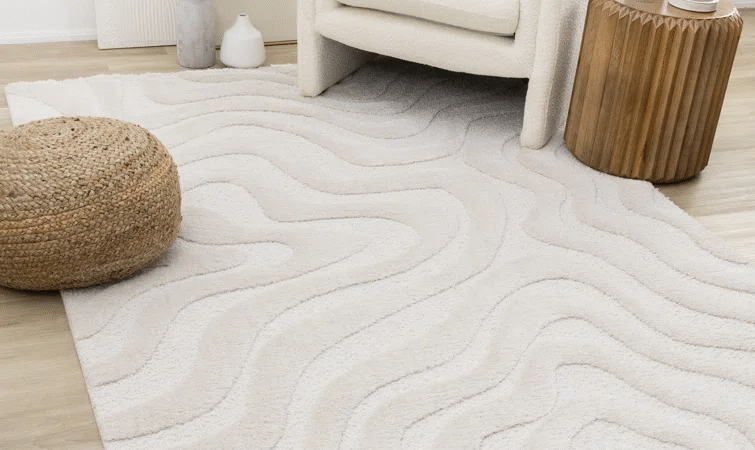
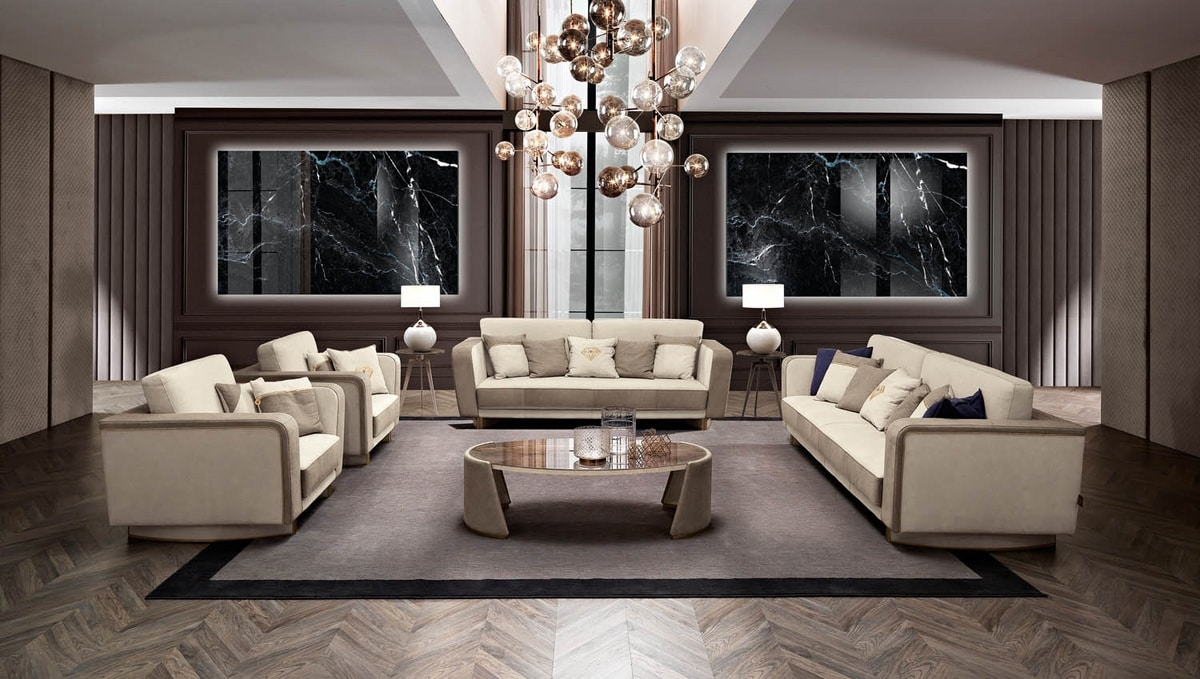
Additions to a room’s aesthetic are essential when considering area rugs. A well-chosen rug can enhance existing decor, tying together varying elements in terms of color, pattern, and style. Whether selecting a contemporary geometric design for a modern space or a traditional Persian rug for a classic setting, the right choice can elevate the overall look of the room. Moreover, the color and pattern of an area rug can create visual interest, serving as a focal point or subtle layering piece within the design.
Additionally, area rugs are effective at providing noise reduction, contributing to a quieter home environment. As soft materials absorb sound, strategically placed rugs can minimize echo and lessen the overall noise level, especially in larger spaces. Understanding these various purposes—spatial definition, warmth and comfort, decorative enhancement, and noise reduction—can help in selecting the perfect area rug that satisfies both practical needs and aesthetic desires. A thoughtful choice can elevate a space significantly, setting the stage for impactful interior design.
Measuring Your Space: Finding the Right Size
Choosing the right size area rug is essential for enhancing the visual appeal and functionality of a space. To achieve this, accurate measurement of the area where the rug will be placed is crucial. Begin by assessing the dimensions of the room. Measure the length and width, taking note of any architectural nuances, such as alcoves or significant furniture features that may affect the overall layout.
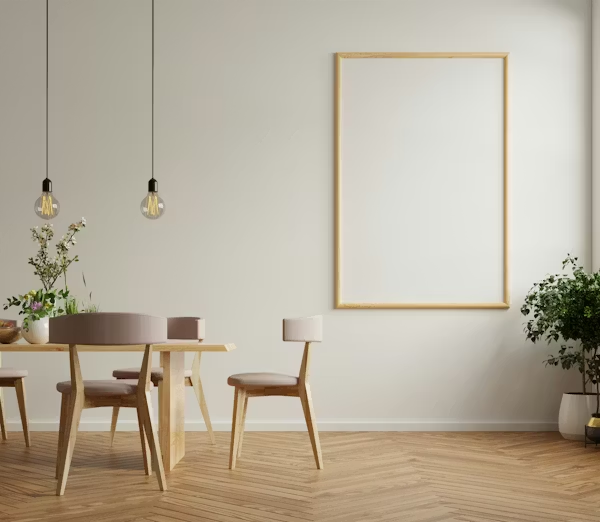
Next, consider the layout of your furniture. The ideal area rug should complement the arrangement of your seating and other furnishings. For living rooms, a common approach is to ensure that the front legs of all major furniture pieces rest on the rug, creating a unified feeling. In contrast, for dining rooms, the rug should extend at least 24 to 30 inches beyond the edges of the table to accommodate chairs, which typically slide out during use. This consideration ensures that the rug not only enhances the overall aesthetic but also serves its practical purpose.
Another effective method for visualizing rug size is to use painter’s tape to outline the desired dimensions on the floor. This technique allows you to physically see the space the rug will occupy, helping to determine if it feels too large or too small within the context of the room. Additionally, it provides a visual representation that can highlight any potential size-related qualms before making a purchase. When testing rug sizes, remember that larger rugs often create a sense of spaciousness, while smaller ones can define specific areas within a larger room.
By taking these measurements and considerations seriously, you will be well-equipped to select the perfect area rug size that not only fits your space seamlessly but enhances the overall design of your home.
When selecting the perfect area rug for your space, the material and style are pivotal factors that influence not only the aesthetic but also the functionality of the rug. Various materials present distinct advantages and challenges, which must be taken into account during the decision-making process.
Wool is one of the most popular choices due to its durability and natural stain resistance. It provides a warm, luxurious feel, making it ideal for living rooms and bedrooms. However, wool rugs can be more expensive and require regular maintenance, including professional cleaning. On the other hand, synthetic fibers, such as nylon and polyester, offer an affordable alternative. These materials are stain-resistant and easy to clean, making them perfect for high-traffic areas or homes with children and pets.
Jute and other natural fibers like sisal deliver a more rustic look, appealing to those who prefer an earthy aesthetic. These rugs are highly durable and eco-friendly but can be less comfortable underfoot and might require more care to maintain their quality over time. Cotton rugs are often budget-friendly and come in a plethora of colors and patterns. They are soft and comfortable, making them suitable for casual spaces. However, they may not hold up as well in high-traffic areas, with a higher likelihood of wear and tear compared to other materials.
Style is equally essential when selecting an area rug. Traditional rugs often feature intricate patterns and rich colors, whereas modern designs tend to emphasize minimalism and bold geometric shapes. If you lean towards an eclectic or bohemian aesthetic, consider layered rugs or those with vibrant, playful patterns. To ensure the rug complements your existing décor, evaluate the color palette and texture of your space.
Ultimately, understanding the differences in material, style, and their respective maintenance requirements will empower you to choose an area rug that aligns with your lifestyle and aesthetic preferences.
Incorporating Color and Patterns into Your Design
When selecting the perfect area rug, understanding the impact of color and patterns is essential. The right combination can enhance the overall aesthetic of your space while also reflecting your personal style. First and foremost, consider the existing color scheme in your room. An area rug should either complement or contrast the dominant colors to create a cohesive look. For instance, if your walls are painted in soft pastels, a vibrant, patterned rug can serve as a striking focal point, adding depth and interest to the decor.
The psychology of colors also plays a significant role in interior design. Different shades evoke various emotions and can influence the mood of a space. For example, blues and greens are known for their calming effects, making them ideal for bedrooms or relaxation areas. In contrast, bold colors like red or orange can energize a room, perfect for social spaces. When choosing an area rug, it is crucial to think about how the chosen colors will make you and your guests feel within the environment.
Patterns, too, can dramatically transform a room. From geometric designs to florals, the right pattern can add dimension and intrigue. However, mixing patterns requires careful consideration. To achieve visual harmony, consider selecting a rug that features a pattern already present in your furniture or decor. Another option is to choose a subtle pattern that does not overwhelm the space yet adds texture. Remember, balance is key; too many competing patterns can create chaos rather than cohesion.
Finally, consider the room’s functionality when selecting colors and patterns. A busy pattern may be ideal for high-traffic areas, as it conceals stains effectively, while softer, more intricate designs may work better in low-traffic spaces. Ultimately, by thoughtfully incorporating color and patterns, you can ensure your area rug not only enhances your design but also serves as a captivating feature within your home.
This post may contain affiliate links, which means we may earn a small commission if you purchase through them—at no extra cost to you. Hopefully we can help you find something that helps you.