11 Wardrobe Ideas That’ll Finally Get Your Clothes Off “The Chair”
Let’s address the elephant in the room—or rather, the pile of clothes on the chair in your bedroom. You know the one. That chair that stopped being for sitting approximately three days after you bought it and now serves as a permanent laundry staging area for items that are “not dirty enough to wash but not clean enough to put away.” Your clothes deserve better than furniture purgatory, and honestly, so does that chair. These wardrobe ideas prove that with the right storage system, you can actually put your clothes away like a functioning adult instead of playing archaeological dig every morning searching for something to wear.
Whether you’re working with a spacious bedroom, a tight corner, or absolutely no built-in closet at all, these ideas will help you create clothing storage that’s both practical and attractive. Time to reclaim that chair for its intended purpose and give your wardrobe the organized home it’s been desperately needing while you’ve been ignoring the problem and hoping it resolves itself.
1. Classic Freestanding Armoire for Timeless Storage
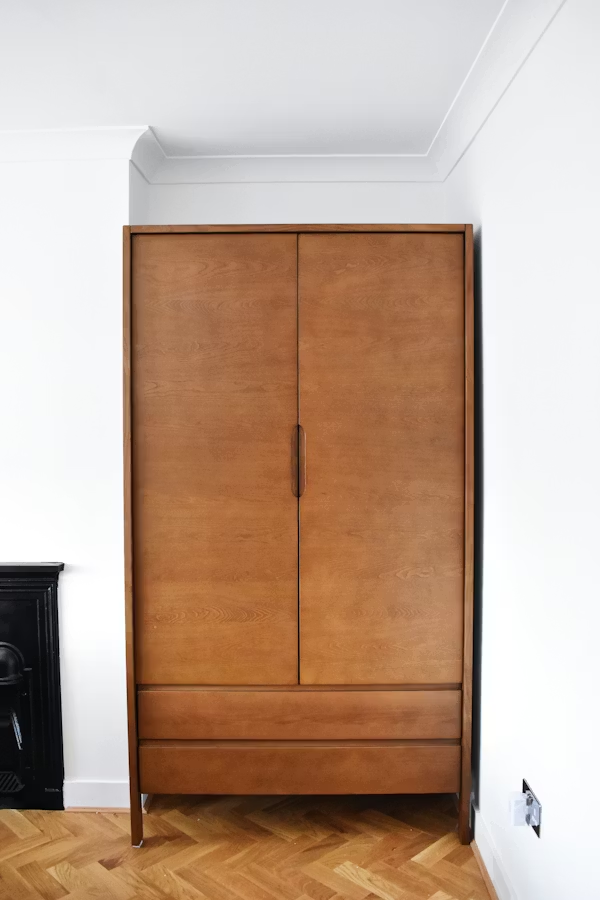
Armoires represent traditional wardrobe ideas offering substantial storage without requiring built-in closets or construction. These tall, freestanding cabinets feature hanging rods, shelves, and often drawers creating complete clothing storage in single furniture pieces—basically portable closets for rooms lacking proper built-ins. Antique armoires bring character and craftsmanship impossible to find in modern furniture, often featuring beautiful wood grain, carved details, and quality construction that’s lasted decades or centuries. Modern versions offer cleaner lines, lighter finishes, and sometimes mirrored doors expanding visual space while serving function.
The enclosed storage hides clothing from view creating tidy, organized room aesthetics even when your wardrobe organization is more aspirational than actual. Armoires work beautifully in bedrooms lacking adequate closet space, guest rooms needing wardrobe storage for visitors, or even living spaces doubling as sleeping areas where exposed clothing racks would look messy. Choose armoires scaled appropriately to your space—too large overwhelms rooms, too small provides insufficient storage defeating the purpose entirely. Your clothes gain proper homes while your room gains furniture piece that’s both functional storage and decorative element worth displaying.
2. Open Clothing Racks for Boutique-Style Display
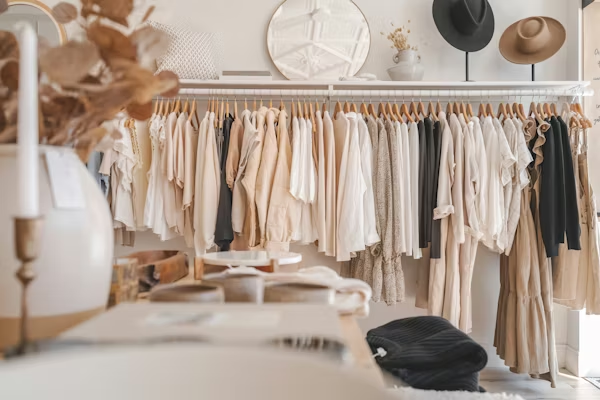
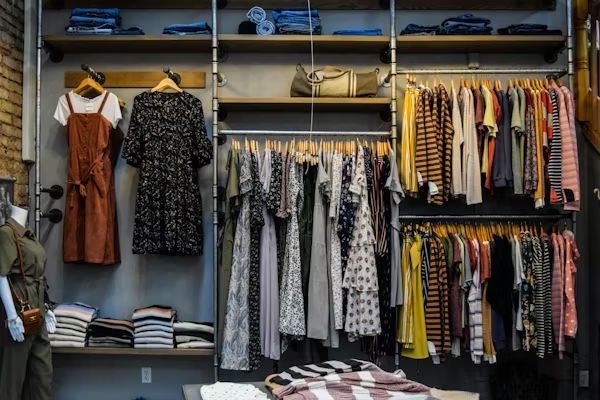
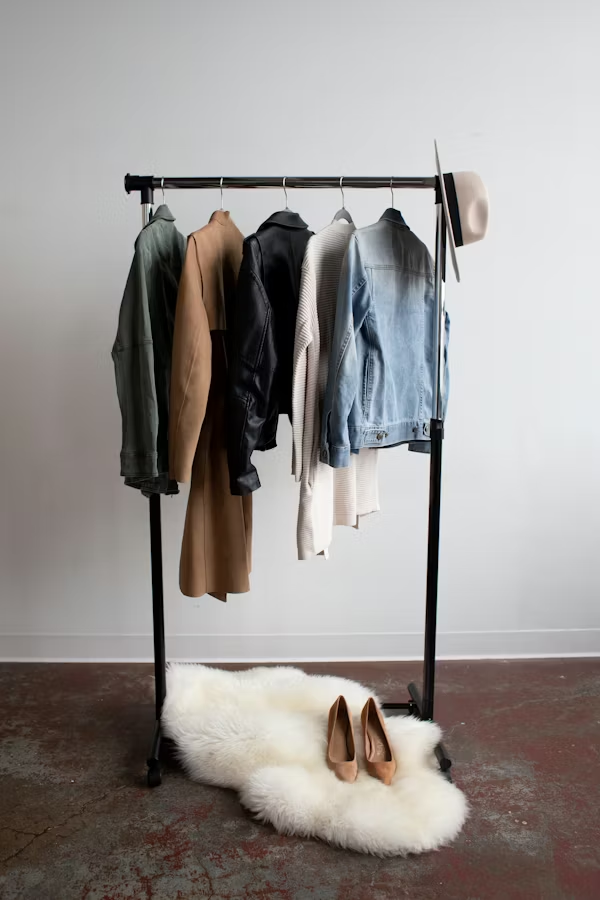
Why hide beautiful clothes when they can be décor? Open racks represent minimal wardrobe ideas perfect for edited collections you’re proud to display. These freestanding metal or wood racks showcase your wardrobe boutique-style, encouraging you to curate what you own rather than accumulating clothes you forget exist. The visibility means you actually wear what you own since everything stays in view rather than buried in dark closet depths where items go to die forgotten. Open racks work particularly well in studio apartments, dressing rooms, or bedrooms with industrial, minimal, or Scandinavian aesthetics where the rack becomes intentional design element rather than eyesore.
Organize clothes by color for rainbow effects that look intentional and stylish, or group by type keeping similar items together for easier outfit building. The downside is dust—exposed clothes collect it enthusiastically, and the visual clutter of displayed wardrobes isn’t everyone’s preference. But for those who love their clothes and maintain curated collections, open racks transform wardrobe storage into room décor serving double duty as furniture and fashion display.
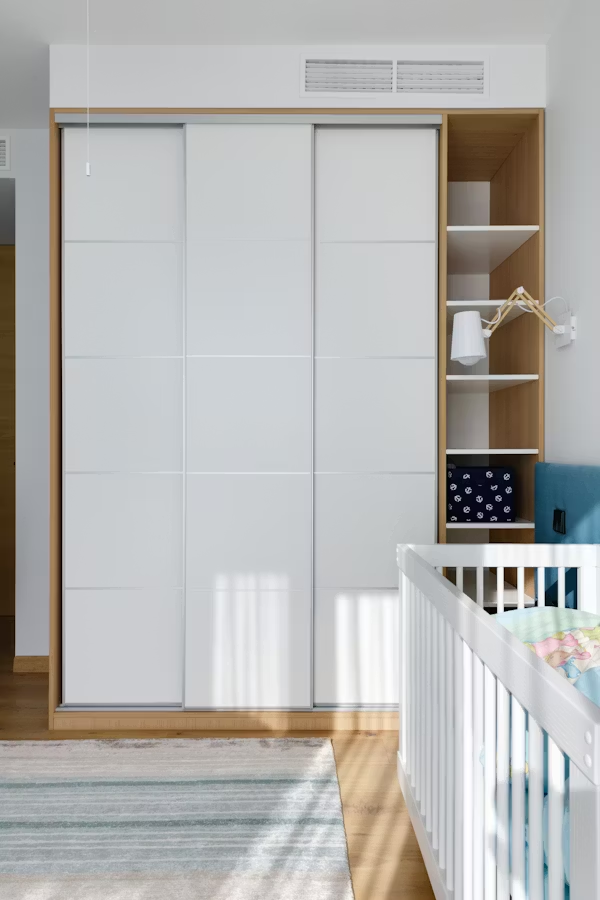
3. Built-In Wardrobes for Custom Fitted Solutions
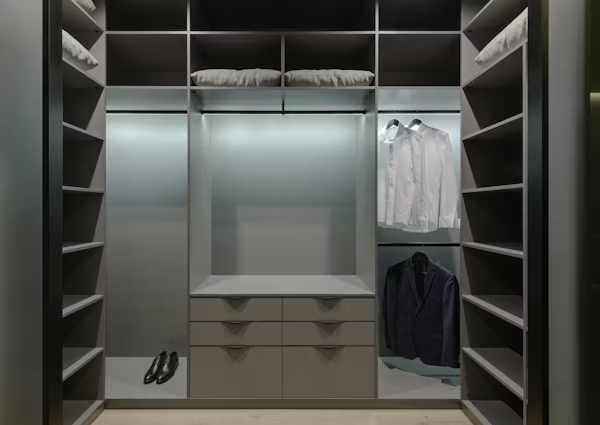
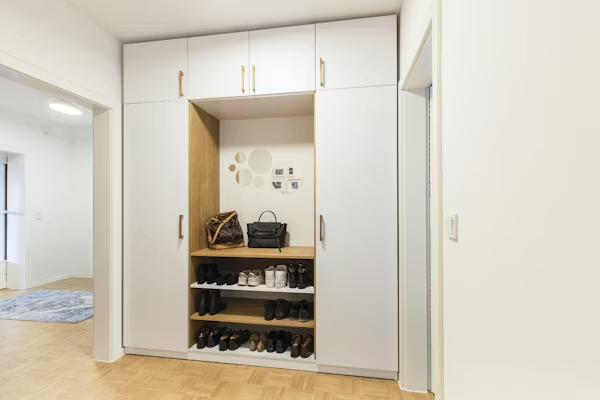
If you’re renovating or building, built-in wardrobes represent permanent wardrobe ideas maximizing every available inch. These custom installations fit perfectly into alcoves, span entire walls, or even wrap around corners utilizing space that freestanding furniture wastes through gaps and odd angles. Built-ins can extend floor-to-ceiling capturing vertical storage potential while incorporating exactly the hanging space, shelving, and drawer configurations your specific wardrobe needs. The custom nature means accommodating your actual clothes—if you own more shoes than dresses, you get more shoe storage than hanging rods rather than generic one-size-fits-all configurations.
Paint or finish built-ins matching your walls for seamless integration making them feel like original architecture rather than added furniture. The investment is significant requiring professional carpentry and permanent commitment, but results add genuine home value while providing superior storage compared to moveable furniture. Your wardrobe gains custom home perfectly suited to your collection, and your room gains clean, built-in aesthetic that freestanding furniture can’t match regardless of quality.
4. Modular Wardrobe Systems for Flexible Configuration
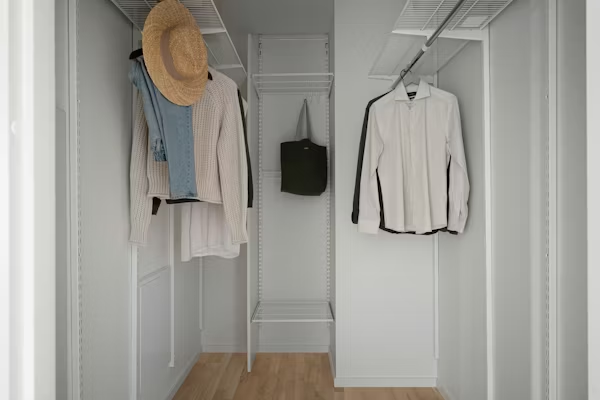
Need wardrobe storage but aren’t ready for permanent built-ins? Modular systems represent adaptable wardrobe ideas offering customization without construction. IKEA’s PAX system, Elfa shelving, and similar modular solutions let you configure storage components matching your specific needs and available space. Start with basic frames adding shelves, hanging rods, drawers, and accessories as your wardrobe and budget evolve. The flexibility means reconfiguring when your clothing needs change—add shoe shelves when your collection grows, incorporate more hanging rods when you acquire more dresses, adjust shelf heights accommodating different items.
Modular systems work in closets obviously, but also function as freestanding wardrobes in bedrooms using finishing panels creating furniture-like appearance. Installation ranges from straightforward DIY for the handy to professional assembly for those whose skills peak at opening the box. The customizable nature combined with reasonable pricing makes modular systems incredibly popular wardrobe ideas for renters and homeowners alike seeking better storage without extreme investment or permanence.
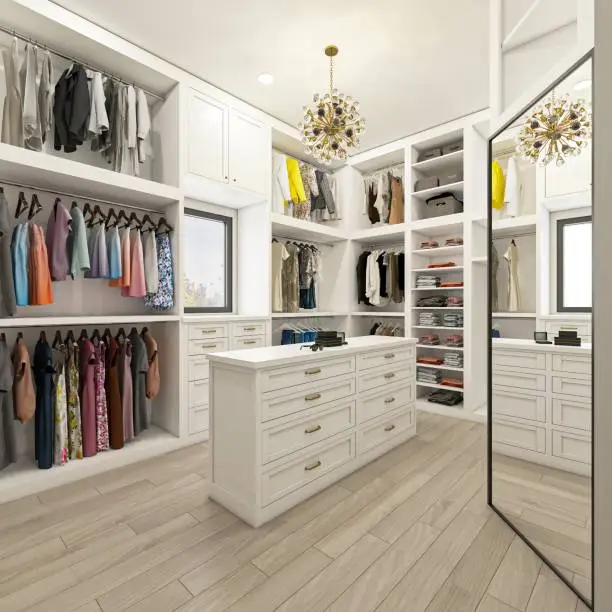
5. Walk-In Closet Conversion for Ultimate Wardrobe Room
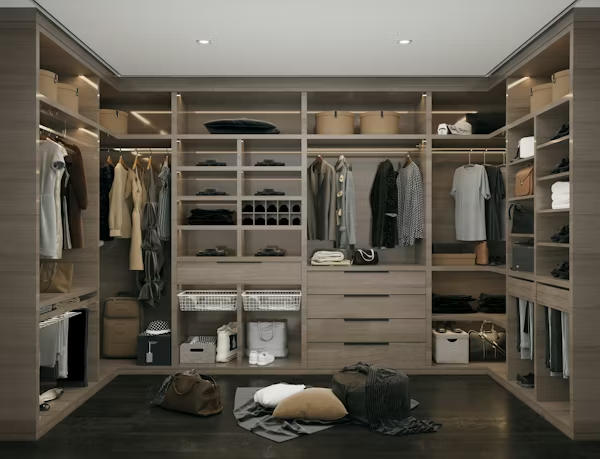
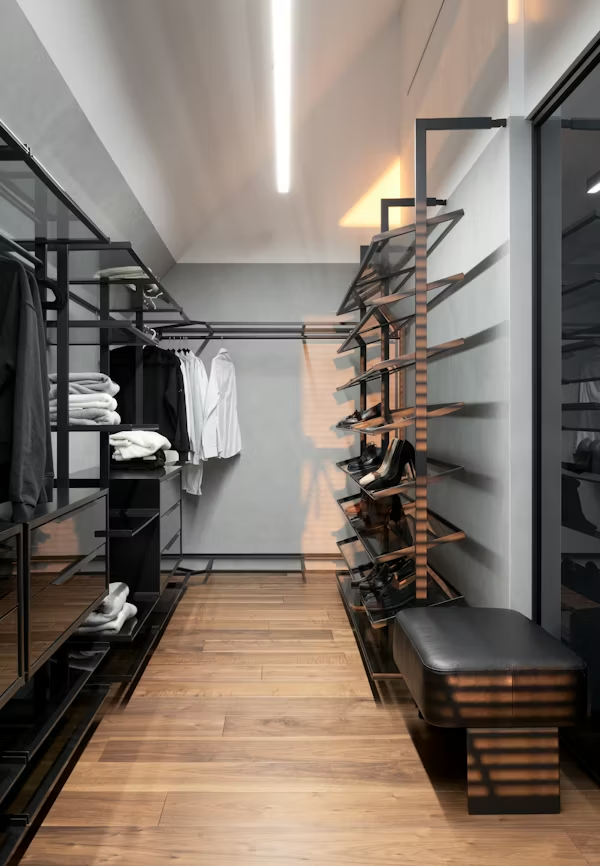
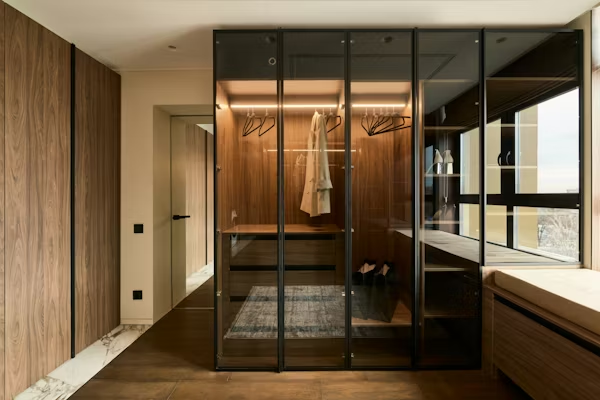
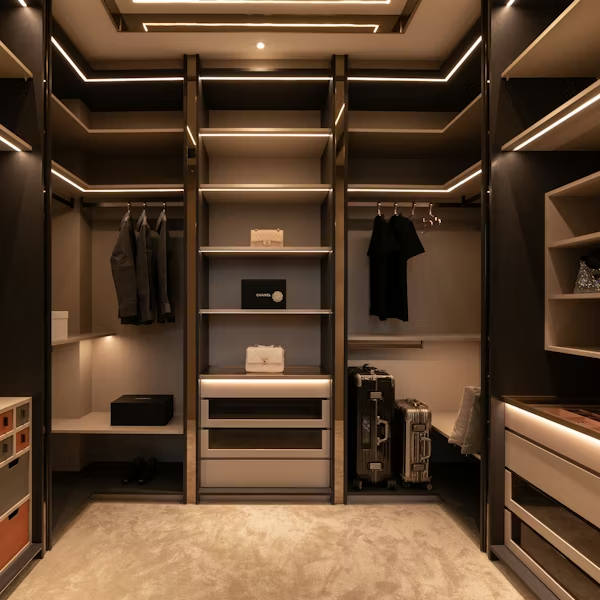
If you have a spare bedroom or large closet, converting it into dedicated walk-in wardrobe represents luxury wardrobe ideas creating dressing room experiences at home. Remove bedroom furniture installing floor-to-ceiling storage systems with abundant hanging space, shelving, and drawer units accommodating your entire wardrobe. Add a comfortable chair or bench for putting on shoes or contemplating outfit choices during those mornings when everything feels wrong. Include a full-length mirror—preferably three-way—for complete outfit assessment from all angles. Install proper lighting so you can actually see colors and details rather than guessing in dim light.
Consider adding a small vanity for accessories and jewelry creating complete dressing suite. The dedicated wardrobe room provides organization, accessibility, and that boutique hotel feeling making getting dressed genuinely pleasant rather than frustrating. This obviously requires spare room making it impractical for many, but for those with space, the wardrobe room transformation creates incredible functionality and luxury supporting your daily routine beautifully.
6. Under-Bed Storage for Hidden Wardrobe Expansion
Running out of traditional wardrobe space? Under-bed storage represents creative wardrobe ideas utilizing typically wasted areas. Rolling storage containers designed specifically for under-bed placement hold folded clothes, shoes, or seasonal items keeping them accessible but out of sight. Bed frames with built-in drawers provide substantial hidden storage without requiring separate furniture. Storage beds with lift-up platforms reveal cavernous spaces beneath mattresses accommodating significant wardrobe overflow.
This works particularly well for seasonal rotation—store winter coats under the bed during summer, swap for sandals and shorts come fall. The hidden nature keeps bedrooms looking clean and organized even when you’re storing substantial clothing quantities beneath your sleeping surface. Just ensure containers are low-profile actually fitting under your specific bed frame, and consider clear-topped versions letting you see contents without pulling everything out playing guessing games. Your bedroom gains hidden wardrobe capacity without visible furniture cluttering floor space or competing with existing décor.
Corners are often dead zones where furniture doesn’t quite fit and space goes wasted. Corner-specific wardrobes represent smart wardrobe ideas capturing typically unused areas. L-shaped wardrobe configurations wrap around corners providing substantial storage in footprints that don’t work for standard furniture. Diagonal corner units fit snugly into 90-degree angles offering hanging and shelving without awkward gaps. These specialized pieces maximize every available inch in rooms with challenging layouts or limited wall space.
Corner wardrobes work beautifully in small bedrooms where standard furniture placement blocks windows or doors, or in oddly-shaped rooms where corners are the only viable furniture locations. The specialized shapes mean limited options requiring careful measurement ensuring pieces actually fit your specific corner dimensions. But when they work, corner wardrobes transform problematic spaces into functional storage earning its keep rather than being wasted square footage collecting dust and maybe one forgotten sock.
8. Capsule Wardrobe Storage for Minimalist Living
If you’re committed to capsule wardrobes or minimal living, edited storage represents intentional wardrobe ideas supporting curated collections. Choose streamlined wardrobes accommodating smaller clothing quantities without excess space encouraging accumulation beyond your carefully edited selection. Simple clothing racks holding just one season’s worth of clothes, compact armoires with minimal hanging and shelf space, or small modular systems with exactly what you need and nothing extra. The limited storage capacity enforces discipline—when wardrobe is full, something must leave before anything new enters.
This approach requires genuine commitment to minimal living and regular editing ensuring you maintain curated collections rather than just cramming clothes into insufficient space creating different organizational problem. For dedicated minimalists, the limited wardrobe storage supports intentional living preventing accumulation and encouraging thoughtful consumption. Your wardrobe contains only what you actually wear regularly, and your storage system reflects and supports that edited lifestyle rather than enabling endless expansion.
9. Wardrobe with Integrated Vanity for Complete Dressing Station
Combining wardrobe storage with vanity creates multifunctional wardrobe ideas serving complete morning routines. Wardrobe systems incorporating built-in vanities with mirrors, lighting, and surface space for cosmetics let you dress and groom in single locations rather than shuttling between bedroom and bathroom. Add a comfortable stool or chair making the vanity actually usable for extended grooming sessions rather than just somewhere you stand awkwardly. Include drawer organizers for cosmetics, jewelry, and accessories keeping everything accessible and organized.
The integration creates efficient dressing stations particularly valuable in homes where bathroom access is shared or limited. You can completely prepare for your day in one location without competing for mirror time or spreading your routine across multiple rooms. This requires adequate space accommodating both wardrobe and vanity components without creating cramped, unusable configurations. But when space permits, the combined dressing station offers convenience and efficiency making morning routines smoother and more pleasant.
10. Wardrobe Closet with Mirrored Doors for Space Expansion
Mirrors make small spaces feel larger making mirrored wardrobe doors brilliant wardrobe ideas for compact bedrooms. Full-length mirrored doors on armoires, built-ins, or freestanding wardrobes serve dual purposes—concealing clothing storage while providing necessary mirrors for outfit checks. The reflective surfaces visually double room size through reflection, making bedrooms feel more spacious than actual square footage suggests. Mirrored doors eliminate need for separate floor or wall mirrors, saving space and money while maintaining functionality.
The continuous mirror surface creates sleeker, more cohesive appearance than smaller mirrors scattered around rooms. Just ensure mirrors are properly secured—wardrobe doors open and close frequently, and loose mirrors are safety hazards. Keep mirrors clean because streaky, fingerprinted surfaces undermine the space-expanding benefits you installed them for originally. Your wardrobe becomes both clothing storage and room-expanding element serving multiple purposes through single piece of furniture.
11. Multi-Functional Wardrobe with Workspace Integration
Small spaces require furniture working harder, making combined wardrobes with integrated desks innovative wardrobe ideas for studios or multipurpose rooms. These hybrid pieces feature wardrobe storage on one side and fold-down desks, shelving, or workspace on the other creating complete bedroom-office combinations in minimal footprints. The integration is particularly valuable in studio apartments, small bedrooms doubling as home offices, or guest rooms serving multiple functions.
Choose designs where each element is genuinely functional rather than compromised—adequate hanging space and proper desk dimensions rather than both being too small serving neither purpose well. The combined furniture saves floor space, reduces furniture quantity cluttering small rooms, and creates cohesive, intentional aesthetics. Your wardrobe accommodates both professional and personal needs in single furniture piece, which is basically the holy grail of small-space living where everything must earn its place through multiple functions.
Choosing the Right Wardrobe Ideas for Your Space
Before implementing wardrobe ideas, assess your specific situation honestly. Measure available space accounting for door swings, walking clearances, and furniture placement ensuring chosen wardrobes actually fit without creating cramped, unusable rooms. Inventory your clothing understanding what storage types you need—hanging versus folded, shoe storage quantity, accessory organization requirements. Consider your living situation—renters need portable solutions while homeowners can invest in built-ins.
Evaluate your budget realistically including delivery, assembly, and potential professional installation costs. Think about your actual organizational habits—elaborate systems requiring maintenance you won’t do are pointless regardless of how attractive they appear in catalogues. Your ideal wardrobe solution balances your specific wardrobe, available space, budget constraints, and realistic maintenance capacity creating storage you’ll actually use successfully.
Wardrobe ideas span quality levels from affordable particle board to investment-grade solid wood, and choosing appropriate quality matters for longevity and satisfaction. Budget furniture serves temporary needs but typically fails within years requiring replacement. Mid-range options offer decent quality and reasonable longevity for moderate investment.
Premium wardrobes provide superior construction, materials, and finish quality lasting decades justifying higher initial costs through extended lifespan. Consider your timeline—staying short-term suggests budget-friendly acceptable, while long-term residence justifies quality investment. Evaluate construction examining joints, hardware, finish quality, and overall sturdiness before purchasing. Sometimes spending moderately more initially prevents replacing cheap furniture repeatedly, making better quality more economical long-term despite higher upfront costs.
Maintaining Your Wardrobe Organization
Even perfect wardrobe ideas fail without maintenance preserving organizational systems. Implement regular habits like returning clothes to proper spots immediately rather than creating chair pile situations. Conduct seasonal purges removing unworn items preventing overcrowding. Use consistent hanger types maintaining visual cohesion and maximizing space efficiency.
Organize systematically by category, color, or frequency of use—choose whatever system your brain understands maintaining long-term. Avoid overstuffing—packed wardrobes wrinkle clothes and make finding items frustrating. The most brilliant wardrobe ideas become worthless if you don’t maintain them through consistent habits supporting your systems.
Your Organized Wardrobe Transformation
The right wardrobe ideas transform clothing chaos into organized systems you actually use daily. Whether you choose classic armoires, modern modular systems, open racks, or custom built-ins, thoughtful wardrobe storage makes getting dressed easier and more pleasant. Your clothes deserve proper homes, and you deserve mornings without frustrated outfit searches through unorganized piles.
Start with wardrobe ideas addressing your biggest frustrations—inadequate hanging space, no drawer storage, or general chaos—then build from there as budget and space allow. Stop accepting clothing disorganization just because you haven’t prioritized solving it. Implement these wardrobe ideas and finally reclaim that chair for actual sitting. Your organized wardrobe awaits—time to make it happen.