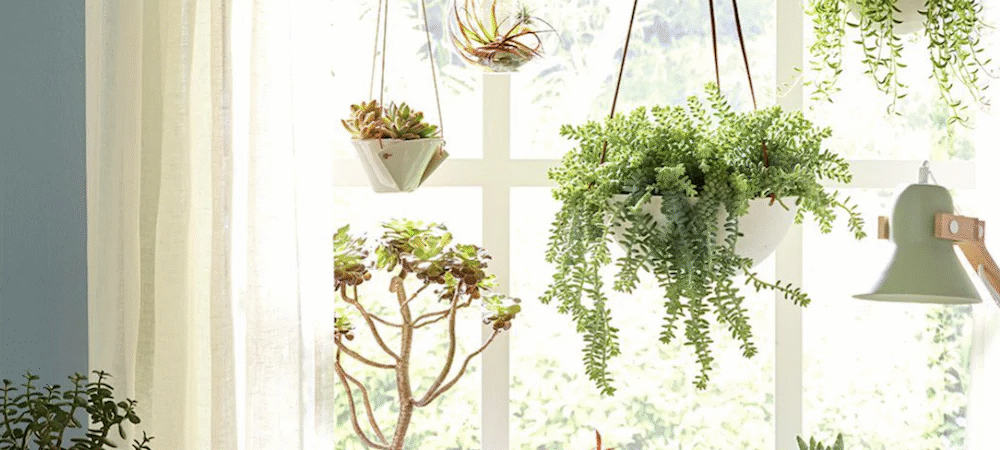
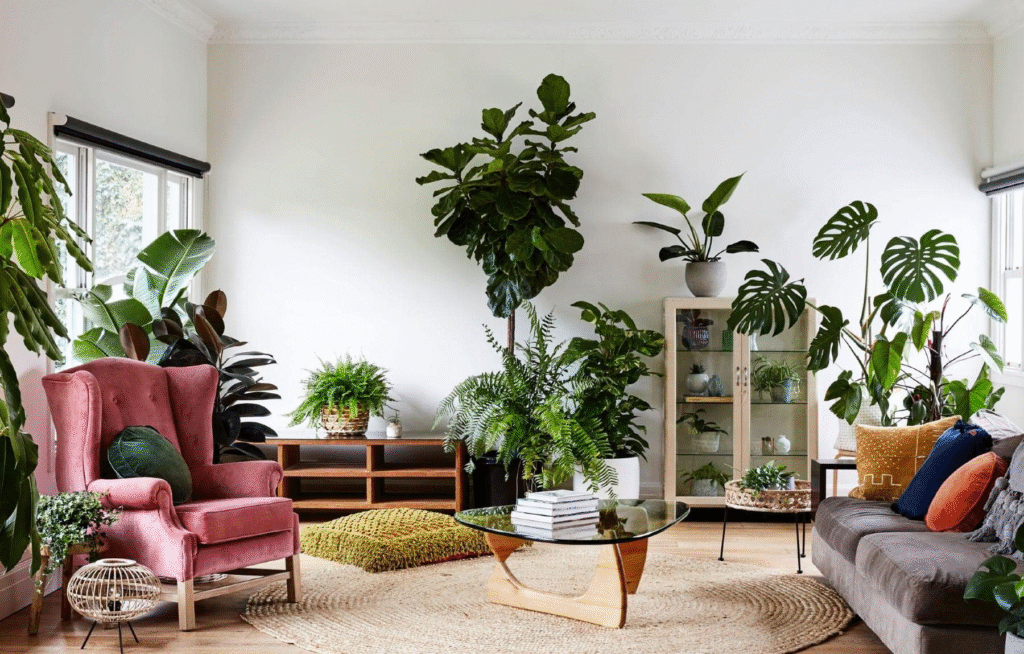
Incorporating hanging planters into your home decor not only brings a touch of whimsy but also maximizes vertical space while enhancing the aesthetic appeal of your surroundings. Available in a variety of materials, such as macrame, metal, and ceramic, these planters offer an engaging way to display greenery, allowing you to cultivate a vibrant atmosphere in your living space.
Macrame hanging planters add a bohemian flair and can be creatively designed to suit various styles. The intricate knots and patterns not only provide a functional holder for your favorite plants but also serve as a decorative element. Utilizing lightweight materials, macrame planters can be hung in corners or near windows, where they can catch natural light to promote plant growth.
On the other hand, metal hanging planters contribute a modern touch to your home. Available in sleek designs, they can either be hung individually or in groups to create an eye-catching display. These planters are often durable and can easily support a wider range of plant sizes, from small succulents to cascading pothos. Consider positioning them in kitchens or dining areas, where they can bring life to the space and act as a functional piece of art.
Ceramic hanging planters provide an elegant aesthetic, often featuring intricate designs or vibrant colors. They can serve as focal points in a room while allowing the plants to thrive, especially when hung in well-lit areas. Hanging these planters in bathrooms can enhance the ambiance and improve humidity for tropical plants, creating a mini indoor oasis.
In conclusion, hanging planters serve as a stylish and functional addition to any home. By selecting the right materials and placements, you can elevate your indoor garden while adding character to your decor.
Floating shelves have gained popularity as an innovative and stylish way to display plants in homes. These shelves not only serve as functional storage solutions but also create an eye-catching focal point in any room. With their minimalist design, floating shelves can easily enhance the overall decor while providing a unique platform for showcasing various plant species.
One of the most appealing aspects of floating shelves is the wide variety of materials and designs available. Solid wood, metal, and glass are common choices, each offering different aesthetics and durability. For instance, natural wood shelves can introduce warmth to a space, while sleek metal options can contribute to a contemporary, industrial look. Glass shelves provide a modern elegance and are perfect for highlighting the beauty of your plants without obstructing visibility.
Customization is another advantage of floating shelves. Homeowners can choose the height and spacing between shelves, allowing them to tailor the arrangement according to the room and specific plants. This flexibility makes it easy to integrate these shelves into existing decor, whether it’s bohemian, rustic, or modern chic. To create an appealing arrangement, consider incorporating a mix of plant types such as trailing vines like pothos, small succulents, or ferns, which thrive in varying light conditions.
When displaying plants on floating shelves, it’s essential to consider factors such as sunlight exposure and watering needs. Placing plants that require similar conditions together is advisable for optimal growth. Furthermore, using decorative pots that complement the shelf material can enhance the overall look. For example, ceramic pots or terracotta planters can add texture and color, making the plants stand out. Ultimately, floating shelves offer an opportunity to enjoy the beauty of greenery while making a stylish statement in your home.
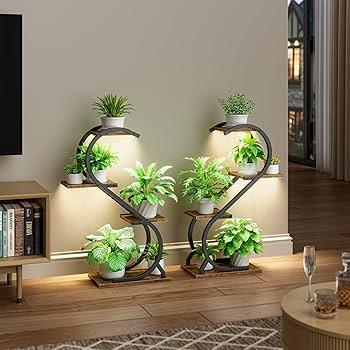
Plant stands serve as a versatile and functional solution for displaying plants in your home, providing both practical benefits and aesthetic appeal. By elevating greenery, they enhance visibility and create a focal point, allowing the natural beauty of plants to shine. Available in various styles, from mid-century modern to rustic designs, plant stands can complement diverse interior decors while showcasing your beloved greenery.
One of the notable benefits of using plant stands is their ability to raise plants off the floor or furniture surfaces, which can be particularly advantageous in smaller spaces. Elevation not only prevents damage to surfaces but also promotes air circulation around plants, contributing to their health. Moreover, height variations among multiple stands can create an engaging display, adding dimension and interest to your space. For instance, placing taller plants on stands can juxtapose them against shorter plants, engaging the eye and guiding attention within the room.
When selecting a plant stand, size matters significantly. Consider the height of your plants and the location of your stand; a well-chosen height will allow each plant to receive adequate sunlight while maintaining a harmonious balance within the room. Pairing plants of different sizes with appropriately proportioned stands can yield a stunning visual impact. Additionally, the material and finish of the stand should complement existing decor, enhancing cohesion throughout the environment. From sleek metal designs to warm wooden options, the right choice can seamlessly integrate your plant display into your home decor.
By incorporating plant stands into your interior design, you can create an attractive environment that highlights your passion for botany while enhancing the overall ambiance of your living space.
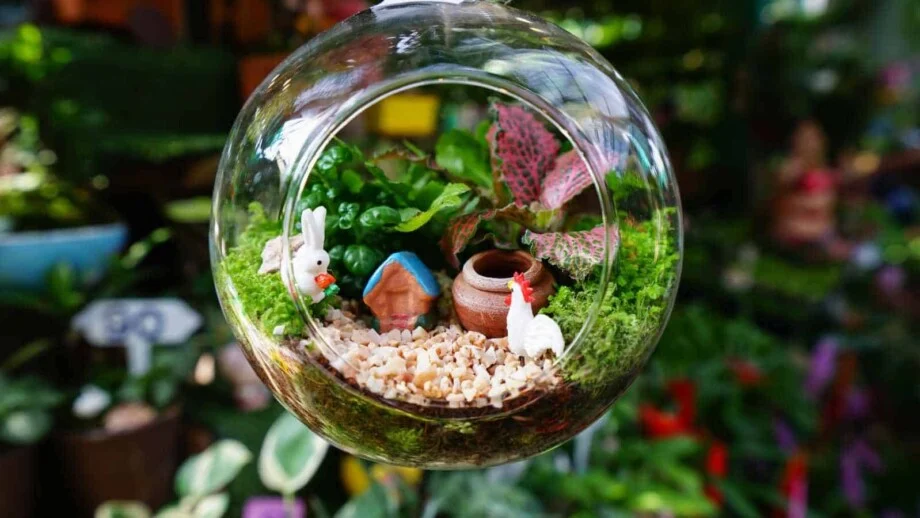
Terrariums are a captivating and trendy way to display plants that can elevate the ambiance of any indoor space. Defined as miniature gardens enclosed in glass containers, terrariums offer a unique way to showcase a variety of plants while creating a self-sustaining ecosystem. These enclosed environments not only protect delicate plants from pests but also maintain humidity, which is crucial for their growth.
There are several types of terrariums to consider, each catering to different aesthetics and plant requirements. Open terrariums, which are suitable for plants that thrive in drier conditions such as succulents and cacti, provide better air circulation and make maintenance easier. Conversely, closed terrariums create a humid environment perfect for tropical plants like ferns and mosses. When designing a terrarium, the choice of container can significantly impact its overall look. Options range from simple glass jars to intricately designed vessels that can serve as striking decor pieces.
Selecting the right plants for your terrarium is vital for ensuring its longevity and health. It is advisable to choose plants with similar moisture and light requirements to promote their growth. Some popular choices include small ferns, air plants, and miniature bromeliads, which can add diverse textures and colors to your miniature garden. Additionally, incorporating decorative elements such as pebbles, figurines, or driftwood can enhance the terrarium’s visual appeal, making it a delightful conversation starter.
Terrariums can find a place in various settings, from living rooms and offices to children’s rooms, providing a touch of greenery without needing extensive care. They not only beautify an environment but also contribute to improved air quality, making them an excellent addition to any home decor.
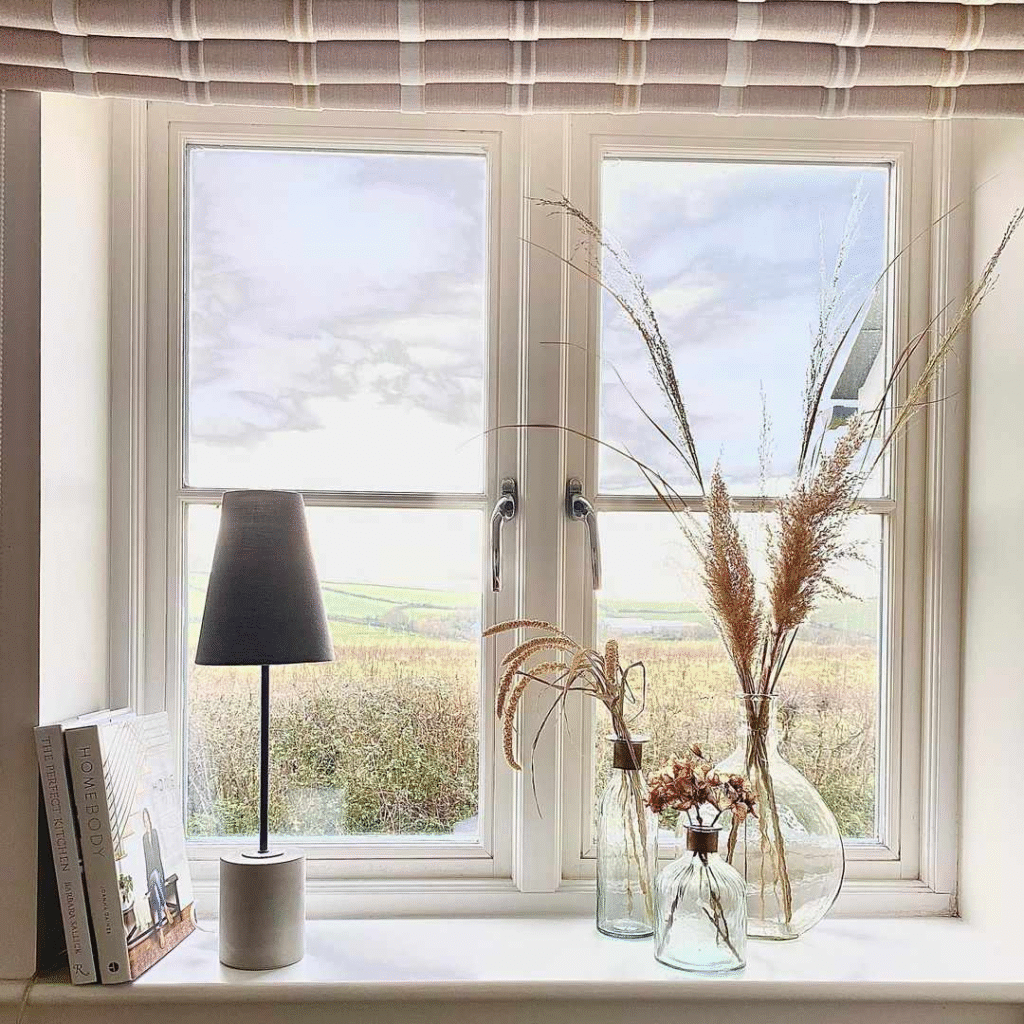
Window sills serve as one of the most advantageous places in a home to showcase plants, providing natural brightness that is essential for their growth and vitality. Sunlight is a crucial element for plant health, facilitating photosynthesis and contributing to vibrant foliage and blooming flowers. When selecting plants for window sills, it is important to consider those that thrive in the conditions available, particularly the amount of direct sunlight and temperature fluctuations that may occur throughout the day.
Some of the best plants for window sills include succulents, small herbs, and flowering plants. Succulents, such as Echeveria and Aloe Vera, not only require minimal watering but also absorb sunlight effectively, making them perfect for bright spots. Herbs like basil and mint can also thrive in window sills, offering fresh ingredients for culinary use. Additionally, flowering plants such as African violets or geraniums can add color and charm to the space.
When arranging plants on window sills, design plays a key role in creating an aesthetically pleasing display. Mixing and matching different pot styles—ceramic, terracotta, or modern metallic—can bring diversity and character to your arrangement. Choose pots in complementary or contrasting colors to enhance the visual impact. Grouping plants with varying heights and leaf shapes can create depth and interest in the arrangement, allowing each plant to shine in its own right.
Moreover, consider the levels of light that different plants require, positioning low-light plants behind those that thrive in direct sunlight. This tiered effect not only maximizes the use of available light but also creates a lush and inviting window display. By thoughtfully selecting the right plants and pots, window sills can become a captivating nature-inspired showcase that brings life and vibrancy into any room.
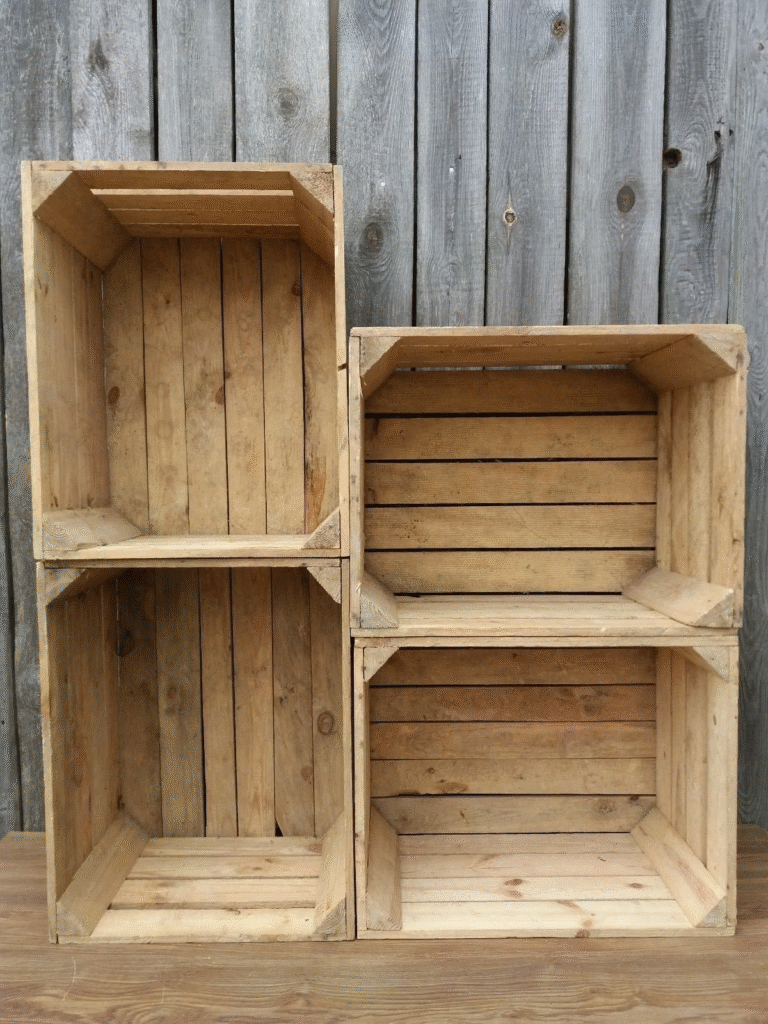
Wooden crates and boxes embody a rustic charm, providing a captivating way to display plants while enhancing the overall aesthetic of your home. These versatile pieces of decor can effortlessly blend into various interior styles, from farmhouse to industrial, offering both functionality and visual appeal. When thoughtfully arranged, they create a warm and inviting atmosphere that can transform any room.
One popular method to utilize rustic crates is by stacking them in your living area. This arrangement not only serves as a creative plant stand but also allows you to exhibit multiple plants at varying heights, which adds depth to your display. Choose a mix of trailing plants, such as pothos or string of hearts, along with taller plants like snake plants or peace lilies to create a visually striking arrangement. By varying the sizes and types of plants, you can achieve a dynamic and eye-catching focal point in any room.
In kitchens, wooden boxes can be employed for herbs, transforming your culinary space into a charming garden. Placing boxes on windowsills or countertops ensures your herbs are easily accessible while receiving the natural light they need to thrive. Consider using labels or chalkboard paint to identify each herb, adding a personalized touch to your home decor.
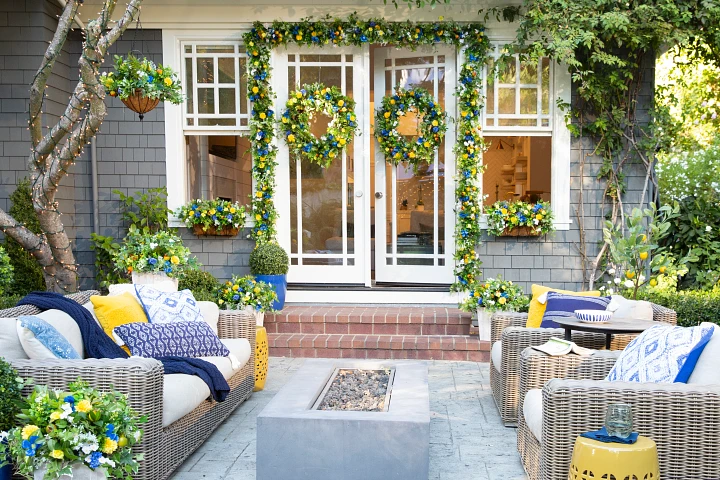
For outdoor areas, such as patios, rustic crates can be arranged to form a delightful plant display. Lay the boxes flat and fill them with an assortment of colorful flowers or succulents to craft a vibrant potting station. Additionally, crates can be used as side tables to hold drinks or snacks, providing practicality alongside aesthetics.
Incorporating rustic crates and boxes into your home decor not only highlights your plant collection but also enhances the cozy ambiance of your space, making it a perfect choice for plant enthusiasts and interior decorators alike.
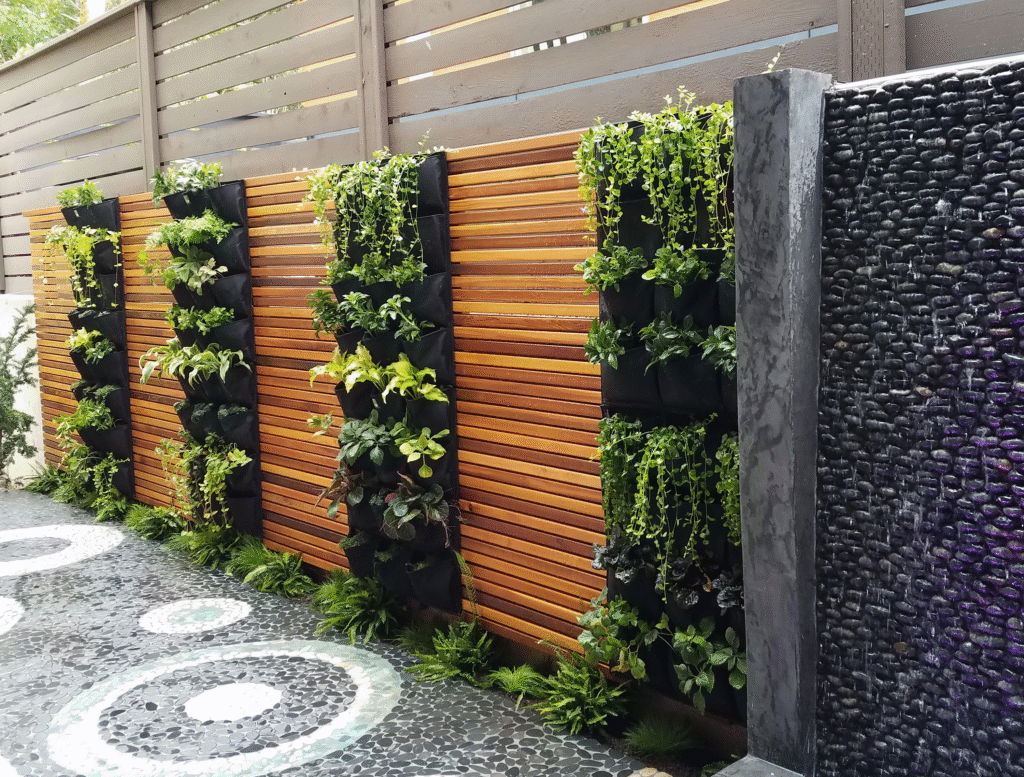
Wall planters are rapidly emerging as a popular solution for urban dwellers seeking to incorporate greenery into limited living spaces. These innovative designs not only enliven plain walls but also serve as functional decor that promotes sustainability. With a variety of styles, wall planters can be tailored to suit any aesthetic, making them an appealing choice for homeowners and renters alike.
One prominent category of wall planters includes pocket planters, which are often made from fabric or felt materials. These planters typically feature multiple pockets to hold small potted plants or herbs, offering the perfect opportunity to create an eye-catching vertical garden. By selecting plants that thrive in limited sunlight, such as ferns or succulents, you can ensure your wall planter remains vibrant and healthy throughout the seasons.
Another popular option is the rigid vertical garden systems, which consist of containers mounted on a frame. These systems provide a more structured approach to greenery and can accommodate larger and heavier plants. They often include a built-in irrigation system, simplifying maintenance and ensuring that plants receive consistent hydration. When utilizing these systems, consider mixing various textures and colors to create a dynamic and visually appealing living wall.
In addition to aesthetics, wall planters offer numerous benefits, particularly in urban settings where space is often at a premium. By using vertical space effectively, they allow you to maximize the number of plants you can showcase without sacrificing floor space. This approach not only enhances the visual appeal of your home but also contributes to improved air quality and reduced stress levels, making it a win-win for city dwellers.
Ultimately, wall planters are a versatile and stylish addition to any home, allowing individuals to bring a touch of nature into their living environments while adhering to space limitations. Incorporating these unique arrangements into your interior design can yield significant benefits, both aesthetically and environmentally.
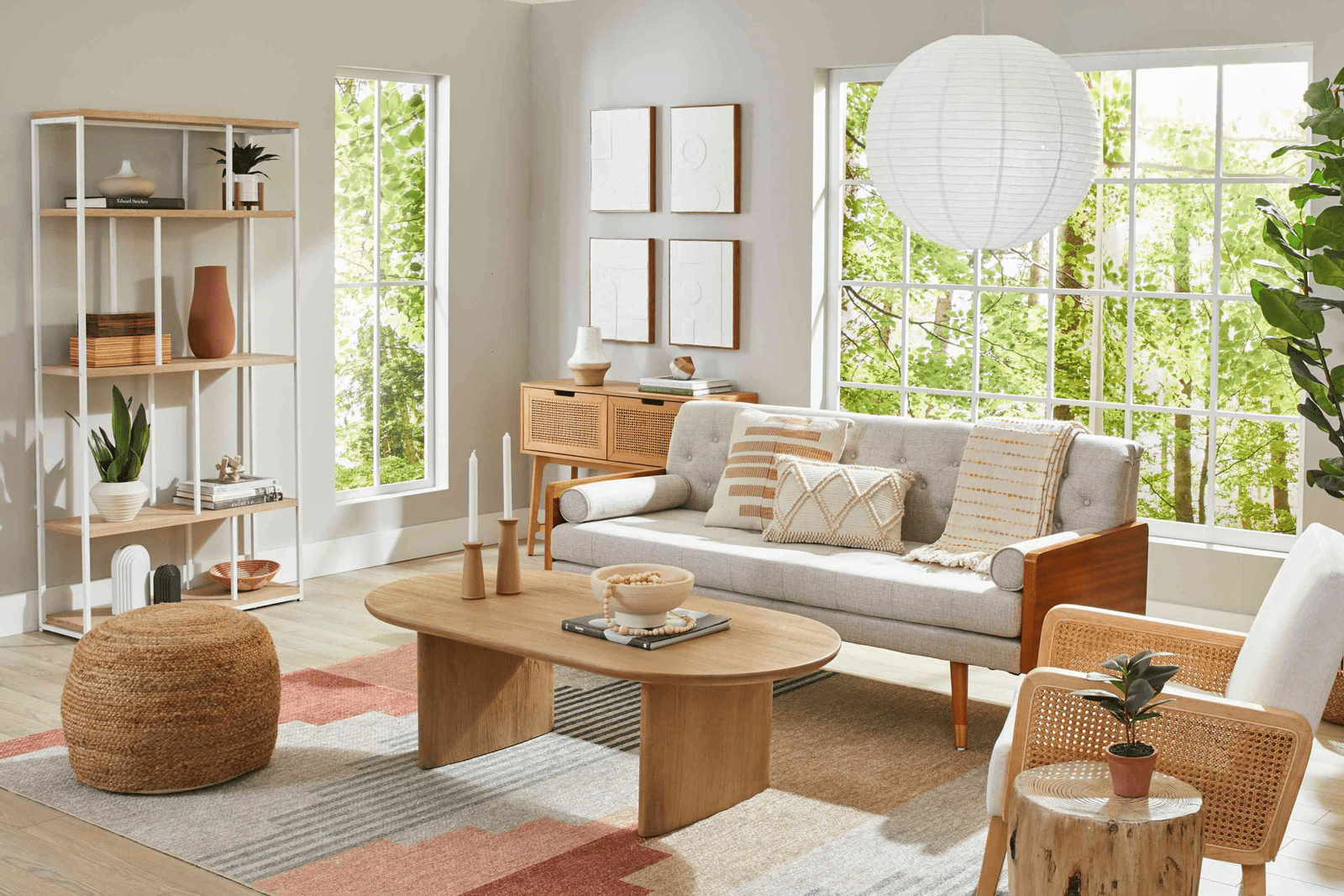
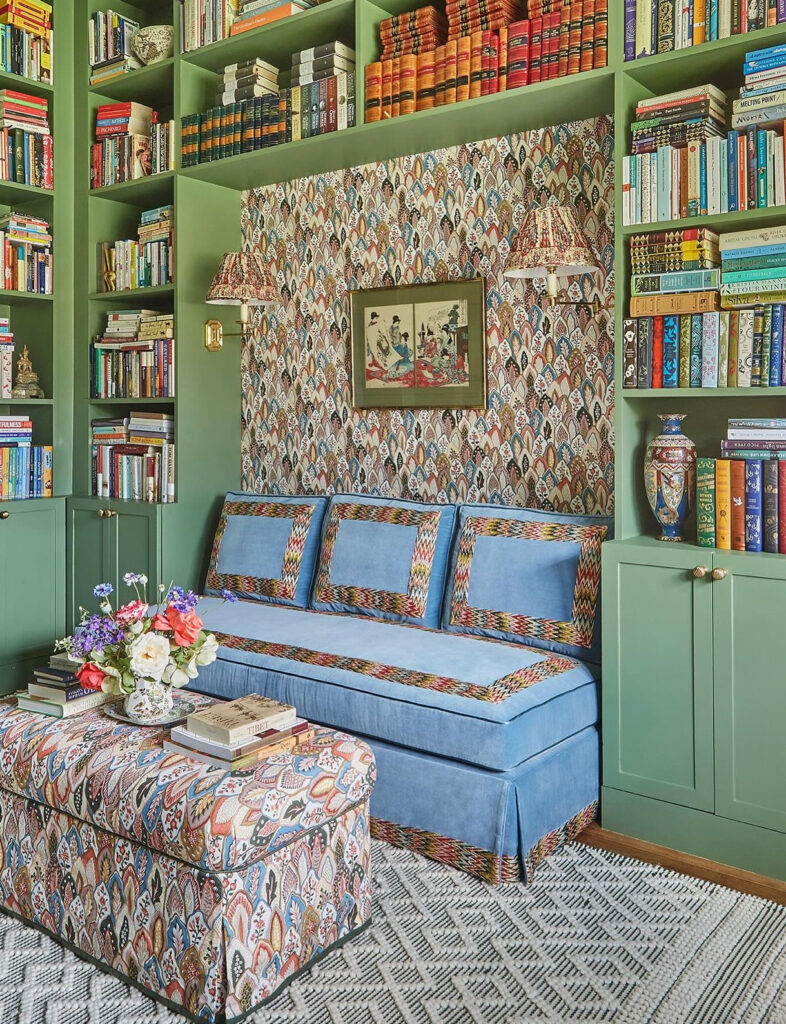
One of the most versatile and aesthetically pleasing methods to incorporate greenery into your home is through the use of bookshelves. Not only do plants add a touch of nature, but they also breathe life into your literary collection. The juxtaposition of books and plants can create an inviting atmosphere, making it an appealing focal point within any room. To achieve a balanced and lively arrangement, consider positioning plants among your favorite novels, cherished photographs, and eye-catching decorative items.
When selecting plants for bookshelf integration, it is essential to consider their light requirements, as many bookshelves are located in lower light conditions. Plants that thrive in such environments include varieties like the Pothos, Snake Plant, and ZZ Plant. These resilient options not only tolerate shade but also help purify the air, making them both practical and stylish additions to your bookshelf.
Incorporating plants into your bookshelf does not merely serve an aesthetic purpose; it encourages creativity in layout and design. You might consider placing small pots of greenery on the upper shelves or even tucking trailing plants like Ivy or String of Hearts among the books, allowing their tendrils to cascade gracefully down the sides. Another possibility is to integrate larger statement plants that can stand beside a stack of books or other decorative pieces. This arrangement creates visual interest and brings a sense of vitality to the space.
Additionally, grouping plants with similar colors or textures can foster a cohesive look. Experimenting with various plant heights and sizes will not only enhance visual appeal but also provide depth to the bookshelf setup. With thoughtful placement and careful selection of plants, your bookshelf can become a lively ecosystem, celebrating both literature and nature within your home.
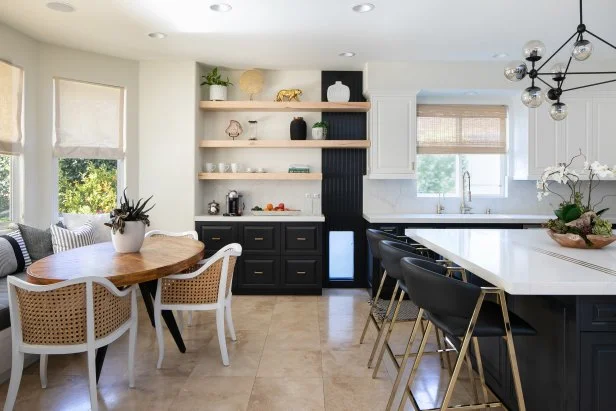
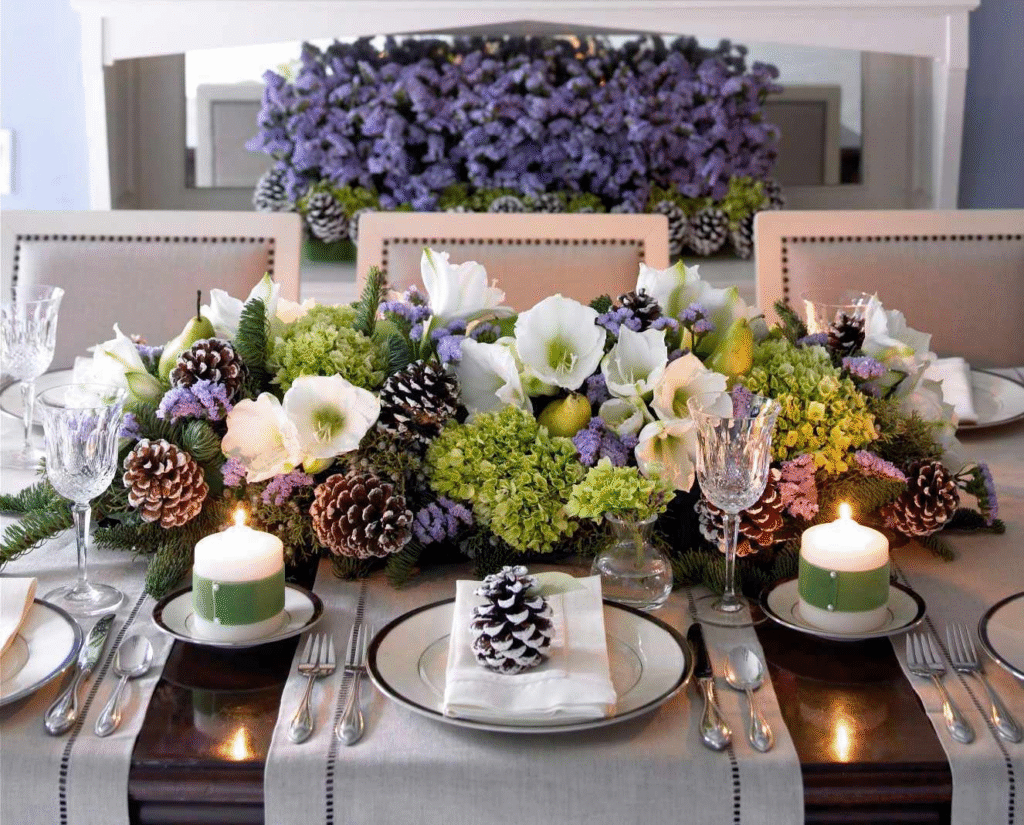
Incorporating plants as centerpieces in your home can transform ordinary dining and coffee tables into stunning focal points. When selecting plants for this purpose, consider the impact of color, size, and arrangement on the overall aesthetics of your room. Utilizing vibrant green foliage or colorful flowering plants can significantly enhance the visual appeal of your space. For instance, a cascading pothos can create an inviting atmosphere, while a bold, flowering hibiscus brings a burst of color that commands attention.
The size of the plants you choose should correlate with the scale of the table. A large dining table may benefit from a tall, statement plant, such as a fiddle leaf fig, which can draw the eye upward, while smaller tables, like coffee tables, can incorporate low-profile plants nestled in attractive planters. In such cases, small succulents or terrariums create delightful displays without overcrowding the table. Arranging plants in clusters can enhance the overall effect, allowing for varied heights and textures that stimulate visual interest.
Seasonal centerpieces also provide an excellent opportunity to refresh your decor and keep your space feeling new. For example, during the fall, consider using orange and yellow marigolds, while spring might welcome pastel-colored flowers like tulips or daffodils. Additionally, rotating plants seasonally not only maintains a fresh look but also promotes their health and longevity. Ensure that the plants you choose are compatible with the lighting conditions of your space; for example, succulents thrive in bright light, while ferns might prefer shadier areas.
By thoughtfully selecting and arranging plants as centerpieces, you can elevate your home’s decor significantly, making each gathering or quiet moment reflect the beauty of nature indoors.
In the realm of indoor gardening, decorative pots play a pivotal role in merging aesthetics with functionality. These pots are not merely containers for plants; they serve as an extension of your home décor, enhancing the overall ambiance of any room. The vast variety of styles, materials, and colors available in decorative pots allows you to express your personality and taste while creating a harmonious environment for your plants.
When selecting decorative pots, one should consider the materials used. Terracotta pots are a classic choice due to their natural look and breathable qualities, making them ideal for plants that prefer drier conditions. On the other hand, ceramic pots elevate the aesthetic appeal with their vibrant glazes and intricate designs, offering a more polished appearance. For a modern twist, materials such as concrete or metal can provide an industrial vibe, seamlessly blending with contemporary décor.
Color also plays a significant role in the selection of decorative pots. Neutral tones like white, gray, and beige can create a minimalist look, allowing the greenery to take center stage. Conversely, bold colors such as deep blues, vibrant reds, or sunny yellows can add a pop of color to your space, making the plants the focal point. Textured or patterned pots can further enhance visual interest and provide an additional layer of depth to your interior design.
To find unique decorative pots that align with your personal style, consider exploring local boutiques or online marketplaces. These platforms often feature artisanal creations and one-of-a-kind designs that can serve as conversation starters in your home. It is crucial to choose pots that not only accommodate the specific needs of your plants but also complement your existing décor, ultimately tying the entire aesthetic together.
This post may contain affiliate links, which means we may earn a small commission if you purchase through them—at no extra cost to you. Hopefully we can help you find something that helps you.