
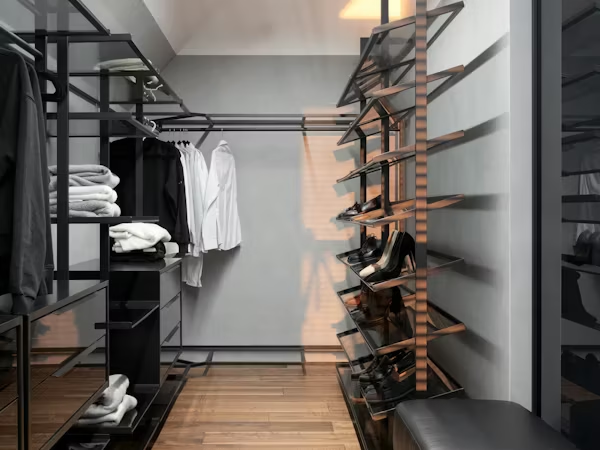
Let’s be honest about dressing rooms: they’re the stuff of Pinterest dreams and celebrity home tours, spaces most of us assume are completely out of reach unless we win the lottery or marry someone with a trust fund. You’re probably getting dressed in your bedroom with clothes draped over “the chair,” shoes scattered across the floor, and accessories living in a tangled drawer that sparks zero joy. But here’s the secret—dressing rooms aren’t just for mansions and the one percent.
These dressing room ideas prove that with creative thinking and strategic planning, you can create dedicated dressing spaces that make your daily routine feel luxurious rather than chaotic, regardless of your square footage or budget. Whether you’re converting a spare bedroom, claiming a large closet, or carving out a corner of your master suite, these ideas will help you design a dressing room that’s both beautiful and genuinely functional. Time to make getting dressed feel like the elevated experience it should be rather than a frustrating scavenger hunt through piles of clothes.
1. Convert a Spare Bedroom into a Full Dressing Suite
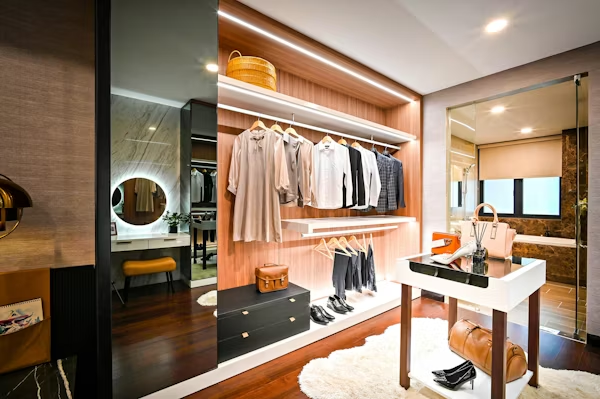
If you’re fortunate enough to have an extra bedroom, converting it represents the ultimate in dressing room ideas for creating spacious, luxurious spaces. Remove the bed and traditional bedroom furniture, then install floor-to-ceiling storage systems maximizing every wall. Add hanging rods at multiple heights—one for dresses and long coats, another for shirts and folded pants, creating efficient vertical storage. Include abundant shelving for folded items, shoes, bags, and accessories, ensuring everything has designated homes rather than piling randomly. Install a substantial island or dresser in the center providing drawer storage for delicates, jewelry, and smaller items while offering surface space for styling and laying out outfits.
Add a comfortable seating area—a tufted bench, elegant chair, or small sofa—for putting on shoes or contemplating wardrobe choices during those mornings when nothing feels right. Include a full-length mirror, preferably a three-way version allowing complete outfit assessment from all angles. Proper lighting is crucial—layer ambient ceiling lights with task lighting around mirrors and in closet areas so you can actually see colors and details. The investment transforms unused bedroom space into functional luxury that increases your daily quality of life and potentially your home’s value. Your morning routine becomes spa-like ritual rather than stressful chaos, which might be worth sacrificing the guest room that only gets used twice yearly anyway.
2. Transform a Walk-In Closet into an Organized Dressing Haven
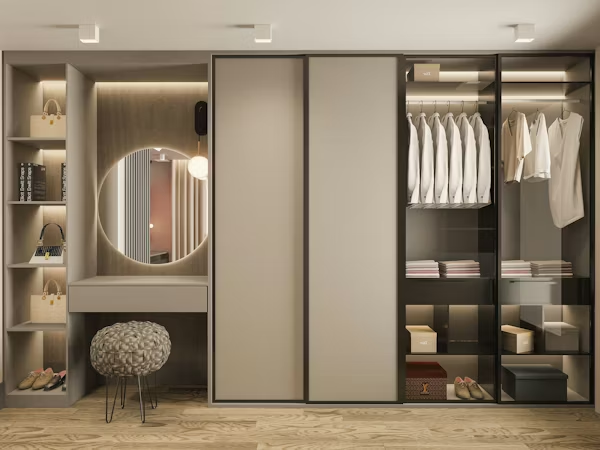
Large walk-in closets often waste potential through poor organization and generic builder-grade systems. Maximizing walk-ins represents practical dressing room ideas for creating functional spaces within existing footprints. Rip out those wire shelving systems that never held clothes properly anyway and install custom or modular organization systems with appropriate rod heights, shelf depths, and drawer units. Create zones by category—work clothes together, casual wear grouped, workout gear in one section, formal attire in another—making outfit selection efficient rather than frustrating. Add a small dresser or island if space permits, providing drawer storage and surface area for accessories. Install a compact vanity or fold-down table creating makeup and jewelry areas without requiring separate rooms. Include seating even if it’s just a small ottoman—somewhere to sit while putting on shoes transforms functionality dramatically. Maximize vertical space with shelving extending to ceilings for seasonal storage or less-used items.
Add LED strip lighting illuminating hanging areas and shelves, preventing the cave-like darkness plaguing many closets. Consider a rolling ladder if your closet has high ceilings, making upper storage actually accessible rather than aspirational. The transformation turns generic closet into organized dressing room maximizing every inch while maintaining the luxurious feel of dedicated dressing space. Your closet becomes room rather than storage afterthought.
3. Create a Glamorous Vanity and Dressing Area in Your Bedroom
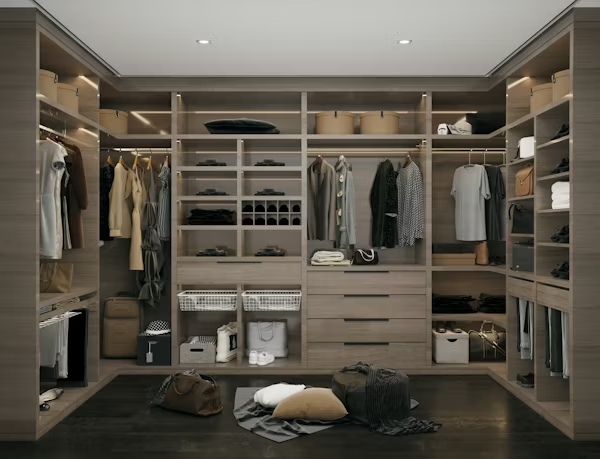
No spare room or oversized closet? Carving out dedicated dressing zones within bedrooms represents achievable dressing room ideas for most homes. Designate one corner or wall area specifically for dressing, installing a beautiful vanity with adequate lighting for makeup application and jewelry selection. Choose vanities with drawers and compartments organizing cosmetics, hair tools, and accessories efficiently. Add a comfortable upholstered stool or chair encouraging you to actually sit and take time with grooming rather than rushing through standing at bathroom sinks. Install a full-length mirror nearby for outfit checks—lean it casually against the wall for flexibility or mount it permanently for polished looks.
If space allows, add a clothing rack or valet stand for staging outfits—lay out tomorrow’s clothes the night before, reducing morning decision fatigue when you’re barely conscious. Include a small dresser or chest specifically for accessories, jewelry, scarves, and other items that typically scatter across surfaces creating visual chaos. Use decorative trays and organizers on surfaces keeping daily essentials accessible but tidy. The designated area creates dressing ritual and organization even without full separate rooms. Your bedroom gains functional zone that makes daily routines smoother while looking intentionally designed rather than haphazardly arranged.
4. Design a Boutique-Style Display with Open Shelving and Glass Doors
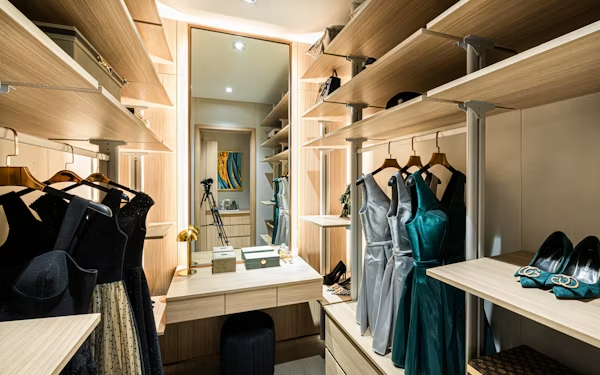
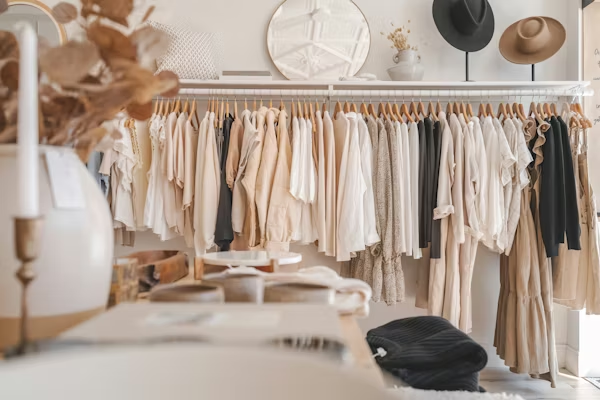
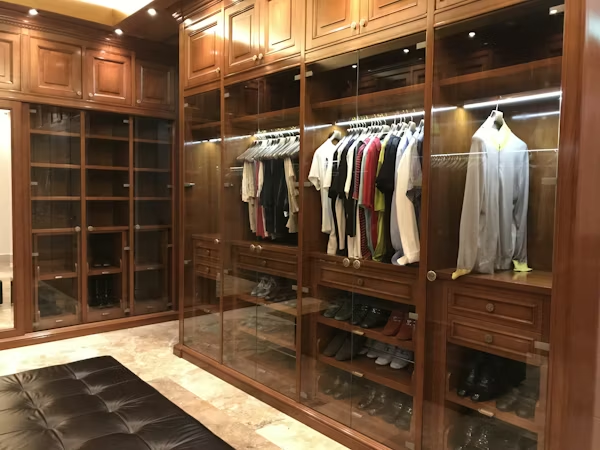
Why hide beautiful clothes and accessories in dark closets? Display-focused dressing room ideas treat wardrobes like curated boutique collections. Install open shelving showcasing folded sweaters, designer bags, and shoe collections like retail displays. Use glass-front cabinets protecting special pieces while keeping them visible—your formal wear, designer items, or vintage finds become décor rather than buried treasures you forget you own. Arrange clothes by color creating rainbow effects that are both visually stunning and surprisingly functional for finding specific items. Display jewelry in glass-topped cases, on decorative stands, or in shadow boxes transforming accessories into artwork.
Add proper lighting highlighting displays—picture lights above special pieces, LED strips illuminating shelves, or even spotlights creating gallery-like atmosphere. This approach requires wardrobe curation—everything visible must be worth displaying, which means edited collections and rigorous standards. The maintenance is higher since everything stays visible and dusty clothes look terrible on display. But for those who love their wardrobes and want to actually see and use what they own, the boutique approach turns dressing rooms into spaces you genuinely enjoy spending time in. Your clothes become celebrated rather than hidden, encouraging you to actually wear that special occasion dress more than once per decade.
5. Incorporate Multi-Functional Furniture for Compact Efficiency
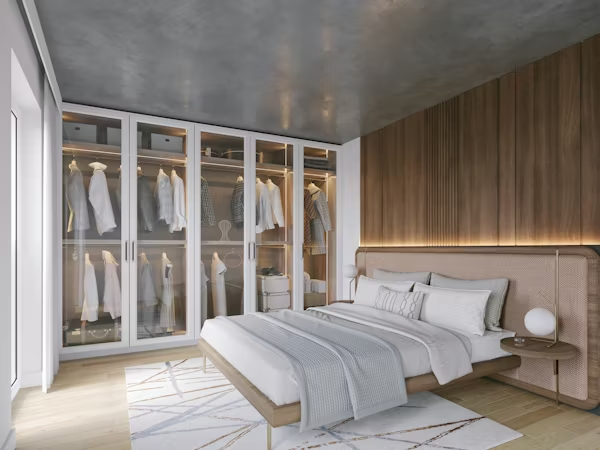
Limited space doesn’t eliminate dressing room possibilities—just requires creative efficiency. Multi-functional furniture represents smart dressing room ideas maximizing small spaces. Choose wardrobes or armoires with mirrored doors eliminating need for separate mirrors while creating illusion of more space. Select ottomans with hidden storage holding shoes, accessories, or off-season items while providing seating. Install fold-down ironing boards or pull-out valet rods that appear when needed then disappear maintaining clean lines. Use over-door organizers and hooks capitalizing on typically wasted space.
Choose slim-profile furniture maintaining walking space while providing necessary storage. Incorporate a narrow console table functioning as vanity, accessory display, and catch-all for daily essentials without occupying much floor space. Add wall-mounted fold-down tables creating temporary surface area for laying out outfits or organizing accessories, then folding flat when not needed. The key is furniture earning its place through multiple functions rather than single purposes—every piece must work harder in small spaces. Your compact dressing area functions like much larger spaces through clever, space-maximizing solutions that don’t require winning the square footage lottery.
Planning Your Dressing Room Transformation
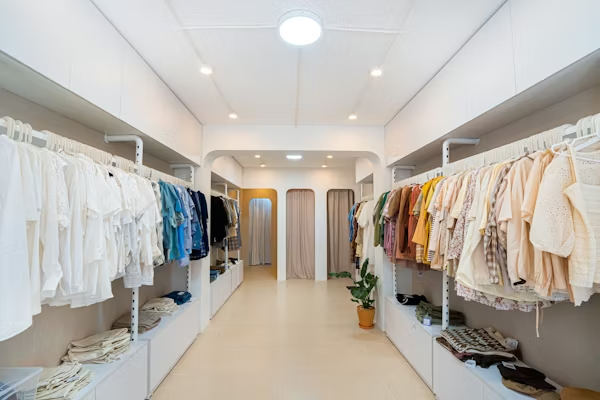
Before implementing dressing room ideas, assess available space honestly. Measure areas carefully, considering door swings, walking clearances, and functional requirements. Inventory your wardrobe understanding what storage types you actually need—if you own three dresses but forty pairs of shoes, prioritize shoe storage over hanging space. Sketch potential layouts ensuring adequate circulation space—cramped dressing rooms defeat the purpose. Consider natural light sources and how to supplement with artificial lighting. Plan electrical outlets for hair tools, charging stations, and lighting needs. Research building codes if making structural changes or adding permanent fixtures.
Storage Strategies for Maximum Organization
Successful dressing room ideas incorporate smart storage matching how you actually use clothing. Hanging space for items that wrinkle—dresses, blouses, suits—at appropriate heights preventing dragging. Shelving for folded items like sweaters, jeans, and t-shirts with dividers preventing toppling piles.
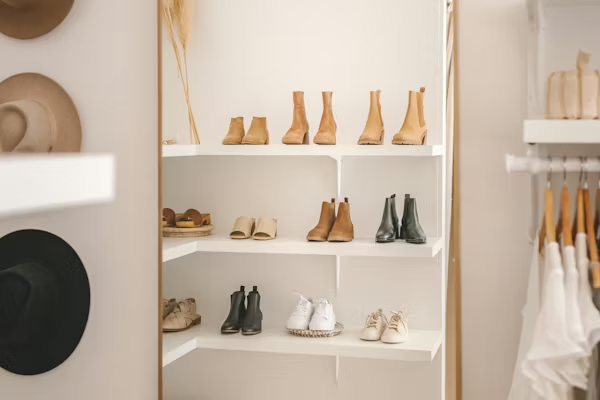
Drawer systems for undergarments, socks, and delicate items requiring protection from dust and light. Specialized storage for shoes—angled shelves showing each pair, cubbies separating them, or clear boxes protecting while maintaining visibility. Jewelry organization through velvet-lined drawers, hanging organizers, or decorative stands preventing tangling and damage. Accessory storage for bags, belts, scarves, and hats using shelves, hooks, or specialized organizers. The goal is storage so intuitive that maintaining organization becomes effortless rather than constant battle against chaos.
Related Posts:
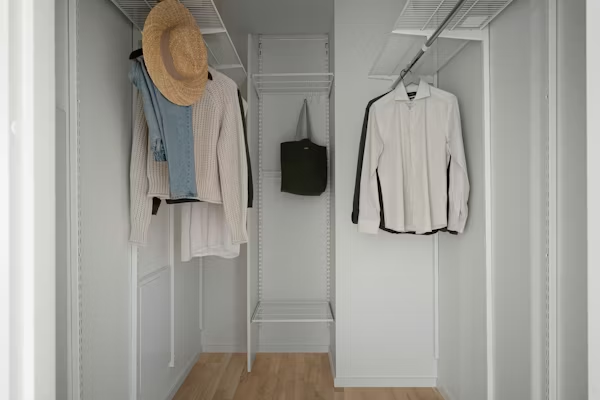
Lighting That Actually Works
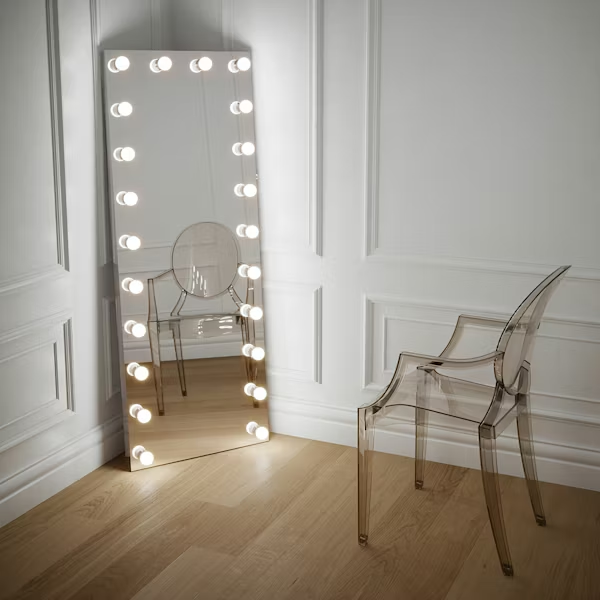
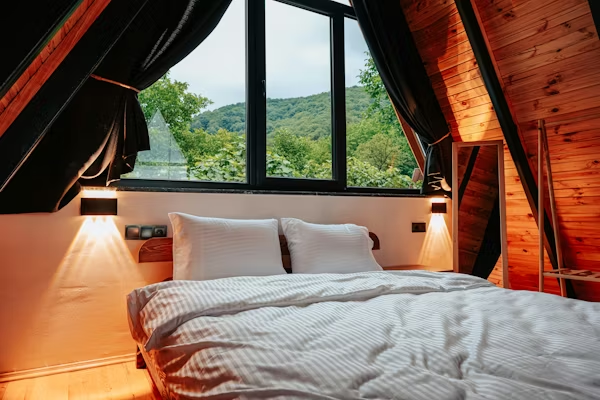
Poor lighting ruins even the most beautiful dressing room ideas. Layer multiple light sources for flexibility and function. Ambient overhead lighting provides general illumination—consider chandeliers or stylish fixtures adding decorative elements while being functional. Task lighting around mirrors for makeup application and outfit assessment—vertical fixtures flanking mirrors eliminate shadows creating better visibility.
Accent lighting highlighting displays or architectural features—LED strips on shelves, picture lights above special pieces, or spotlights creating drama. Natural light from windows is ideal but requires window treatments controlling harsh afternoon sun that fades fabrics. Dimmer switches allow adjustment from bright functional light during dressing to softer ambiance when the room isn’t actively used. Color temperature matters—cool white shows colors accurately but feels clinical, while warm white feels inviting but may distort color perception. Consider tunable lights allowing temperature adjustment based on needs.
Choosing Finishes and Materials

Dressing room ideas should incorporate durable, elegant materials appropriate for the space’s function. Built-in cabinetry in painted wood, rich stained finishes, or modern lacquered surfaces depending on aesthetic preferences. Countertops in marble, quartz, or wood for vanity surfaces and islands. Flooring that feels good underfoot—plush carpet for warmth and comfort, hardwood for classic elegance, or luxury vinyl for practical durability. Wall treatments from simple paint to wallpaper, wainscoting, or fabric panels adding softness and sound absorption. Mirrors everywhere—full-length, three-way, vanity-mounted—because you can never have too many mirrors in dressing spaces. Hardware and fixtures in cohesive finishes—brass for warmth, chrome for contemporary coolness, or matte black for modern edge.
Budget Considerations Across Price Points
Dressing room ideas work at every budget level with appropriate planning. Luxury budgets afford custom cabinetry, high-end finishes, specialized lighting, and professional design assistance creating magazine-worthy results. Mid-range approaches use modular closet systems from companies like IKEA or Elfa, decent furniture, and strategic DIY creating impressive results without extreme expense.
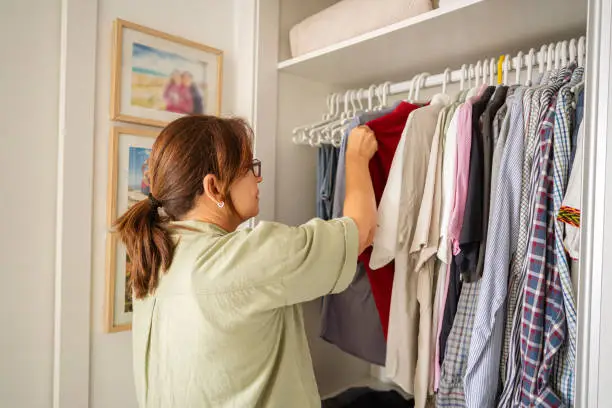
Budget-friendly versions repurpose existing furniture, use free-standing clothing racks, add affordable organizers from discount stores, and emphasize organization over expensive finishes. Even modest investments in good lighting, mirrors, and organization dramatically improve functionality and aesthetics. Start with essentials addressing biggest pain points, then enhance over time as budget allows. The most important element is thoughtful organization and making the space work for your actual wardrobe and routine rather than achieving specific aesthetic regardless of function.
Personalizing Your Dressing Space
The best dressing room ideas reflect individual style and needs rather than generic Pinterest inspiration. Display cherished accessories, vintage finds, or designer pieces bringing joy. Incorporate favorite colors through paint, textiles, or accessories. Add seating in fabrics and styles you love. Include personal touches like framed fashion illustrations, photos from memorable occasions, or inspiring quotes. Create the atmosphere you want—glamorous and luxurious, clean and minimalist, cozy and comfortable, or boldly dramatic. Your dressing room should feel uniquely yours, supporting your personal style and daily routines rather than looking like hotel closet or generic showroom.
Your Dressing Room Dream Reality
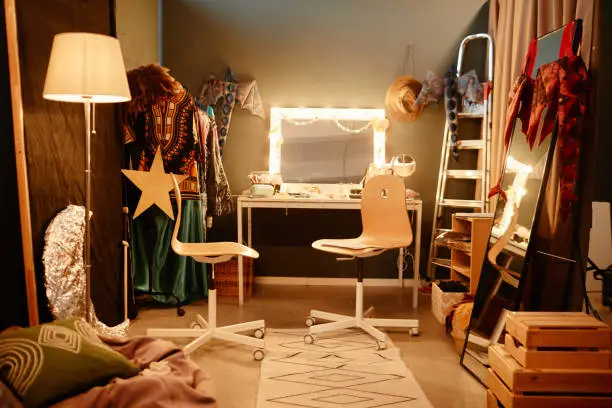
The right dressing room ideas transform chaotic getting-ready routines into elevated experiences that start your day positively. Whether you create full room conversions, maximize closet potential, carve out bedroom zones, design boutique displays, or incorporate multi-functional efficiency, thoughtful planning creates spaces genuinely improving daily life.
Start by identifying your biggest dressing frustration—lack of space, disorganization, poor lighting, or nowhere to sit while putting on shoes. Implement dressing room ideas addressing that specific problem first, building from there as space, budget, and energy allow.
The best dressing room ideas balance beauty with function, creating spaces that look luxurious while actually working for real life. Your dressing area should make getting ready easier and more enjoyable rather than being pretty but impractical showpiece you can’t actually use.
Stop accepting chaotic bedroom chair piles as inevitable. Implement these dressing room ideas thoughtfully, prioritize organization and function, and create a space making you feel put-together and confident daily. You deserve better than hunting through clothes chaos every morning.
Now stop reading about dressing room ideas and start planning your transformation. Assess your space, inventory your wardrobe, and design solutions working for your actual life and style. Your dream dressing room awaits—no mansion or trust fund required, just thoughtful planning and commitment to creating space that serves you. Time to get dressed like you mean it.