
Let’s talk about open floor plans: they’re great in theory until you’re trying to work from home while your roommate watches reality TV at full volume three feet away, or you desperately need visual separation between your living room and that pile of dishes in the kitchen you’re pretending doesn’t exist. Open concept living is all fun and games until you realize humans actually need defined spaces and some sense of boundaries. These room divider ideas solve the “too much openness” problem without requiring walls, construction permits, or sacrificing your security deposit. Whether you’re carving out a home office in your studio apartment, creating privacy in a shared bedroom, or just trying to hide laundry piles from dinner guests, these ideas will help you define spaces while maintaining that coveted open, airy feeling that made you choose open concept in the first place.
1. Bookshelf Dividers for Storage and Separation
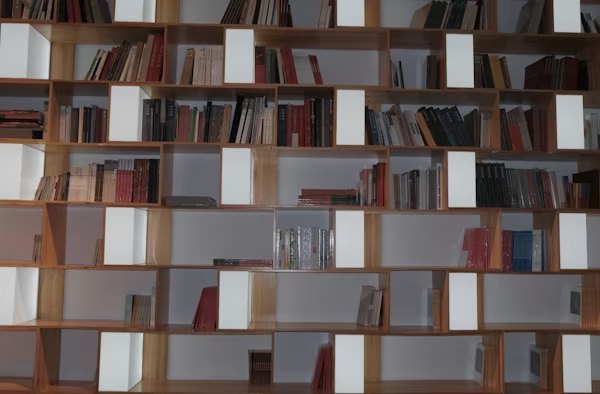
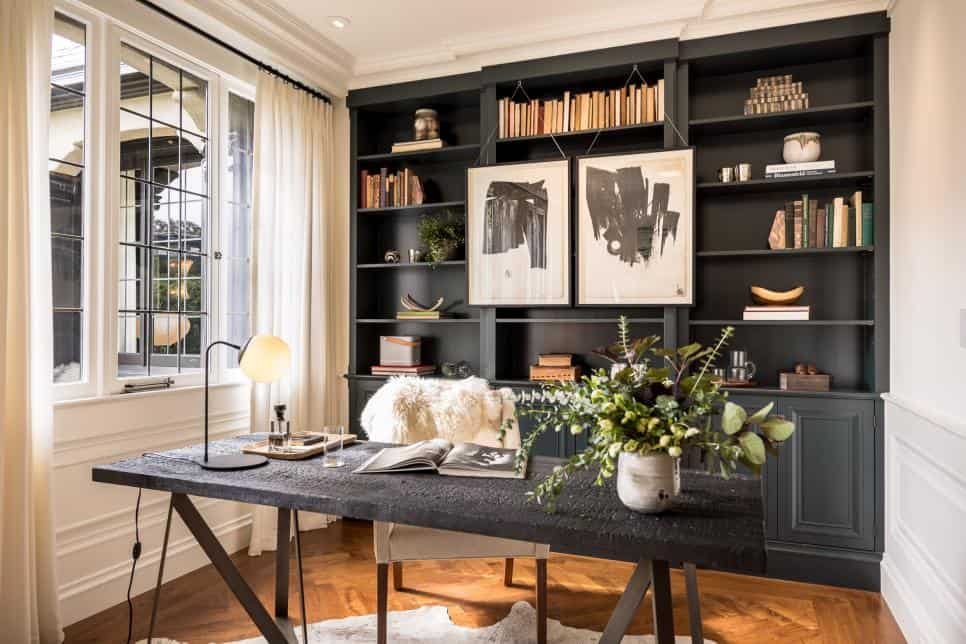
Open shelving units represent multitasking room divider ideas that separate spaces while providing storage—basically getting two furniture pieces for the price of one. Tall bookcases positioned perpendicular to walls create physical barriers that define zones without blocking light or air flow. The open-back design maintains visual connection between areas, preventing that closed-in feeling solid walls create. Style shelves on both sides so the divider looks intentional from every angle—books, plants, decorative objects, and storage baskets create functional displays. This approach works brilliantly for separating living and dining areas, creating home office nooks, or dividing studio apartments into distinct zones. IKEA’s KALLAX series is the affordable champion of this room divider category, though countless other bookshelf systems serve equally well. The beauty is flexibility—move the shelving when your needs change, unlike actual walls that require demolition and regret.
2. Folding Screen Dividers for Flexible Privacy
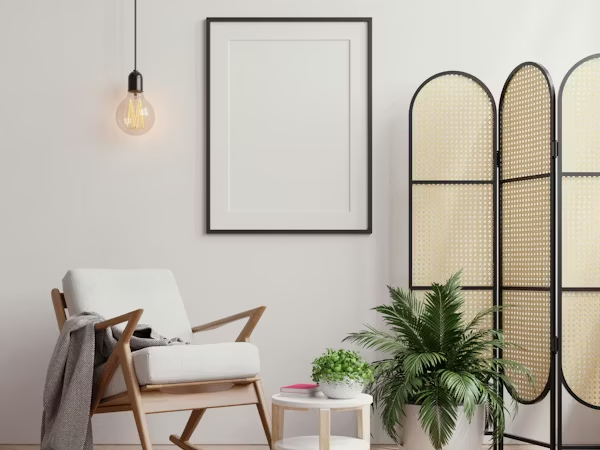
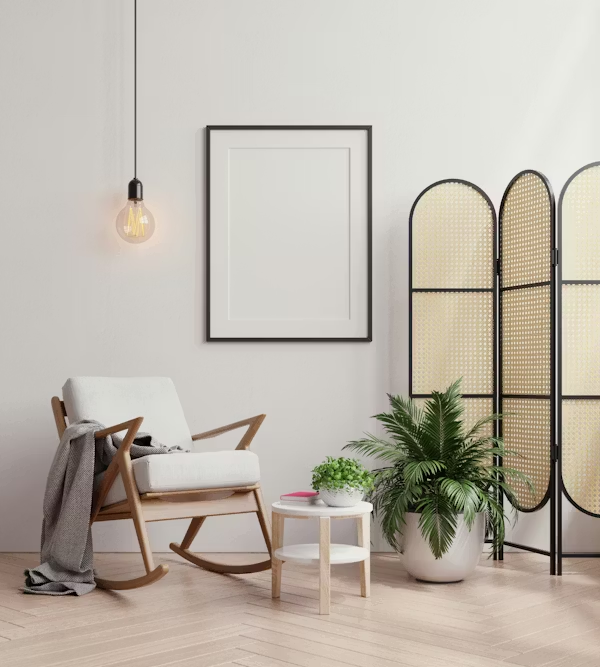
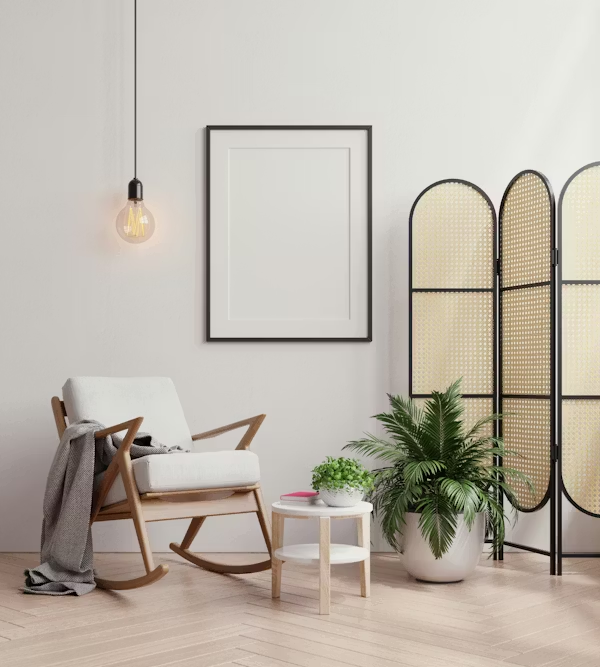
Folding screens are classic room divider ideas offering maximum flexibility with minimal commitment. These accordion-style panels unfold to create instant walls, then fold flat for storage when you want openness. Available in materials from wood to fabric to woven rattan, screens suit any aesthetic from traditional to bohemian to ultra-modern. Use them to create temporary bedroom privacy in studios, hide unsightly areas from view during gatherings, or establish dressing areas in large bedrooms. The portability means you can reconfigure spaces based on changing needs—privacy today, openness tomorrow, privacy again next Tuesday when your in-laws visit unexpectedly. Decorative screens featuring beautiful patterns, intricate carving, or upholstered panels become room decor even when not actively dividing, which is basically furniture that pays rent through multiple functions. The investment ranges from affordable mass-market versions to artisan handcrafted pieces that cost small fortunes but look stunning.
3. Hanging Curtains for Soft, Adjustable Separation
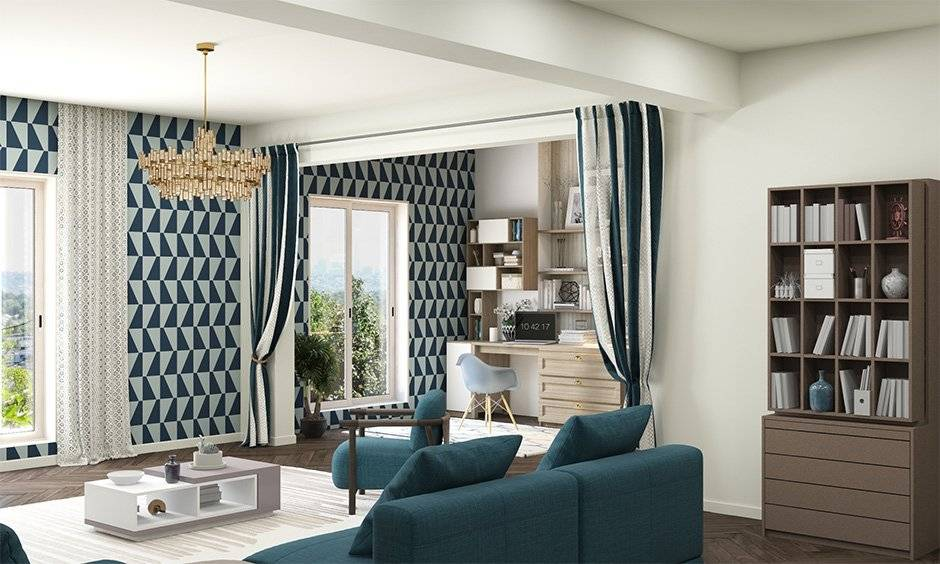
Floor-to-ceiling curtains represent budget-friendly room divider ideas that create soft, romantic separation without the rigidity of solid barriers. Install ceiling-mounted tracks or tension rods to hang curtains dividing spaces—draw them closed for privacy, pull them open for flow. This works beautifully for separating sleeping areas in studios, creating closet storage in rooms lacking built-in wardrobes, or dividing children’s shared bedrooms into individual territories that minimize sibling warfare. Sheer curtains provide gentle visual separation while maintaining light flow, perfect for defining spaces without creating darkness. Heavier curtains offer sound dampening and complete privacy, ideal for sleeping areas or home offices requiring focus. The fabric choices are endless—neutral linens for subtle separation, bold colors for statement-making divisions, or patterns adding personality. Installation is relatively simple and completely reversible, making curtains perfect for renters or commitment-phobes who might rearrange monthly.
4. Plant Walls for Organic, Living Dividers
Why settle for furniture when you can use living things? Plant-based room divider ideas bring nature indoors while creating organic barriers between spaces. Tall potted plants—fiddle leaf figs, palms, or snake plants—arranged in groupings create green walls that separate zones naturally. Plant stands at varying heights add dimension and visual interest. Hanging planters suspended from ceilings create vertical gardens that divide spaces overhead. For serious commitment, living walls featuring hydroponic systems or mounted planters create dramatic floor-to-ceiling greenery that purifies air while providing privacy. Plants soften hard edges, improve air quality, reduce noise, and make spaces feel more organic and welcoming than furniture dividers can. The maintenance requires actual plant care—watering, pruning, occasional talking to encourage growth—but the living, breathing quality creates atmosphere that static dividers can’t match. Your room division becomes a garden feature, which is basically peak adulting.
5. Sliding Barn Doors for Rustic-Modern Style
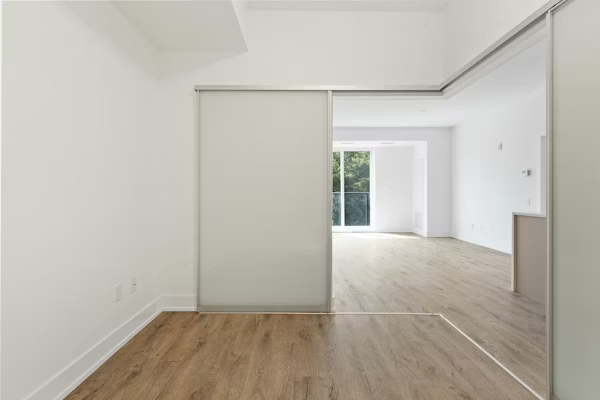
Sliding barn doors aren’t just for farmhouses anymore. Modern barn door systems represent stylish room divider ideas that save space while making statements. Unlike swinging doors requiring clearance, barn doors slide along wall-mounted tracks, perfect for tight spaces where every inch matters. Use them to close off home offices when work ends, separate master bedrooms from en-suite bathrooms, or hide laundry areas from view when guests visit. The hardware ranges from rustic black iron for farmhouse aesthetics to sleek brushed nickel for contemporary vibes. Door materials span from reclaimed wood bringing character and history to modern panels in bold colors or even glass for light transmission. Installation requires mounting sturdy tracks that support door weight, making this more involved than simple curtains but less permanent than actual walls. The sliding action is satisfyingly smooth, and the visual impact transforms generic doorways into architectural features worthy of design blogs.
6. Glass Partitions for Light-Filled Separation
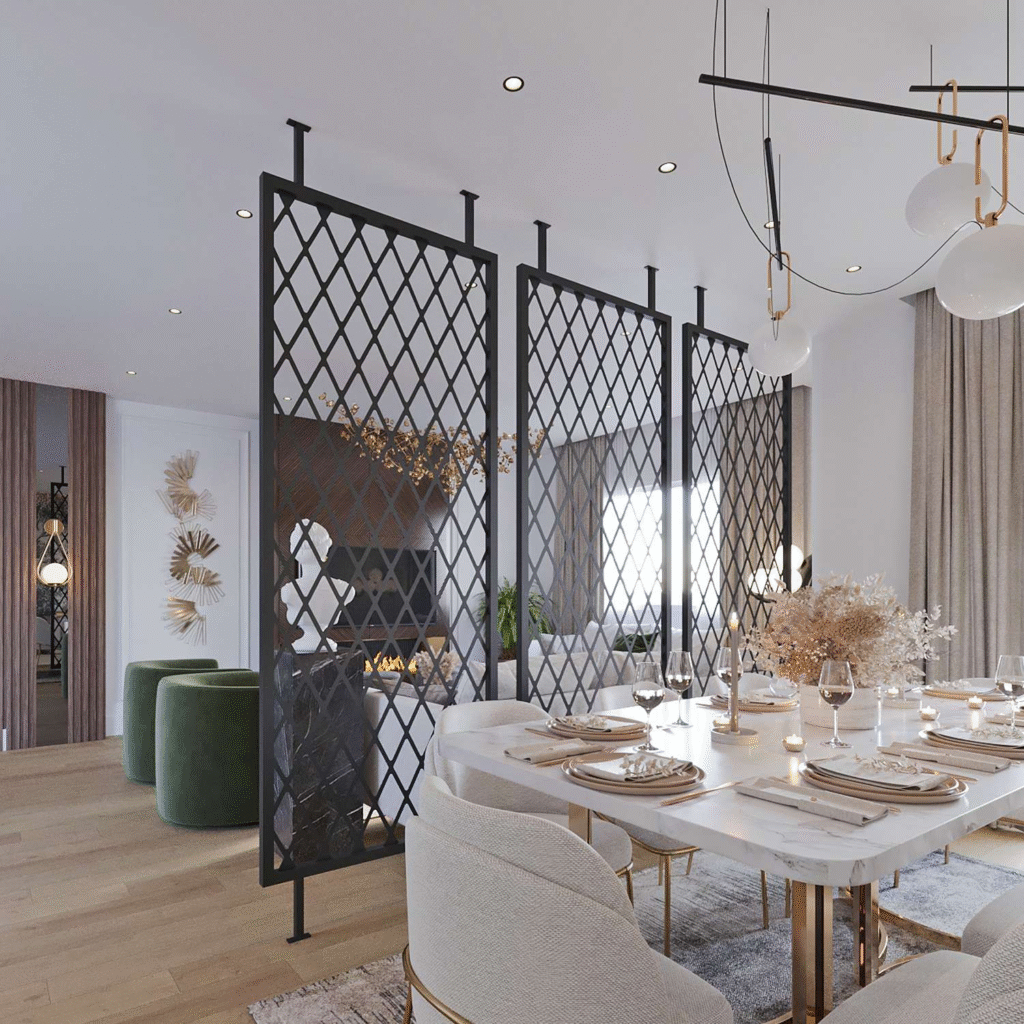
Glass walls and partitions represent sophisticated room divider ideas that define spaces without blocking precious natural light. Floor-to-ceiling glass panels create physical boundaries while maintaining visual openness—perfect for home offices where you need quiet but don’t want darkness. Frosted or textured glass provides privacy while allowing light transmission, ideal for bedrooms or bathrooms requiring modesty. Clear glass works beautifully for defining zones while keeping sight lines open, making small spaces feel larger. Frame options range from industrial black metal creating modern edge to minimal frameless systems for seamless contemporary looks. These installations are definitely investment pieces requiring professional installation and careful planning, but the result is sophisticated, permanent-feeling division without the closed-in quality of solid walls. Your space feels thoughtfully designed rather than haphazardly partitioned with random furniture.
7. Platform or Raised Floors for Architectural Division
Sometimes the best room divider ideas work vertically. Raised platform floors create distinct zones through elevation changes rather than walls or barriers. Build a platform defining office areas, sleeping lofts in studios, or conversation pits in living rooms—the level change delineates space architecturally. This approach works particularly well in lofts or spaces with high ceilings where vertical space goes unused. The platform itself can incorporate storage drawers or cabinets, maximizing functionality while defining zones. Steps or ramps provide access while emphasizing the transition between areas. This is definitely commitment-level room division requiring construction, expense, and potentially permits, but the architectural impact is undeniable. Your space gains dimension and interest that furniture-based divisions can’t achieve, creating environments that feel custom-designed rather than furniture-arranged. The investment is significant but permanent, adding actual value to your property unlike moveable dividers you’ll leave behind when relocating.
8. Half Walls or Pony Walls for Permanent-ish Division
Half-height walls—called pony walls in construction speak—represent semi-permanent room divider ideas that define spaces without complete closure. These waist-to-chest-height walls create physical boundaries and psychological separation while maintaining air flow and partial sight lines overhead. Top them with counters creating functional surfaces for displays, storage, or work surfaces. Add columns or posts at ends for architectural detail that makes dividers feel intentional. Use pony walls between kitchens and living rooms creating breakfast bars, between entryways and living spaces establishing boundaries, or dividing large bedrooms into sleeping and dressing areas. The construction requires more commitment than furniture-based solutions but less than floor-to-ceiling walls, offering middle-ground permanence. Paint or finish pony walls to match existing walls for seamless integration, or use contrasting treatments making them design features. The installation might require permits depending on your location and whether they’re load-bearing, so research regulations before construction begins.
Choosing the Right Room Divider Ideas
Before implementing room divider ideas, assess your actual needs honestly. Do you need complete privacy or just visual separation? Is sound dampening important, or is light flow the priority? Will the division be permanent or temporary? Your answers guide you toward appropriate solutions. Studios requiring sleeping area privacy benefit from solid divisions like curtains or folding screens. Home offices need sound reduction making bookcases or solid panels better choices. Spaces needing light flow work best with glass or plant-based options.
Measuring and Planning
Successful room divider ideas require accurate measurements and thoughtful planning. Measure ceiling heights, available floor space, and the areas you’re dividing. Consider traffic flow—dividers shouldn’t create obstacle courses requiring acrobatic navigation. Think about how divisions affect natural light—blocking windows creates darkness nobody enjoys. Plan for electrical outlets and switches, ensuring divided areas maintain access to power and lighting. Sketch potential configurations before committing to purchases or installations, because expensive mistakes are infinitely more frustrating than planning mistakes caught on paper.
Aesthetic Cohesion
Whatever room divider ideas you choose, maintain aesthetic cohesion with existing décor. Dividers should enhance rather than clash with your overall design. Modern spaces benefit from clean-lined solutions like glass partitions or minimalist shelving. Traditional homes might prefer wooden folding screens or classic half walls. Bohemian aesthetics embrace plant walls or macramé curtain dividers. The divider becomes part of your décor, not an afterthought disrupting visual harmony. Choose finishes, materials, and styles complementing what you already own, creating integrated looks rather than obvious additions that scream “I needed to divide this space but didn’t want to.”
Budget Considerations
Room divider ideas span budgets from nearly free to “is this a car payment?” expensive. Curtains on tension rods cost under $100 for basic solutions. Bookshelf dividers from IKEA run a few hundred dollars. Custom glass partitions or built platforms represent thousands in investment. Start with budget-friendly temporary solutions testing whether divisions actually improve your space before committing to expensive permanent installations. Sometimes affordable solutions work so well that upgrades become unnecessary, saving money while solving problems effectively.
Your Divided Space Transformation
The right room divider ideas transform chaotic open spaces into functional, defined areas supporting how you actually live. Whether you need home office privacy, bedroom separation, or just visual boundaries between zones, thoughtful division improves both aesthetics and functionality.
Start by identifying your biggest spatial challenge—too much openness, lack of privacy, undefined zones—then choose room divider ideas addressing that specific issue. One well-placed divider can improve your space dramatically, making daily life more pleasant and your home more functional.
Related Posts:


The best room divider ideas balance separation with openness, creating distinct zones without sacrificing the airy quality that makes open spaces appealing. Your home should support your lifestyle, not force you to adapt to limitations. Divide spaces thoughtfully, and suddenly that challenging open floor plan becomes an asset you can actually enjoy.
Stop accepting problematic open spaces just because that’s how they came. Implement these room divider ideas and create the defined, functional zones you need while maintaining the flow and light you love. Your space has potential—sometimes it just needs strategic division to reach it.
Now stop reading about room divider ideas and start planning your transformation, because those undefined spaces aren’t organizing themselves. Your perfectly divided, functional home awaits. Time to make it happen.