14 Staircase Ideas That’ll Make Going Up and Down Actually Interesting
Let’s talk about staircases: they’re probably the most overlooked architectural feature in your home. You trudge up and down them daily, barely registering their existence beyond their functional purpose of getting you between floors without injury. Most staircases are builder-grade boring—basic wood or carpet, plain railings, and zero personality. But your staircase is actually prime real estate for design impact, connecting multiple floors and often visible from main living areas. These staircase ideas transform utilitarian passageways into statement-making features that elevate your entire home’s aesthetic. Whether you’re working with a grand sweeping staircase, a compact straight run, or a tight spiral, these ideas will help you reimagine stairs as design opportunities rather than afterthoughts. Time to give your staircase the glow-up it deserves.
1. Add a Statement Runner for Color and Texture
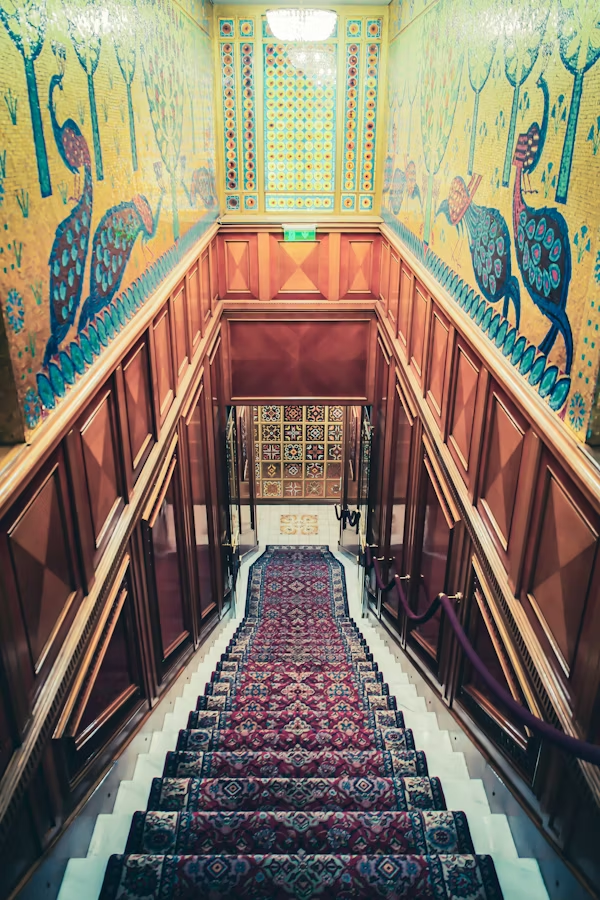
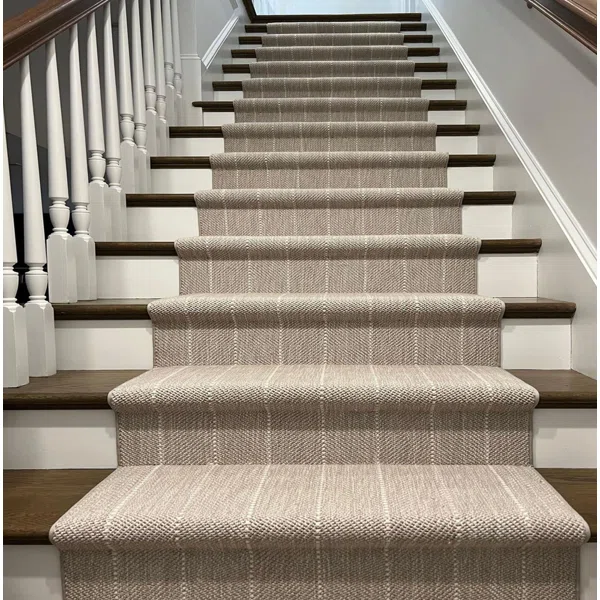
Plain wood or carpeted stairs are fine, but stair runners represent classic staircase ideas that add instant personality. These fabric runners down the center of stairs introduce color, pattern, and texture while leaving wood edges exposed on both sides. The contrast between runner and exposed stair treads creates visual interest that solid carpeting can’t achieve. Choose bold patterns like geometric designs or traditional stripes for drama, or subtle textures for understated elegance. Runners also provide practical benefits—they reduce noise, add traction for safety, and protect high-traffic stair centers from wear. Installation can be DIY with carpet tape or stair rods, though professional installation ensures longevity and proper tensioning. Your stairs transform from forgettable to focal point with this single relatively affordable upgrade.
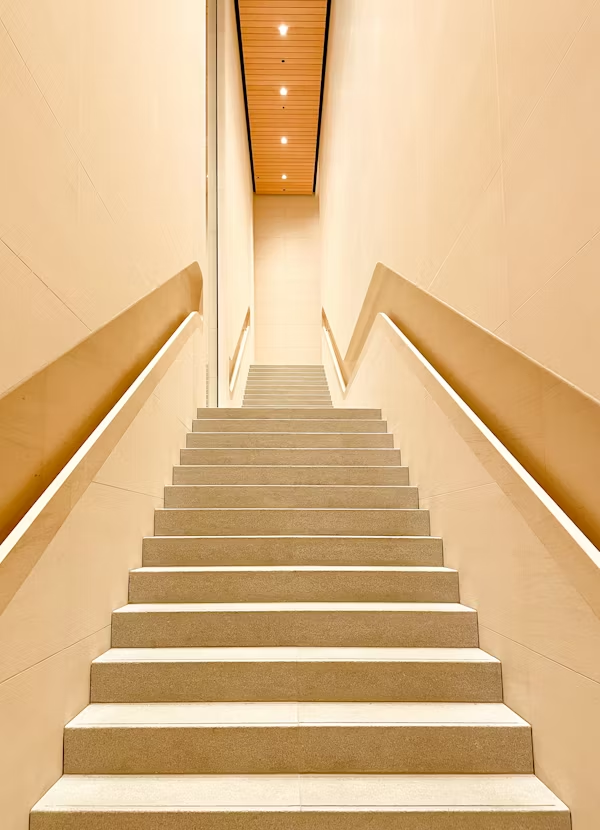
2. Paint Stairs for Bold Visual Impact
Who says stairs must be wood-toned or beige carpet? Painted stairs are bold staircase ideas that create maximum impact with minimal investment. Paint risers white with natural wood treads for classic contrast, or go wild with each riser a different color creating rainbow effects. Black stairs with white risers deliver modern drama, while soft pastels bring whimsy to children’s areas or playful homes. Painted stairs work beautifully in farmhouse, coastal, contemporary, and eclectic aesthetics depending on color choices. The transformation requires basic painting skills, quality floor paint designed for high traffic, and patience for proper drying between coats. The result is completely customized stairs that reflect your personality rather than builder defaults. Fair warning: bold choices mean commitment, so choose colors you’ll love long-term or accept that repainting is inevitable.
3. Upgrade Railings and Balusters for Modern Style
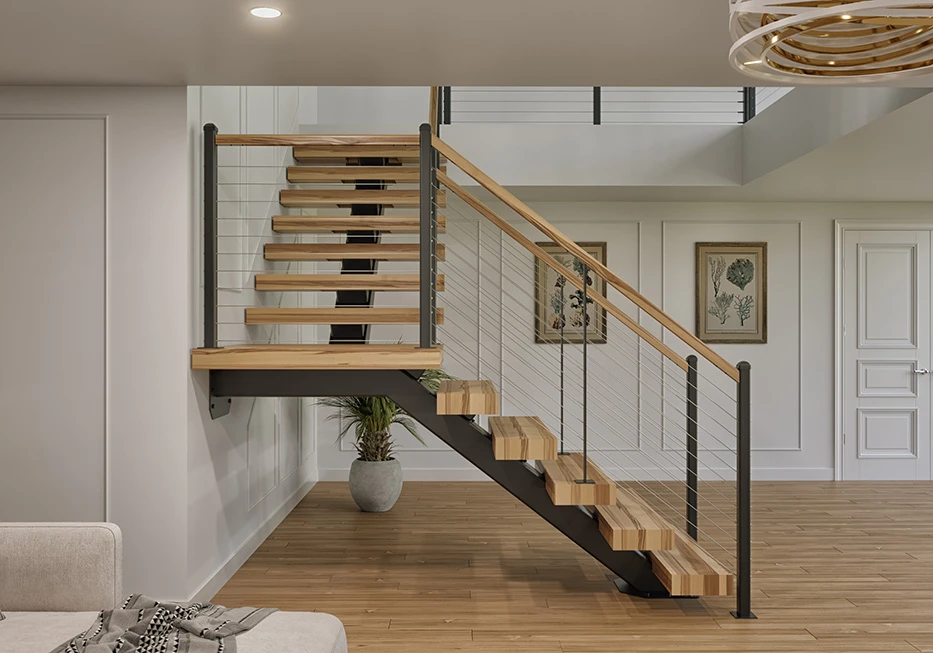
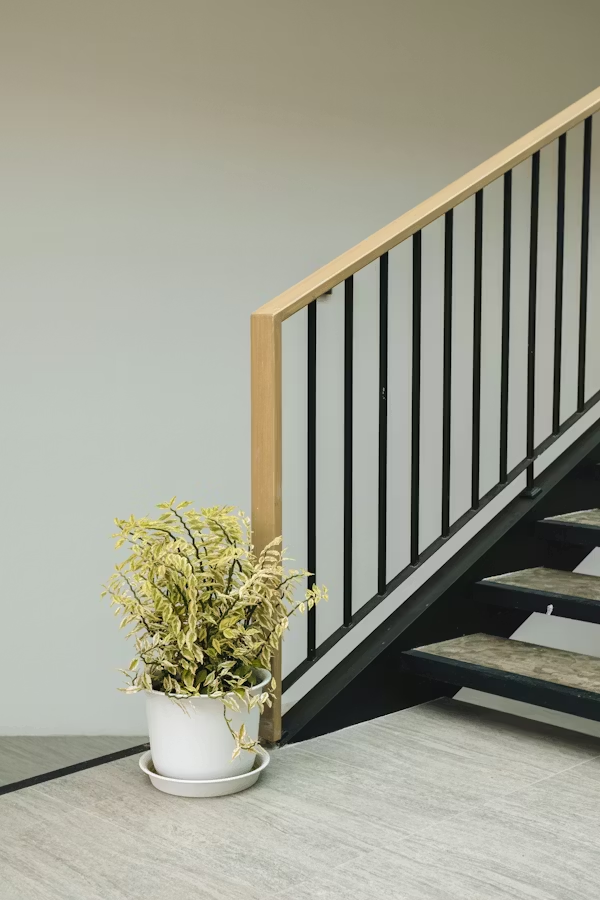
Builder-grade railings are uniformly boring. Replacing them represents transformative staircase ideas that modernize entire spaces. Swap traditional turned wood balusters for sleek metal cables, minimalist metal rods, or even glass panels for contemporary looks. Black metal railings create industrial edge, while brass or gold-toned metal adds warmth and luxury. Cable railings maintain sight lines and feel airy—perfect for small spaces or modern aesthetics. Glass panels provide safety barriers without visual obstruction, ideal for showcasing beautiful stair designs or maintaining views. This upgrade ranges from moderate DIY projects to professional installations depending on complexity and local building codes. The visual impact justifies the investment, transforming dated stairs into contemporary features worthy of design blogs.
4. Install Dramatic Lighting Along the Stairs
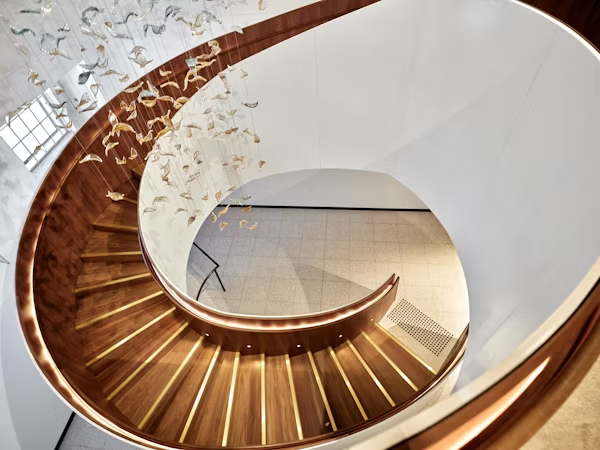
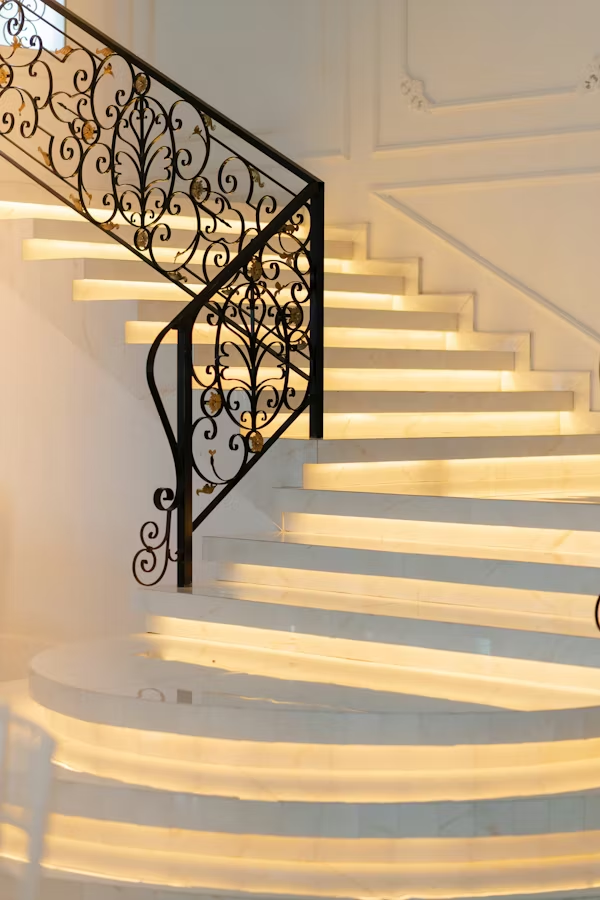
Poorly lit stairs are safety hazards and missed design opportunities. Strategic lighting represents essential staircase ideas for both function and atmosphere. Install LED strip lights along stair treads for modern path lighting that’s both safe and stunning. Mount wall sconces at intervals for traditional elegance and adequate illumination. Add pendant lights in stairwells for dramatic focal points that draw eyes upward. Recessed lighting in risers creates floating tread effects that look impossibly cool at night. Motion-sensor lights automatically illuminate when you approach—luxury and safety combined. Proper staircase lighting prevents accidents while transforming stairs into architectural features rather than dark passageways you navigate carefully while carrying laundry baskets. Your stairs become beautiful and safe, which is the design equivalent of having your cake and eating it too.
5. Create a Gallery Wall on Stairwell Walls
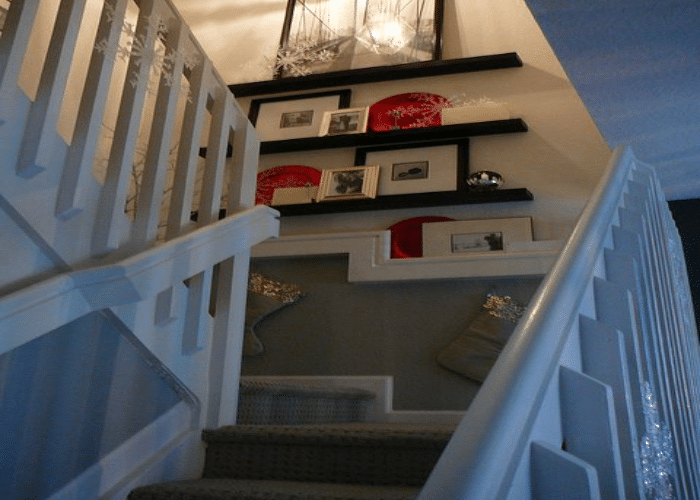
Blank stairwell walls are wasted opportunities for personality and visual interest. Gallery walls represent creative staircase ideas that showcase artwork, family photos, or collections. Arrange frames following the stair angle for dynamic diagonal arrangements, or install them horizontally for cleaner lines. Mix frame sizes and artwork types for eclectic interest, or keep frames uniform for cohesive sophistication. The vertical nature of stairwells provides ample wall space perfect for larger collections that might overwhelm other rooms. Just plan carefully before hammering—mistakes on stairwell walls are harder to fix than on flat walls you can easily reach. Map arrangements on the floor first, photograph them, then recreate on walls for best results. Your daily stair climbs become art gallery visits, which makes the exercise almost pleasant.
6. Add Under-Stair Storage for Function
The space beneath stairs is often neglected or becomes dumping grounds for random items. Custom storage represents practical staircase ideas that capitalize on this often-wasted area. Install pull-out drawers, built-in shelving, or even create a small closet for coats, shoes, or cleaning supplies. Under-stair wine storage is particularly popular, turning dead space into functional features that impress guests. Reading nooks tucked under stairs create cozy retreats in children’s areas or small homes. Pet beds or feeding stations work beautifully in under-stair alcoves, giving pets designated spaces while maximizing square footage. The key is building storage that looks intentional rather than cobbled together—clean lines, quality materials, and proper finishing make under-stair storage feel like original architectural features rather than afterthought additions.
7. Install Open Riser Stairs for Airy Modern Aesthetic
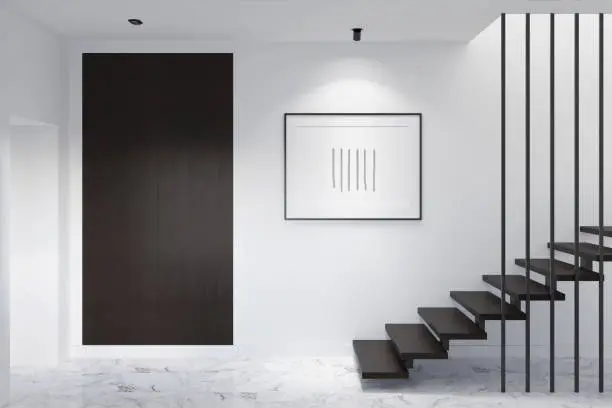
Traditional closed-riser stairs are safe and sound-dampening but visually heavy. Open riser stairs—where you can see through between treads—represent contemporary staircase ideas that create airiness and light flow. These floating stairs appear lighter and less imposing, perfect for modern or minimalist homes where visual weight matters. The open design allows light to pass through, brightening adjacent spaces and making small areas feel larger. Open risers work particularly well in lofts, contemporary homes, or anywhere you want architectural drama. Important considerations: building codes vary on open riser requirements, small children and pets might struggle with openness initially, and high heels can catch in gaps. Despite considerations, the stunning visual lightness often justifies the trade-offs for design-focused homeowners wanting statement stairs.
8. Add Wallpaper to Stair Risers
Paint is fine, but wallpaper offers pattern possibilities paint can’t match. Wallpapered risers are creative staircase ideas that introduce bold designs without overwhelming entire rooms. Each riser becomes a small canvas—use the same pattern throughout for cohesion, or mix complementary patterns for eclectic interest. Peel-and-stick wallpaper makes this an achievable DIY project without permanent commitment—change designs seasonally or when you’re bored. Geometric patterns create modern edge, florals bring traditional elegance, and hand-painted or mural-style wallpapers create artistic statements. This approach works especially well on painted or refinished stairs where risers are already finished surfaces. The pattern adds personality and makes stair climbing more visually interesting, which might be the motivation you need for that extra trip upstairs instead of yelling questions to family members on different floors.
9. Create Floating Shelves on Stairwell Walls
Stairwell walls offer prime real estate for display. Floating shelves represent functional staircase ideas that provide storage while showcasing decorative items, books, or plants. Install shelves at regular intervals following the stair angle, or create asymmetrical arrangements for modern interest. The vertical progression creates dynamic displays that change as you move up and down stairs. Use shelves for rotating seasonal decor, family photo displays, or book storage that turns stairwells into mini libraries. Just ensure shelves are securely mounted—stairwell walls don’t always have ideal stud placement, so proper anchoring is crucial. Objects falling from stairwell shelves become dangerous projectiles, which definitely violates the “do no harm” principle of home improvement.
10. Install Wood Treads Over Carpet
Outdated carpeted stairs drag down entire home aesthetics. Replacing carpet with wood treads represents classic staircase ideas that modernize and add value. Hardwood treads bring warmth and natural beauty, work with multiple design styles, and typically increase home value. The process involves removing carpet and pad, repairing or replacing underlying wood, then installing new treads. This ranges from moderate DIY projects to professional installations depending on stair condition and your skill level. Pair wood treads with painted risers for two-tone effects, or go all-wood for classic elegance. Add a runner later if you want softness and color. The transformation from dated carpet to beautiful wood is dramatic and immediately updates your home’s entire feeling, making it worth the investment and effort.
11. Use Stair Rods for Traditional Elegance
Stair rods—those decorative metal bars securing runners to stairs—represent traditional staircase ideas with timeless appeal. These functional accessories in brass, bronze, chrome, or black metal add polish and old-world elegance. The rods hold runners in place while creating horizontal visual elements that break up vertical stair lines. Installation is straightforward: brackets mount to stair edges, and rods slide through and rest in brackets. This allows runner removal for cleaning while maintaining secure placement during use. Stair rods work beautifully in traditional, transitional, and even modern homes depending on metal finish choices. They transform simple runners into elevated design elements that look custom and expensive, which is basically the goal of most decorating efforts.
12. Create a Feature Wall Behind Stairs
For open staircases where wall space is visible, feature walls represent impactful staircase ideas that frame stairs beautifully. Install dramatic wallpaper, create board-and-batten paneling, add shiplap, or paint bold accent colors. The feature wall creates backdrop that makes stairs appear more intentional and designed. This works particularly well in open-concept homes where stairs are visible from living areas—the feature wall provides visual interest from multiple vantage points. Choose treatments that complement surrounding spaces while providing enough contrast to make stairs stand out. The vertical nature of stairwell walls makes them perfect for patterns or textures that might overwhelm horizontal walls. Your stairs become anchored by beautiful backdrops that enhance rather than compete with stair design itself.
13. Add Plants to Stairwell Areas
Staircases often have vertical space perfect for greenery. Incorporating plants represents organic staircase ideas that bring life to these transitional areas. Position floor plants at stair bottoms or on landings where space allows. Mount wall planters on stairwell walls at intervals creating vertical gardens. Place potted plants on floating shelves for accessible greenery. Hanging plants from stairwell ceilings add life overhead. Choose low-light tolerant varieties if your stairwell lacks windows—pothos, snake plants, or ZZ plants thrive in these conditions. The greenery softens hard architectural edges, improves air quality, and makes stair areas feel more welcoming. Just water carefully to avoid slippery situations, because combining water puddles and stairs is a liability waiting to happen.
14. Install Statement Newel Posts for Character
Newel posts—those vertical posts at stair beginnings and landings—anchor staircase design. Upgraded newels represent detail-focused staircase ideas that add character and craftsmanship. Replace plain square posts with turned wood designs, ornate carved posts, or modern metal options depending on your aesthetic. The newel posts create visual anchors that make stairs feel more substantial and custom. They’re particularly important in traditional or craftsman-style homes where details matter significantly. Some homeowners incorporate finials or decorative caps that reflect personal style—traditional balls, pineapples symbolizing hospitality, or custom designs. Quality newel posts cost more than basic versions but the craftsmanship and character they add justifies investment for those prioritizing architectural detail.
Before implementing staircase ideas, assess your current stairs thoroughly. Check structural integrity—squeaks, loose treads, or unstable railings need addressing before cosmetic improvements. Measure accurately including tread depth, riser height, total run, and width. Research local building codes for railing heights, baluster spacing, and structural requirements—safety regulations aren’t suggestions. Determine your budget realistically including materials, tools, and potential professional help for complex installations.
Safety First Always
Whatever staircase ideas you implement, safety remains paramount. Ensure railings are secure and meet code requirements. Maintain adequate lighting preventing missteps. Use proper materials rated for stair traffic—regular paint fails quickly on high-wear treads. Keep stairs clear of clutter creating trip hazards. If you have young children or elderly family members, consider their needs when selecting open risers or other designs potentially challenging for certain users. Beautiful stairs that endanger users aren’t worth the aesthetic, so balance design ambitions with practical safety considerations.