14 Curtain Ideas That’ll Transform Your Windows from Meh to Magnificent
Let’s talk about the most overlooked element in room design: curtains. They’re probably the last thing you think about when decorating, right after deciding where to hide that exercise bike you never use. Most people default to whatever beige panels were on clearance, hang them on basic rods, and call it done. But curtains are actually secret weapons in interior design—they soften hard edges, control light, provide privacy, and can make or break a room’s entire aesthetic. These curtain ideas will help you treat your windows like the design opportunities they actually are, transforming them from boring afterthoughts into statement-making features that elevate your entire space. Whether you’re working with floor-to-ceiling windows or awkward narrow ones, these ideas will help you choose, hang, and style curtains that actually deserve to be looked at.
1. Hang Curtains High and Wide for Maximum Impact
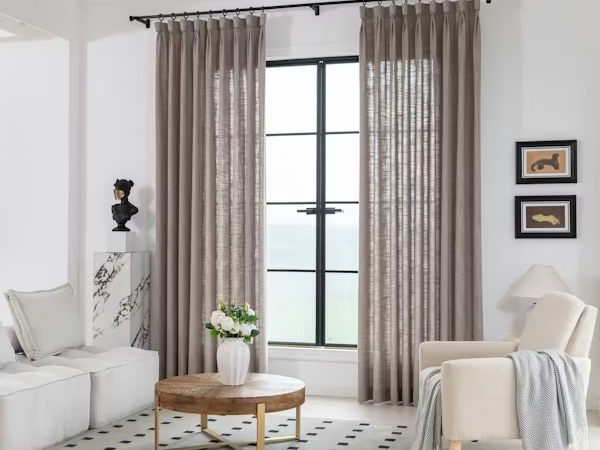
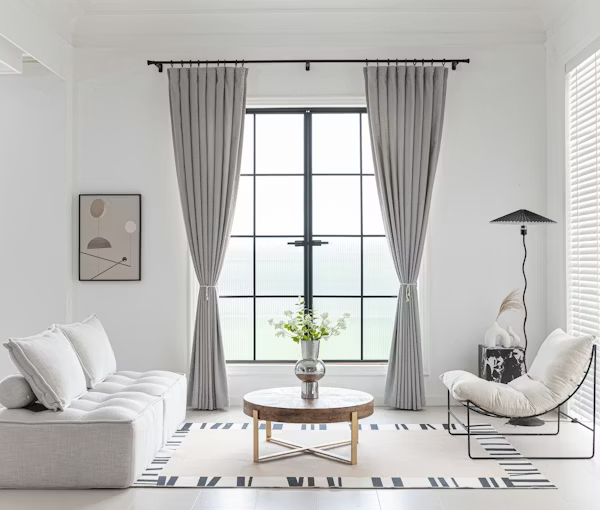
The number one rule in curtain ideas is placement: hang rods as close to the ceiling as possible and extend them well beyond the window frame. This simple trick makes ceilings appear higher and windows appear larger—basically optical illusion as interior design. Mount your rod 4-6 inches above the window frame, or go all the way to the ceiling for dramatic effect. Extend the rod 8-12 inches on each side so when curtains are open, they frame rather than cover the window. This approach works in any room with any window size, instantly making spaces feel more grand and intentional. It’s the decorating equivalent of standing up straight—everything just looks better with proper positioning.
2. Choose Floor-Length Panels That Puddle or Kiss the Floor
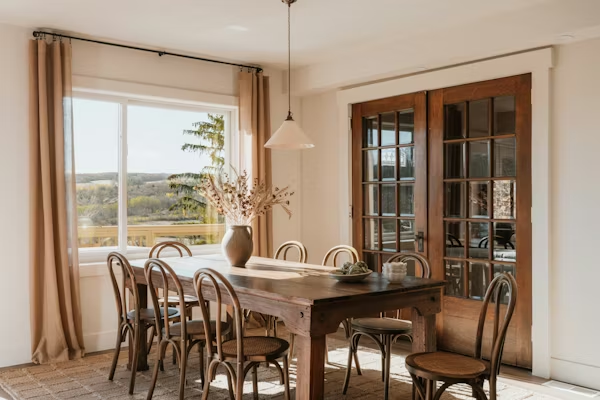
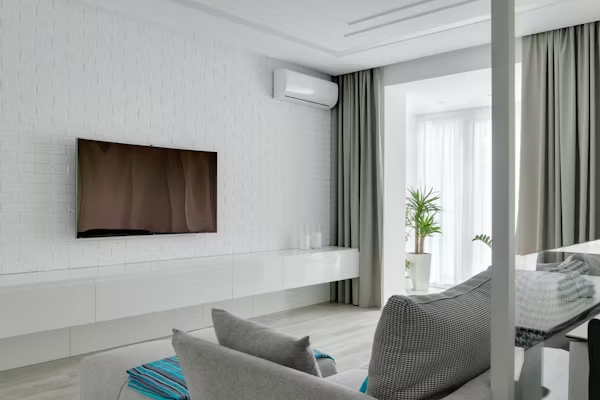
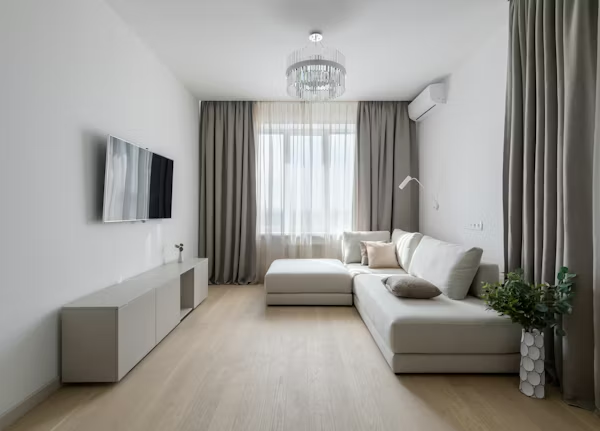
Short curtains that hover awkwardly above the floor are design crimes. Among the most impactful curtain ideas is choosing proper length. Panels should either just kiss the floor (ending exactly at floor level) or puddle slightly with 1-3 inches of extra fabric pooling elegantly. The kiss-the-floor approach is practical and clean-lined, perfect for modern or minimalist spaces. Puddling creates romance and luxury, ideal for bedrooms or formal living rooms. Breaking at the floor (ending 1-2 inches above) is acceptable in high-traffic areas like kitchens where dragging fabric is impractical, but everywhere else, commit to floor-length. Your windows will thank you by looking properly dressed rather than wearing capri pants.
3. Layer Sheers with Heavier Drapes for Versatility
Single-layer curtains are fine, but layering represents next-level curtain ideas that provide flexibility and depth. Hang sheer or semi-sheer curtains closest to the window for daytime privacy and light filtration, then add heavier drapes on an outer rod for light blocking, insulation, and nighttime privacy. This combination lets you control light levels throughout the day—open the drapes for maximum light while sheers maintain privacy, close everything for complete darkness and privacy, or open both for unobstructed views. The layered approach also adds visual richness and texture that single panels can’t achieve. It’s like getting two window treatments in one, which is basically the design equivalent of a buy-one-get-one deal.
4. Go Bold with Pattern and Color
Neutral curtains are safe. Bold curtains are memorable. Statement-making patterns and colors represent brave curtain ideas that transform entire rooms. Vibrant florals, geometric prints, bold stripes, or saturated solid colors make windows focal points rather than background elements. If your furniture and walls are neutral, curtains provide the perfect opportunity for personality without overwhelming commitment—changing curtains is easier than repainting or reupholstering. Conversely, if your room is already colorful, neutral curtains in linen or cotton provide breathing room. The key is balance: bold curtains work best with simpler surroundings, while neutral curtains let other elements shine. Choose your fighter, then commit fully.
5. Use Blackout Curtains for Better Sleep
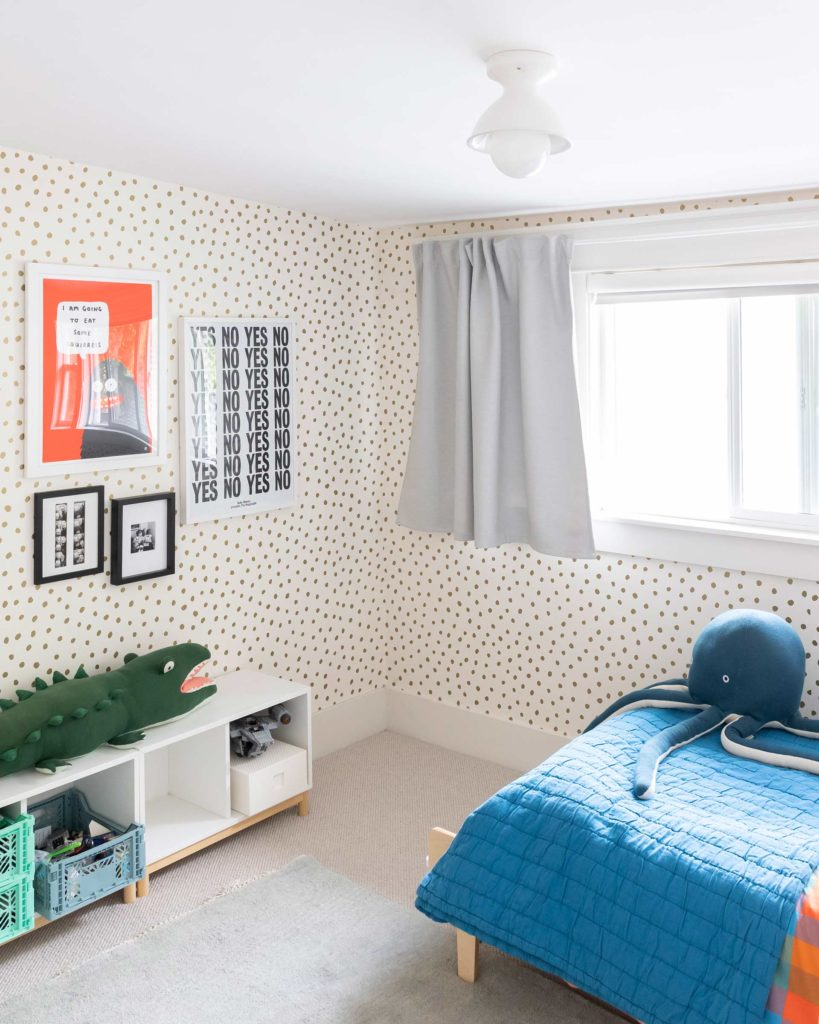
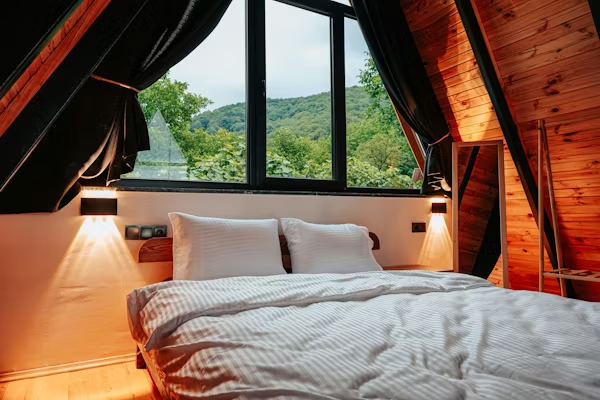
Light pollution is real, and it’s ruining your sleep. Blackout-lined curtains are practical curtain ideas for bedrooms, nurseries, or any space requiring darkness. These curtains feature special linings that block external light, creating cave-like conditions perfect for sleep or afternoon naps when you’re pretending to work from home. Modern blackout curtains come in countless colors and patterns—you’re no longer limited to institutional-looking beige panels. The insulating properties also help regulate temperature and reduce energy costs, which is the responsible-adult justification for investing in better curtains. Your circadian rhythm and your utility bill will both appreciate the upgrade.
6. Install Motorized or Smart Curtains for Luxury
The height of lazy luxury or brilliant home automation, depending on your perspective, motorized curtains represent high-tech curtain ideas for modern living. These systems open and close via remote control, smartphone apps, or voice commands through smart home systems. Program them to open gradually at sunrise for natural wake-up, close at sunset for privacy, or adjust throughout the day following the sun. Yes, they’re extra—both figuratively and literally expensive—but the convenience is genuinely appealing when you’re cozy in bed and realize you forgot to close the curtains. It’s the future, and the future apparently involves never leaving your bed for window management.
7. Choose Natural Linen for Relaxed Elegance
Linen curtains embody effortless sophistication, making them timeless curtain ideas for almost any aesthetic. The natural fabric has beautiful texture, drapes gorgeously, and brings organic warmth to spaces without trying too hard. Linen’s slight wrinkles and imperfections are features, not bugs—they create that lived-in, European-casual vibe that says “I’m elegant but not uptight about it.” Available in countless colors from pure white to deep charcoal, linen works in modern, traditional, coastal, and minimalist spaces equally well. The breathable fabric allows gentle light filtration while maintaining privacy, creating that coveted soft, diffused glow. Fair warning: linen wrinkles enthusiastically, so embrace the relaxed aesthetic or prepare for endless ironing.
8. Create Drama with Velvet or Silk Curtains
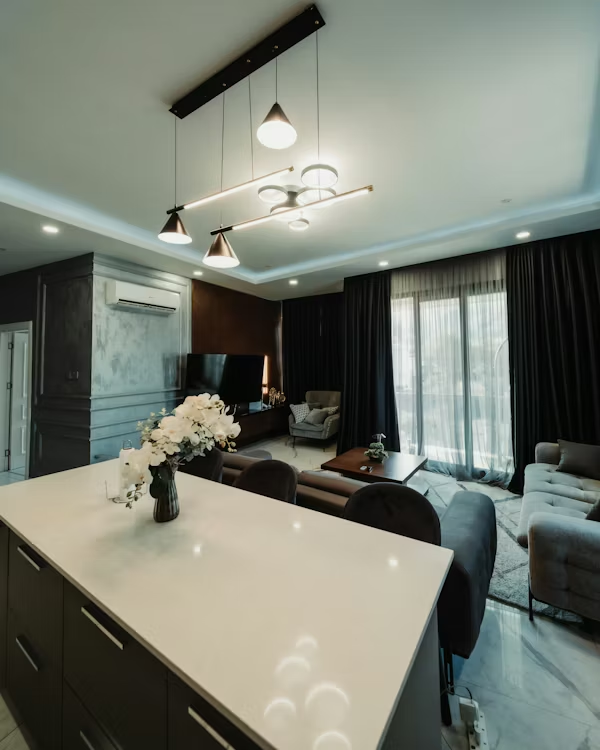
Luxury fabrics elevate windows from functional to fabulous. Velvet and silk curtains are opulent curtain ideas that add instant glamour and sophistication. Heavy velvet provides excellent light blocking, sound dampening, and insulation while looking like you inherited money or excellent taste—possibly both. The rich texture catches light beautifully, adding depth and visual interest. Silk or faux-silk offers elegant sheen and fluid draping that photographs beautifully and impresses guests who notice such things. These fabrics work particularly well in formal living rooms, dining rooms, or master bedrooms where luxury is the goal. The investment is significant, but quality fabric curtains last decades when properly cared for, making them almost reasonable when amortized over time. Almost.
9. Try Grommet or Eyelet Headers for Modern Simplicity
The curtain header—how fabric attaches to the rod—affects overall aesthetics significantly. Grommet or eyelet headers represent modern curtain ideas with clean, contemporary appeal. Metal rings embedded in the fabric create uniform pleats that slide smoothly along rods, making opening and closing effortless. The visible rod becomes part of the design, so choose hardware accordingly. Grommet curtains work beautifully in modern, transitional, and casual spaces where fussy traditional headers would feel out of place. The straightforward installation appeals to DIYers—slide grommets onto the rod and you’re done, no complicated pleating or hooks required. It’s curtain hanging for people who have better things to do than fuss with window treatments all afternoon.
10. Install Double Rods for Layering Options
Double curtain rods unlock serious layering potential. These systems feature two rods—one forward, one back—allowing you to hang two sets of curtains independently. This hardware represents essential curtain ideas for achieving the sheer-plus-drape combination mentioned earlier, but it also enables creative mixing. Try patterned sheers with solid drapes, or layer two complementary solid colors for depth. The ability to operate each layer independently provides maximum flexibility for light control and privacy. Installation is slightly more involved than single rods, but the versatility justifies the extra effort. Plus, it looks impressively intentional, like you actually planned your window treatments rather than grabbing whatever fit.
11. Go Minimalist with Ripplefold or Wave Curtains
For ultra-modern, architectural spaces, ripplefold curtains represent sleek curtain ideas with clean, continuous waves. These specialized curtains use unique hardware creating consistent, flowing pleats that look tailored and deliberate. The uniform wave pattern maintains consistent appearance whether curtains are open or closed, providing that high-end, custom look associated with designer installations. Ripplefold systems stack neatly when open, maximizing window exposure without bulky fabric bunching. The streamlined aesthetic works beautifully in contemporary homes, lofts, or anywhere minimalist precision is valued over traditional softness. Fair warning: ripplefold systems cost more than standard rods and panels, but the sophisticated result justifies the investment for design-focused spaces.
12. Add Roman Shades for Tailored Elegance
Technically shades rather than curtains, Roman shades represent hybrid curtain ideas that offer curtain aesthetics with blind functionality. These fabric panels fold into horizontal pleats when raised, creating clean, tailored stacks at window tops. When lowered, they provide smooth fabric coverage that looks like stationary panels. Roman shades work brilliantly alone in kitchens, bathrooms, or offices where full curtains might be impractical, or layered with curtain panels for combined functionality and softness. Available in countless fabrics from casual linen to formal silk, Roman shades suit any aesthetic. The tailored appearance feels more finished than blinds but less fussy than traditional curtains—the Goldilocks option for window treatments.
13. Use Sheer Curtains for Airy, Light-Filled Spaces
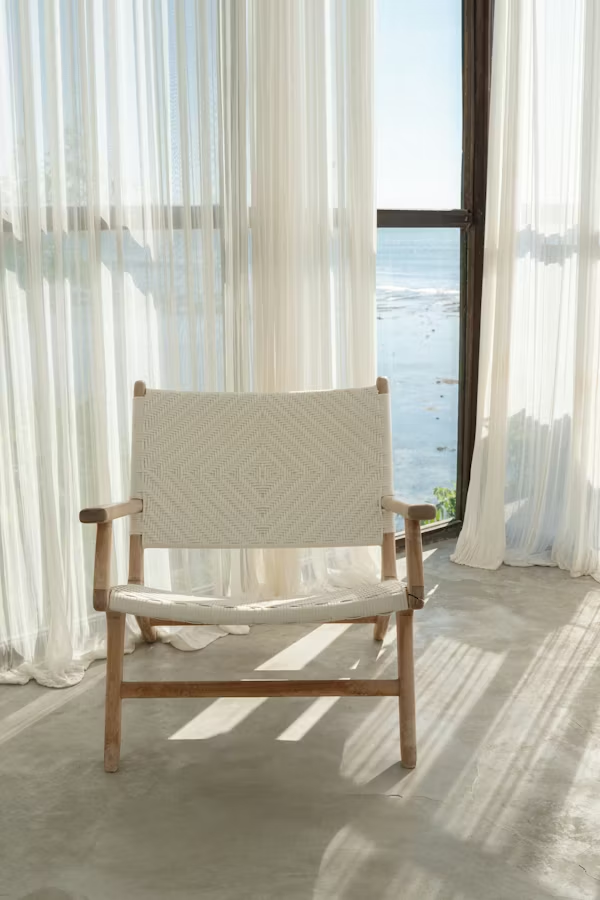
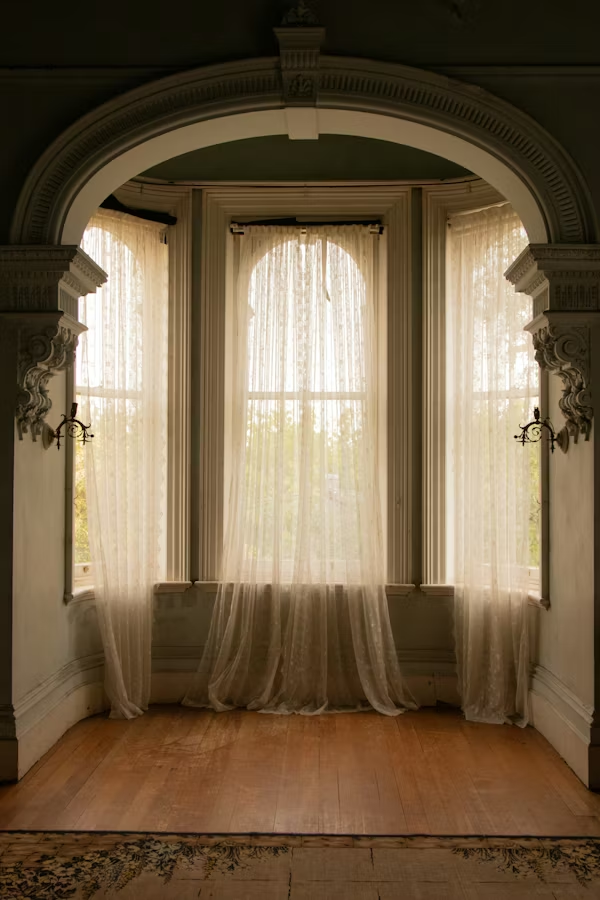
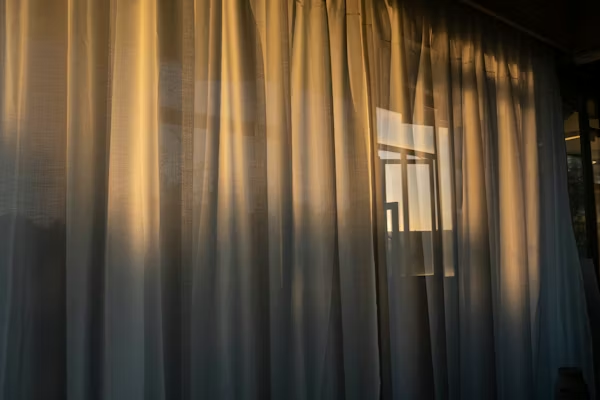
Sometimes maximum light is the goal. Sheer or semi-sheer curtains are breezy curtain ideas that filter rather than block light, creating soft, diffused illumination throughout the day. White or cream sheers make spaces feel bright and airy, perfect for small rooms or dark spaces needing all available natural light. Colored sheers—soft pink, pale blue, warm gold—tint incoming light subtly, creating atmosphere and warmth. The lightweight fabric moves beautifully with breezes, adding gentle motion and life to static rooms. Sheers provide daytime privacy without sacrificing light, though they offer minimal nighttime privacy unless layered with heavier drapes. They’re the optimists of window treatments—always letting the light in.
14. Experiment with Unique Hanging Methods
Standard rods are fine, but creative hanging methods are memorable curtain ideas for design-forward spaces. Hang curtains from leather straps attached to rods for industrial-chic vibes. Use curtain rings with clips for casual, adjustable styling. Install cable wire systems for ultra-minimal, modern looks where curtains glide along nearly invisible wires. Exposed hooks on decorative rods showcase beautiful hardware while adding vintage or traditional character. Each hanging method creates different aesthetics and functionality, so choose based on your overall design goals. Sometimes the hanging system becomes as important as the curtain fabric itself, transforming functional hardware into decorative features worthy of attention.
The right curtain ideas transform windows from functional necessities into design features that enhance entire rooms. Whether you go bold with color and pattern, luxurious with silk and velvet, or minimal with sheers and clean lines, thoughtful curtain choices make spaces feel more finished, intentional, and beautiful.
Start by identifying your biggest window-related issue. Is it too much light? Privacy concerns? Windows that feel small or awkward? Your specific challenge guides you toward curtain ideas that solve problems while looking beautiful. One well-dressed window often inspires upgrading others, and gradually your home evolves from builder-grade basics to thoughtfully designed spaces.
The best curtain ideas balance aesthetics with function, creating beautiful solutions that actually support how you live. Your windows deserve better than whatever’s been hanging there since you moved in three years ago. Give them the attention they deserve, and watch how much difference proper window treatments make to your entire space.
Now stop reading about curtain ideas and start measuring your windows, because those bare panes or sad panels aren’t improving themselves. Time to give your windows the glow-up they’ve been waiting for.