
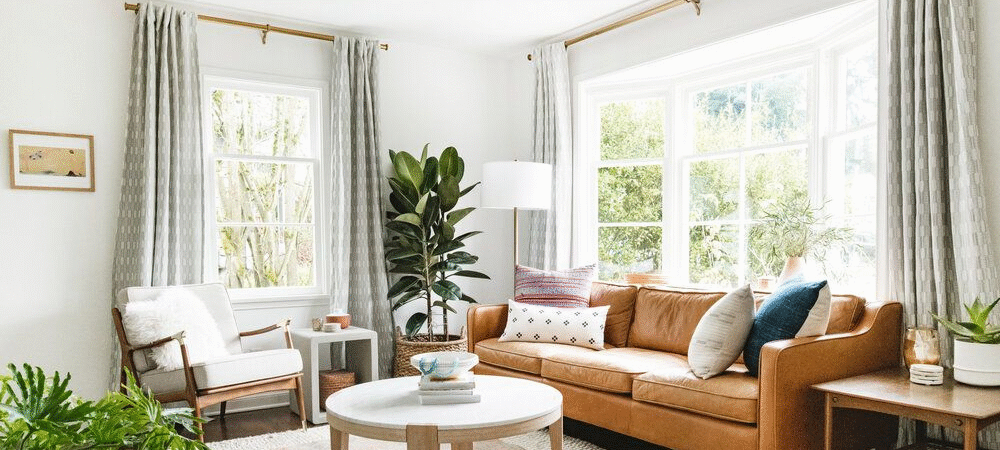
Introduction to Room Decoration
Room decoration plays a pivotal role in shaping the aesthetics and functionality of any living space. It extends beyond mere aesthetics, serving as a crucial factor that influences the overall ambiance and a person’s mood within that environment. An effectively decorated room can evoke feelings of comfort, joy, and relaxation, while a poorly arranged space may contribute to stress and discomfort. This underscores the importance of thoughtful decoration in enhancing both visual appeal and emotional well-being.
Understanding that our surroundings can significantly impact our mental state is essential. Studies suggest that well-decorated spaces can lead to increased productivity, enhanced creativity, and a greater sense of satisfaction. This makes room decoration not just an exercise in style but also an essential element of creating a nurturing environment. Implementing various decorative elements like colors, textures, and furniture arrangement can profoundly affect how we interact with our surroundings.
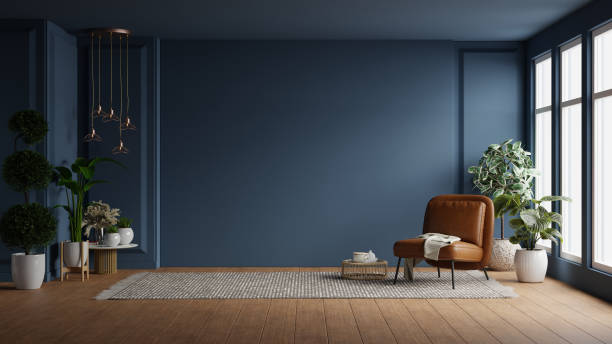
There are various types of decorations one can explore to elevate their living spaces. These may include wall decor, furniture placement, the use of textiles, and the integration of plants and artwork. By considering factors such as color schemes, lighting, and spatial arrangement, individuals can craft rooms that reflect their personal style while serving functional needs. This encompasses layering different decorative elements to create a harmonious space, enabling the inhabitants to thrive in their environments.
As we delve into specific decoration ideas throughout this post, we aim to provide inspiration that caters to diverse tastes and preferences. Whether one seeks minimalistic elegance or a more eclectic design, understanding the fundamentals of room decoration lays the groundwork for achieving a transformative living experience.
Understanding Your Space: Assessing Room Size and Light
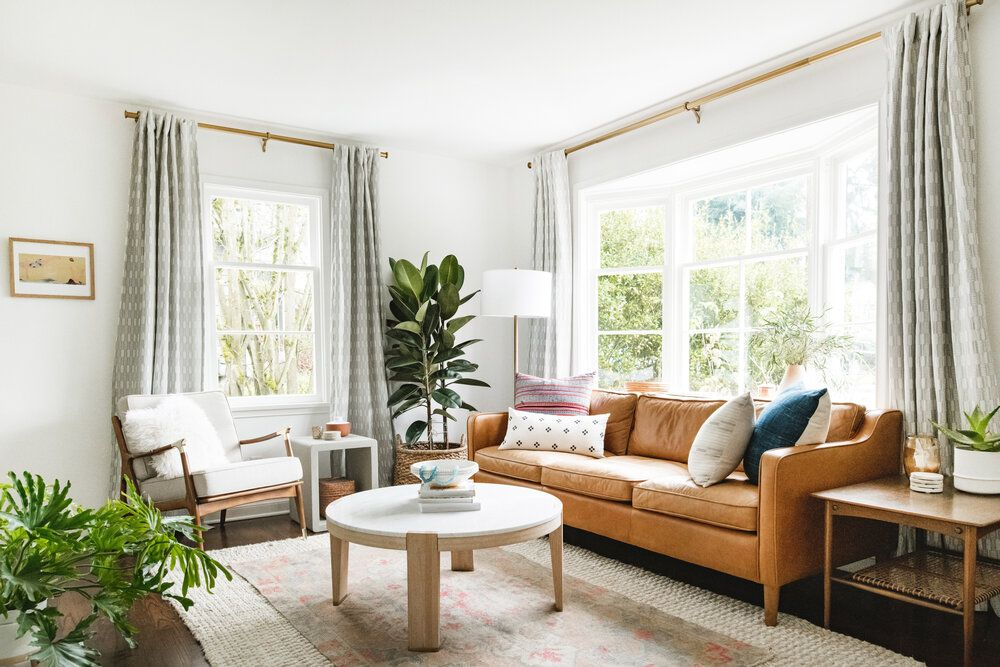
Before embarking on any decoration project, it is crucial to assess the size and lighting conditions of your room. These factors play a significant role in determining the appropriate style, color scheme, and furniture layout for your living space. The first step in this process is to measure the dimensions of your room accurately. Utilizing a tape measure, note the length, width, and height of the space. It is advisable to create a scaled drawing or use design software to visualize the dimensions, which can help in making informed decisions about furniture and accessories.
Equally important is analyzing the natural light available in the room. Observe how light enters the space at different times of the day and note the presence of any windows or skylights. Natural light can tremendously influence the ambiance and feel of a room. With brighter spaces, you may have the liberty to choose darker colors or bolder patterns, as they will not feel overwhelming. Conversely, in areas with limited light, lighter hues and reflective surfaces can help create an illusion of a more spacious environment.
Additionally, considering the flow of the room is vital. Analyze the furniture layout and how individuals will move through the space. Ensuring there is ample room for movement while maintaining functionality is key in your decorating efforts. Be mindful of the arrangement of furniture and accessories to avoid obstructing pathways. A well-thought-out flow promotes comfort and enhances the overall aesthetic of the room.
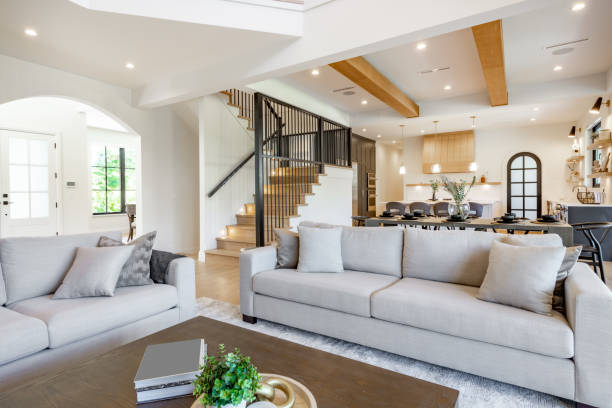
Ultimately, evaluating your room’s size and lighting conditions lays the groundwork for effective decoration. By measuring your space, assessing natural light, and considering the flow, you will be better prepared to make informed choices moving forward in your decorating journey.
Color Schemes to Transform Your Room
Color plays a crucial role in the aesthetic and emotional ambiance of any room. The psychological effects of color can significantly influence our mood and overall well-being, making the selection of an appropriate color palette vital for effective room decoration. When choosing colors, consider their psychological impact; for instance, warm hues like reds and oranges can evoke feelings of energy and excitement, whilst cooler shades such as blues and greens promote calmness and relaxation.
Creating an inviting atmosphere often hinges on the use of certain color combinations. For example, soft neutrals paired with warm earth tones can create a cozy and welcoming environment, beneficial for living rooms or bedrooms. Conversely, vibrant colors such as yellow or coral can energize a space, making them ideal for home offices or activity rooms. It is essential to find a balance, ensuring that the chosen shades enhance rather than overwhelm the space.
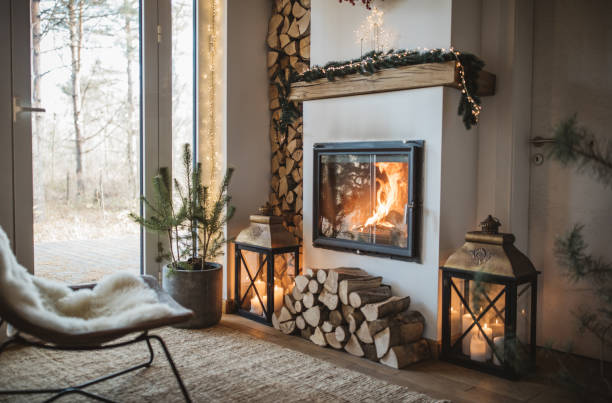
Additionally, the concept of accent walls can be an effective way to introduce bold colors without dominating the entire room. For example, a deep navy blue accent wall paired with light gray furnishings can provide a sophisticated contrast while maintaining a tranquil effect. Moreover, it is essential to consider paint finishes; a satin or eggshell finish can reflect light beautifully, enhancing the overall aesthetic, while a matte finish can offer a more subdued look.
Ultimately, using complementary colors not only enhances the visual appeal but also brings harmony to the décor. Popular trending combinations include teal and coral, as well as mustard yellow paired with deep navy. These combinations can create a stunning focal point in any room, seamlessly transforming the space into a lively yet balanced sanctuary. By carefully selecting color schemes that align with both personal preferences and the intended mood, one can achieve a remarkable transformation in their living space.
Furniture Arrangement: Maximizing Space and Functionality
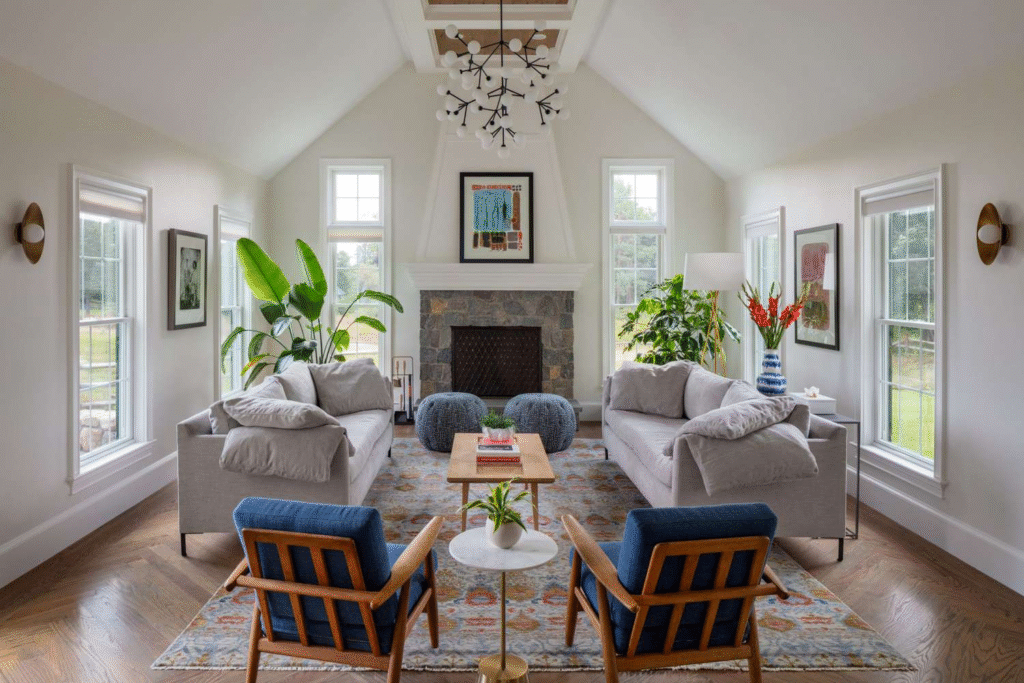
Effective furniture arrangement plays a pivotal role in transforming a room’s dynamics and maximizing both space and functionality. A well-thought-out layout can enhance the overall atmosphere, creating a harmonious living space that promotes comfort and practicality. To achieve this, consider the flow of the room and how you will use each area. Start by identifying the primary function of the room and arrange your furniture to facilitate that purpose, allowing for ease of movement and accessibility.
One key strategy involves selecting multi-functional furniture, which can significantly increase the utility of your space. Pieces such as ottomans that double as storage, or coffee tables that convert into dining surfaces, can be particularly useful in smaller areas. Additionally, consider using modular furniture that can be rearranged as needed, accommodating various activities or gatherings. This versatility enables homeowners to optimize their living space according to specific occasions or family needs.
Another aspect to consider is the arrangement style of the furniture. Open-concept layouts have gained popularity for their ability to make spaces feel larger and more inviting. This arrangement encourages social interaction and allows light to permeate throughout, enhancing the overall ambiance. On the other hand, cozy arrangements, such as placing seating around a focal point like a fireplace or entertainment center, create an intimate environment conducive to relaxation and connection.
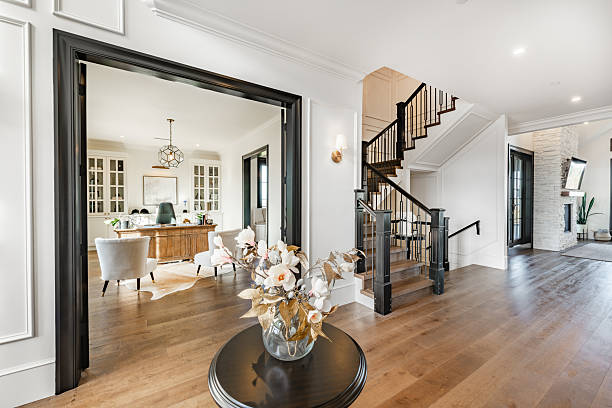
Moreover, maintaining balance is crucial when planning a furniture layout. Ensure that larger pieces do not overwhelm the room and that there is visual interest achieved through the strategic placement of smaller items. By adhering to these guidelines, individuals can create a space that is not only functional but also aesthetically pleasing, fulfilling the dual purpose of utility and style in their living rooms.
Incorporating Textiles for Comfort and Style
Textiles play a fundamental role in creating a warm and inviting atmosphere within any living space. By carefully selecting and layering different fabric elements, one can significantly enhance the comfort and overall aesthetic appeal of a room. Key textile components to consider include curtains, rugs, throw pillows, and blankets, each serving a unique purpose while contributing to the cumulative effect of comfort and style.
Curtains are among the first elements to create an impression of coziness in a room. They can soften the harshness of window frames and filter natural light, contributing to a serene environment. Choosing the right fabric, whether lightweight linen or heavier velvet, can dramatically alter the mood of the space. Moreover, selecting patterns and colors that resonate with the room’s existing decor promotes visual harmony, ensuring that the curtains serve both functional and decorative purposes.
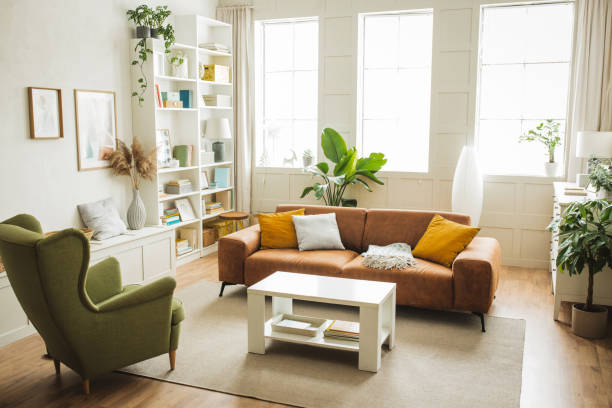
Rugs add an essential layer of texture underfoot. Not only do they define different areas within a larger room, but they also create a physical and aesthetic warmth. Incorporating various materials, such as wool, cotton, or synthetic fibers, allows for versatile styling options. Patterns ranging from geometric to floral can infuse character into the space, while solid colors provide a classic touch. Layering rugs of different sizes can also enhance depth and interest.
Throw pillows and blankets are versatile accessories that can be easily updated according to changing seasons or trends. Mixing textures and patterns through these elements encourages a dynamic and inviting feel. Soft knits, rich velvets, and durable canvas can be combined to reflect personal taste while ensuring maximum comfort. By strategically placing pillows on sofas and beds, one can create an inviting atmosphere that beckons relaxation.
Ultimately, the thoughtful incorporation of textiles not only adds visual interest but also transforms living spaces into beautifully cohesive environments that reflect individual style and comfort.
Wall Decor: Art, Mirrors, and Innovative Techniques
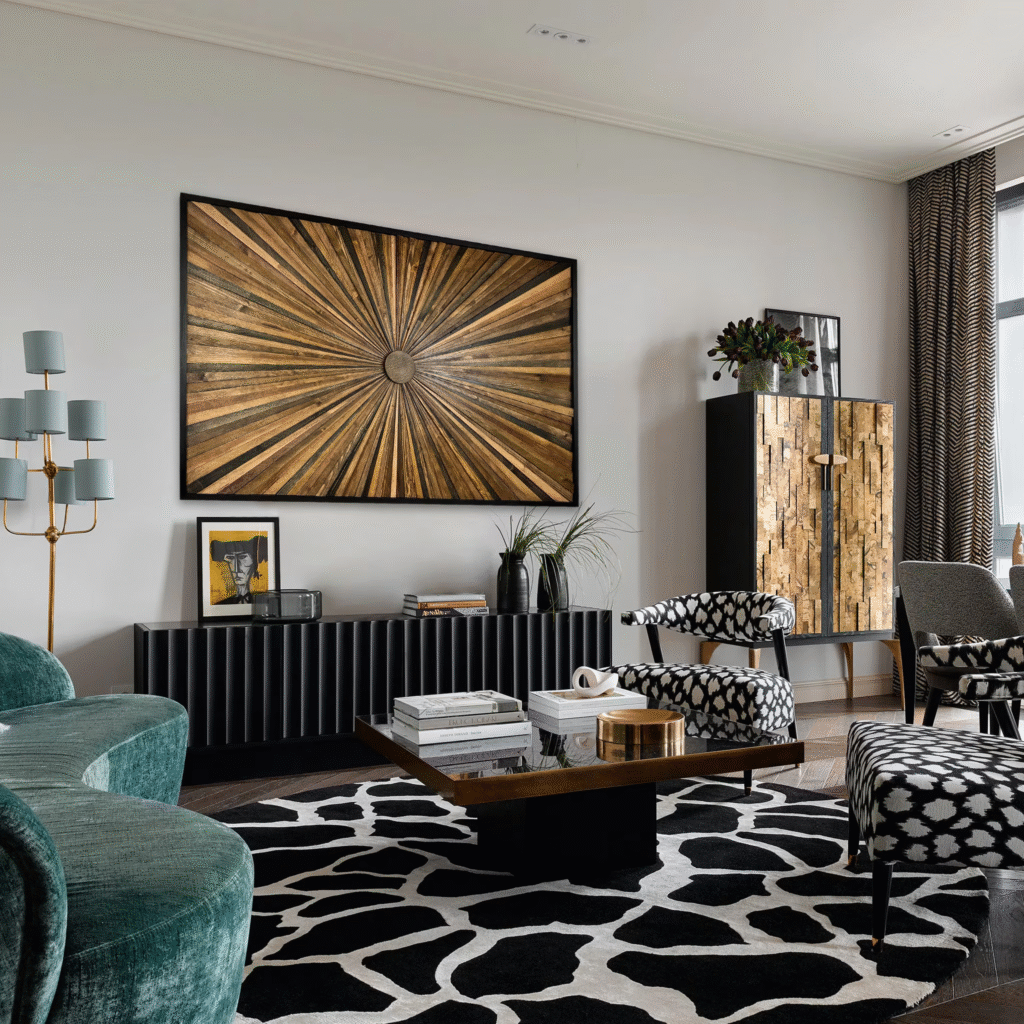
Wall decor plays a pivotal role in personalizing and enhancing the aesthetic appeal of any living space. By incorporating various forms of wall art, such as paintings, photographs, and meticulously curated gallery walls, homeowners can express their unique tastes and preferences. Paintings can serve as focal points, adding color and depth, while photographs capture memories and evoke emotion, providing a warm and inviting atmosphere. A gallery wall offers an opportunity for creativity, allowing individuals to combine various art forms and frames, thus creating a dynamic visual experience in their living areas.
Mirrors are another essential component of wall decor that can profoundly affect the perception of space. Utilizing mirrors strategically not only amplifies natural light but also creates the illusion of larger spaces, making them ideal for smaller rooms. For instance, placing a large, decorative mirror opposite a window can maximize sunlight’s effect, illuminating the area and enhancing its openness. Additionally, mirrors can serve as pieces of art themselves, whether showcasing intricate designs or minimalist aesthetics, thus blending functionality with style.
Innovative techniques, such as removable wallpapers and wall decals, provide further opportunities for decoration without the drawbacks of traditional methods. Removable wallpapers allow for bold design choices without the long-term commitment typically associated with wallpapering. This flexibility makes it easier for individuals to experiment with trends or seasonal themes without worrying about potential damage during removal. Similarly, wall decals can enhance spaces with varied motifs or messages that resonate personally, enabling creativity and customization. By considering these wall decor options, homeowners can effectively transform their living spaces into personalized havens that reflect their individuality and style.
Natural Elements: Bringing the Outdoors Inside
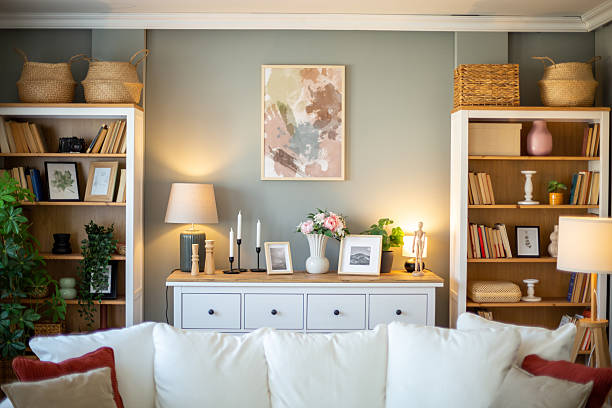
Incorporating natural elements into room decor has gained significant recognition for its ability to enhance living spaces. The infusion of items such as plants, wood, and stone not only brings visual appeal to interiors but also creates a serene ambiance that stimulates well-being. Research indicates that exposure to nature can significantly improve mental health, alleviate stress, and boost overall mood. Thus, embracing natural elements becomes paramount for those seeking to create a harmonious living environment.
Plants serve as one of the most effective ways to incorporate nature indoors. From vibrant green foliage to flowering species, incorporating houseplants can breathe life into any room. Selecting plants that thrive in your specific environment is crucial; for example, low-light areas benefit from hardy plants like snake plants or pothos, while brighter spaces can accommodate peace lilies or succulents. These living pieces not only enhance aesthetics but also purify the air, contributing to a healthier indoor atmosphere.
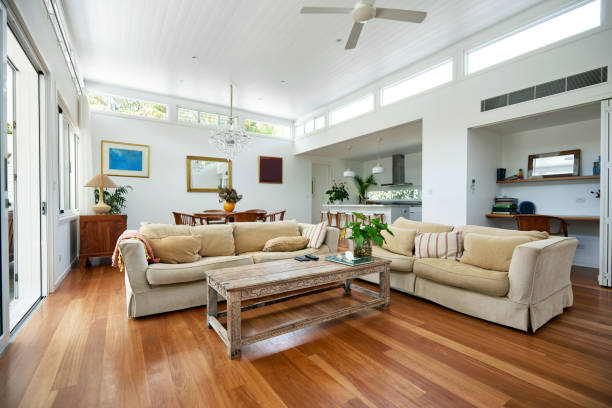
Equally important are the choice of materials used in home decor. Natural materials like wood and stone evoke a sense of earthiness and warmth. Wooden furniture and accents, whether reclaimed or sustainably sourced, can impart character and depth to a room. Stone elements, such as countertops or decorative features, add an organic touch that echoes the beauty found in nature. Additionally, eco-friendly decor options, including items made from bamboo, cork, or recycled materials, enable homeowners to humanize their space while minimizing environmental impact.
Choosing the right balance of natural elements can lead to a transformative effect on your current living space. The goal is to create a sense of connection to the outdoors, allowing residents to enjoy the profound psychological benefits that nature has to offer. By integrating these eco-friendly choices, individuals not only elevate their interiors but also contribute positively to their well-being.
Lighting Solutions: Setting the Mood with Light
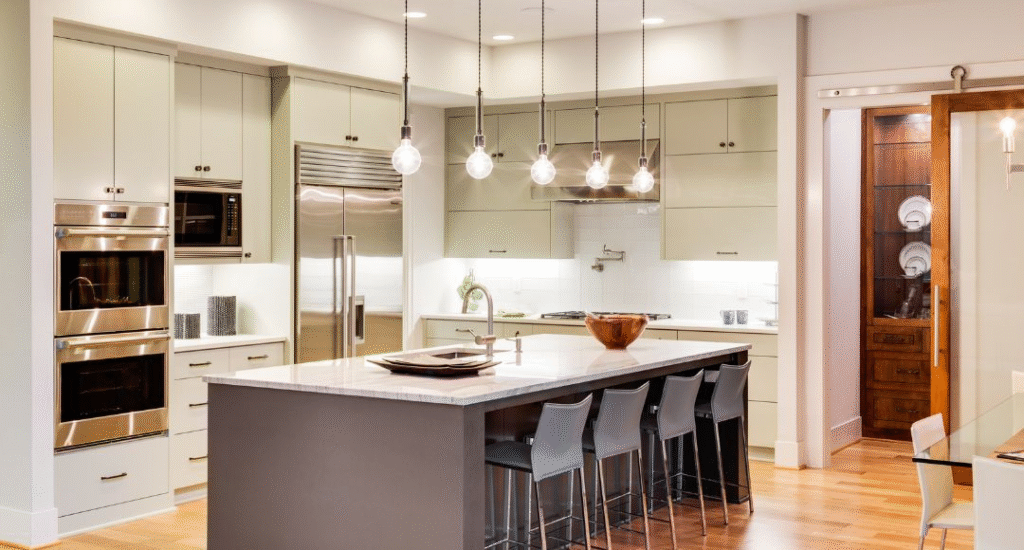
Effective lighting is fundamental in transforming the ambiance of any living space. By utilizing various lighting solutions, one can create a welcoming and versatile atmosphere tailored to different activities and times of day. The art of layering lighting involves integrating three primary types: ambient, task, and accent lighting. Each plays a vital role in not just illuminating a space but also enhancing its aesthetic appeal.
Ambient lighting serves as the base layer, providing a general illumination that fills the room. This can be achieved through ceiling-mounted fixtures, chandeliers, or recessed lighting. It is essential for creating a foundational luminosity, ensuring that the space is sufficiently lit for everyday life. In contrast, task lighting is more focused, designed for specific activities such as reading, cooking, or working. Table lamps, floor lamps, and under-cabinet lighting are excellent choices to direct light where it is most needed, thus increasing both functionality and comfort in your living environment.
Accent lighting adds a decorative touch, drawing attention to particular features within a room, such as artwork, plants, or architectural details. Picture lights, wall sconces, and decorative fixtures can enhance a room’s visual interest and depth by highlighting focal points. To maximize the effect of lighting, creative combinations of these layered types can significantly change the perception of space and mood. Moreover, natural light should not be overlooked; large windows, mirrors, and light-colored furnishings can enhance daylighting, creating an airy and open atmosphere.
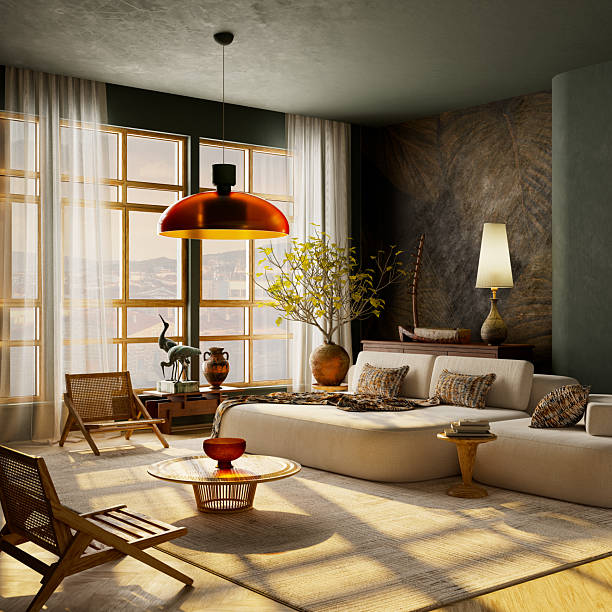
By carefully selecting and positioning different lighting sources, homeowners can effectively set the mood in any room, allowing for a complete transformation that is as functional as it is visually appealing. Embracing these diverse lighting solutions can significantly elevate the overall comfort and aesthetic of living spaces.
Personal Touches: Adding Your Unique Style
The process of decorating a living space presents a unique opportunity to showcase your individuality and personal style. Embracing personal touches in decor not only enhances the aesthetic appeal of your home but also aids in creating an environment that resonates with your life experiences, interests, and passions. To achieve a truly personalized space, consider incorporating items that reflect your journey, such as souvenirs from travels, photographs capturing cherished moments, or artwork you have created. These elements serve as conversation starters while making the decor more meaningful.
Integrating personal collections is another effective way to infuse your personality into your living space. Whether you collect vintage postcards, ceramic figurines, or books, displaying these items prominently creates a focal point that defines your style. Consider using open shelving or curated displays to showcase them beautifully. This not only adds visual interest but also allows for easy swapping of items, keeping the decor fresh and dynamic.
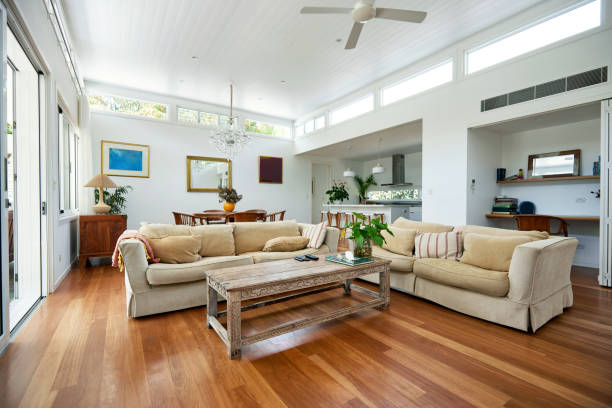
DIY projects offer a creative avenue to express your individuality further. Personalizing furniture or creating unique decorative elements can help you achieve a distinct look without breaking the bank. For instance, upcycling an old chair with your favorite fabric can breathe new life into it while ensuring it complements your style. Additionally, consider incorporating customizable decor items, such as monogrammed cushions or personalized wall art. These smaller details can signify your interests and values, reinforcing the overall character of your home.
In essence, the combination of personal collections, thoughtful DIY projects, and meaningful decor items will allow you to curate a living space that genuinely represents who you are. By embracing these personal touches in your decorating choices, you transform your home into a reflection of your unique journey, making it distinctive and comfortable.
This post may contain affiliate links, which means we may earn a small commission if you purchase through them—at no extra cost to you. Hopefully we can help you find something that helps you.